
Home 2025
Archives
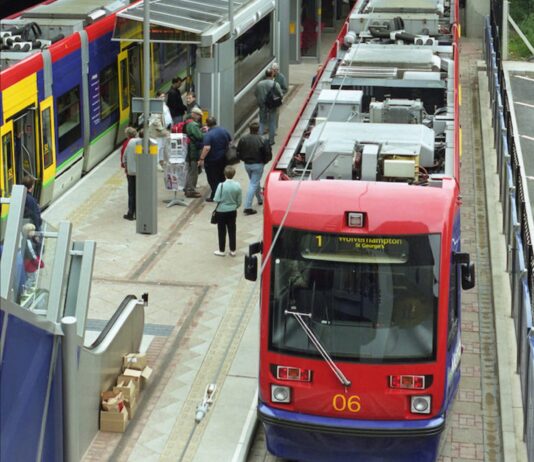
Birmingham does not have a metro in the traditional sense, but it does have a network of high-speed trams, or, as the locals call it, Stadtbahn, called the West Midlands Metro. This line connects Birmingham with Wolverhampton, passing through other cities in the region. It was opened in 1999....

Sustainability West Midlands is an organisation that campaigns for sustainable development in both the city of Birmingham and the wider West Midlands region. Its work is guided by cooperation with members from various sectors. All this allows us to achieve favourable positive changes in all areas of interest as...
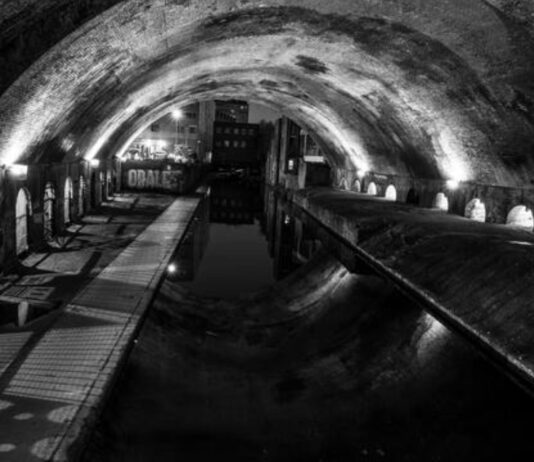
The Birmingham canal network is one of the most complex networks in the world. At its centre is the bustling city centre, the Gas Street Basin crossroads. It is home to colourful boats and historic canal architecture that sit unashamedly and seamlessly alongside lively, modern restaurants, cafés, and bars....
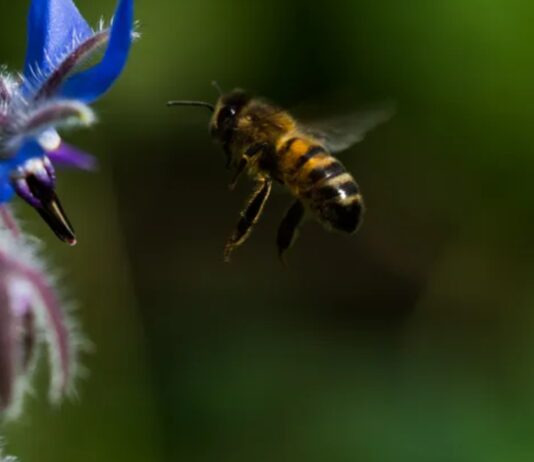
Since its inception in 1879, the aim of the Birmingham Beekeepers' Association has been to promote beekeeping and support beekeepers. The Association offers a wide range of activities for all levels of beekeeping, including beginner and advanced courses, courses for more experienced beekeepers, as well as talks, lectures and...
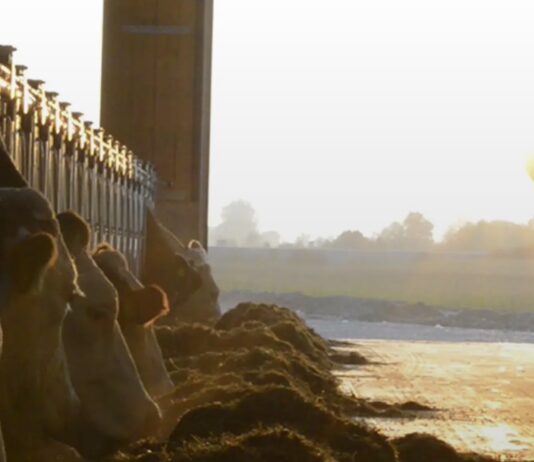
Agriculture is a dynamic sector, and its role is of great importance today. It's no secret that the world's population is growing, and it needs to be fed. According to forecasts, nine billion people will need to be fed by 2050. If we look at the issue in detail,...
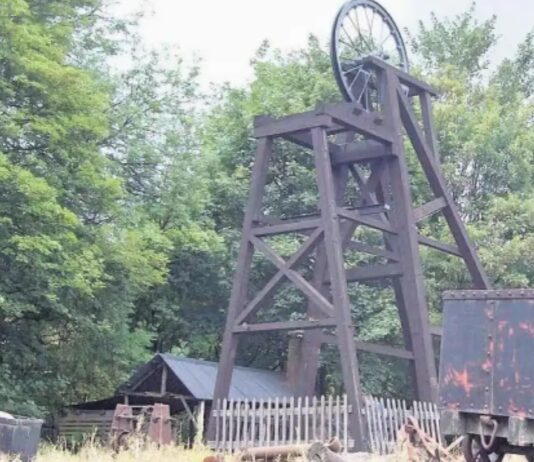
For centuries, the Black Country has been known for its mining industry, which has given the region a reputation for being rich in minerals. The blackened and scarred landscape, which was created by the large amounts of smoke and smog from the industries that filled the air, earned it...
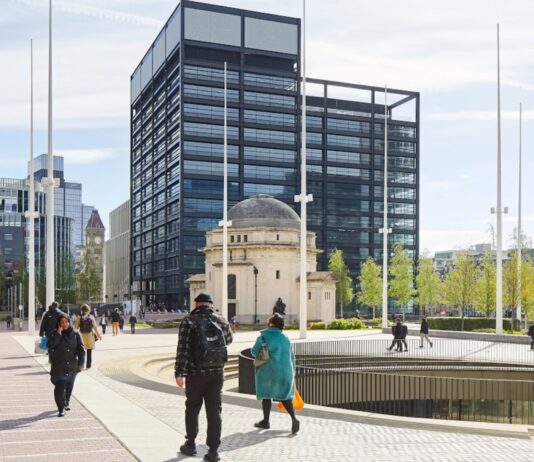
Birmingham's skyline is rapidly changing, and sustainability is a key criterion for new projects. Using a framework of environmental checks and balances, city planners and council members are ensuring that architectural ambitions align with a minimal long-term planetary impact. Indeed, these "green" buildings could be crucial in helping Birmingham...
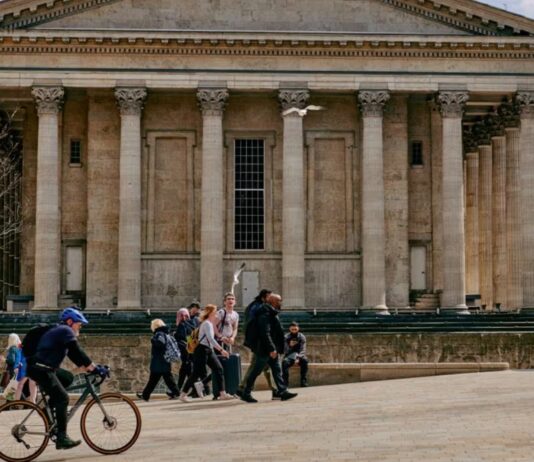
Sustainable or green tourism is more than just a buzzword. It's a commitment to preserving the natural, cultural, and economic environments of tourist destinations for future generations. As the tourism industry grows, it's crucial to adopt practices that minimize environmental impact, support local communities, and protect cultural heritage. Read...
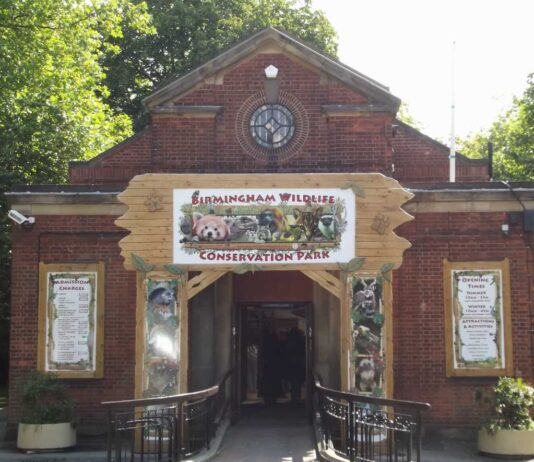
The Birmingham Wildlife Conservation Park, formerly the Birmingham Nature Centre and even earlier, the Birmingham Zoo, began its journey as a small menagerie often called "a little gem among zoos." It was opened on May 1, 1964, by the Dudley Zoological Society in Cannon Hill Park. Interestingly, the park's...
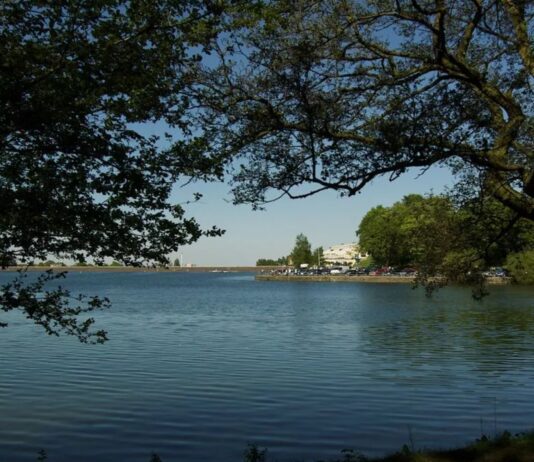
The Edgbaston Reservoir, covering 70 acres, is both a local nature reserve and a protected conservation site, featuring predominantly open water. Built by Thomas Telford in 1827 to supply Birmingham’s canal network, the reservoir remains in active use today. However, beyond its original function, it has evolved into a...