

Sustainable or green tourism is more than just a buzzword. It’s a commitment to preserving the natural, cultural, and economic environments of tourist destinations for future generations. As the tourism industry grows, it’s crucial to adopt practices that minimize environmental impact, support local communities, and protect cultural heritage. Read more about the development of sustainable tourism in Birmingham and its surrounding areas at birminghamname.com.
Cycling: A Green Way to Explore
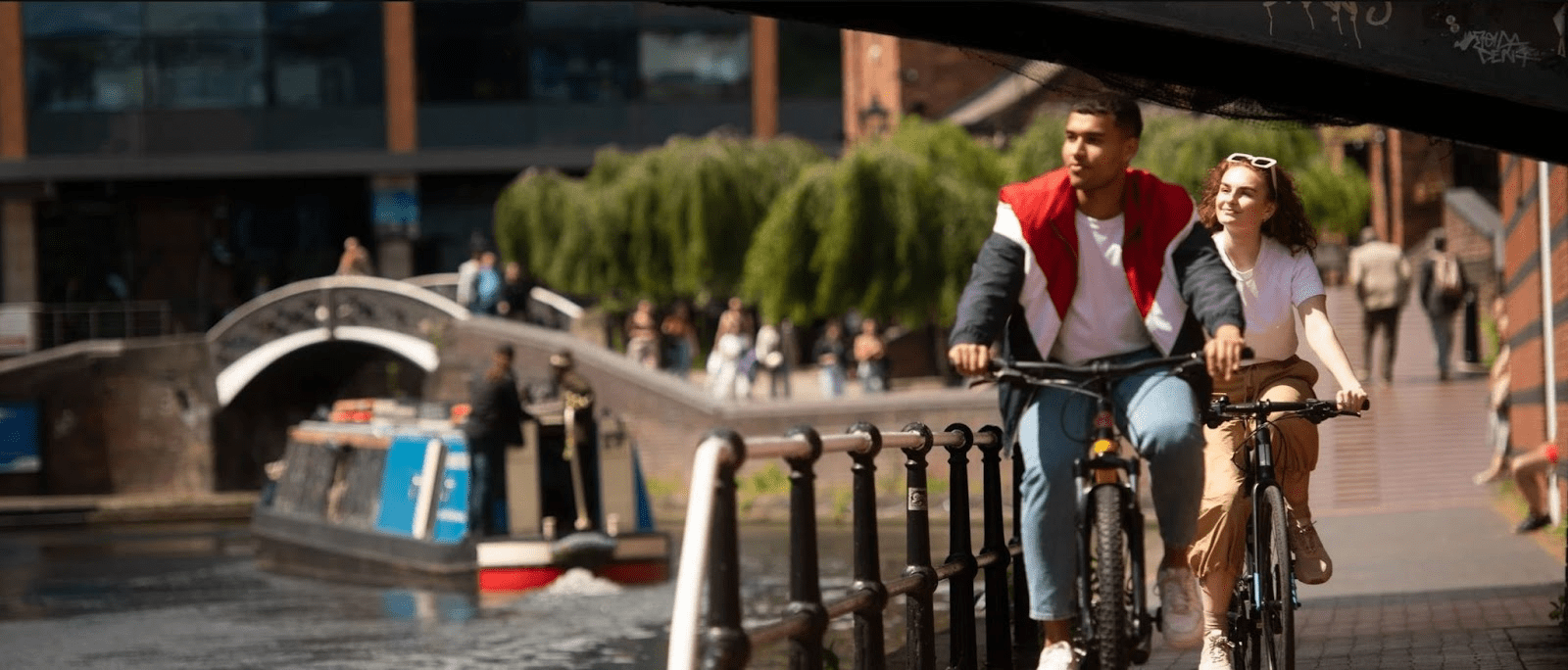
One of the most popular forms of green, or sustainable, tourism is traveling by bicycle. But for such a trip to be successful and enjoyable, perhaps even delightful, it needs to be well-organized. Many factors can affect the quality of the journey, steering it towards joy and good spirits, or conversely, towards frustration and fatigue.
This is especially important when planning to travel along local canals, covering many miles, and exploring Birmingham’s compact city center. It’s worth noting that for such an adventure, there’s simply no better way to travel than by bike. Local tour organizers know this and are happy to offer cycling tours.
An important aspect of these trips is the availability of tours suitable for all ages and abilities. The main thing is that they should be traffic-free. Cycling trips have become so popular that many well-known paths and routes have recently been significantly improved.
Another tip before starting your tour: try the bicycle route feature on Google Maps. Find your location, hover over “Satellite” in the top right corner, and click “Bicycling” in the dropdown menu to see a map of off-road trails, bike lanes, and cyclist-friendly roads.
Developed by cyclists, CycleStreets not only plots your route but also shows the number of traffic lights you’ll encounter, calories burned, and your travel time, even accounting for hills.
Bicycle Parking and Transport
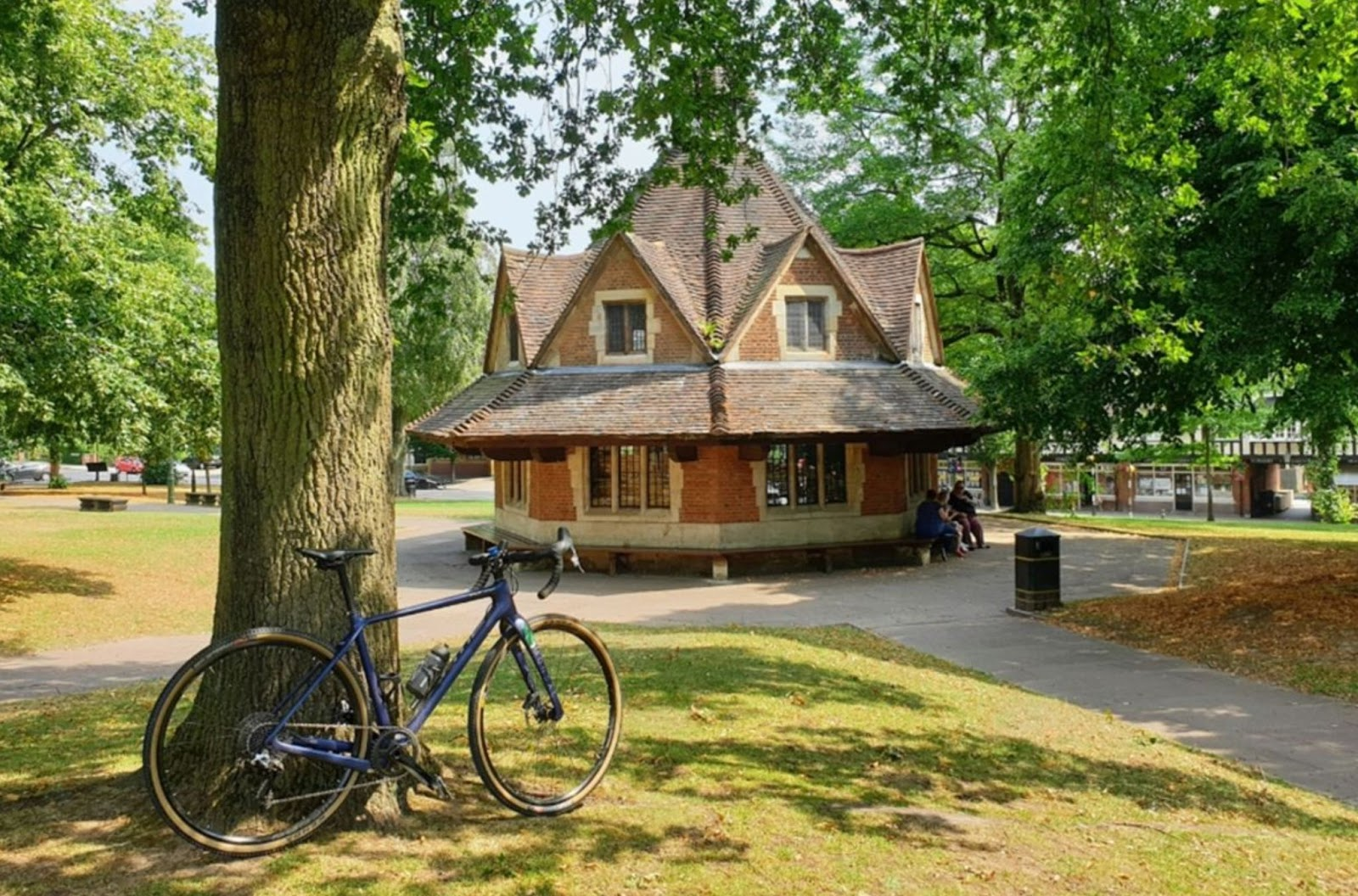
Birmingham has many secure bicycle parking spots where you can leave your bike for a while. Also, remember that Cycle Map provides a useful map of Birmingham where you can find secure bike parking.
During your route, you might find yourself needing to take a train. Traveling on public transport with a bicycle can be somewhat challenging. But there’s no need to worry too much. First, you can find out the public transport schedules. A Midlands tour company provides information on regional train schedules and any restrictions on taking bikes on public transport. Additionally, information about cycling facilities at stations, such as lockers and racks, is also available.
And one last thing to note. Bicycle rentals in the West Midlands are available in central Birmingham and along the A38 cycle route to Edgbaston. Here, you can rent a pedal bike, an e-bike, or a scooter using your smartphone. In addition, over 50 charging stations await you in key city locations. Furthermore, charging stations are available on trains, buses, metro stops, and in other public places.
After you finish your ride, you can simply park your scooter at the nearest dock. All docking stations can be found in a special app, which also tells you how many bikes or scooters are currently available, whether you can rent one, and if there’s an available parking spot.
The fee for a pedal bike is charged per minute plus a £1 unlocking fee; for example, a 30-minute rental will cost £3.40. Electric bikes and scooters cost a bit more, though they are also charged per minute. But no matter the cost, cycling remains a cost-effective and environmentally friendly way to get around Birmingham.
The “Green” Grand Hotel
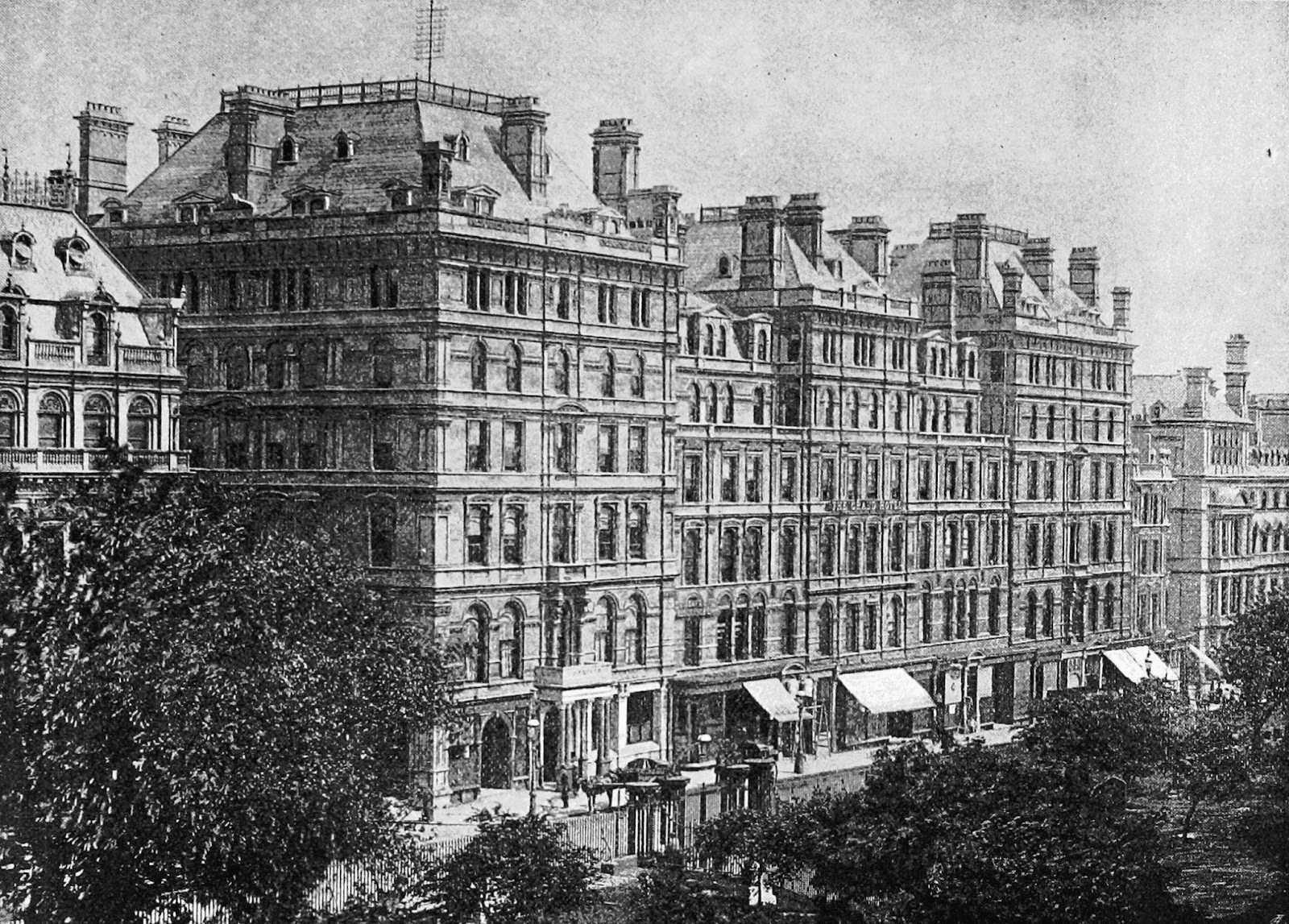
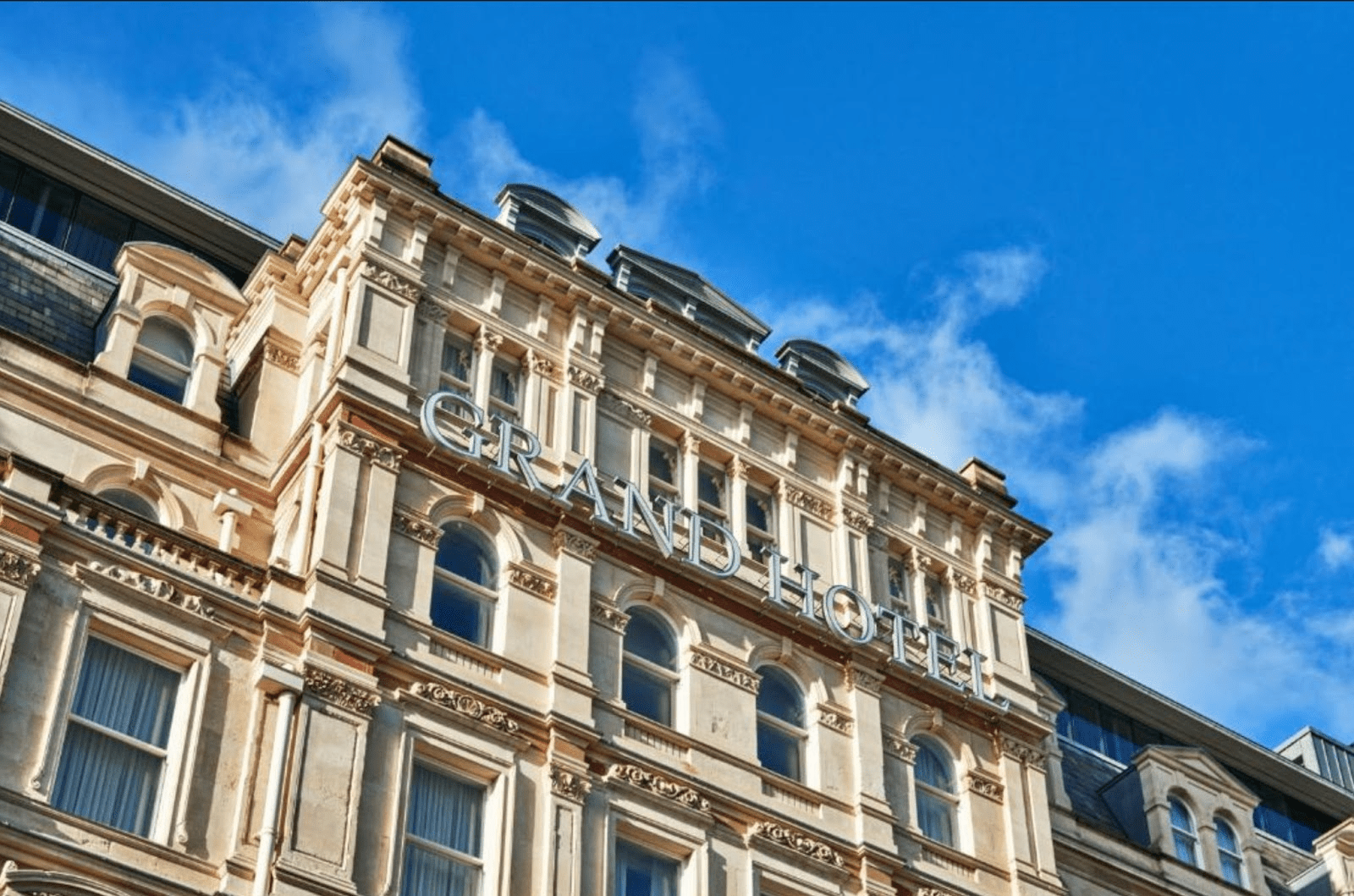
Another important component of green tourism, unless you plan on camping in a park, is the hotel. Today, some “green” hotels in the heart of the Industrial Revolution are embracing a green revolution of their own. The Grand Hotel is one of them. Established in 1879, when Birmingham was the industrial epicenter of the world.
A Grade II listed building occupying the best part of an entire city block, The Grand Hotel is one of Birmingham’s largest Victorian structures. It closed its doors in 2002 when its palazzo façade became unsafe, and for many years, the hotel faced an uncertain future and possible demolition. Its future was secured when plans for a major restoration project were approved to return the hotel to its full five-star glory. It reopened its doors in 2021.
The hotel’s renovation allowed developers to incorporate the latest energy-saving and resource-efficient technologies, bringing the building’s operational performance up to modern environmental standards. The new hotel now features 185 bedrooms, penthouses, a sunken rooftop garden terrace, two new bars, a restaurant, and a gym.
The hotel was reconfigured to cater to Birmingham’s growing market for business events and conferences, with a variety of meeting and event spaces, including the legendary Grand Ballroom, which can accommodate up to 250 people.
The hotel’s recent refurbishment meant it already featured energy and water-saving innovations that meet the latest building code standards. This gave the hotel a healthy head start on sustainability from day one.
The hotel’s city-center location, at the heart of the UK’s transport network, is a sustainability gift, offering excellent public transport links. This allows the establishment to guide visitors towards the most environmentally friendly transport options and map out safe walking routes to city attractions. The hotel itself does not have a car park but provides clear directions to the nearest parking facility with electric vehicle charging stations.
Biodiversity Conservation and Waste Management
Conserving biodiversity in a city center is always a challenge, and few hotels in Birmingham are more central, so to speak, than The Grand Hotel. However, the new rooftop terrace gave the team an opportunity to tackle this challenge: specifically, by planting lavender to attract pollinating insects and creating so-called “bug hotels.”
Another global issue the hotel team faced was waste. After all, no matter how hard you try to follow sustainable future trends, when even a small group of people gathers in one place, waste is inevitable. The Grand Hotel entrusted this issue to the building management company. But the fact that there are multiple tenants complicated resolving this issue, especially when it comes to food waste. However, working with the establishment managers has yielded results. The hotel already has its own system for disposing of used cooking oil from its kitchens, and the possibility of separate food waste collection is being considered.