
Home 2025
Archives
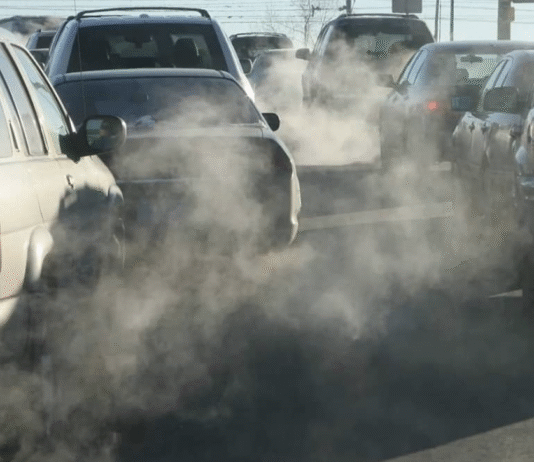
Air pollution has become a global crisis, with scientists worldwide sounding the alarm for decades. This is particularly true for major cities that serve as industrial hubs. As the UK’s second-largest city and a historic "industrial powerhouse," Birmingham is no exception. Its residents continue to grapple with the consequences...
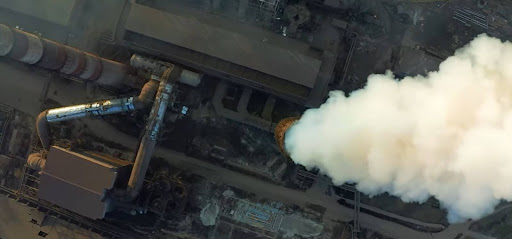
Birmingham is pursuing decarbonisation through a multi-faceted approach involving the city council, businesses, and academic institutions. Key strategies include improving sustainable transport, improving the energy efficiency of buildings through modernisation, updating planning policies for new developments and using data to inform and implement carbon reduction projects. The city has...

Birmingham's wine scene is thriving, that much is clear. Recently, more and more wine bars, tasting rooms and local wineries have been popping up all over the city. This growing trend can be explained by changing consumer preferences regarding wine, the city's thriving food culture, and the growing popularity...
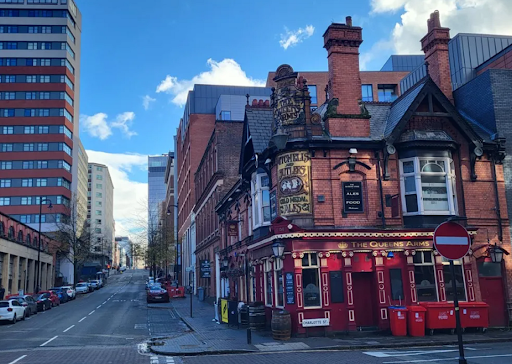
Birmingham has developed industrial tourism by transforming its industrial past into a modern landmark, focusing on key industrial sites. Today, these include the world-famous Jewellery Quarter, the JW Evans silver factory and others. The city's industrial heritage is also represented through the preservation of workshops and tours of sites...
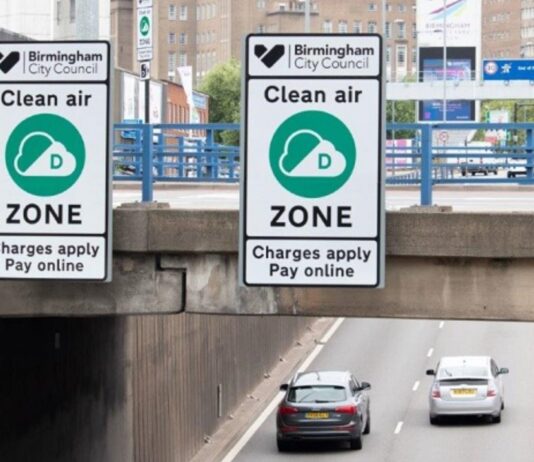
Anthropogenic pressure in Birmingham is characterised by significant air pollution from transport and industry, leading to high levels of contamination and the presence of substances such as nitrogen dioxide, particulate matter and heavy metals. The urban nature of the city, combined with factors such as traffic congestion and heat...
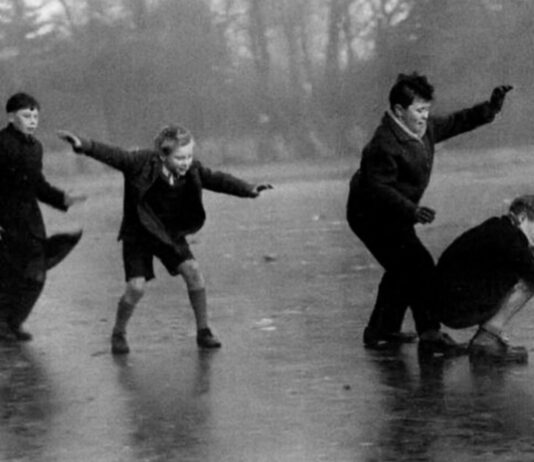
The land on which Cannon Hill Park now stands was once part of the extensive estates belonging to the Ryland family. In 1873, Miss Louise Anne Ryland, who was then living in Warwickshire, donated just over 57 acres of meadowland, which was part of her villa built on a...
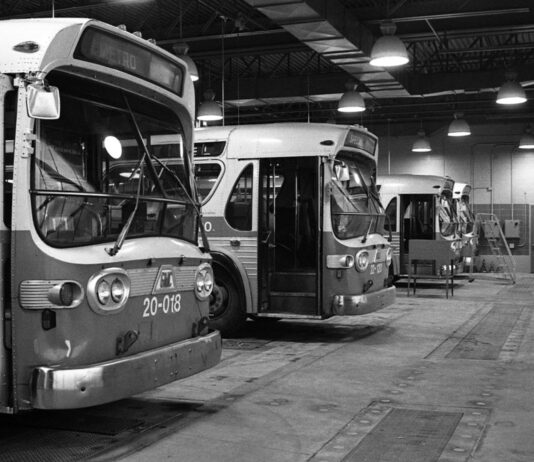
Sustainable transport in Birmingham includes an expanding electric bus network, the development of mobility centers with ultra-fast electric vehicle chargers and new green tourist areas to promote active travel such as walking and cycling. Residents and visitors can use an extensive public transport system, including buses and trains, to...
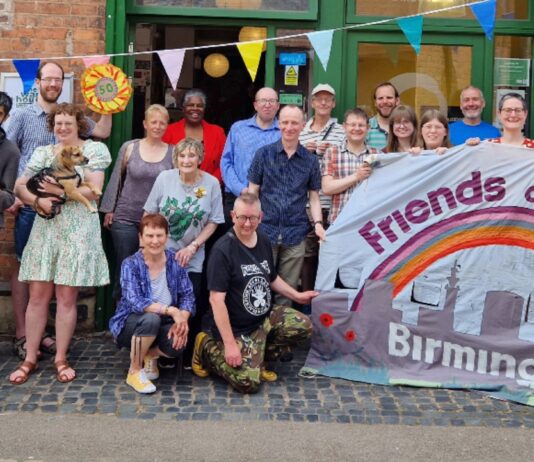
Birmingham branch of Friends of the Earth was established as an official, independent local group linked to the UK-wide Friends network, probably around the time the national organization was forming in the early 1970s. The local group has been based at The Warehouse since at least 1977 and has...
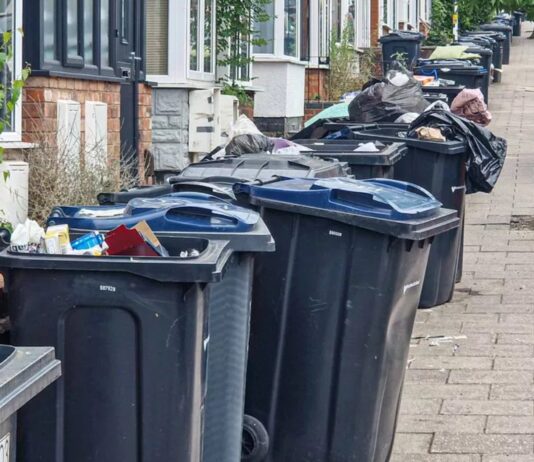
The modern history of waste processing in Birmingham focuses on two main types of facilities: waste processing plants for sorting secondary raw materials and waste processing plants for producing fuel or other energy, such as electricity. One such facility is the SITA waste processing plant on Lendor Street. Veolia...
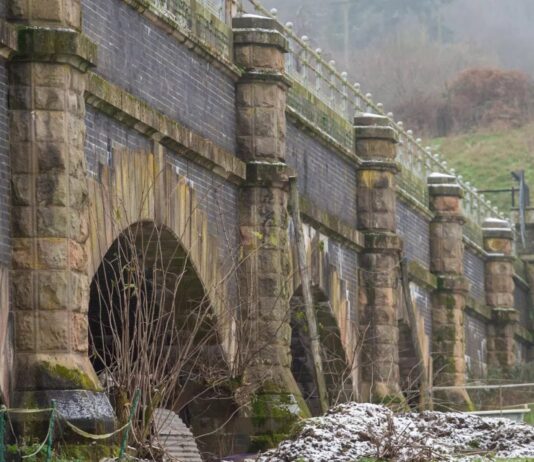
They say there is nothing better than tap water in Birmingham. It is not just clean, it is refreshing. It is no coincidence that it is consumed by over a million residents and visitors to the city. What's more, Birmingham water was once recognised as the best-tasting water in...