

Since its inception in 1879, the aim of the Birmingham Beekeepers’ Association has been to promote beekeeping and support beekeepers. The Association offers a wide range of activities for all levels of beekeeping, including beginner and advanced courses, courses for more experienced beekeepers, as well as talks, lectures and examinations. In addition, the organisation promotes beekeeping by giving lectures and demonstrating to the public, in various formats, the benefits of bees and their impact on the environment. All of this is done in order to disseminate valuable information and better understand the behaviour of bees, their role in the ecological system and the craft of beekeeping. For more information about Birmingham’s beekeepers, visit birminghamname.com.
Beekeeping in the UK
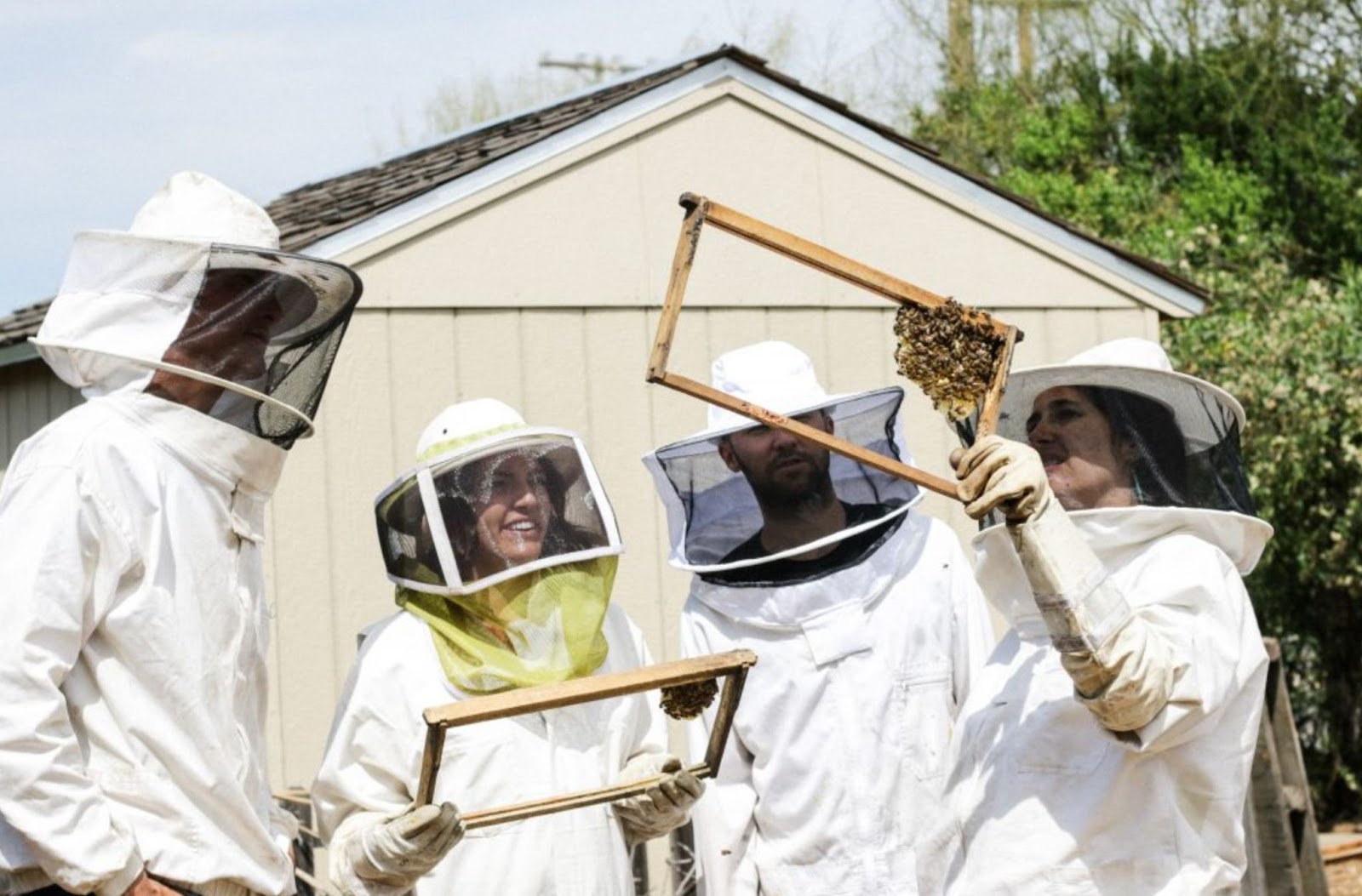
Beekeeping is one of the oldest human activities that brought people a delicious product that affected their health, was very tasty and a favourite product of mankind. Therefore, after some time, when people engaged in beekeeping, or simply put, were beekeepers, there was a need to unite in a public organisation that would unite beekeepers, promote the study and development of beekeeping by organising meetings and participating in events, and provide expert advice to both its members and the interested public.
In addition, the host organisation was to take on the responsibility of holding regular meetings of its members throughout the year. Another important reason for the creation of such an organisation could be the desire to share experiences, organise events such as fairs, beekeeping festivals in the summer months, and an annual exhibition as a highlight. Looking ahead, this is being held in Birmingham in September. It is an open exhibition, which is very much like a year-end review and a show-off, in the good sense of the word, of your achievements in the field of beekeeping.
It was under these slogans and for these reasons that the British Beekeepers’ Association was founded in 1874. One of the documents of the newly created public organisation stated that it would advocate the encouragement, improvement and promotion of beekeeping culture in the United Kingdom, in particular for the betterment of the peasants and agricultural labourers, as well as the protection of humanity towards the hardworking honey bees.
Establishment of the British Beekeepers’ Association
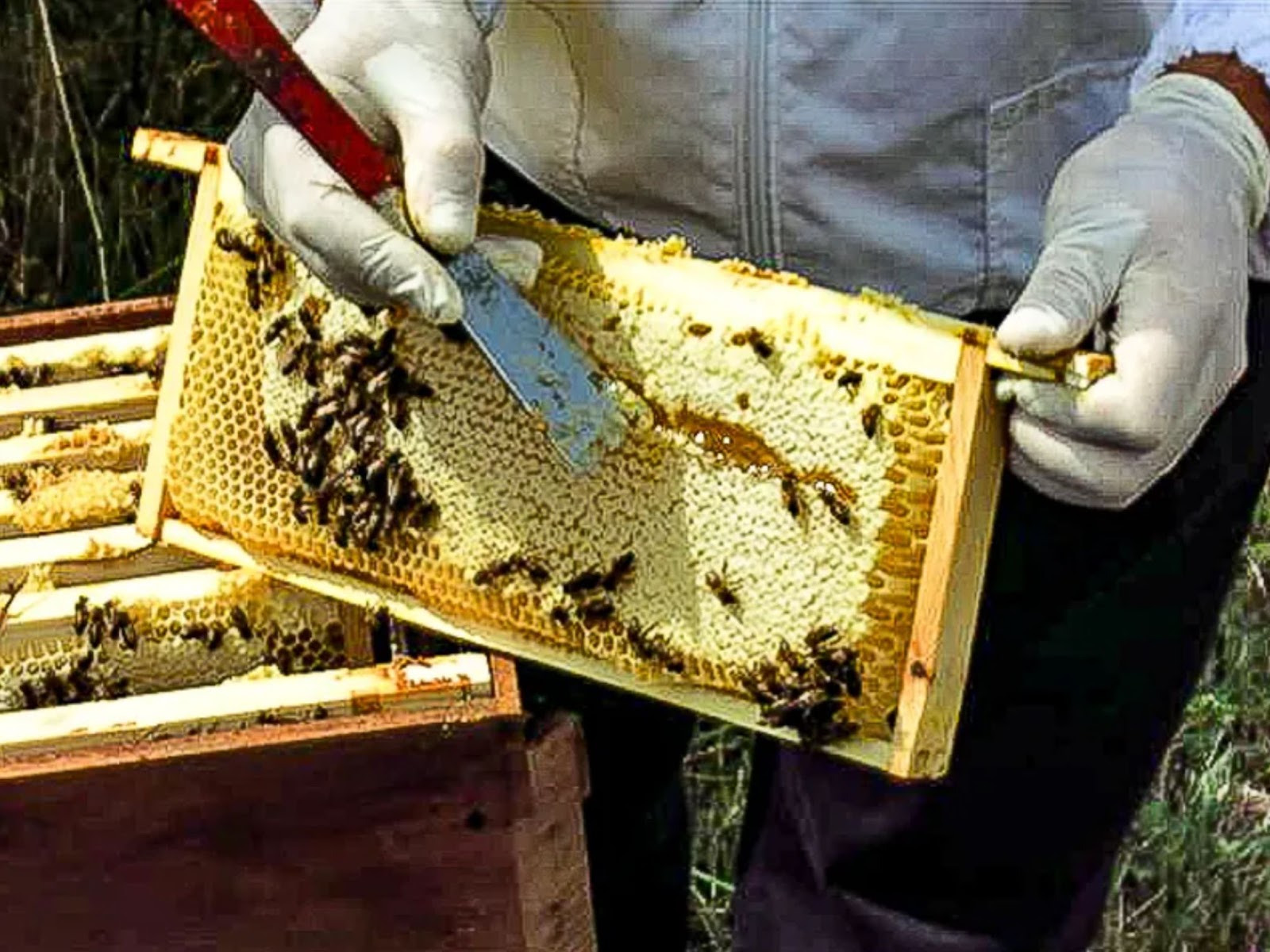
The organisation was founded as a London “beekeepers’ club”. Over the course of a decade, it has evolved into an organisation that addresses national issues. The first members of the British Beekeeping Association were the associations of Lincolnshire, Surrey, Devon, Exeter, Dorset and Shropshire. In 1879, the organisation began cooperation with the Royal Agricultural Society of England, although it did not move its headquarters to Stoneleigh until 1982.
In the same year, 1882, the British Beekeeping Association began examinations, focusing on the then-new methods of using mobile combs. The Technical Education Act of 1889 allowed it and county associations to receive grants for their beekeeping education work.
From 1895 and for many years thereafter, the organisation had disputes with many of its members and with the government over the control of American and European blight. This is a terrible infectious disease that affects bee colonies, affecting the brood of the bee family. Beekeepers were very controversial at the time, divided over the extent to which the central government should be involved in the fight against this and other bee diseases.
A decade later, there was considerable panic in beekeeping circles due to the significant loss of bee colonies caused by the acarinus mite. The symptoms of the disease that occurs after its infestation are also called the Isle of Wight disease. In 1922, as a result of the British Association’s lobbying, a bee research unit was established at the Rothamsted Research Station. All these activities were initiated by the Association and its members, and it was only in 1942 that the Ministry of Agriculture and Fisheries published the so-called Blight Order. It made all these bee diseases mandatory for reporting and inspection.
By 1943, separate national beekeepers’ associations had formed in Ireland, Scotland and Wales, leaving the All-British Organisation to represent beekeepers in England and Northern Ireland. The remaining associations demanded a more effective body to represent their interests. Therefore, in 1943, at a meeting of the Association’s Council, the chairman, deputy chairman and secretary resigned. In addition, the British Bee Journal, the official journal of the Association, ceased to exist from that time.
History of the Birmingham branch
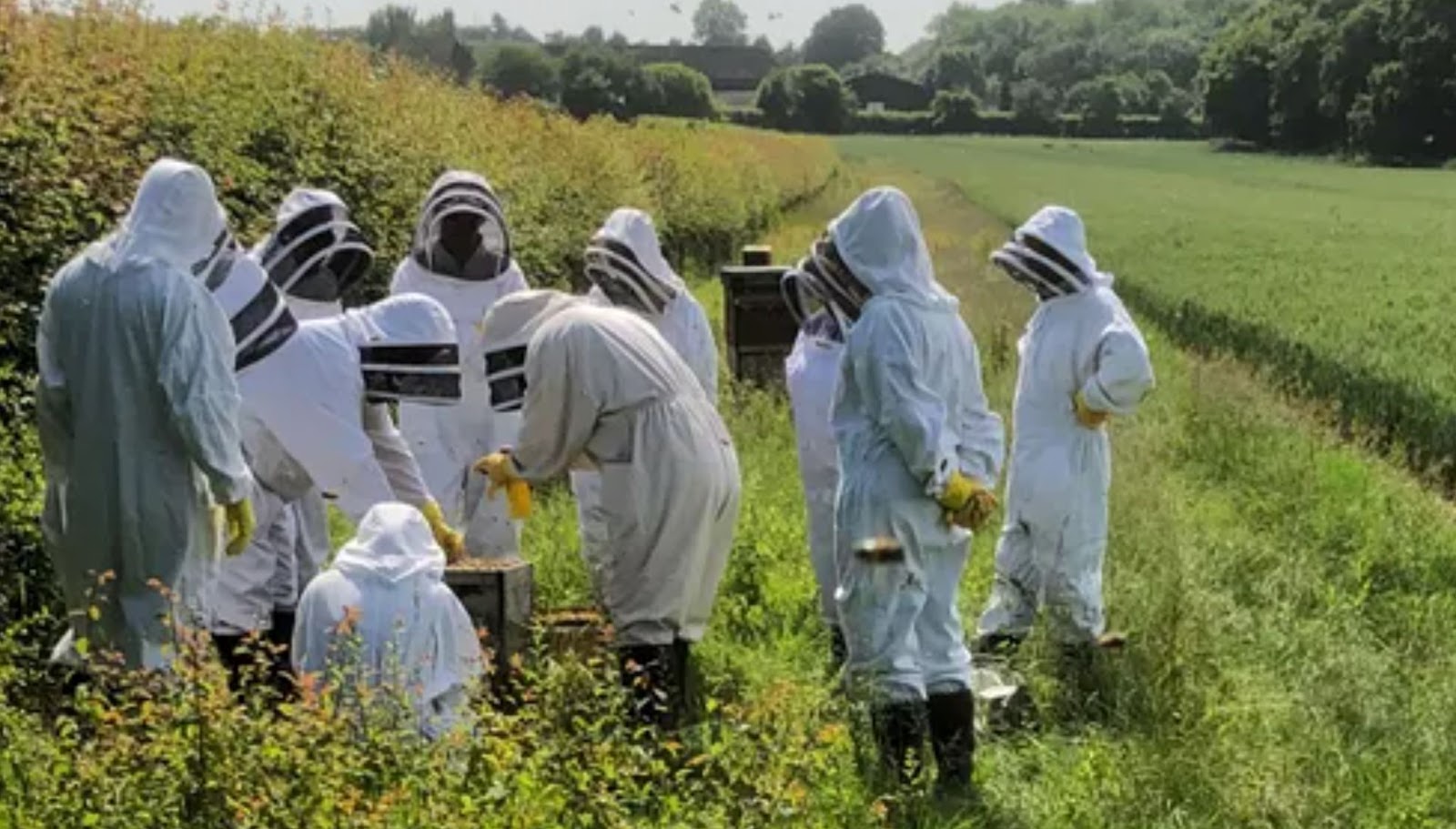
In 1879, the Midland County Beekeepers’ Association was established at a constituent meeting of beekeepers at the Grand Hotel in Birmingham. The history of its foundation is quite interesting and unconventional. In 1880, when the British Association decided to charge an entrance fee of 3 guineas, since the then association represented 3 counties, Birmingham did not hesitate to change the name of their organisation to the Warwickshire Beekeepers’ Association. After which, the entrance fee was to be only 1 guinea.
Over time, organisational reforms continued. Thus, in 1893, it was proposed to divide the county into districts. However, it was only in 1929 that the relevant rules were developed, and only in May 1931 that the Sutton Coldfield branch was established. It soon became known that the organisation had more than 250 members. Interestingly, the beekeepers’ meeting three years later, in 1934, was again attended by more than 250 people. It was also in 1934 that Sutton Coldfield changed its name to the Sutton Coldfield and North Birmingham Branch.
It is known that even after the Second World War, the branch had its own apiary behind a house on Clifton Road. Moreover, in 1964, a special fundraiser was held to open a new apiary for the association. And in the twenty-first century, in 2014, the organisation held an anniversary meeting dedicated to the Association’s half-century anniversary.
Declining interest in beekeeping
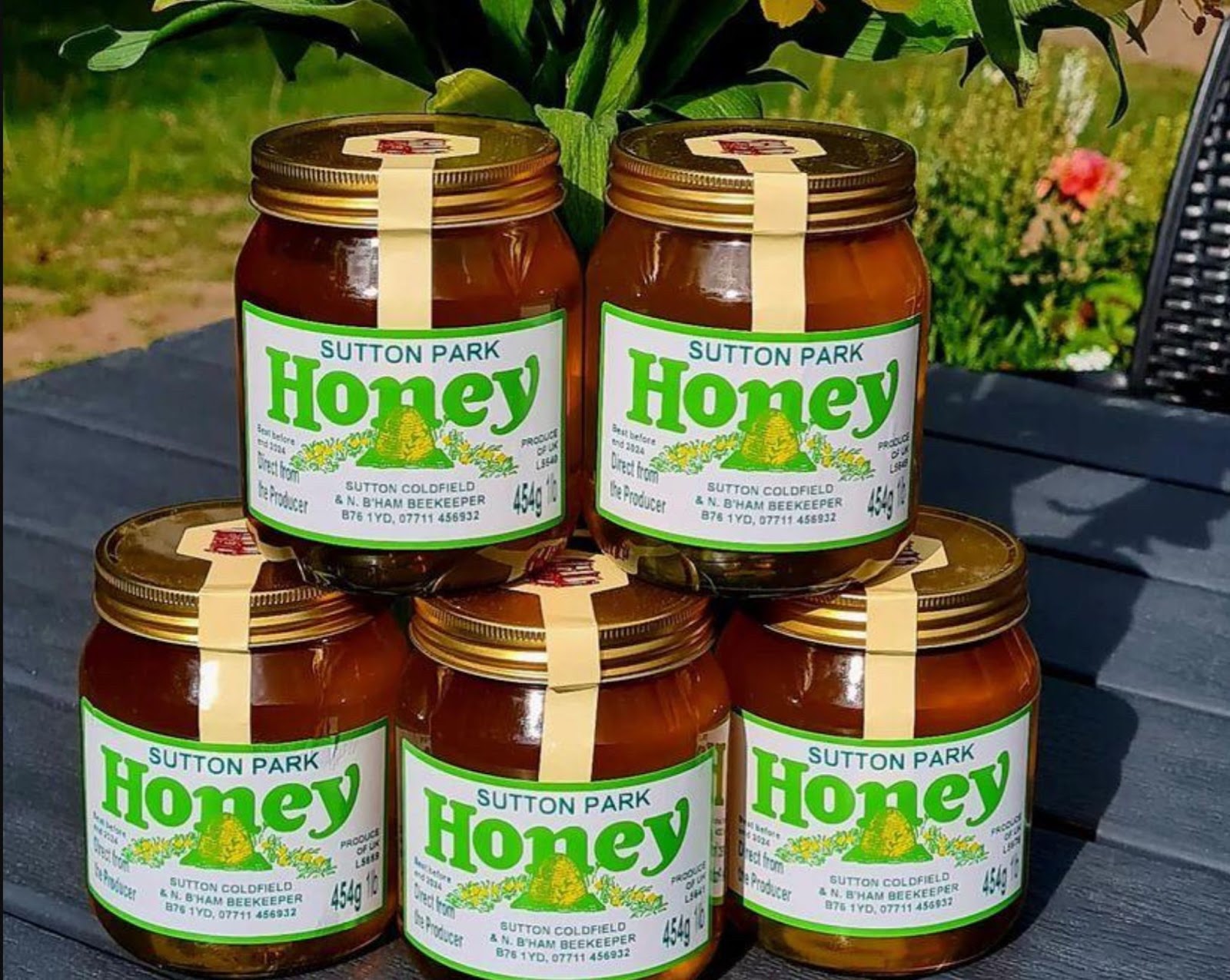
Since its inception, the Association’s goal has been to promote and develop beekeeping and educate the public about the importance of bees in the environment. With this in mind, the association’s apiary is a training resource for beginner beekeepers. In addition, the income from the honey produced allowed the Association to earn money. In addition, the Birmingham branch held meetings with beekeepers. They usually took place once a week.
In addition, from 1997 to 2007, the Sutton Coldfield and North Birmingham branches held a weekend “biennial” meeting. These were attended by beekeepers from the industry, the county and beyond, and also featured national speakers, which was popular with local colleagues. Despite the fact that the branch was quite active, by the beginning of the century, i.e. by 2000, the number of beekeeping members was steadily decreasing. This was a trend that was common across the UK. But at some point, a campaign of concern about the decline in pollinating insects began, which revived interest in beekeeping.
Sources: