

The Birmingham canal network is one of the most complex networks in the world. At its centre is the bustling city centre, the Gas Street Basin crossroads. It is home to colourful boats and historic canal architecture that sit unashamedly and seamlessly alongside lively, modern restaurants, cafés, and bars. The Basin is in the heart of Birmingham’s cosmopolitan nightlife and shopping districts. The main lines and canals in the city centre are filled with boaters, pedestrians, and cyclists. But it wasn’t always like this. As far back as the century before last, canals were built in Birmingham for very different purposes. Read more about all this at birminghamname.com.
The industrial revolution
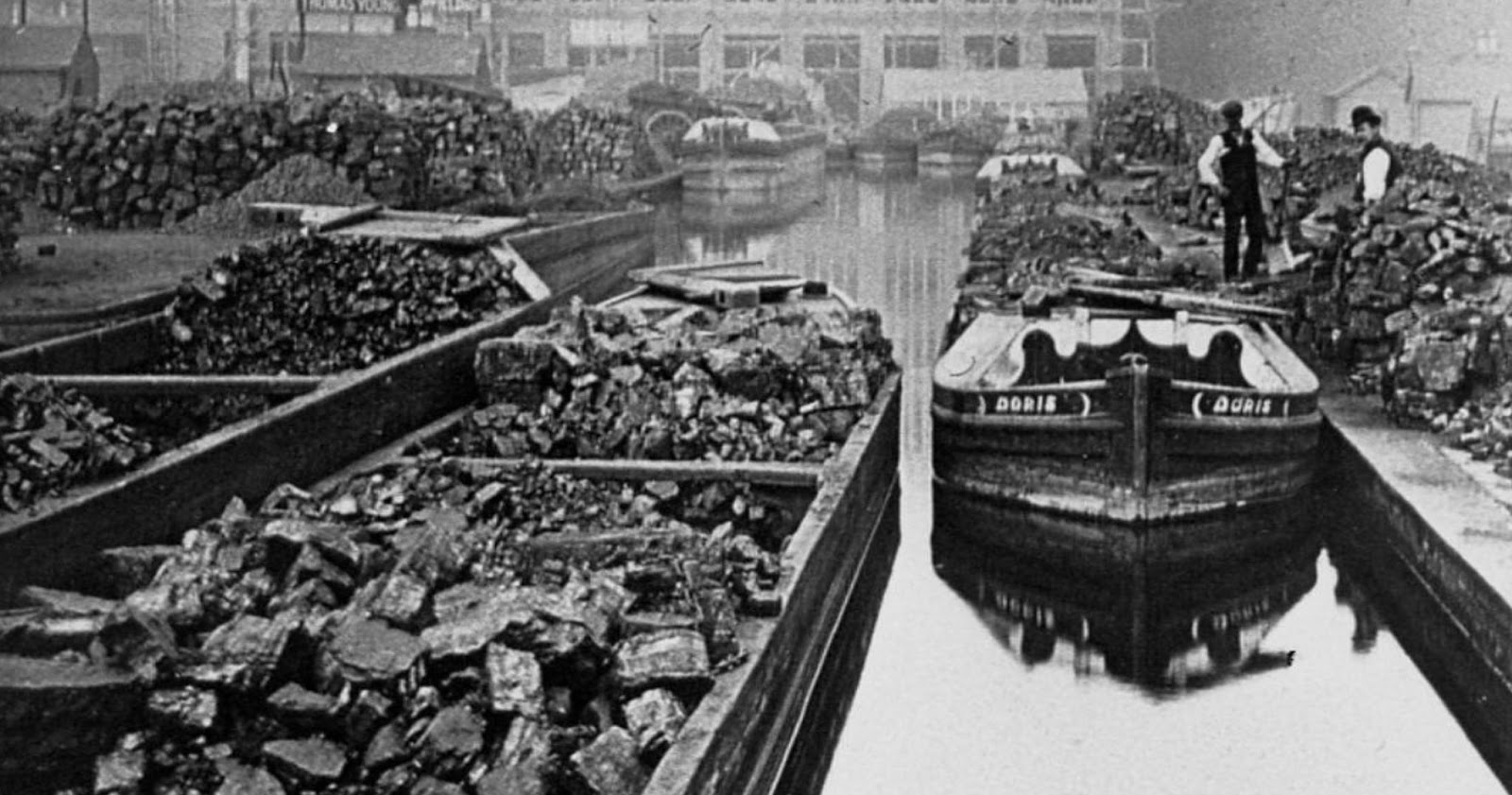
Birmingham has 35 miles of canals, which is said to be more than Venice. Nowadays, they are enjoyed by pedestrians, cyclists, and narrow boat owners who ply these artificial waterways. But these canals will always remind us that they were the backbone of Birmingham’s unique industrial history.
It was during that industrial revolution that the canals were busy waterways transporting coal, iron and other heavy goods. That is why they were built, after all. They played a crucial role in the economic development of Birmingham and the Black Country. Today, the Birmingham Canal Navigation consists of over 100 miles of canals. Some of the main canals that still run through the city are the Grand Union Canal, the Worcester and Birmingham Canal, the Stourbridge Canal and the Stratford Canal.
A bit of history. You see, Birmingham sits on a plateau about 200 feet above the surrounding countryside and was bypassed by those early canals that were intended to connect the Trent, Mersey, and Severn rivers as easily as possible. Then, at the start of the industrial boom, local merchants financed the winding 10-mile Birmingham Canal. It was intended to serve the local coal basins. This canal connected with the Fazeley Canal in 1784, which created the Birmingham Canal Navigation.
Overall, most of the canals were built in the 1700s and 1800s, and at its peak, the Birmingham Canal Navigation had over 170 miles of canals. One of the first waterways built was the Duke of Bridgwater Canal. It transported coal from the Duke’s mines 15 miles away to Manchester. Its construction was completed in 1761. Most of the engineering work was carried out, planned, and supervised by James Brindley, a miller by trade and one of the most prominent engineers of the eighteenth century. In total, he authored and worked on as many as six canal projects in the Midlands.
For 170 years, the canal system was in full swing. Towards the end of the nineteenth century, the tonnage of cargo transported increased, reaching 8.5 million tonnes in 1898.
Canal network
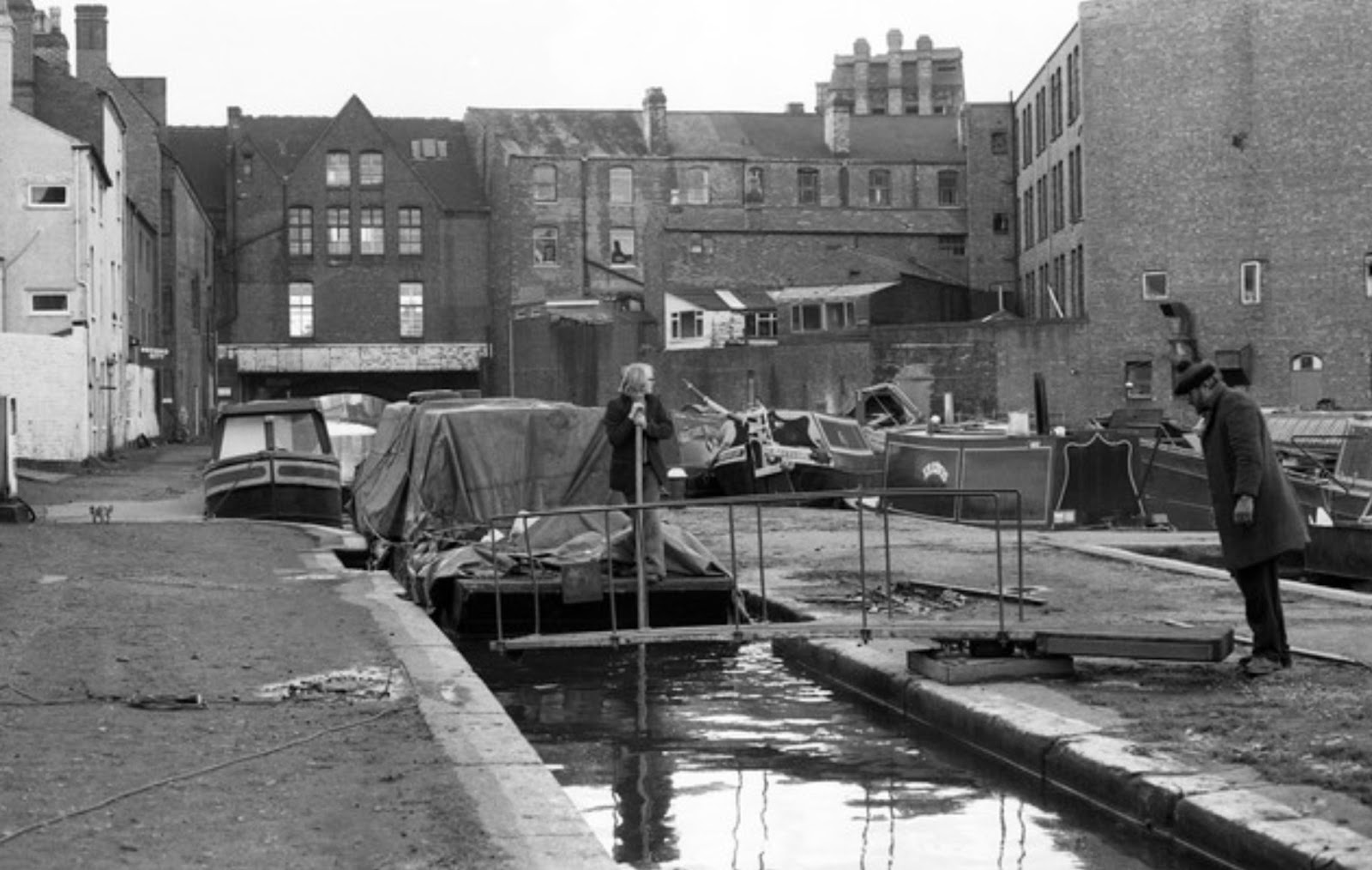
Canal building continued, with other canals being built, such as the Tipton Canal and the Riley-Essington Canal, and later the Thame Valley Canal. To ease congestion, a new main line was created to bypass the winding Birmingham Canal.12> Several other innovations were also implemented.
The Industrial Revolution developed very rapidly. It resulted in the construction of more than 180 miles of canals and 216 locks within 100 years. Even in those days, people used to joke that Birmingham had more canals than Venice. Birmingham really became the heart of a rather narrow canal network.
Even when the railway came later, it did not slow down the growth of trade via the canals. At the end of the nineteenth century, more than eight and a half million tonnes of cargo were transported by waterways per year. In those days, which is significant, canals and railways worked together. Their main task was to supply industry and the population of the Black Country. At that time, there were more than 40 basins where goods were transshipped. It was the local canals that served the riverside factories, and the railways that delivered raw materials and products across the UK and around the world.
Although canals were profitable at the time, they were not cheap to build and maintain. In the 1820s, Thomas Telford was hired to oversee Birmingham’s canals. He was to inspect those with serious maintenance problems in particular. As a result, Telford proposed a major overhaul of almost the entire system. The main task of the repair was to straighten many of them.
Commercial decline
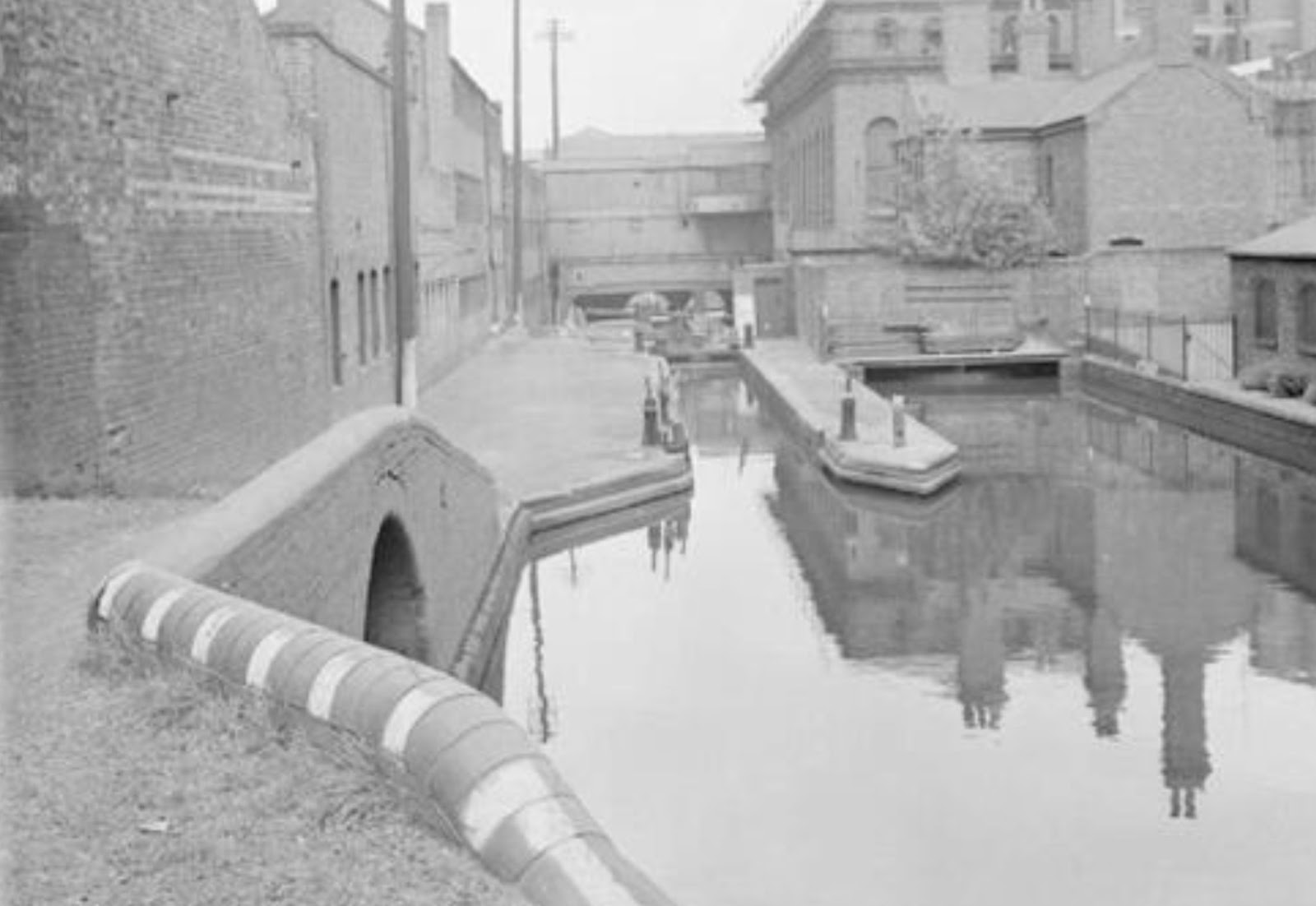
Since the canal industry was already in decline at that time, as the development of railways and road transport took over the transport of goods over long distances, the use of canals was significantly reduced. Over the years, the canals fell into disrepair. However, many of them have been restored and their surroundings have been enhanced with parks, housing and many stunning modern developments, creating vibrant areas with shops, restaurants, bars and other entertainment. The decline of the canals’ commercial appeal in the mid-20th century led to 54 miles of canals being closed. By 1980, all commercial traffic had ceased.
But the rest of the network continued to operate, successfully surviving to this day. They remain an interesting area to explore, full of industrial heritage, tunnels, flyovers, factories and warehouses. Birmingham is trying to maximise the potential for regeneration of space and life. Some canals bring a nostalgic touch to the heart of urban areas, especially after some stunning developments have been built along their banks.
The Birmingham Canals run by boat through the heart of the vibrant city of Birmingham. Rumour has it that Birmingham still has more canals than Venice today, providing a network for pleasure boats and a hub for a mix of residential developments, shops, restaurants and cultural attractions.
Birmingham’s canals also form an extensive network of waterways in and around the city. They are a fascinating blend of history, industry and leisure, serving as both a reminder of Birmingham’s industrial heritage and a vibrant centre for leisure and tourism in a modern city.
New life
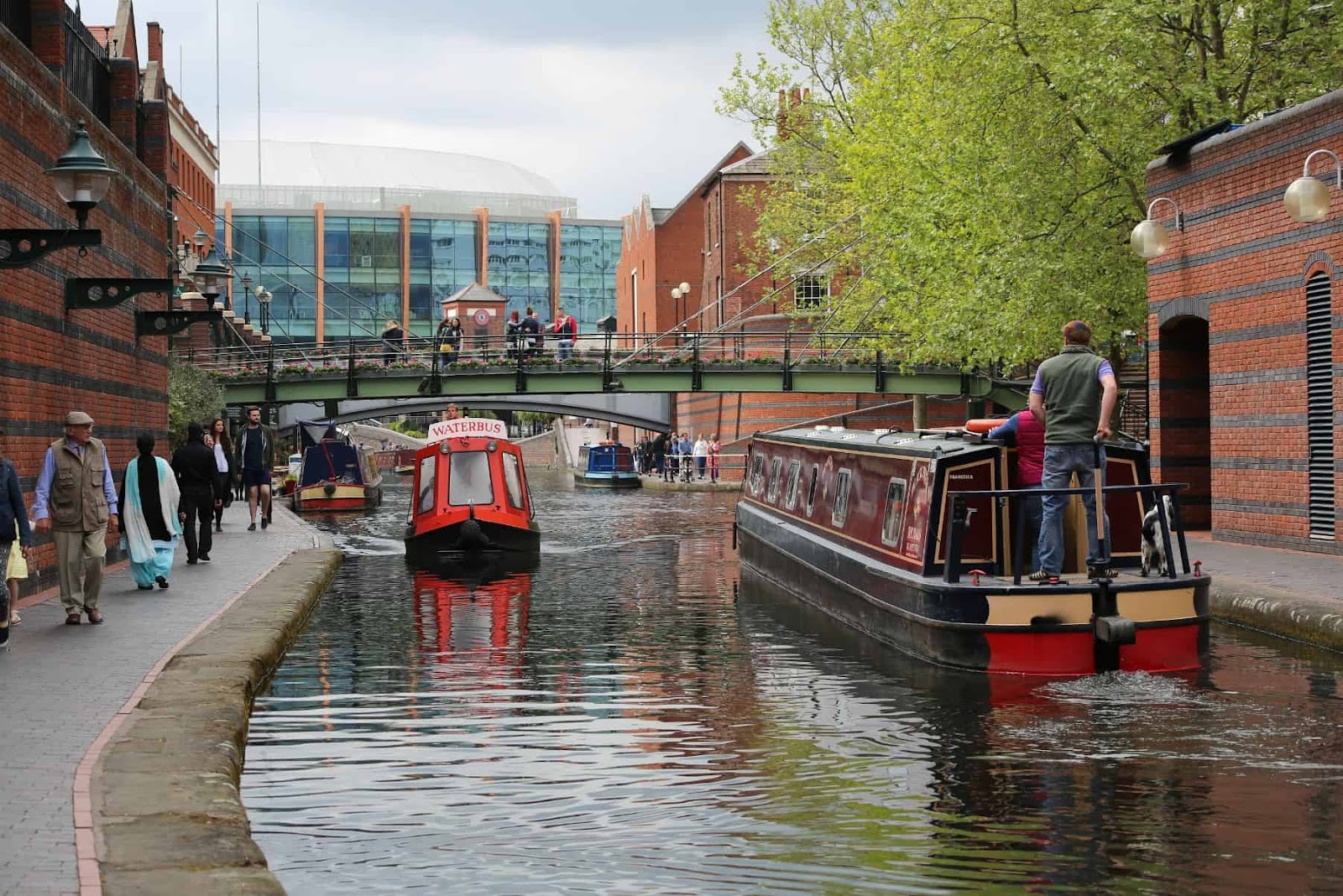
Birmingham’s canal network is one of the most extensive in the United Kingdom, covering more than 160 kilometres of navigable waterways. It consists of numerous interconnected canals. Boaters come back year after year to explore more of the hidden nooks and crannies of the Birmingham Canal Network.
In addition, some of the canals skirt the countryside, and this is not an industrial area. It’s beautiful scenery, clean air, and almost untouched nature. You can travel along such canals as the Rushall, Wirral or Essington. The latter has a name for it among boaters. They call it the “Curly Whirlpool”. This is because of its winding route. Once one of the busiest parts of Birmingham’s canal network, transporting coal from the surrounding mines, it is now one of the greenest and most tranquil
In recent years, Birmingham’s canals have undergone significant regeneration, transforming former industrial areas into vibrant riverside locations where locals and visitors alike love to relax, stroll and spend time in peace and tranquillity.
Sources: