

For centuries, the Black Country has been known for its mining industry, which has given the region a reputation for being rich in minerals. The blackened and scarred landscape, which was created by the large amounts of smoke and smog from the industries that filled the air, earned it the nickname “black by day, red by night”. However, mining and quarrying were crucial to the Midlands’ economy. After all, a wide range of minerals have been found in this region. Read more about it at birminghamname.com.
An excursion into history
A striking example of underground wealth is the so-called famous Staffordshire Seam, a single coal seam whose thickness is over 10 metres. It was this seam that lay under most of the Black Country. It was considered to be the most powerful coal seam not only in the Midlands, but in the whole of the UK. As a result, it became the largest energy resource of the Industrial Revolution.
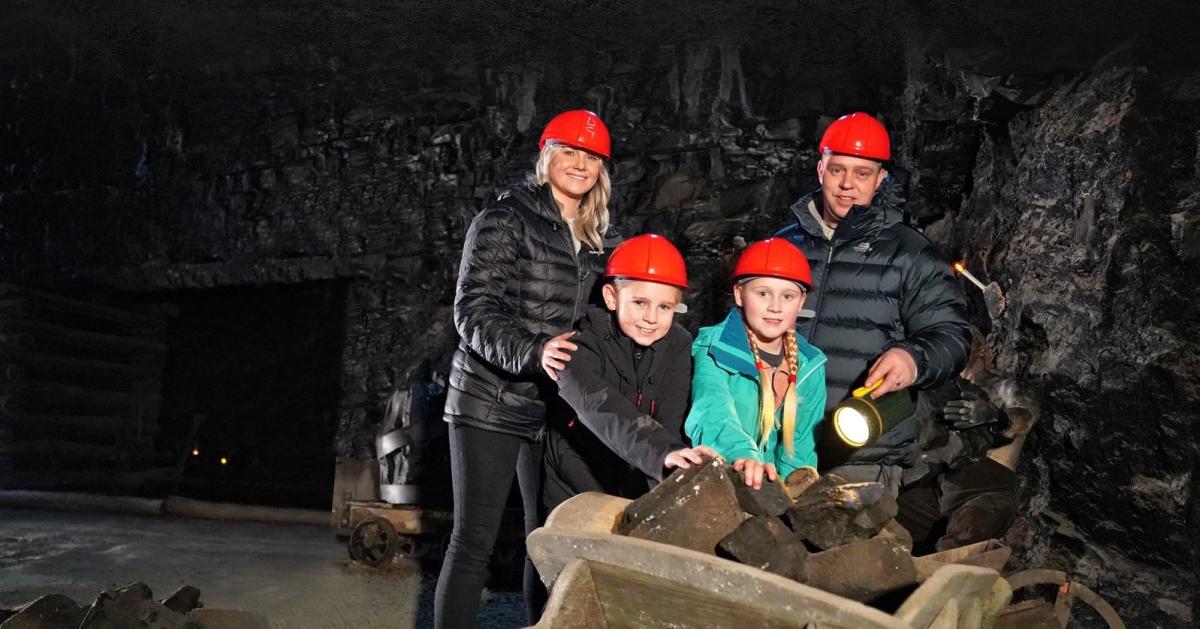
Today, coal is not the main source of energy, as it was in the nineteenth and early twentieth centuries. But in the Black Country, people remember those times and preserve the memory of them. There are recreated small coal mines in the Black Country. When visitors go down underground, they can experience first-hand what the miners of those times felt when they had to dive into the darkness, walk along the paths and work zones in the Black Country.
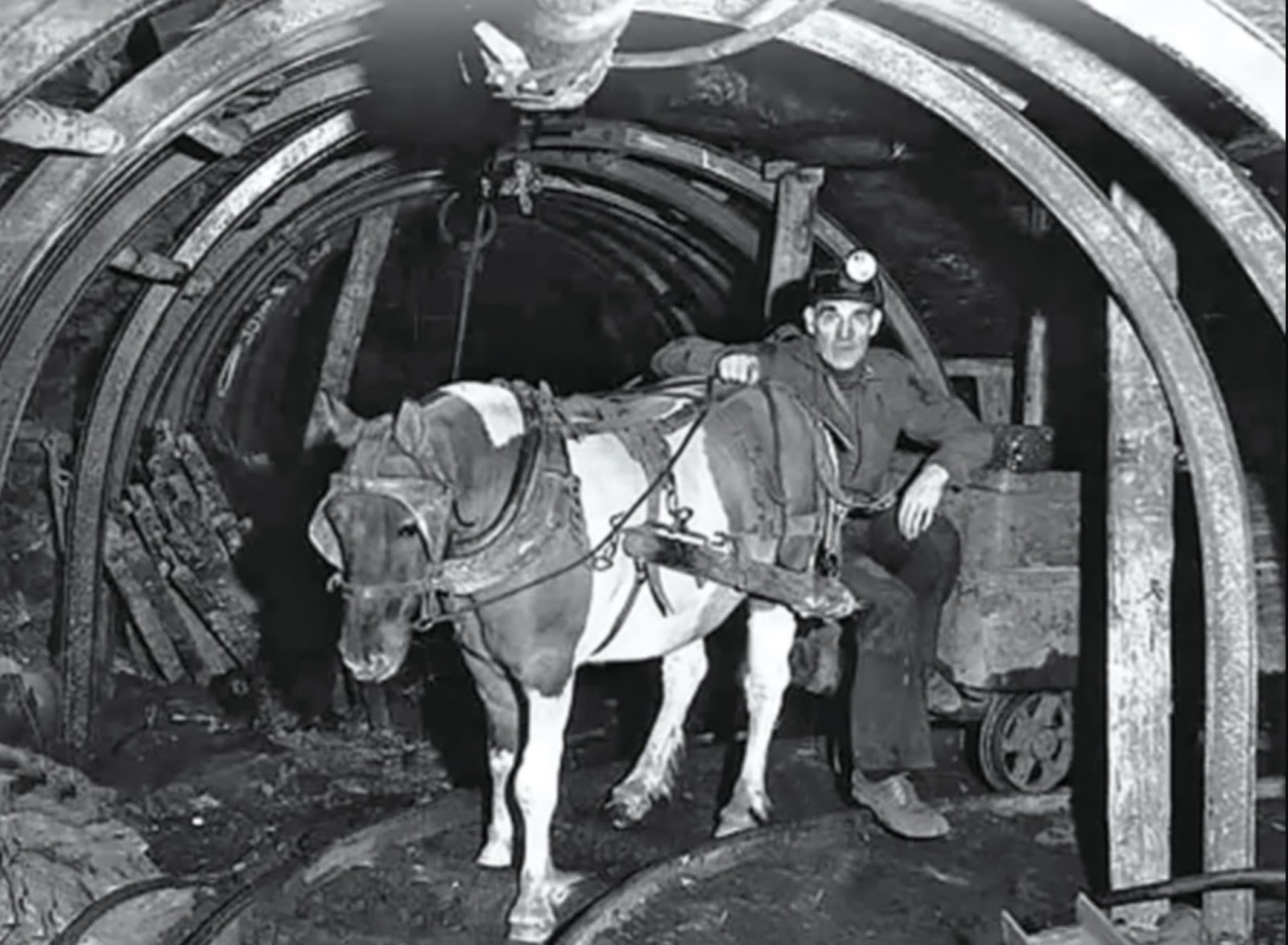
Visitors to these mines learn how the work was done, how wooden supports were used to support the ceiling and prevent cave-ins, and are confronted with the harsh reality of the hard work that was done in the mid-nineteenth century. To make this reality more acute, such mines usually offer audiovisual augmentations that broadcast sounds and bring to life the feelings that accompanied the miner during his work. From the tapping of picks to the grunting of a miner’s pony to the rumble of a nearby cave-in.
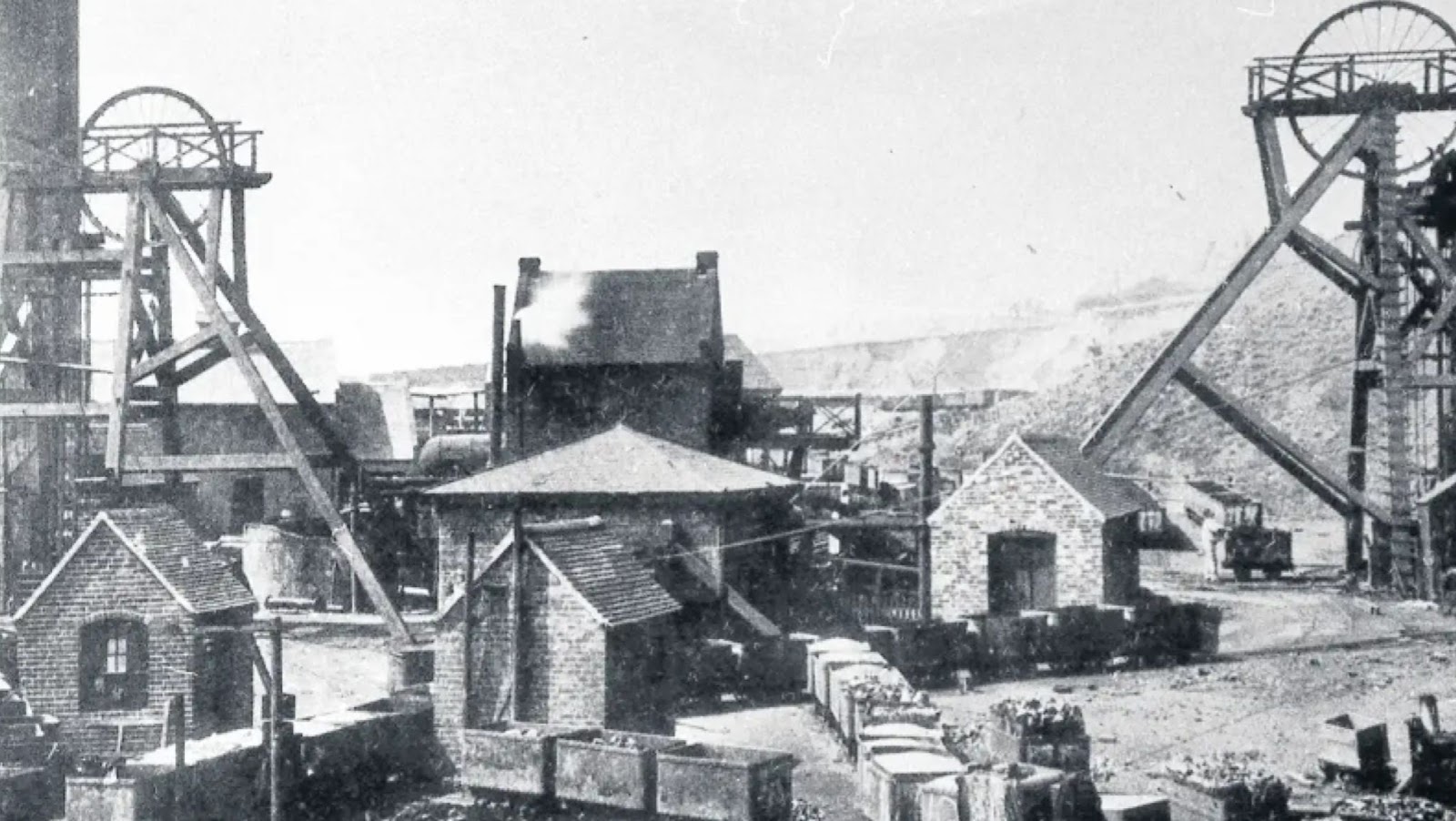
Once above ground, visitors can also view the above-ground equipment needed for mining. This includes the engine that lifts miners to the surface, the wooden frame of the mine, the steam engine for lifting coal, the forge, and the miner’s hut where tools are stored. Their work clothes are dried. We cannot but mention the office of the mine manager, who checked the weight of the mined coal every day using a weighing platform.
The coal mining period
The fact that there are such islands of memory once again emphasises the importance of those underground deposits that contributed to the Industrial Revolution and the prosperity of the Black Country, Birmingham, and the whole of the UK.
To understand what these subsoil deposits were and still are rich in, we should start with ancient times. In the Carboniferous period, the area lay on the southern edge of the Pennine Basin, to the north and north-west of the Welsh-Brabant Uplands. The Westphalian coal massif lies on rocks of Cambrian to Devonian age. The sandstones, mudstones, and coal were deposited in deltaic and lacustrine conditions.
The coal seams were relatively thin in both South Staffordshire and Warwickshire, but they included hard coal, which was of great economic importance. Iron ore and refractory clay were also mined here. Instead, the Halesovenka Formation includes fine coal, indicating a return to wet deltaic conditions.
As a result, the mineral resources in the area are exploited for many purposes. These include sand, gravel and crushed stone for construction, clay for bricks, tiles, and pipes.34 Of course, coal has been mined for energy, and iron ore for iron and steel. Limestone was also mined for flux and agricultural purposes.
Sand and gravel have previously been mined in the area, both from surface deposits and from bedrock in the Sherwood Sandstone. However, recent developments are limited to alluvial and river terrace deposits and glacial-fluvial sand and gravel in the east of the area.
As for iron ore, it occurs as nodules or thin layers of iron carbonate siderite. Many types of iron ore were mined here, in different quantities and at different mines. The Gubbinsky ironstone was the most widely mined layer, yielding up to 40% of metallic iron, but its extraction ceased in the early 20th century.
Coal and its associated refractory clay and ironstone seams have been mined in the South Staffordshire Coalfield since the Middle Ages. Although the most recent underground mining at Sandwell Park, Heath Pits, and Hamstead, located east of the Eastern Limit Fault, ceased in the early 1960s. In recent years, coal has been mined at depth along the western edge of the Warwickshire Coalfield from the Dexter, Kingsbury, and Doe Mill collieries. Development was restricted due to the areas that had been excavated.
The legacy of mining
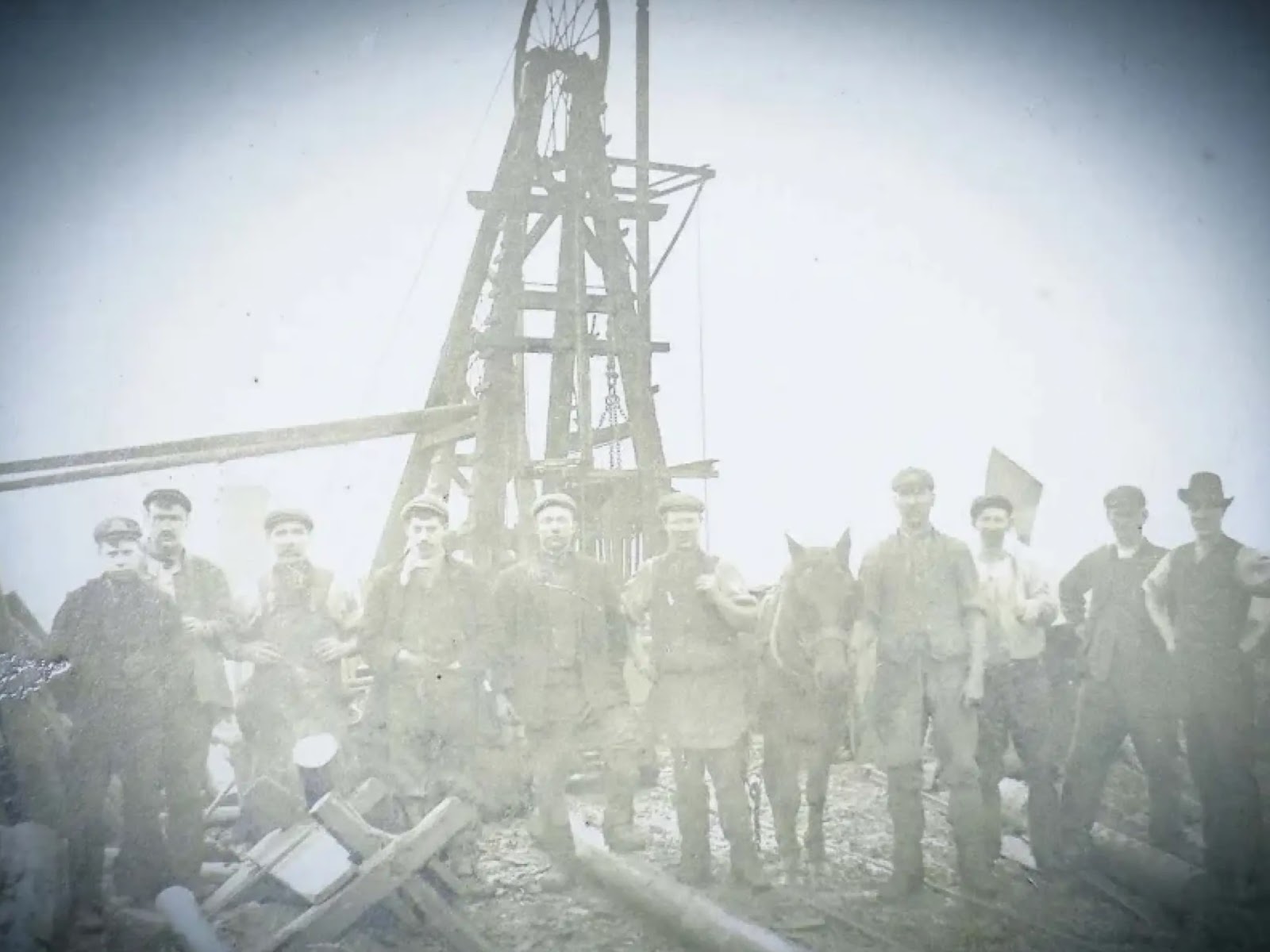
In general, the long history of coal-based mining over several centuries has left a legacy of shallow workings, shafts, adits, and pits that pose problems for land use. Hazards include mine subsidence, mine collapse, flooding, groundwater contamination, gas accumulation and poor foundation conditions. A wide range of mining methods, including bell pits, pillars and stables, square workings and longwall, and variable workings depths, pose different engineering challenges.
The longwall method tends to be more predictable and its extent is better documented than the others. Mine gases, such as methane, carbon dioxide and carbon monoxide, can accumulate in any cavities left behind after a mine collapse. It typically migrates through faults, shafts or permeable strata, and rising water tables can put pressure on the gas and cause it to leak to the surface.
The options for the location of the pits were quite limited due to the nature and distribution of the reservoirs, and the pit mining could and did have a negative environmental impact, in terms of noise and dust. Many quarries and pits were later filled in, others are partially filled and degraded, some are flooded, but there are some that remain open. The resulting steep slopes associated with excavations can pose a risk of landslides and create problems related to waste dumping.
Mining at a local university
Developed mining has left its mark on all aspects of the region’s life. Naturally, the local university, the University of Birmingham, has a mining department. The first years of studying at this faculty were led by Professor Richard Augustine Studdert Redmayne, a professor of mining and head of the Department of Mining Engineering from 1902 to 1908. During his tenure, Redmayne sought to promote the institution as a means of training engineers rather than an apprenticeship system.
Thus, under his leadership, the university became the first in the country to house an ore dressing laboratory and, of course, a model underground coal mine. Redmayne was also an ardent advocate for strengthening safety procedures and improving working conditions in the hazardous environment of the coal mine.
Sources:
- https://visitbirmingham.com/blog/post/underground-mine-experience-invites-visitors-to-go-into-the-thick/
- https://www.birmingham.ac.uk/news/2025/from-minerals-to-the-moon-mining-the-future-at-the-university-of-birmingham
- https://webapps.bgs.ac.uk/Memoirs/docs/B01604.html#:~:text=Coal%2C%20ironstone%20and%20fireclay%20have,the%20wealth%20of%20the%20region.