

Birmingham does not have a metro in the traditional sense, but it does have a network of high-speed trams, or, as the locals call it, Stadtbahn, called the West Midlands Metro. This line connects Birmingham with Wolverhampton, passing through other cities in the region. It was opened in 1999. In general, rail transport in Birmingham has been operating since the mid-19th century. Read about all this and the impact of Stadtbahnen on the environment at birminghamname.com.
The history of one station
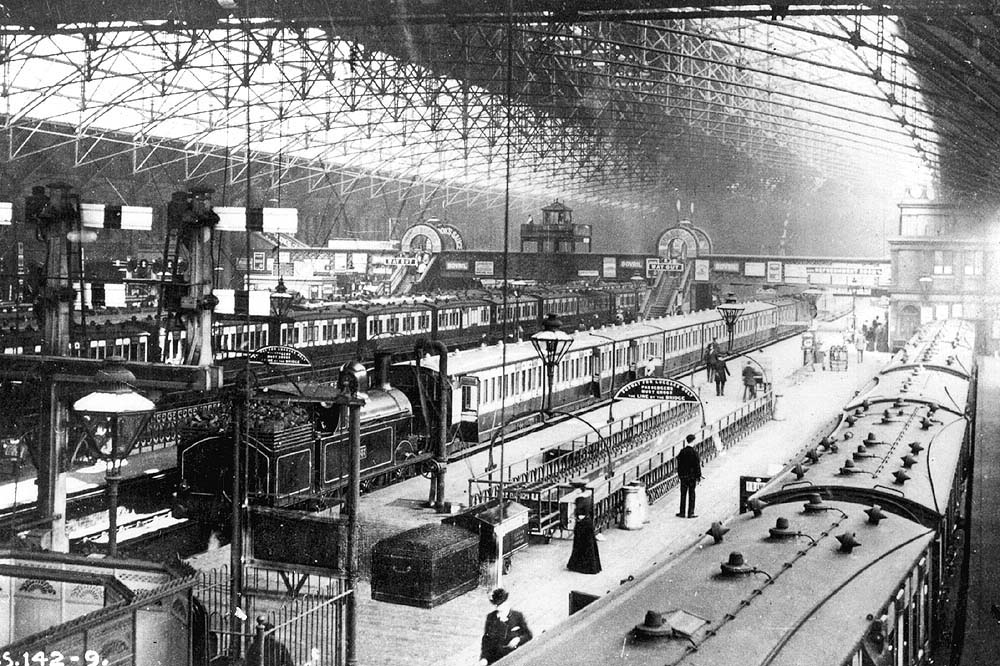
In the beginning, Birmingham was the terminus of the first intercity railway from London to the north. At that time, demand for railway services was constantly growing. This led to the construction of the largest station in the country in the 19th century. We are talking about Birmingham’s key station, New Street.
Opened as a temporary terminus for the London and Birmingham Railway, New Street Station actually opened in 1854 and was shared by the London and North Western Railway and the Midland Railway. However, over the last few decades, the place has undergone a radical reconstruction and is now unrecognisable.
In those days, when the majestic Queen’s Hotel stood in front of the station, the entrance to the platforms was from Queens Drive above. There were two depots, a turntable and several signal boxes. As is well known, one of the reasons for the station’s reconstruction was the Second World War, when German bombing partially destroyed the old part of the station.
Accordingly, in the 1960s, a decision was made to completely rebuild this place, moving the station underground. In fact, a concrete deck was built above the platforms, supported by 200 columns. The Pallisades shopping centre was located on this deck. Unfortunately, or perhaps fortunately, along with the old station, its former appearance was completely destroyed. We are talking about the Queen’s Hotel and so on. Kenneth J. Davies, a planner for the London Midland region of the company British Railways, designed this second New Street station.
First reconstruction
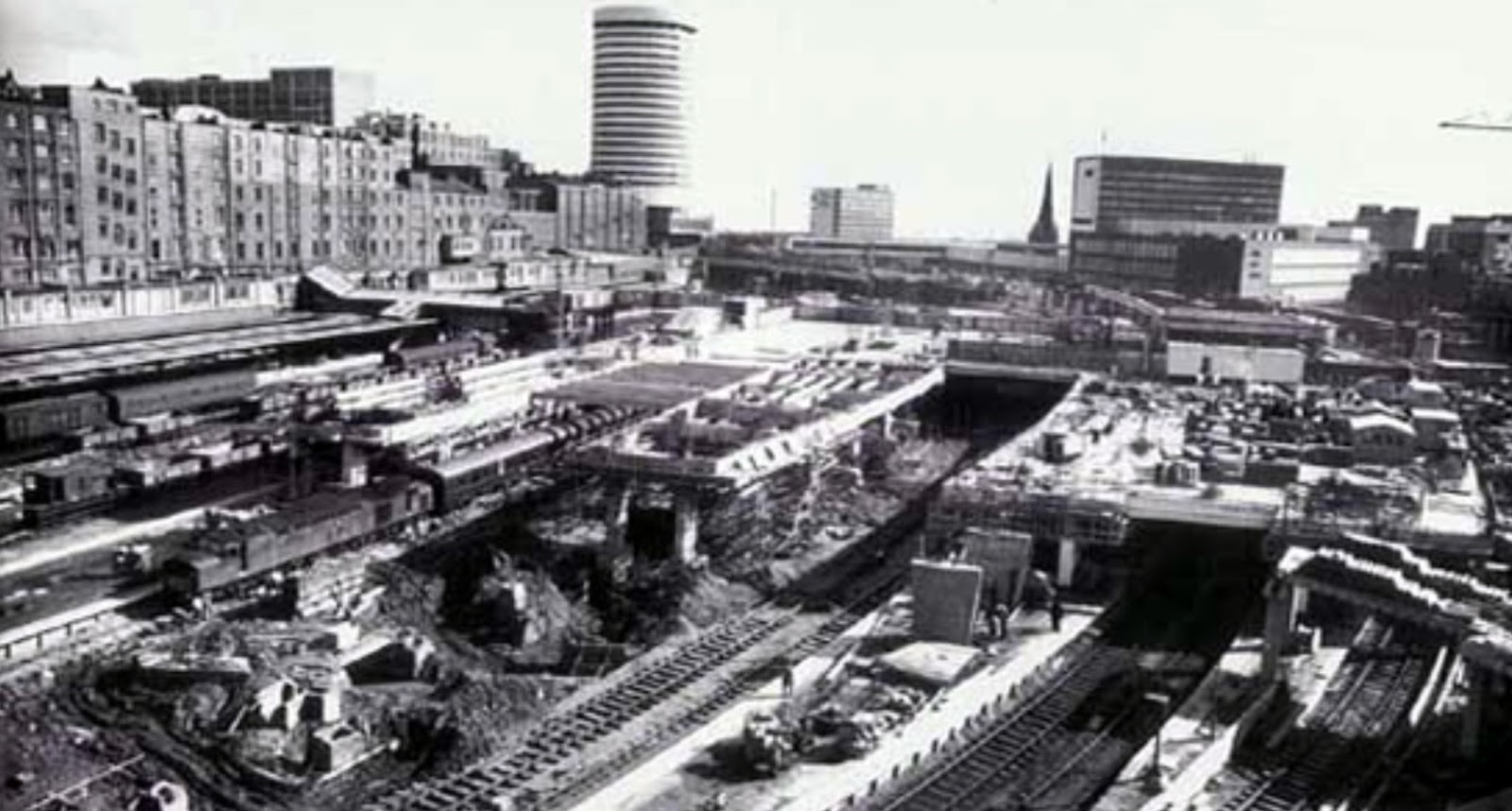
The new station had 12 through platforms, and the inner ring road was connected to the station at deck level, instead of passing through the center via Queen’s Drive. The project also included Stevenson Tower, a 20-storey office and residential block. The new station opened in 1967, coinciding with the electrification of the line between Birmingham and Euston.
After the reconstruction, Birmingham New Street station faced numerous criticisms. It should be noted that more than 140,000 passengers use it every day, which is more than twice the planned capacity, making it the busiest station outside London.
In 2006, Network Rail announced a regeneration scheme for New Street. Work began in 2010. Along with the station’s redevelopment, the shopping centre above it was modernised and reopened as Grand Central, including a new John Lewis department store.
The redevelopment was completed in 2015. The new concourse is three times larger and is surrounded by a giant atrium. All this has provided natural lighting throughout the station. This transformation has improved passenger services, speeded up connections to and through the city centre, and boosted the local economy. It has also helped to minimise the impact on the environment.
West Midlands Metro
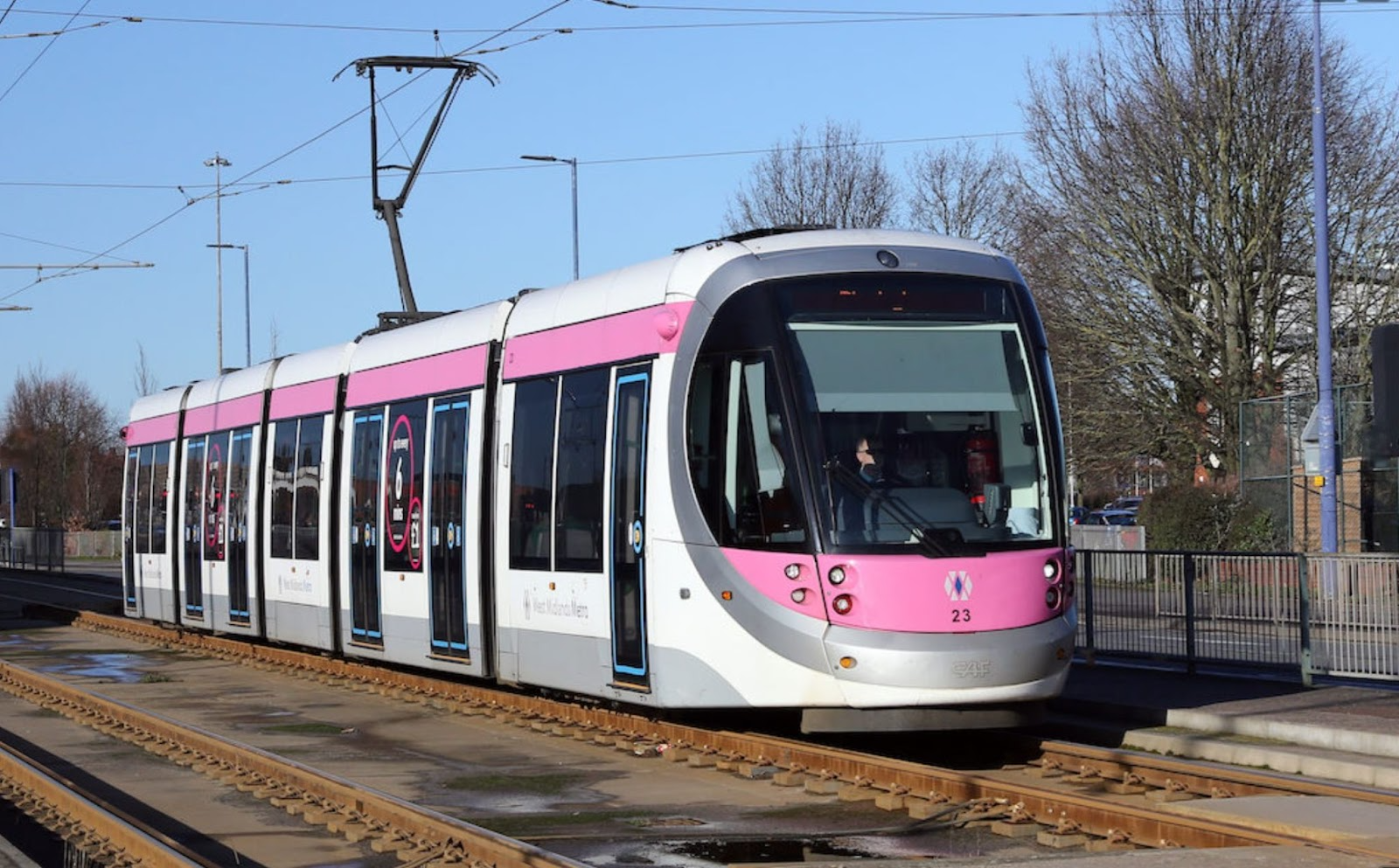
This is how rail transport began in Birmingham. Today, the city is served by the West Midlands Metro, a new generation light rail system in the United Kingdom. Its trains run through the streets of the city. This line was opened to passengers on 31 May 1999. It is 20.4 km long, connects Birmingham Snow Hill station with the centre of Wolverhampton, and became the predecessor of the West Midlands route network. Incidentally, such a route was first proposed in 1984 by the region’s transport authority.
It was not the main route in the network plan, but strong resistance from residents to other options made it a priority, as it ran mainly along a protected railway structure that had last carried passenger trains in 1972. The route was approved in 1988, but delays in funding and permits for its implementation delayed the official start of construction until 1995.
However, it is known that some work on bypassing utilities had already been carried out earlier. During the construction of the first line, proposals for the network were rejected in favour of expanding it in small sections, but the first of these extensions was not opened until 2015.
The first line was developed by the Altram consortium on a design, build, operate and maintain basis. The consortium included main contractor John Laing, Italian tram manufacturer Ansoldo/Firema and bus operator National Express. Subsidiary Travel Midland Metro held the operating concession.
The initial fleet consisted of 16 Ansoldo/Firema trams, which allowed for a service frequency of up to 10 trips per hour. In 2014, these were replaced by a fleet of 21 new CAF trams, providing the necessary additional capacity and anticipating the need for vehicles for future expansions. The system’s headquarters and depot in Wednesbury were significantly expanded in parallel with the delivery of the new fleet.
The new Midland Metro alliance, comprising Colas, Barhale, Bouygues UK and Auctus Management Group, was appointed to deliver a series of approved network extensions. This includes in Birmingham, an extension to Edgbaston, and a new route east of the city centre to serve the HS2 station and Digbeth area.
Meanwhile, there have been some changes in local government structures across England, and specifically in Birmingham, which have led to the creation of West Midlands Combined Authority, which, among other things, is responsible for transport. At the end of June 2018, this authority took over the management of the metro, replacing Travel Midlands Metro after the latter’s contract expired.
The goal is a sustainable environment
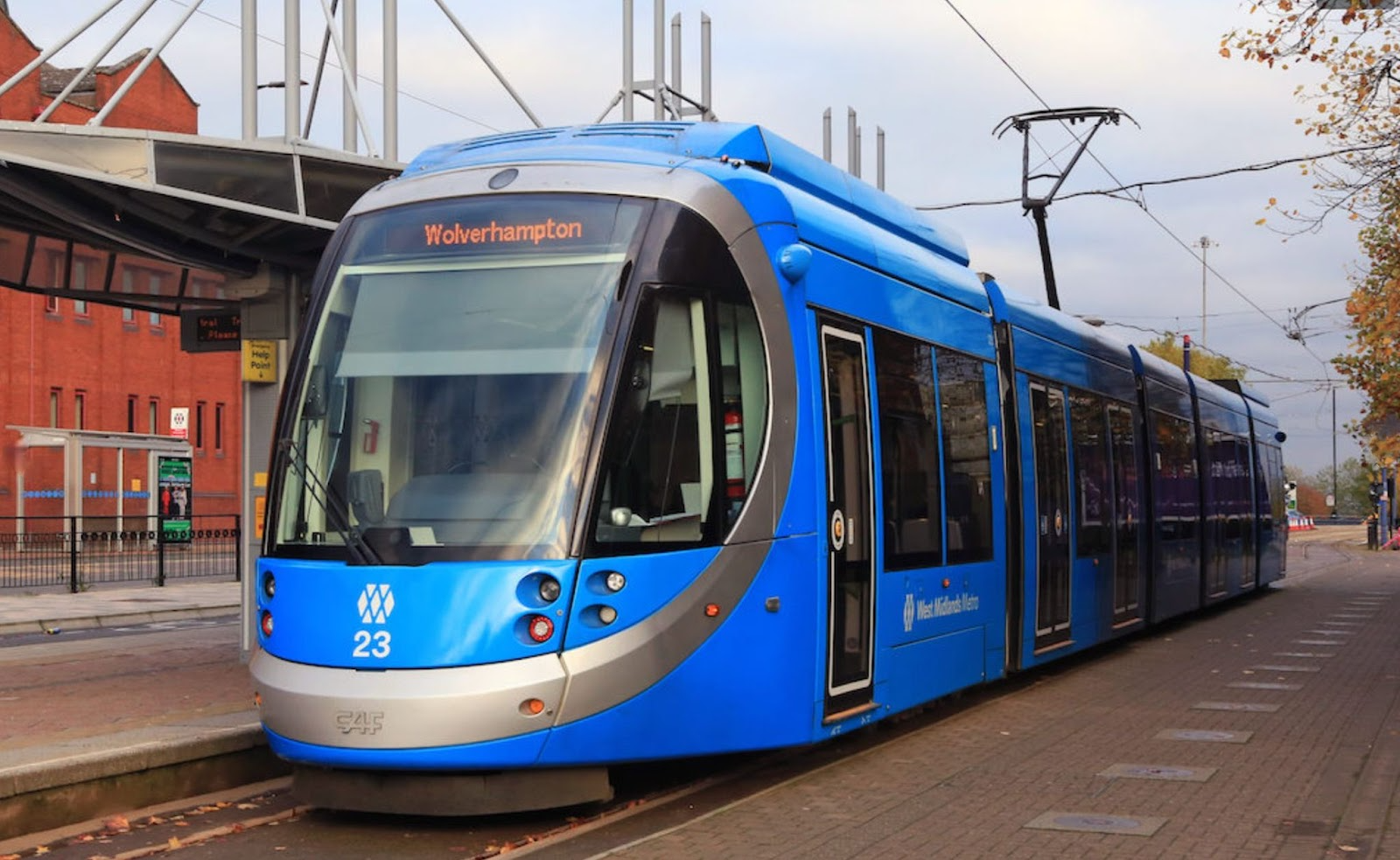
After that, a corporate style for carriages was developed for those types of transport controlled by the Joint Authority, with blue being chosen for the trams that are now called West Midlands Metro. It was on this line that the use of contact wires was abandoned for the first time, and once and for all. Here, preference is given to battery-powered trams, which, of course, were modernised specifically for this fleet.
The current reality is that West Midlands Metro has become a sustainable public transport system designed to reduce the environmental impact of urban transport by minimising dependence on road transport. This is known to be a major source of air pollution and greenhouse gas emissions.
And although the construction or modernisation of a metro system may temporarily increase noise and air pollution, the completed system offers significant environmental benefits by shifting passengers to a lower-emission mode of transport. This will contribute to improved air quality and a more sustainable urban environment in the long term.
Sources: