

The Birmingham Wildlife Conservation Park, formerly the Birmingham Nature Centre and even earlier, the Birmingham Zoo, began its journey as a small menagerie often called “a little gem among zoos.” It was opened on May 1, 1964, by the Dudley Zoological Society in Cannon Hill Park. Interestingly, the park’s site was once home to a 16th-century fulling mill known as Pebble Mill. From its inception, the zoo was designed primarily to showcase young animals and housed a collection of monkeys from Dudley Zoo. In 1973, the park closed for unknown reasons. A year later, in 1974, it was reopened by the city council. Consequently, the park became part of the Birmingham Natural History Museum, owned and managed by the city council. In 2014, its name changed again, and it has since been known as the Birmingham Wildlife Conservation Park. For more details on the facility’s history, visit birminghamname.com.
The Birmingham Nature Centre Legacy
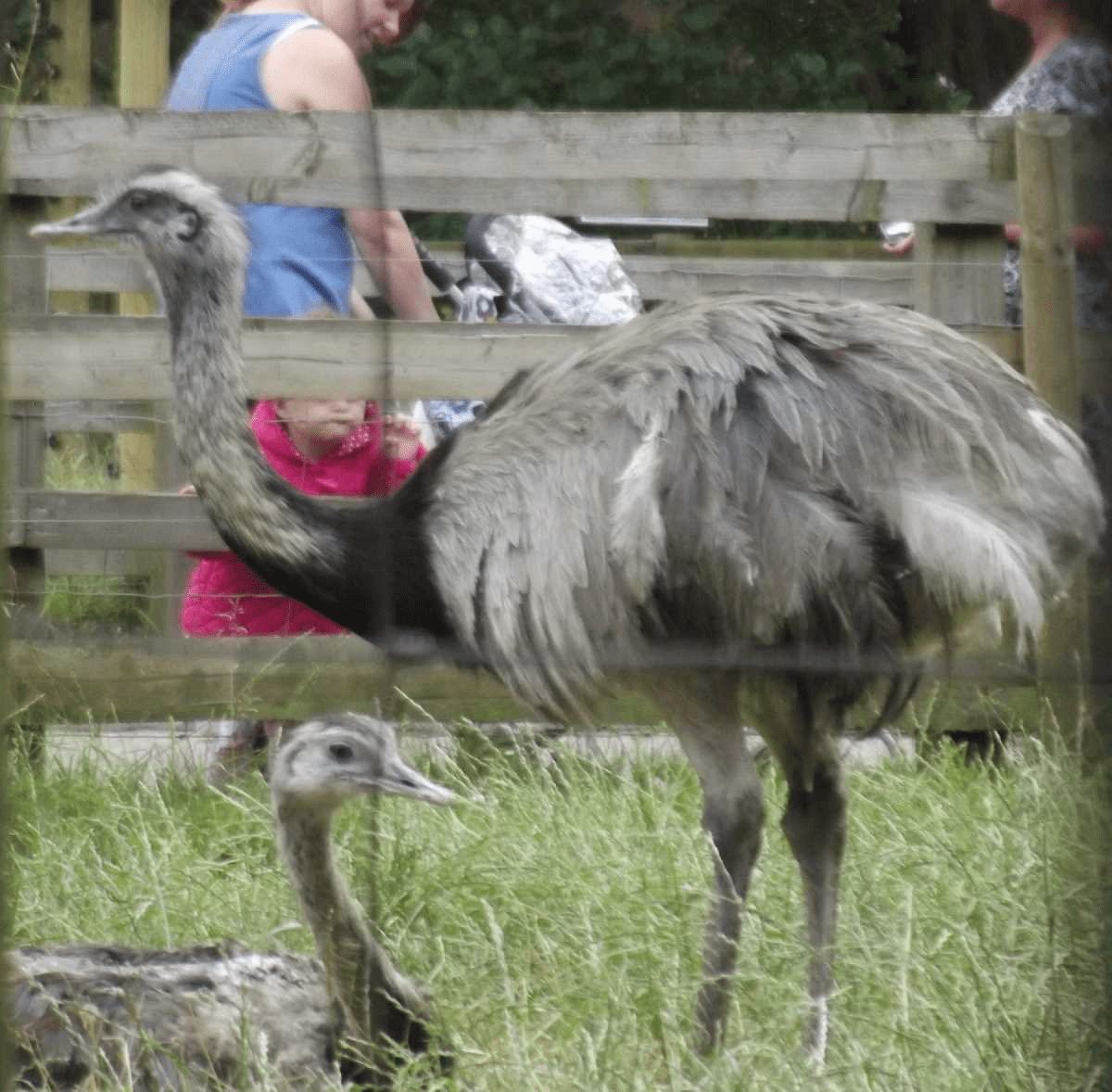
The Birmingham Wildlife Conservation Park UK, initially known as the Birmingham Nature Centre, has evolved significantly since its founding. It started as a small animal collection and has transformed into a recognized conservation park. The park now focuses on protecting endangered species and promoting wildlife conservation to the public.
Over its many years, the Birmingham Wildlife Conservation Park UK has undergone numerous upgrades, expanding its facilities and animal collection. Key milestones include introducing new exhibits and enhancing visitor amenities to ensure more engaging and comfortable experiences.
Today, at the Birmingham Wildlife Conservation Park in Cannon Hill, you can see many different animals, including exotic ones. The park houses everything from reptiles and birds to furry favorites like monkeys and red pandas. Visitors can also attend keeper talks during feeding times to learn more about some of the animals and watch them eat.
Animals of the Birmingham Sanctuary
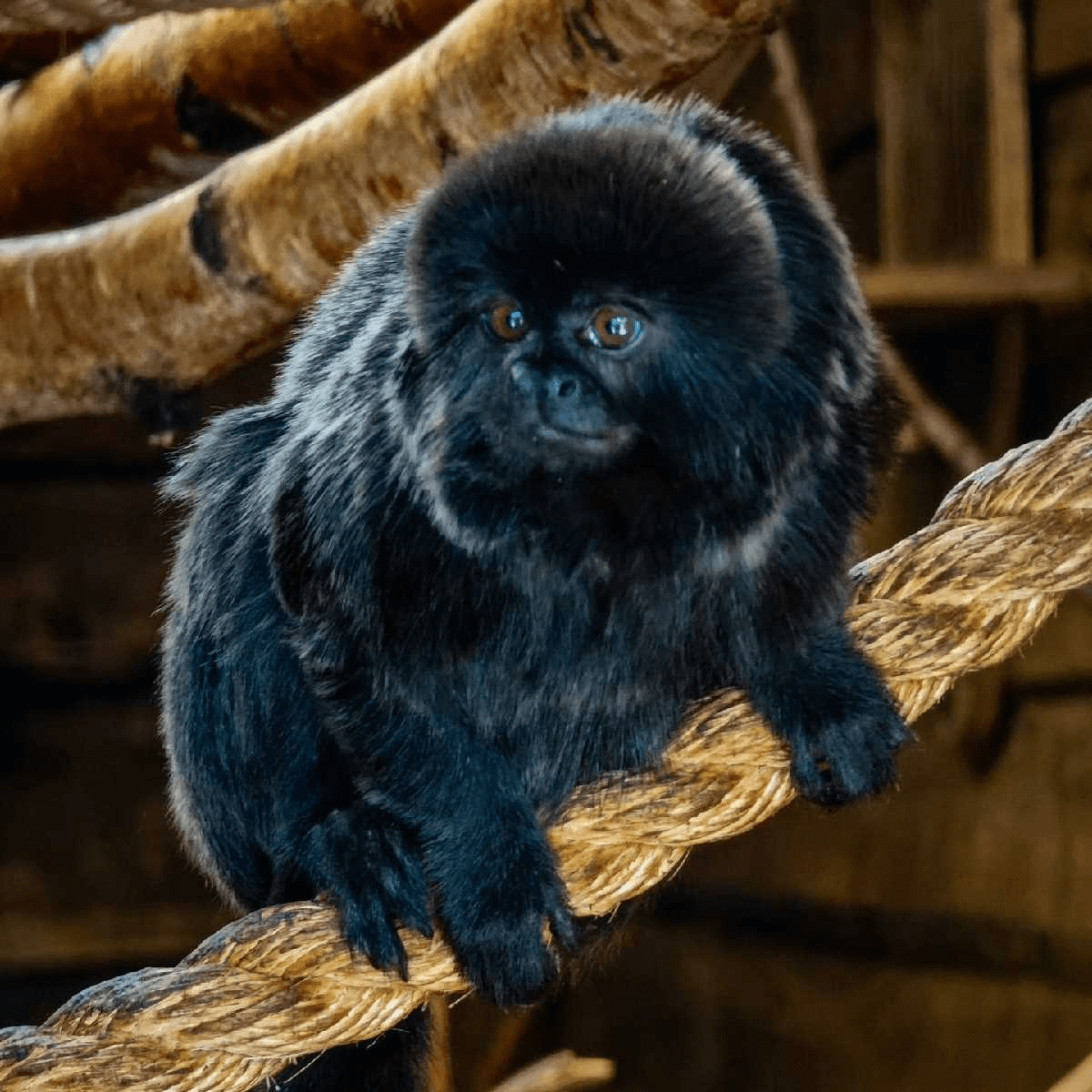
Among the most popular animals is the Eurasian lynx, a large cat once native to Great Britain. Many scientists hope to reintroduce them to the wild in England. The Wildlife Conservation Park also hosts many different species of fluffy, playful mammals like monkeys, tamarins, and lemurs, including rare species such as yellow-breasted capuchin monkeys.
And what true park would be complete without domestic animals, especially family favorites like goats, pigs, sheep, and guinea pigs, brought here, without exaggeration, from all over the world? The park also features beautiful marsh birds, such as cranes and ibises. Reptiles are represented by snakes and lizards, including amazing skinks and geckos. And, of course, there are the famous red pandas. The Wildlife Conservation Park staff always remember the story of how one of the pandas—a male, no less—escaped from its enclosure. Representatives of local fauna, such as otters, antelopes, wallabies, and many other animals, also coexist here.
The park is designed so that different animal species each occupy their own specially designated zone and habitat. Everything is well thought out, as this structure allows visitors to observe or study a wide range of animals in an environment closely resembling their natural habitat. The division into territories and zones is as follows: primates and mammals, such as monkeys, lemurs, and other small mammals, are housed in one zone. Next are reptiles and amphibians, and birds complete the grouping. This includes both exotic and local bird species, all housed in spacious aviaries.
It should be noted that primates are the undisputed leaders in popularity among visitors, both adults and children. Visitors can observe various species of monkeys and lemurs, each with unique behaviors and characteristics. In addition to primates, the park is home to many small mammals, such as meerkats and red pandas. A supportive environment has been created for these animals, encouraging natural behaviors.
Exotic Birds of the Park
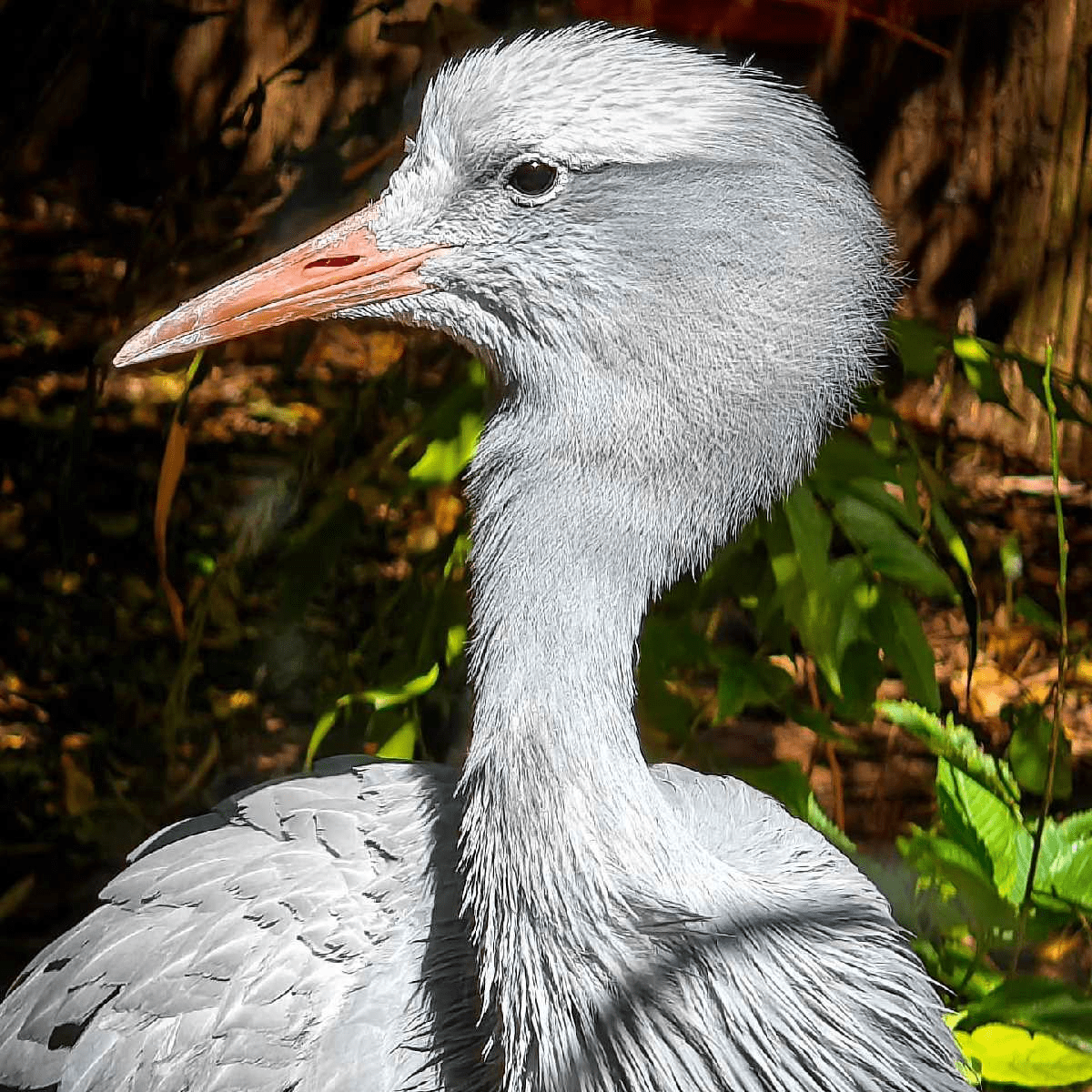
The park’s aviaries house a variety of birds, from colorful parrots to majestic birds of prey. Visitors can enjoy these fascinating creatures up close and learn about their habitats and behaviors. The reptile house showcases a diverse, multicolored collection of these animals, including snakes, lizards, and turtles. Interactive displays and informative signs provide educational information about these often unjustifiably feared and misunderstood animals. Similarly, the amphibian enclosures house frogs, toads, and salamanders in carefully controlled environments that mimic their natural habitats.
Birmingham Wildlife Conservation Park UK offers various interactive programs that allow visitors to get closer to the animals. These encounters provide opportunities to feed animals and interact with different species under the supervision of experienced keepers. Daily keeper talks enhance visitors’ knowledge about the animals, and feeding sessions introduce their behaviors and habits. These activities are both educational and entertaining, providing a deeper understanding of animal behavior and care.
The park runs several educational programs designed to inspire and nurture the next generation of wildlife enthusiasts. School visits include guided tours and hands-on learning activities that align with curriculum standards. Throughout the year, the park hosts workshops and special events focused on wildlife conservation and education. These programs aim to engage visitors of all ages and foster a deeper appreciation for wildlife. Furthermore, Birmingham Wildlife Conservation Park UK actively participates in conserving endangered species. The park is involved in breeding programs and collaborates with other conservation organizations to protect and preserve vulnerable animal populations.
Visitor and Guest Services
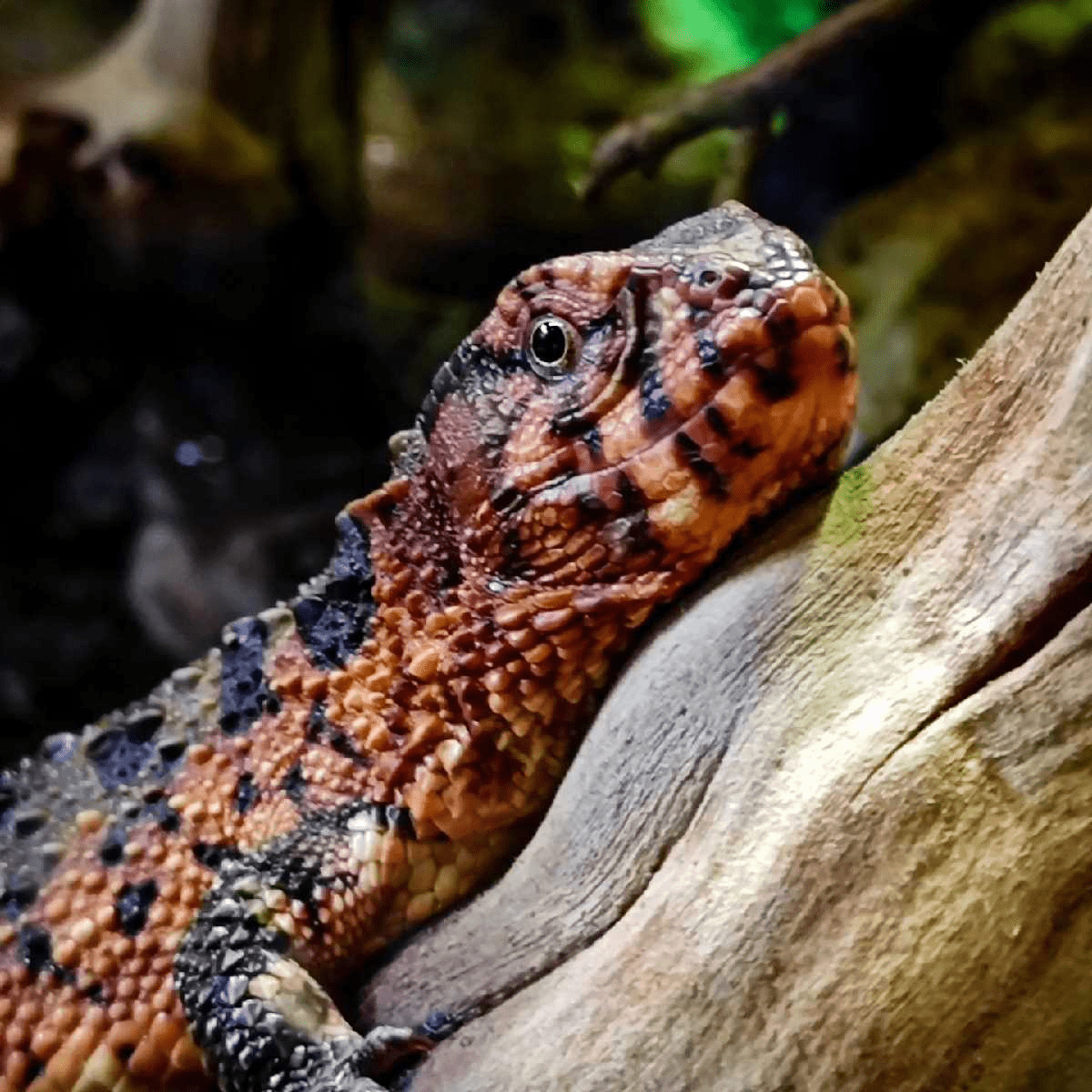
The park boasts successful breeding programs that contribute to increasing the populations of endangered species. These efforts are crucial for the survival of many animals and support global conservation initiatives.
For visitors, the park features children’s play areas equipped with safe and engaging play equipment. These zones create a fun and relaxing space ideal for family outings. Numerous picnic spots are also available throughout the park, offering picturesque locations for family meals and breaks. Visitors can bring their own food and make the most of these scenic spots. And if you’re not in the mood for an outdoor picnic, dedicated dining establishments are available. The Birmingham Wildlife Conservation Park has several cafes offering a variety of meals and snacks. For a quick bite, visitors can stop at one of the snack bars or kiosks located around the park. These outlets provide convenient options for refreshments and drinks.