

Aston Cross is a collection of modern, recently renovated buildings providing office spaces just one mile north of Birmingham’s city center. The buildings offer direct access to the A38M motorway, which connects to the M6 motorway junction. Additionally, the area benefits from frequent bus services to the city center and New Street Station. The buildings feature open-plan layouts, raised floors, integrated lighting, and suspended ceilings. They are equipped with perimeter heating and comfort cooling. Each floor includes a kitchen, reception area, passenger elevator, and accessible men’s and women’s restrooms. The center also boasts a large parking lot with 42 spaces. Read more about the history and current use of Aston Cross Business Village at birminghamname.com.
The Ancient History of Aston Cross
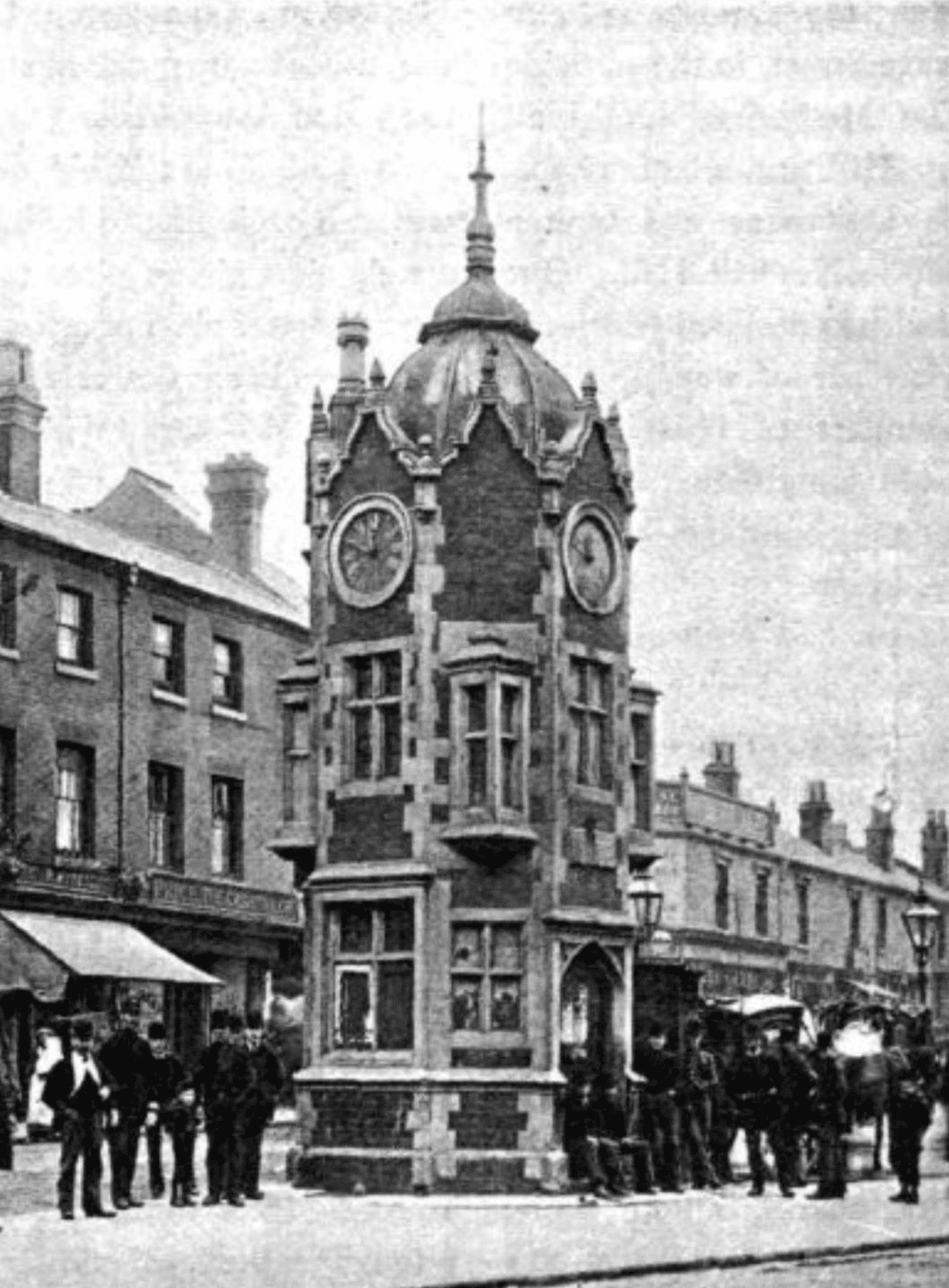
The history of Aston Cross dates back to the Middle Ages. A cross once stood at the intersection of Lichfield Road with Park Lane and Rocky Lane. Its origin and purpose remain unknown. However, by the early 19th century, it was almost completely destroyed. What remained of it was subsequently moved to Aston Church. The story becomes clearer from this point: a three-story brick clock tower was built on the site of the cross.
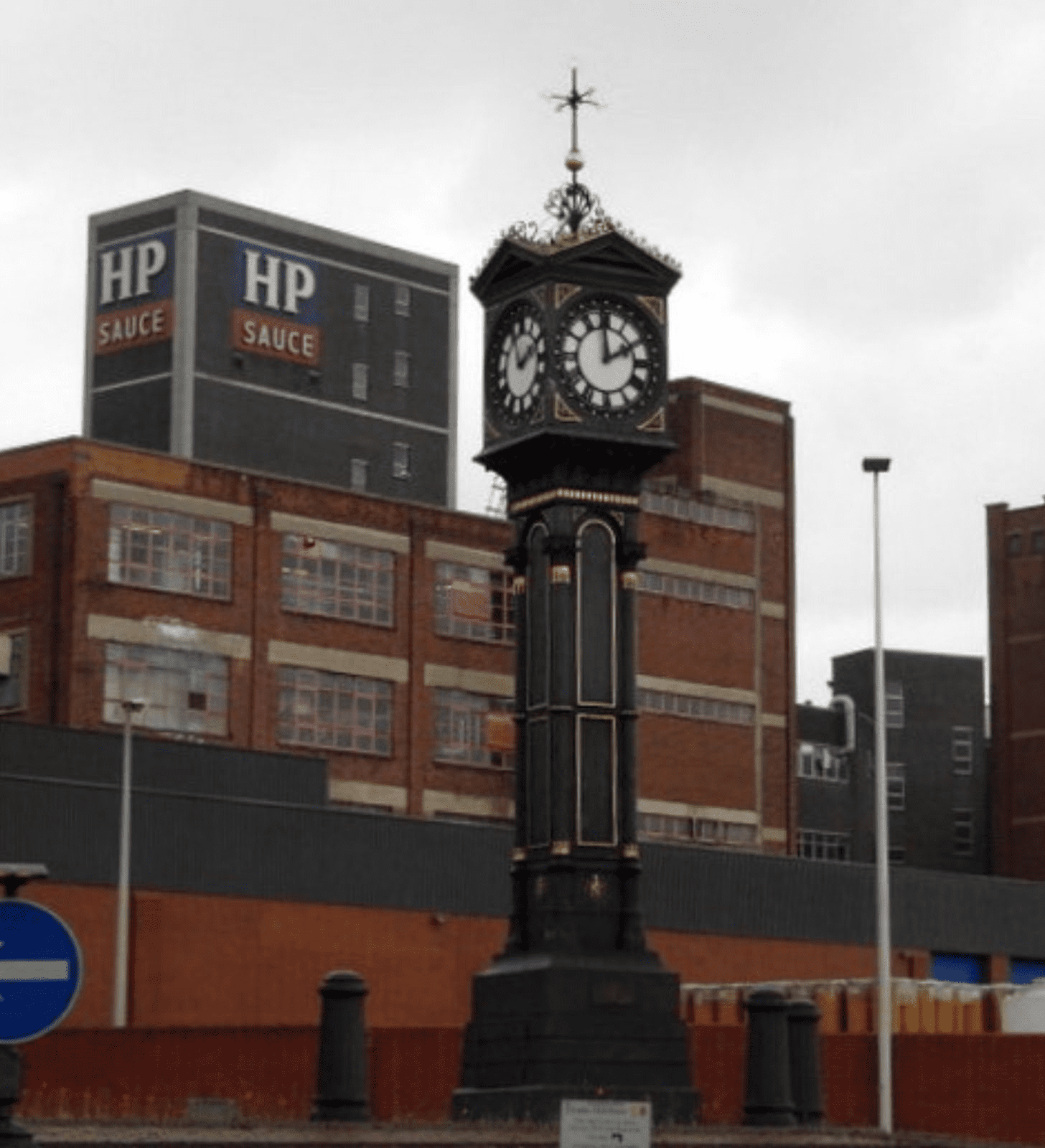
However, in 1891, the clock was removed, and the tower was demolished. Rumor has it that the clock had a reputation for being unreliable, often showing the incorrect time. Later, a new tower was built, featuring an accurate clock. True to tradition, it became known as the Aston Cross. This cast-iron, rectangular tower was adorned with the Aston Board of Governors’ coat of arms and a plaque commemorating the gift of the new clock by Lewis Richards, the Chairman of the Board.
Another prominent landmark on this corner was the HP Sauce factory. The famous sauce has quite an interesting story. It was invented by F.G. Garton, a shopkeeper in Nottingham. He first sold it in the late 1800s. The sauce was packaged in small bottles and quickly became very popular.
Garton later gave the recipe for this ‘wonder sauce’ to Edwin Samson Moore, an Aston vinegar manufacturer, to settle a debt. By 1905, Samson’s Midland Vinegar Company was producing HP Sauce in Aston Cross. Interestingly, the company had its own well, 200 meters deep, from which it drew water for its products.
Aston Cross During World War I
During World War I, the Ministry of Defence decided to enhance its soldiers’ rations by ordering the sauce. This allowed soldiers to add variety to their beef rations. This order benefited not only the soldiers but also the sauce brand, as it became widely known thereafter.
After the war, in 1924, Samson Moore sold his business, which by then was named HP Sauce Limited. In 1988, the factory became the property of Danone. Then, in 2005, the American food giant Heinz bought the company. A year later, Heinz announced they would move HP Sauce production from Aston to their factory in the Netherlands. Consequently, production ceased in 2007, and the factory was demolished in the summer of that same year.
Another well-known enterprise in the area until 1981 was the Ansells Brewery. In 1857, maltster Joseph Ansell began supplying his products to local pubs, most of which brewed their own beer at the time. Ansell and his sons quickly achieved great success. In 1934, Ansells acquired Holt Brewery and soon became a major national brewery.
However, after a major labor dispute, the brewery closed in 1981, and all operations were moved to Burton-on-Trent. Today, nothing remains of the old brewery; the site was redeveloped into car dealerships. Subsequently, a group of former Ansells employees founded Aston Manor Brewery, which still thrives in nearby Thimble Mill Lane, producing exclusively cider.
Aston Cross in the Early 20th Century
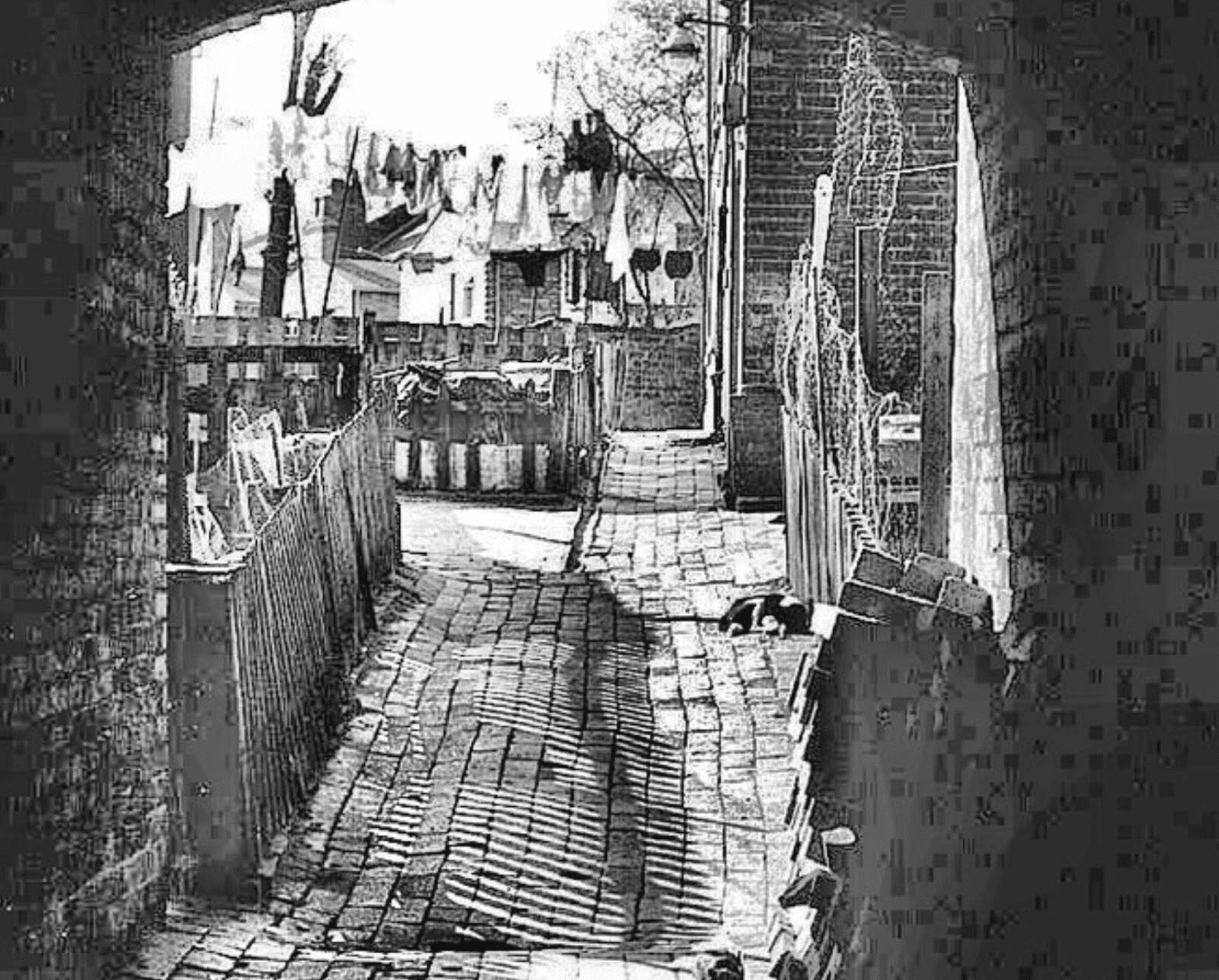
In the early 20th century, Aston Cross likely had a distinctive aroma. The air was filled not only with the scents of HP Sauce and Ansells Brewery but also from the Dunlop Rubber Company, located opposite the HP Sauce factory since 1901.
As urban expansion spread beyond Birmingham, Aston Cross transformed into a commercial hub. In 1903, when the Aston Manor Urban District Council was formed, this location on the main road from Birmingham to Aston was chosen for a library. This building became a statement of the area’s new status. The land was donated by the nearby Ansells Brewery, and construction was funded by Scottish philanthropist Andrew Carnegie.
Next to the library stands another fine example of Birmingham terracotta: the former Aston Cross Tavern, now O’Reilly’s. It opened as a public house and tea garden in 1775. Notably, this pub is mentioned in Showell’s Dictionary of Birmingham, published in 1888.
Along the eastern side of Aston runs Birmingham’s second canal, the Birmingham and Fazeley Canal, which opened in 1789. It begins at Farmer’s Bridge in the city center, branching off the Newhall branch of the Birmingham Canal, and connects to the Coventry Canal. Its purpose was to provide Birmingham manufacturers with vital commercial access to London. The canal is only 25 kilometers long and has 38 locks, including thirteen old locks in the city center and the eleven Aston Locks leading to Salford Junction.
Since the locks were built to accommodate only one boat at a time, side ponds were constructed for more efficient water use in the locks. When one boat approached, the entire lockage of water could be used to lower another boat waiting in the side pond. Soon, the route was used seven days a week, twenty-four hours a day. By 1841, over 150 boats used the canal daily, sometimes with queues of twenty boats forming at the locks.
Modern Development
Aston Cross Business Village is a modern business park in Birmingham’s Waterlinks area, developed by Waterlinks PLC in the 1990s. It occupies a prominent site in Aston, approximately one kilometer northeast of Birmingham city center. Due to its close proximity to the city center, the Business Village is easily accessible within minutes.
Thanks to its attractive canalside location and on-site retail and dining options, the park is home to a number of prestigious companies and organizations. Aston Cross Business Village combines contemporary-style buildings within a traditional canalside setting. Its landscaped area, featuring water elements and pathways, hosts buildings of various styles. A local hotel is also situated nearby, close to the city center.
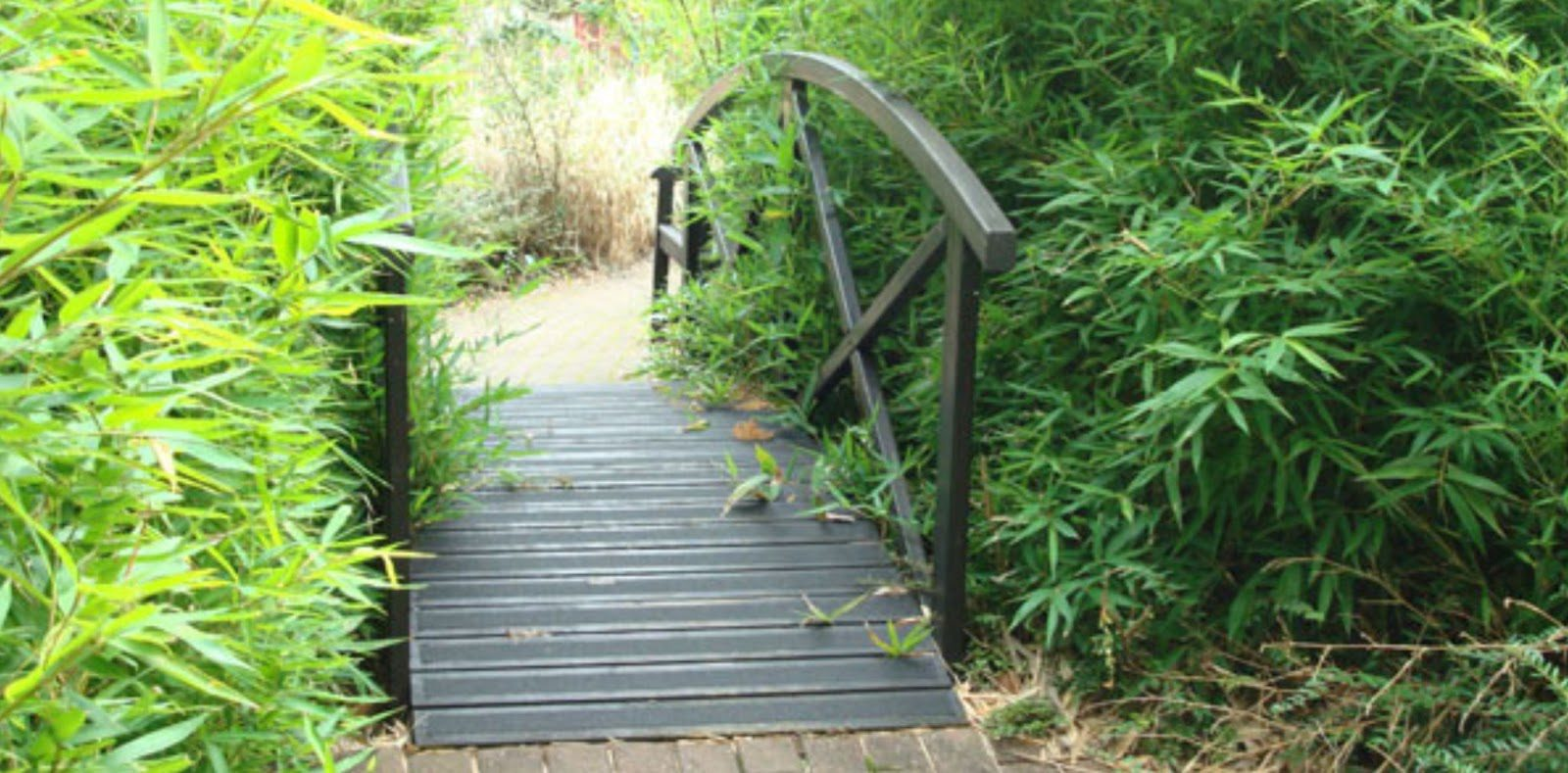
The green space here is particularly noteworthy—it’s not your typical business park “concrete jungle.” Aston Cross Business Village boasts well-established natural features within its canalside location. It features walking paths, bridges, planted trees, and small shrubs. Overall, it’s an ideal spot for a lunchtime stroll. The canalside environment offers a sense of tranquility.