

Birmingham branch of Friends of the Earth was established as an official, independent local group linked to the UK-wide Friends network, probably around the time the national organization was forming in the early 1970s. The local group has been based at The Warehouse since at least 1977 and has campaigned on local, national and global environmental issues, working closely with the wider national network of over 170 communities across the UK. For more information, please visit birminghamname.com.
History of creation
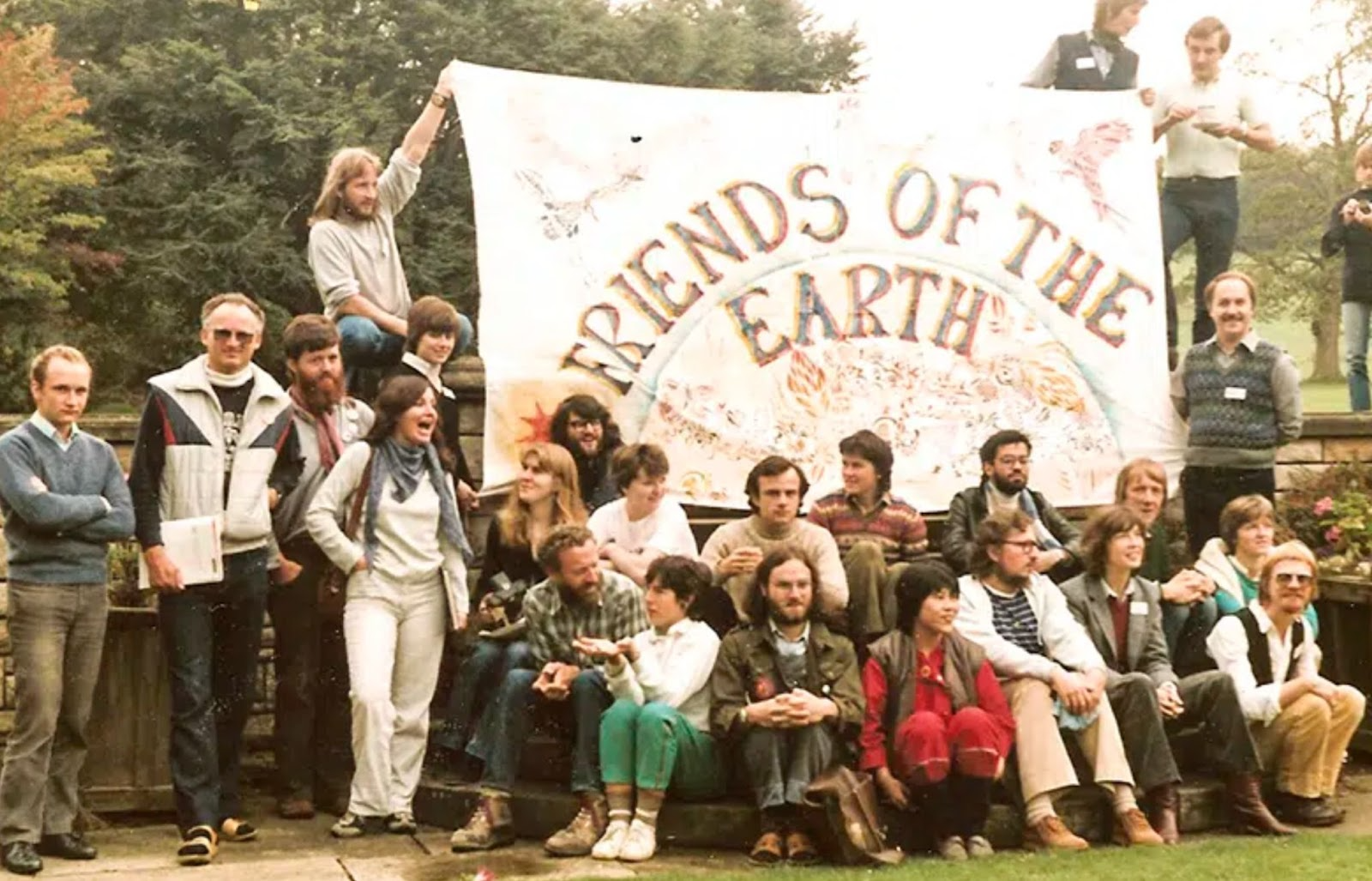
The first Friends of the Earth group in Birmingham started working in private homes. This was in the early 1970s. In the late seventies, they launched a paper recycling project that quickly outgrew the confines of a house on Passay Street in Sparkhill.
Seven years later, in 1977, the group made the fateful decision that, in addition to campaigning for a better world, they would demonstrate in practice the near-perfect lifestyle to which they aspired. An abandoned building on Allison Street, known as the Warehouse, was purchased as the base for this endeavor and many other work projects and campaigns.
This old building soon came to be seen as a model for demonstrating what could be done by making better use of it. All the members of the group worked together, as the aim was to demonstrate that the success of all endeavors is only possible after everyone comes together as one big team of like-minded people.
Birmingham Friends of the Earth has been operating for over 60 years, and as part of a Heritage Lottery Fund project to celebrate this achievement, a group of volunteers spent time at Birmingham Library looking through Friends of the Earth’s archival material.
These materials mostly cover the 1970s, 1980s and 1990s. The archive mainly consists of newsletters from this period, although there are also photographs and minutes.
The topics for researching the history of the organization were allocated to each individual researcher who covered them. These included campaigns, projects, administration and management, education, and publications. The results of this work were presented in a series of brochures. Together, they constitute a record of the early years of the organization and the Warehouse.
However, it should be understood that although the archives do not record everything in every detail, the organization considers these documents to be “living”, as supporting documents that contain reproductions of events that took place many years ago.
The Old Warehouse
1 April 1980 marked three years since Friends of the Earth moved into its Victorian warehouse. It was a 6,500 sq ft building in Digbeth, just a 5-minute walk from Birmingham city centre. It has become clear that during the time Friends of the Earth has been working there, the Warehouse has become an important centre and living example of environmental ideas and values in action.
Three years ago, before the famous Warehouse, Birmingham Friends of the Earth, which was made up entirely of volunteers, worked in one room in a flat in Birmingham that was dedicated to members. At the time, the room was overflowing with recyclable paper, large quantities of reusable postcards and envelopes, labels and recycled copy paper. The volumes, as well as the number of good causes, were growing rapidly.
So the idea of finding new premises was in the air in the small room. The final impetus to act in this direction came from a published report calling on the city council to help create a “Community Recycling Centre”. After long negotiations with various authorities, the members of the organisation took the plunge and moved into the ‘Warehouse’.
At the time, it was a damp, damp and musty building, but with great potential. There was a large loading dock, three front doors, a freight lift that unfortunately didn’t work, many large and small rooms, and all this so close to the centre. The opportunity was too good to pass up.
Settling in at a new place
So Friends of the Earth moved in and spent the early spring and summer cleaning, sweeping, painting, mending, repairing and advertising their existence in the new-old building. They bought a van and started receiving waste paper, metal, cardboard and old furniture – much of it donated for their own needs. Soon, somehow unnoticed, a permanent presence appeared at the Warehouse, which meant that the organization began to develop in all directions.
We started receiving requests for consultations, more leaflets were produced, and the mailing list began to grow. In short, it became very clear that there were large gaps in knowledge about the environment that could be closed in schools. By October 1977, members of the organization were hiring people through the government’s job creation program to carry out research and produce educational materials, and had also launched a voluntary program to insulate attics for the elderly and disabled.
Since then, things have moved even faster. The space that seemed like a huge labyrinth not long ago has now been explored to the smallest nook and cranny. Even if not as fast as we wanted, most of it was renovated. Now the only major work left to be done was on the huge leaky gable roof. This was the work that was planned to be done during the summer of 1980. Everything rested on funds. So the idea of improving the old plumbing system, possibly with a composting toilet and showers connected to a solar energy collection system, was in the air.
During these three years, Friends of the Earth members were often supported and generously supported by many different people who helped by working together on endless “work weekends” and making various crafts to raise funds, gifts, loans, and donations. These came in at any time.
At the same time, we made a lot of useful contacts with people from different professions, who were very helpful, especially when they knew that Friends was now working to save whales or save energy, not for their own benefit. There was a lot of hard work done by a large number of volunteers who were so concerned about the environment that they gave up weekends, evenings, and free time to help. They did more hands-on work related to the creation and management of the Warehouse. Everything related to it.
Working for the benefit of the community
At the time, all members of the group believed that the Warehouse was a shining example of how environmental ideas can and should be put into practice and that they can provide meaningful work, both paid and volunteer. Although there was still a lot to learn, everyone believed that there were ideas and practices that should be shared with as many people as possible.
Birmingham Friends of the Earth and its Warehouse accepted the challenge of the new decade and looked forward to creative problem-solving and answering the sacred question of how to live on a small planet. After all, Friends of the Earth is a society that works for the benefit of the community.
Sources: