

Climate change is affecting not only agriculture in Birmingham, but throughout the United Kingdom. Due to unpredictable weather conditions at different times of the year, for example, summers have become warmer and drier than they were 100 years ago. Rainfall has become more intense, flooding has become more frequent, and new pests have emerged, increasing the vulnerability of agricultural crops and even livestock to so-called heat stress.
To prevent this, it is necessary to understand that agriculture requires adaptation, namely improved water management, the use of sustainable crop varieties and sustainable practices to reduce risks such as soil erosion and, as a result, loss of productivity. After all, warmer temperatures can provide slightly longer growing seasons with proper management. At the same time, for example, the University of Birmingham notes that climate analogues from previous years indicate a limited impact on crop yields, but you can read more about this at birminghamname.com.
Historical context
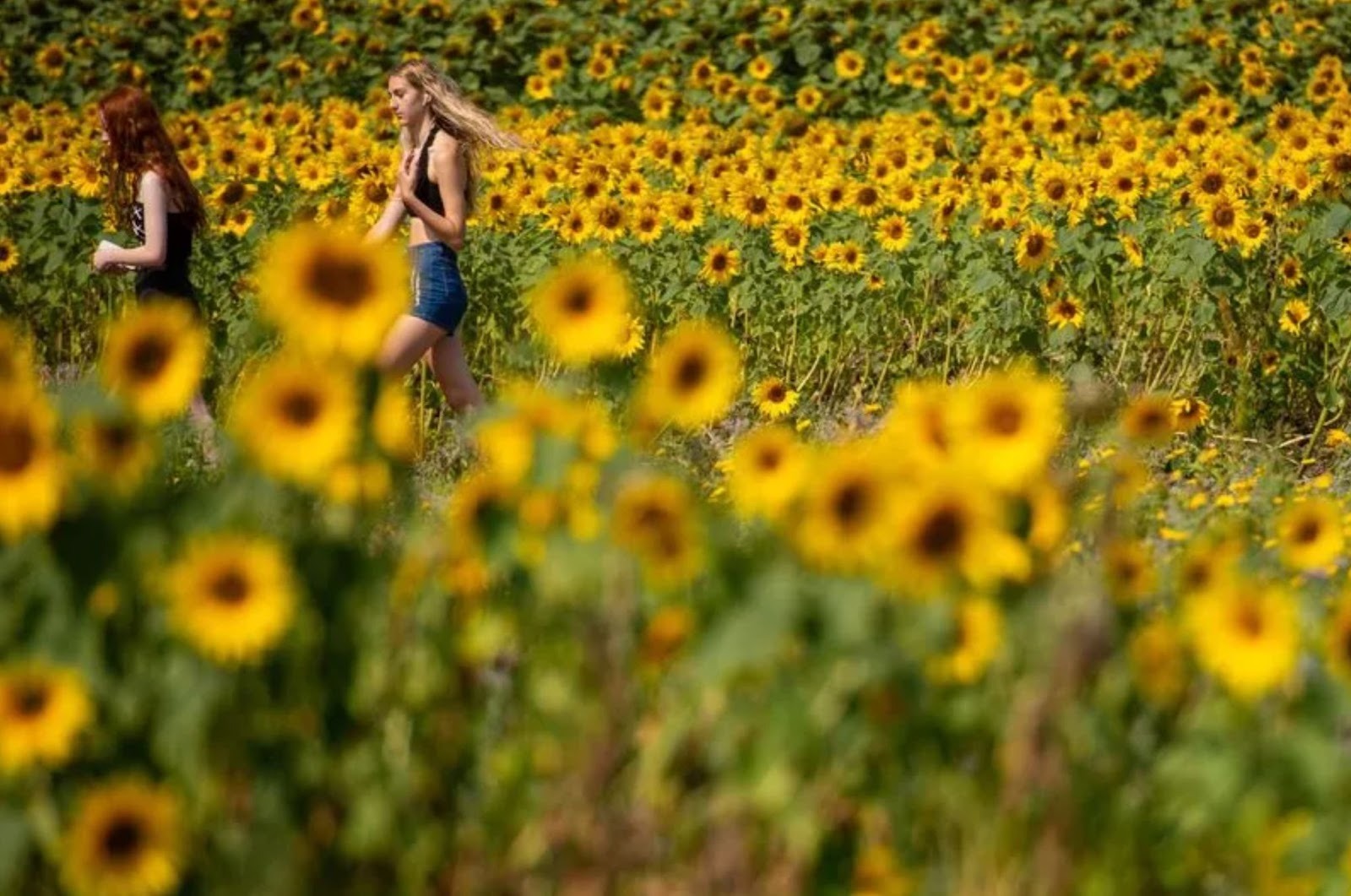
Birmingham and the West Midlands region are located in the heart of England and are not associated with agriculture. On the contrary, they have long been considered the world centre of industry and industrial development. Meanwhile, this region has a long history of agriculture, which is closely linked to its climatic and geographical conditions.
Despite this, current climate change is encouraging all local agricultural skills to be rethought and adapted to new conditions. At the same time, there is a renewed interest in local food production. And climate plays a significant role in this. The West Midlands has a temperate oceanic climate. It is characterised by relatively mild winters and moderate summers.
Rainfall in Birmingham and the surrounding area is usually spread throughout the year. Historically, these conditions have encouraged the development of diverse but cautious agriculture based on crops that are resistant to moisture and seasonal fluctuations. Local soils also influence the development of agriculture. In the area around Birmingham, they are clayey and loamy, making them well suited to growing certain cereal crops and for pasture. One disadvantage of such soils is that they create drainage problems.
As a result, for centuries, the rural areas around Birmingham have mainly produced wheat, barley and oats, as well as root crops such as potatoes, turnips, and beetroot. Cattle and, of course, sheep farming also played an important role. The large number of natural meadows was a great help in this regard.
At a time when the city was growing rapidly during the Industrial Revolution, local farmers provided it with food, creating a close link between the countryside and the urban area.
However, in the 20th century, under the influence of rapid urbanisation and industrialisation, agriculture around Birmingham gradually declined. Much of the agricultural land was converted into residential or industrial areas. Despite this, agriculture never completely disappeared from the region, and some family farms continued to produce for local markets.
Climate and agriculture
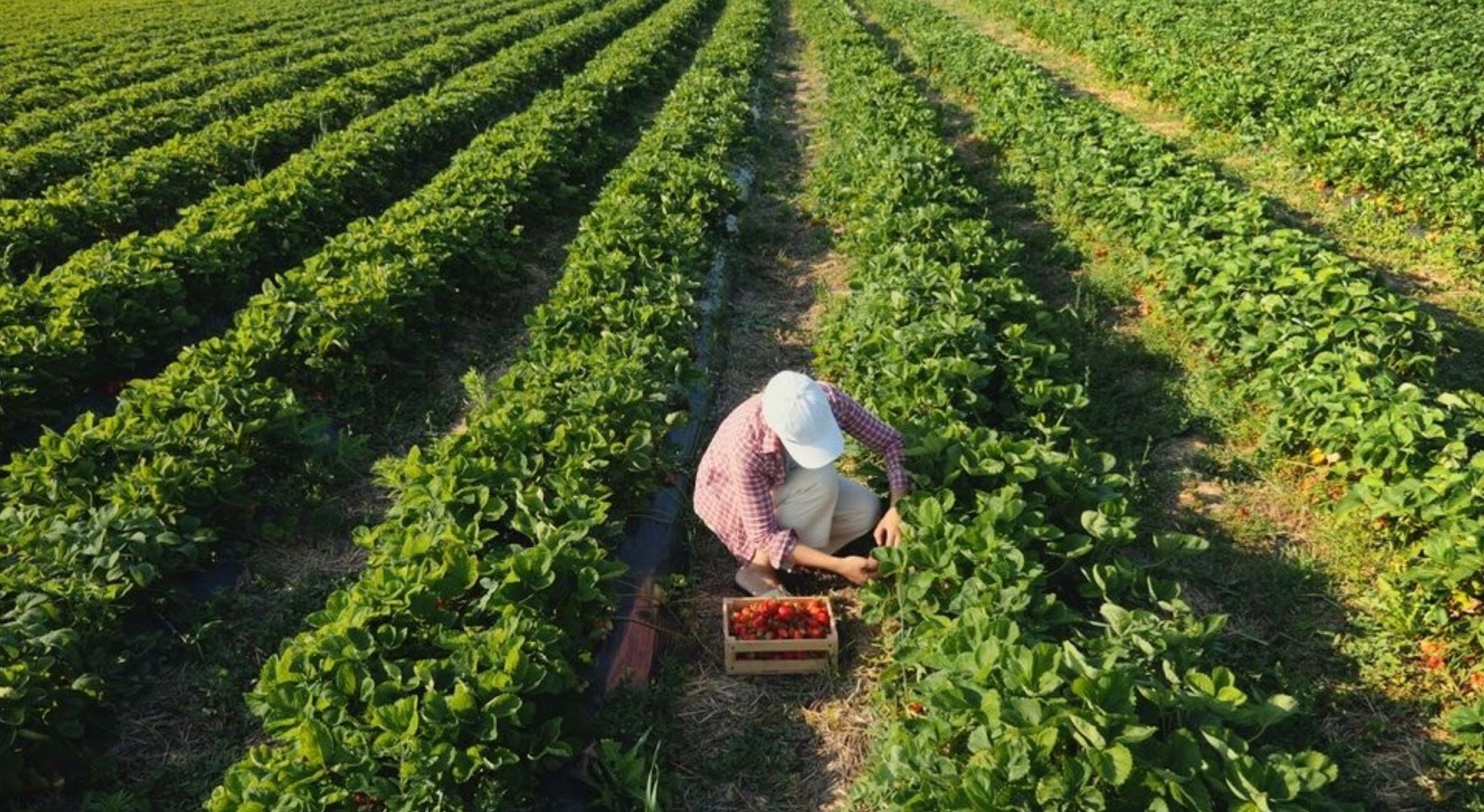
Climate change now requires a new phase of transformation. Recent studies of the West Midlands climate show a gradual increase in average temperatures, drier and hotter summers, and periods of intense rainfall and flash flooding. These phenomena directly affect crop yields, soil quality and water availability.
Some crops, traditionally well adapted to the local climate, such as wheat or barley, are also coming under increasing pressure from periods of summer drought and heat waves. This scourge also affects pastures, which are known to be important for livestock farming: they too suffer from prolonged water stress.
Trouble came from where we least expected it.
Another problem associated with modern agriculture is factory farming. This term refers to an industrial system of raising large numbers of livestock — cows, pigs, chickens, fish, etc. — in crowded, confined conditions to maximise the production of food products such as meat, dairy products, eggs, etc. Mechanisation and pharmaceuticals are very often used in this type of production.
It is clear that this approach prioritises production over animal welfare, which in turn leads to problems such as extreme animal husbandry, which does not allow animals to live in suitable conditions. Most importantly, this type of farming pollutes the environment with greenhouse gases and contaminates water. This is without even mentioning the ethical issues surrounding the exploitation of animals.
The fact remains: factory farming only exacerbates climate change. In such farms, greenhouse gases are produced throughout the entire supply chain.
Prospects and innovation
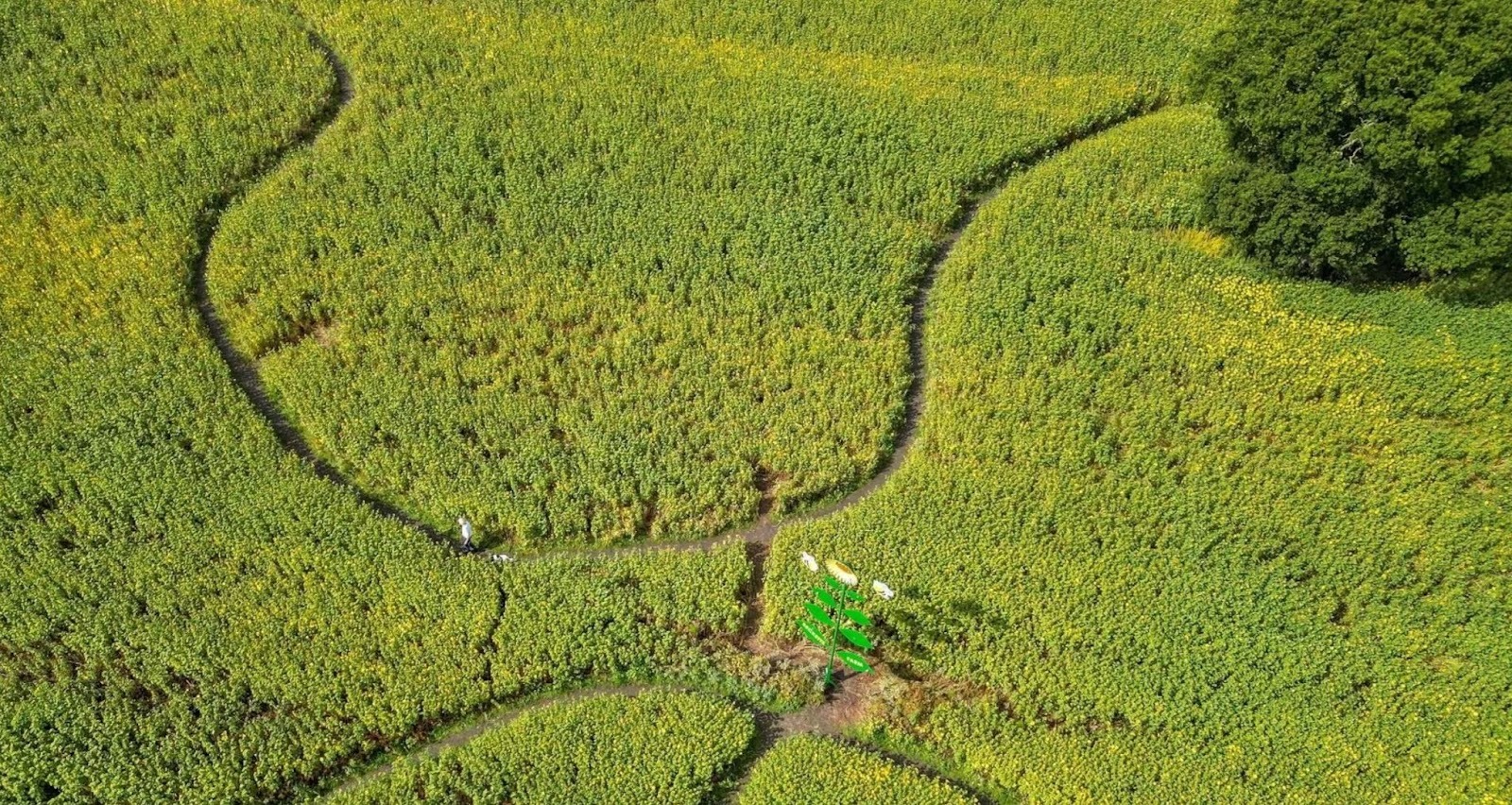
But despite all these problems, Birmingham’s agriculture has gained certain conditions that open up new agricultural prospects. After all, crops that were previously uncommon in the UK — legumes, chickpeas, and some varieties of Mediterranean fruits and vegetables — are gradually becoming possible to grow in the south and centre of England.
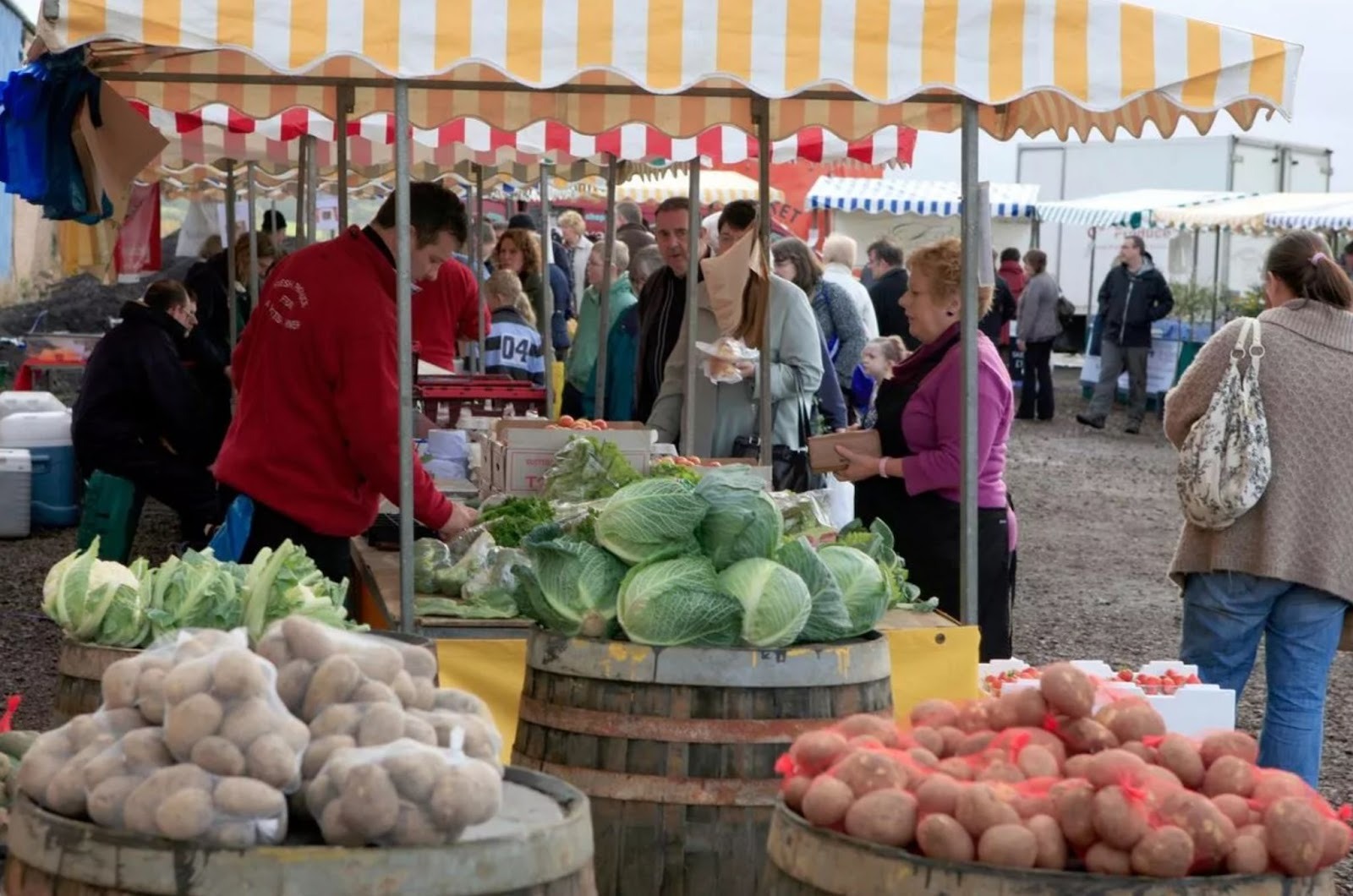
In addition, there has been a resurgence of interest in diverse vegetable growing, organic farming and related short supply chains around Birmingham. Many residents of suburbs and rural areas grow vegetables, berries, and herbs, often for local consumption. Community gardens and urban farms supported by municipal and community programmes are also actively involved in such initiatives.
In addition, farmers in the region must adapt to growing environmental challenges. These include soil erosion, more frequent flooding, new crop diseases and heat stress for livestock. Adaptation strategies include improving drainage systems, diversifying crops, introducing more heat-resistant varieties and more sustainable water management.
The future of agriculture in the Birmingham region will largely depend on the ability of local agricultural market players to combine agricultural heritage, innovation, and climate resilience. For while the climate is becoming increasingly unpredictable, it also provides an opportunity to rethink regional food systems, promoting more local, sustainable and better integrated production in urban environments.
Thus, agriculture in the West Midlands is far from marginal: today, it appears to be an inconspicuous but important laboratory for British agricultural transformation in response to climate change. And Birmingham, as a typical industrial city, is gradually restoring its historical connection with the land that surrounds it.
Sources:
- https://www.ciwf.org.uk/our-campaigns/end-it/environmental-damage/
- https://www.birminghamfoodcouncil.org/2024/04/15/facing-the-heat-the-impact-on-farm-workers-livestock-and-crops/
- https://www.sustainabilitywestmidlands.org.uk/resources/weathering-the-storm-for-agriculture/
- https://www.soci.org/news/2025/1/climate-change-and-farming-the-impact-on-the-uks-crops