

Water pollution is a massive challenge for big cities everywhere. It threatens public health and the well-being of local plants and animals. Birmingham, nestled in Central England’s rolling hills between river valleys, is home to waterways like the River Tame, River Rea, and others. The quality of these waters hit rock bottom in the late 19th century. Since then, city officials and dedicated locals have been fighting back against pollution. This battle is more visible than ever today, as eco-activists and volunteers lead the charge in caring for our natural surroundings. Read on at birminghamname.com.
The Scope of Water Pollution
Birmingham’s primary waterway, the River Tame, plays a huge role in the region’s environmental health and climate. Its path today is a far cry from a natural river system. The Tame winds between railway lines and highways, through parks (some of which are neglected), and past waste collection lagoons. It’s a recipient of wastewater, and its quality is impacted by hundreds of industrial plants in Birmingham, especially as it flows through major industrial centers.
Until the late 18th century, the river was an angler’s paradise, its clear waters teeming with hundreds of fish species. Birmingham fishermen even sold their catches in neighboring regions, making a good living. However, the dawn of the 19th century saw industrial enterprises begin to heavily pollute the waterway. By the end of that century, the Tame’s water was akin to an open sewer. Tons of floating debris had a devastating impact on people’s health and the local flora and fauna. This grim situation persisted for decades. It wasn’t until the latter half of the 20th century that Birmingham’s authorities got serious about cleaning up the city’s rivers and canals.
Tackling the Pollution: Early Efforts and Growing Awareness
Along the riverbed, where water levels were lowest, small lakes were excavated to serve as natural purification basins. The government also funded the construction of water treatment facilities. Slowly but surely, the water began to clear up. By the 1980s, reports confirmed that its chemical indicators had improved.
The early 2000s saw a rise in “green” consciousness in Birmingham. Local businesses and residents started taking individual actions to help keep the local waterways clean. River management became a national-level concern. Organizations like The Wildlife Trusts are working to develop nature reserves along the rivers and continuously monitor water chemistry. Volunteer groups and local individuals also play a crucial role in maintaining the cleanliness of Birmingham’s rivers.
Ongoing Efforts: A Community United
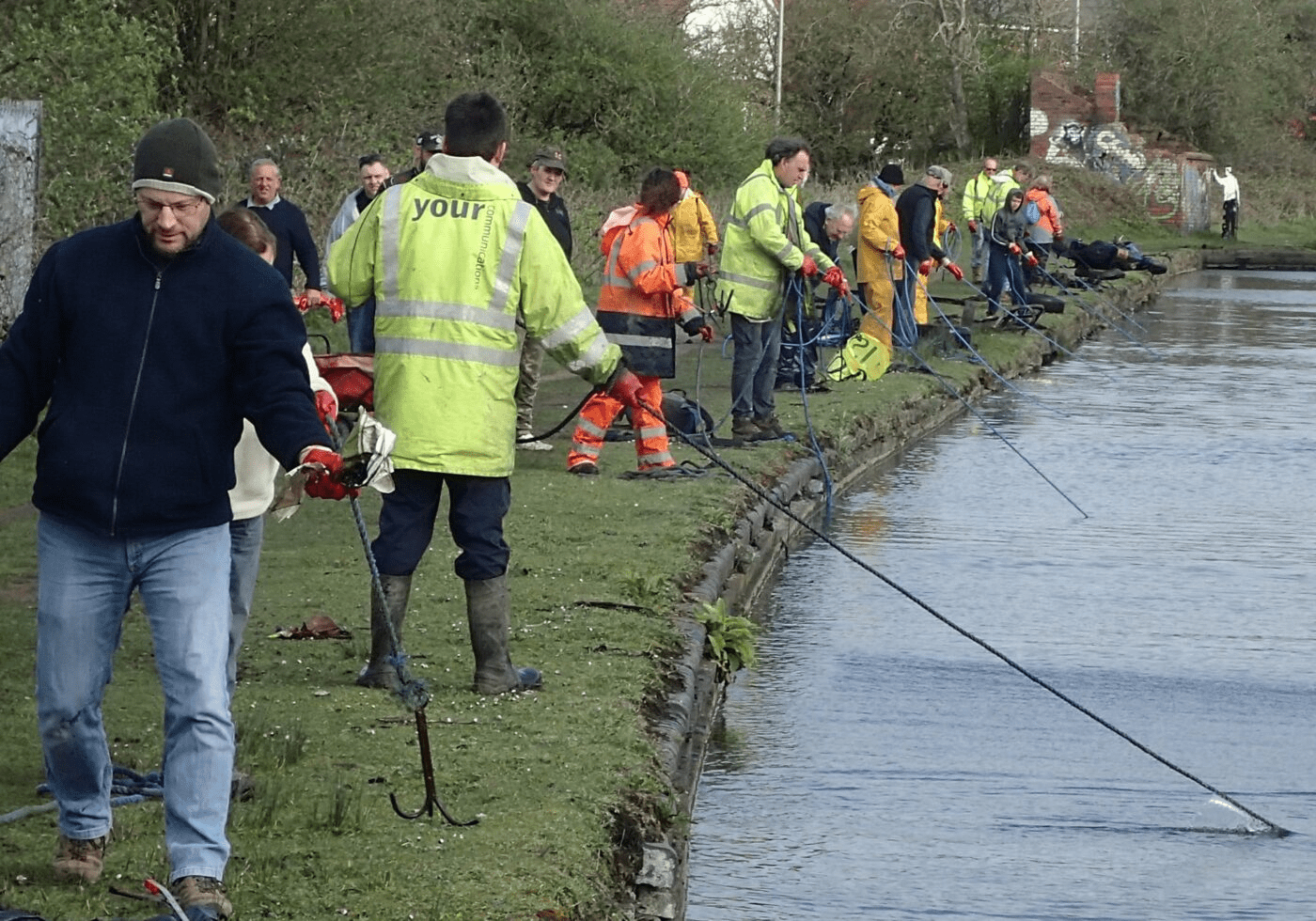
These days, the Canal & River Trust is a key player in addressing river pollution in Birmingham. As a charitable organization, it relies on volunteers for its projects. The Trust runs a maintenance program that includes essential dredging operations. Several other Birmingham-based organizations also conduct regular cleanups:
- Friends of Rea Valley Stirchley
- Cahaba River Society
- Birmingham Canal Navigations Society
The city hosts annual canal cleanup weekends, open to everyone willing to lend a hand. Organizers usually ask volunteers to sign up beforehand so they can prepare enough equipment and tools for everyone. Most of these initiatives are non-profits, sustained by voluntary donations. Birmingham locals who can’t make it to the cleanups often contribute financially.
Beyond these regular events, volunteers frequently take on the challenge of clearing specific blockages in river sections, often in the city’s more neglected areas. They undertake the colossal task of navigating to these spots, then removing and hauling away significant amounts of trash and debris.