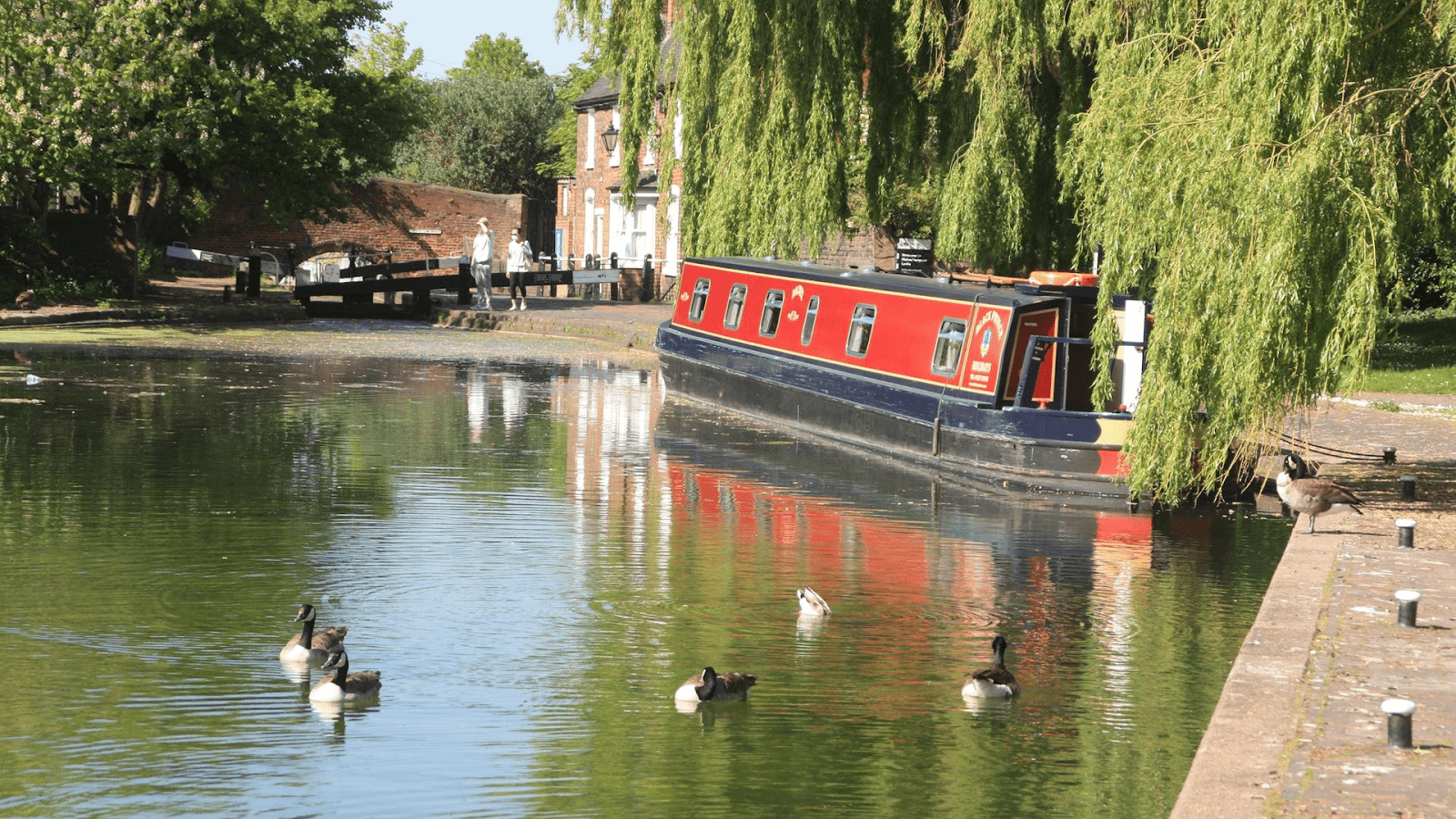
Delving into the history and culture of Birmingham, it is impossible to ignore its waterways. The length of the Birmingham Canal Navigations system reaches more than 160 kilometres and consists of 13 canals. Five big rivers flow through the city. They extend beyond Birmingham going into the Black Country and other parts of the region. All canals have their own history of formation and functioning. The local network of waterways is one of the most complex in the world in terms of engineering solutions. The canal system played a crucial role in the industrial development of Birmingham and became an integral part of the city life. Learn more at birminghamname.
Midlands industrial boom and the construction of canals
Water canals are reminiscent of the Industrial Revolution when they were a fast way to transport coal, iron and other minerals. Most of the canals that were part of the Birmingham Canal Navigations were built in the 18th century. In their heyday, their total length was more than 270 kilometres. One of the first significant waterways was the Duke of Bridgewater’s Canal. The Duke owned mines in the Midlands and transported coal to Manchester. The canal was commissioned in 1761. James Brindley was in charge of engineering work. Although he was a millwright by trade, his name is associated with six major Midlands water system projects.
The first mention of the Birmingham Canal Navigations dates back to the second half of the 18th century. In 1768, Aris’s Birmingham Gazette published an article about a meeting of industrialists who intended to expand the shipping waterways. A group of entrepreneurs collected funds to submit a law to the Parliament on the legal aspects of dealing with water resources. In the same year, the Birmingham Canal Navigation Act was passed and construction began. The project was successfully completed in 1772. The canal ran from the outskirts of Birmingham to Newhall Wharf. Later, it was rebuilt and the route was changed. In 1784, the owners of all the water canals united and founded the Birmingham Canal Navigations in 1794. By that time, there were Grand Union, Birmingham, Stourbridge, Worcester and Stratford canals. Throughout the history of its existence, the branching of water canals was changed several times for more profitable navigation. Each new construction was approved at the legislative level.
The rise and fall of commercial water transportation
The canal system has been working perfectly and continuously for 170 years. In the 1820s, the water network was overhauled under the leadership of Thomas Telford. He proposed to level the waterways. New tunnels were laid to implement the plan.
Thanks to such an advanced approach, the transportation time was reduced to four days. Entrepreneurs were very satisfied with their profits. During the Victorian era, the canals were a source of economic prosperity for Birmingham and the Black Country. Gas lighting was installed near the locks to ensure around-the-clock operation. The boats had no cabins to ensure maximum loading. According to eyewitnesses, ships arrived in the Black Country “in flocks”. At the end of the 19th century, the volume of cargo transportation reached more than eight million tons per year.
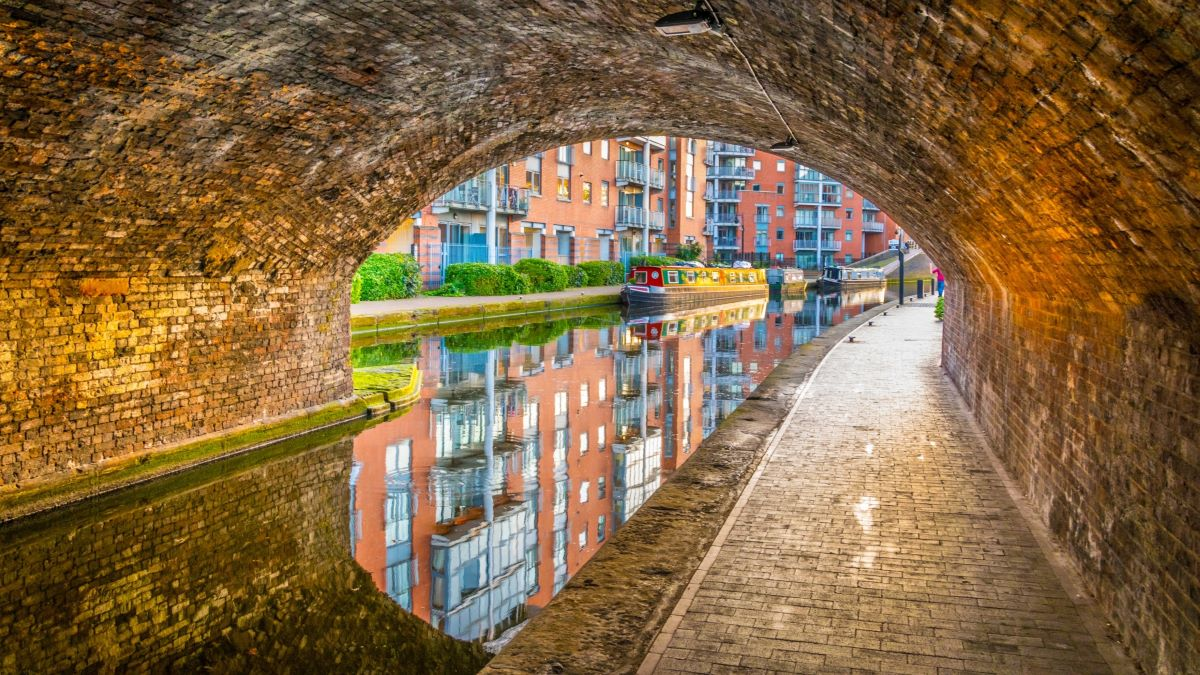
Although the canals were profitable, their constant modernisation and maintenance required significant costs. Over time, railway lines began to develop and became competitors for water transport. Unlike boats, they were designed to carry goods over longer distances. The use of canals began to decrease, and in 1980, commercial traffic was completely stopped. After a few decades, they fell into decline. Thanks to the caring citizens, the restoration of water canals began in the 21st century. As a result, parks, modern housing and infrastructure were built near them. The area was also filled with shops, cafes, restaurants and entertainment venues. The canals have become a favourite destination for boaters, as well as for walking and cycling.