

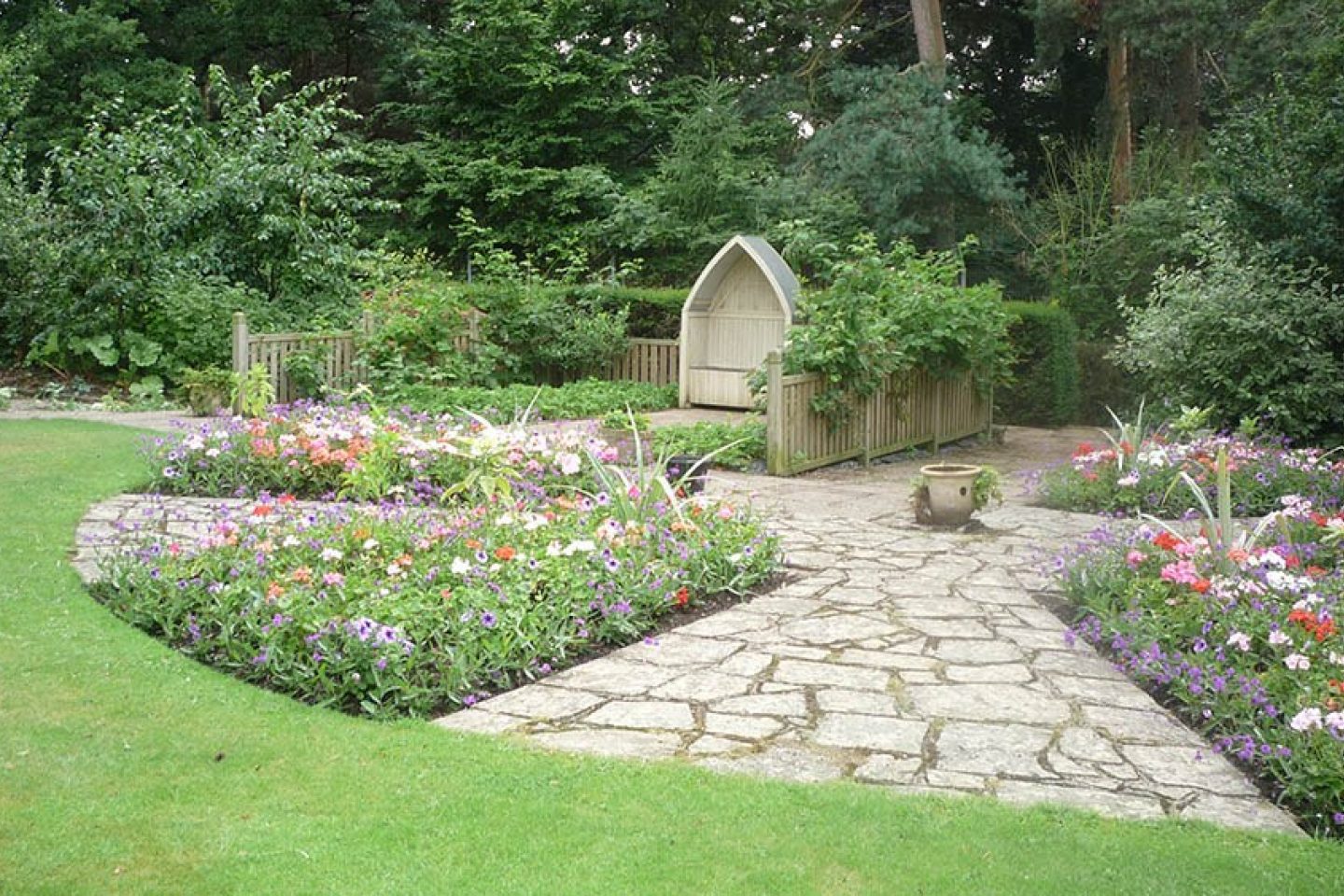
Kings Heath Park, spanning 35 acres, holds the distinction of being the first municipal park in Birmingham to receive a Green Flag Award, signifying its exceptional maintenance and environmental standards. The park gained widespread recognition for its television garden, initially launched in 1972 as a collaboration between Birmingham City Council and ATV Television. From 1996, it became a filming location for the BBC’s “Gardeners’ World”.
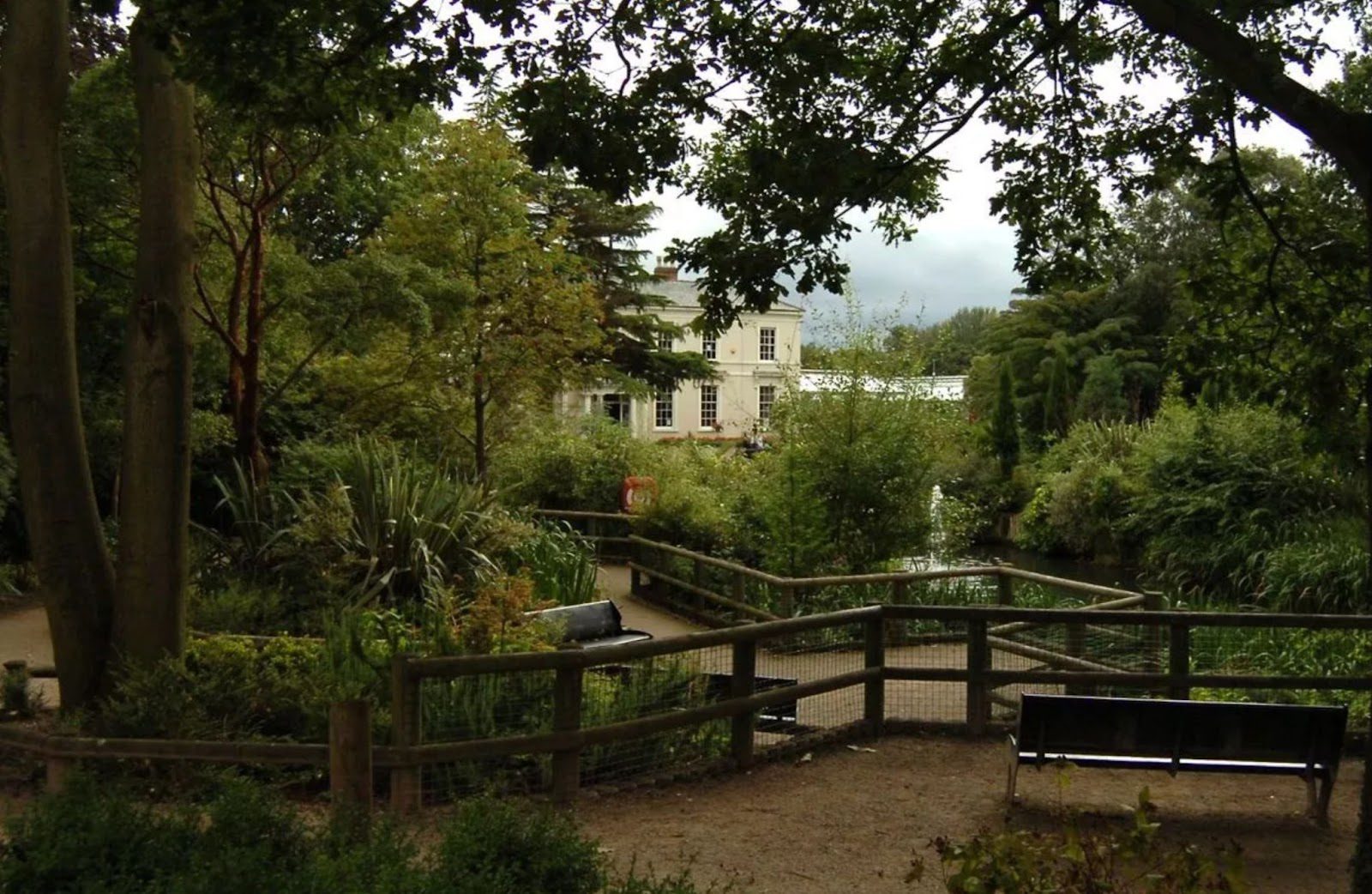
At the heart of the park is the Kings Heath House, built in 1832. The park can be accessed via Vicarage Road and Avenue Road, with dedicated pedestrian and vehicle entrances. For families, two playgrounds cater to different age groups: one for children aged 5–12 on Avenue Road (opposite Grange Road) and another for toddlers near the park lodge at the corner of Vicarage Road and Avenue Road.
Public amenities include a main toilet facility near the lodge, just beyond the greenhouses, and an open-to-the-public plant nursery. Learn more about Kings Heath Park and its evolution at birminghamname.com.
The Origins of the “Royal Waste”
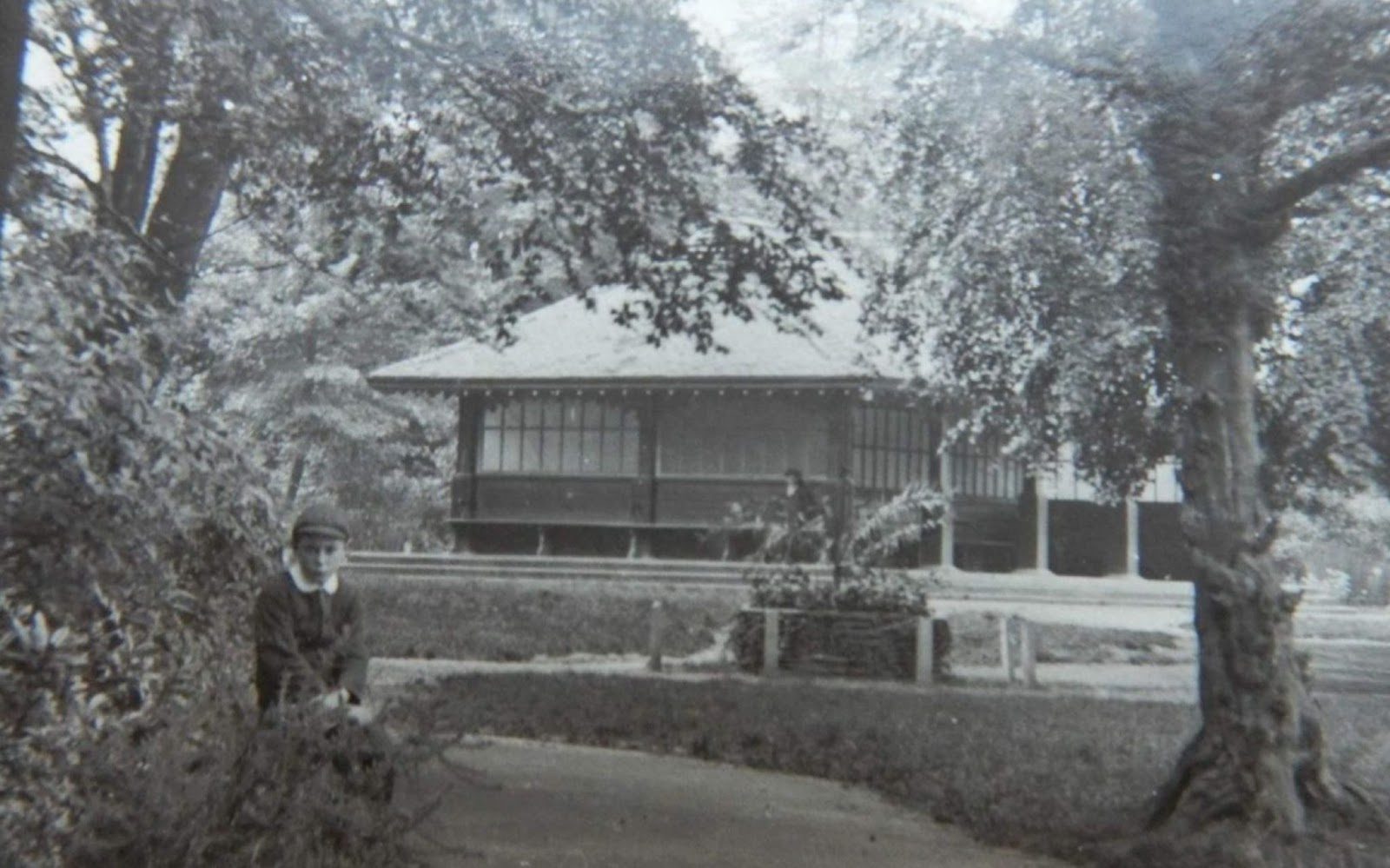
The name Kings Heath literally translates to “Royal Heath”, a reference to the area’s history as part of the Kings Norton Royal Estate. In the 18th and 19th centuries, wealthy Birmingham industrialists began constructing large private homes in the area, seeking an escape from the pollution of factories while remaining within easy commuting distance of the city.
One of the earliest landmarks in Kings Heath was the Cross Guns Inn, established along High Street in the 18th century. The inn’s owner was a gunmaker, which inspired its name.
During the 19th century, several grand mansions were built or repurposed in the area. One notable example was Priory Farm on Vicarage Road (formerly known as Blick Lane). In 1845, James Cartland, a copper smelter, purchased the property along with five hectares of land. He remodelled the farmhouse in a Gothic style, earning it the eerie nickname “The Monastery”.
The estate remained in private hands until 1940, when it was sold following the death of Major Howard Cartland. Eventually, the land was redeveloped into what is now King Edward VI Camp Hill School. Only a small walled structure from the original estate survives today.
The Evolution of Kings Heath Park
The origins of Kings Heath Park trace back to Kings Heath House, a grand mansion constructed in 1832. Its predecessor was destroyed in 1791 during the Birmingham Church and King Riots. The new house changed hands several times before being acquired by John Cartland in 1880, a successful brewer and an ancestor of novelist Barbara Cartland.
In 1901, the Cartland family leased the estate to Frederick Everitt, owner of the Kings Heath Brewery on Grange Road. However, the 1902 national financial crisis severely impacted the Cartland family’s fortunes. To protect their assets, they established the Priory Trust Co Ltd, which took ownership of the estate and considered developing it for residential use.
A significant turning point came in 1908, when the trust sold half of the estate to the Kings Norton and Northfield Urban District Council for £11,000. The local community advocated for the land to become a public park, and the council agreed. In 1914, the remaining portion of the estate was sold to Birmingham City Corporation for £5,000, and Kings Heath Park was officially established.
For several years, Kings Heath House served as a school, before being converted into Birmingham’s Horticultural College in 1952.
The Birth of the Television Garden
Due to its proximity to central Birmingham, Kings Heath Park became an ideal location for public events and projects.
In 1972, as television became an integral part of British culture, Kings Heath Park became home to a new TV gardening project. This was a collaboration between Birmingham City Council and ATV Television (later Central Television), resulting in the launch of the show “Gardening Today”.
The program aimed to teach viewers about garden design and maintenance, with Bob Price and Cyril Fletcher as the first presenters.
They transformed half an acre of barren land into the Elizabethan Garden, featuring:
- A Celtic knot brickwork design, where they planted herbs
- A greenhouse, enabling year-round gardening
- A vegetable patch, responding to viewers’ requests for affordable food alternatives
- A rose garden, weeping willow trees, and ornamental borders
To make gardening accessible for seniors, they introduced “no-dig gardening”, demonstrating how to grow potatoes without traditional soil excavation.
By 1985, Central Television determined that the existing garden had reached its creative limits for television purposes. They invested in expanding the garden, incorporating features such as:
- A beginner’s garden
- Low-maintenance zones for people with disabilities
- Sensory gardens for visually impaired visitors
The End of Television Partnership
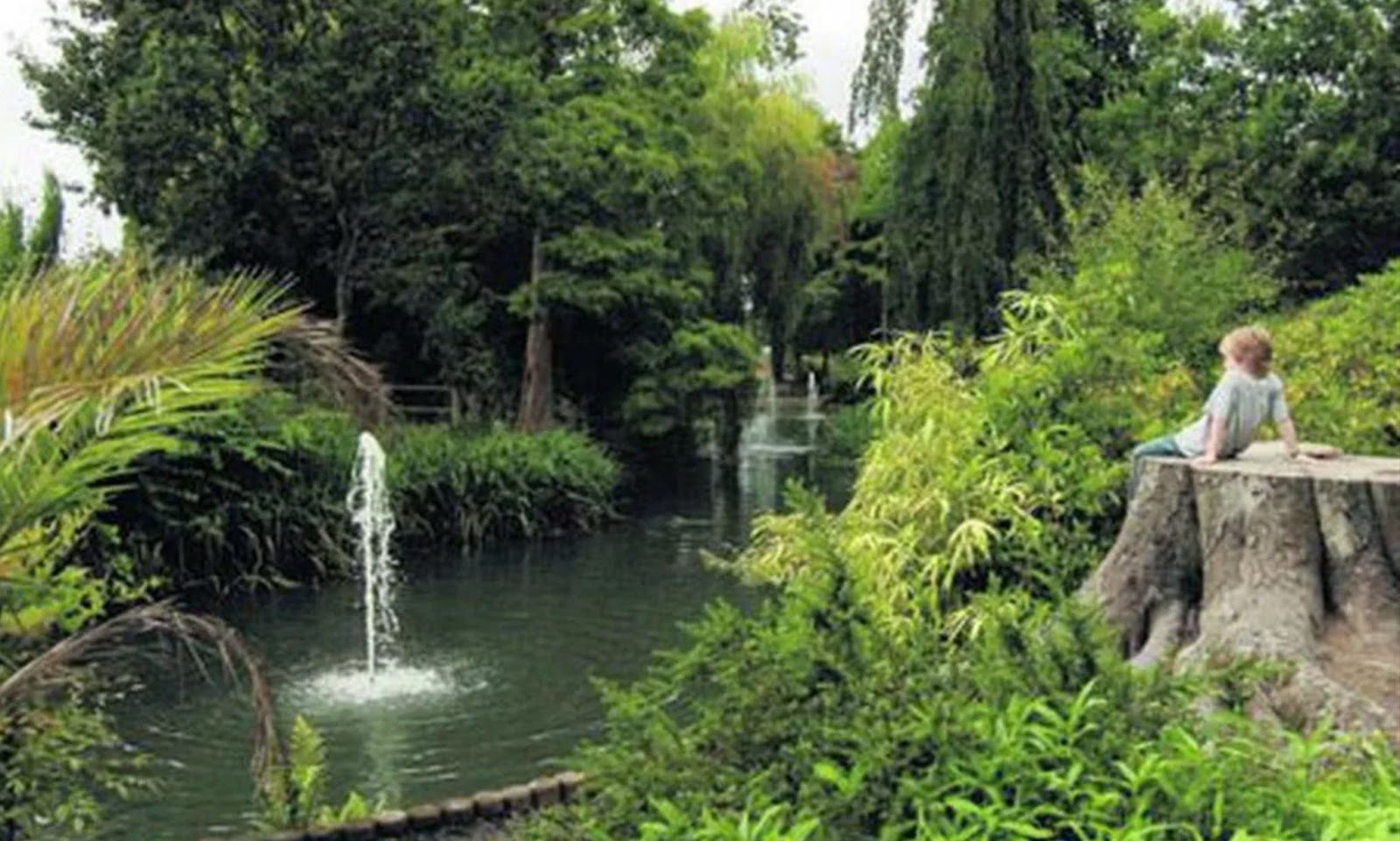
In 1989, presenter Bob Price passed away, and the show was rebranded as “Gardening Time”, with new hosts Howard Drury and Geoff Amos. The series evolved significantly, attracting sponsorship from companies such as Bradstone, Blooms of Bressingham, and Stapley Water Gardens.
Despite its success, by 1995, “Gardening Time” was removed from broadcast schedules, ending Central Television’s 23-year presence at Kings Heath Park.
Following this, the Horticultural School partnered with Pershore College, a nationally recognised horticultural institution, as well as Bournville College. Students from both colleges regularly used the park as a training ground.
In 1996, Kings Heath Park became the new home for BBC’s “Gardeners’ World”. Over the years, leading garden designers—including John Brookes, Robin Williams, Dan Pearson, Joe Swift, and Bonita Bulaitis—created a variety of landscapes for the show.
The park also hosted “Gardeners’ World Live”, featuring demonstration gardens designed by Chris Beardshaw and Rachel de Thame, reconstructed by Pershore College students in 2003.
Today, Kings Heath Park remains a beloved green space, serving as a recreational and educational hub for the local community.