

Park · Birmingham · ⭐ 9.3/10 · 6071 reviews · updated: 2026-08-04 15:57:34
Address: Salter's Ln, West Bromwich B71 4BG, United Kingdom
Sandwell Valley Country Park — farmland, lakes and a lost priory on Birmingham’s north-western edge
A broad belt of green follows the River Tame where Birmingham meets West Bromwich, running north towards Walsall: some 270 hectares of country park inside a much wider stretch of protected valley. Coal was mined here until the 1960s, and the pits left behind the raw material of the landscape you walk today — spoil reshaped into lakes that now hold breeding waders, farmland still worked, woodland closing over the foundations of a Benedictine priory. Half a million visits a year pass through it.
Highlights
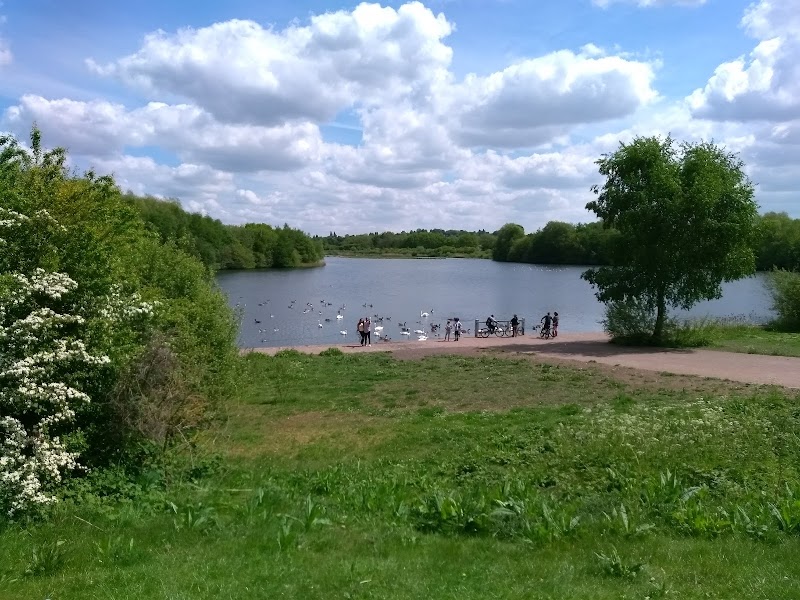
- Forge Mill Lake and the RSPB reserve — the lake was completed in 1981 as a flood storage basin for the Tame; the RSPB manages part of it, including one of its two islands, and more than 150 bird species have been recorded.
- Swan Pool — the valley’s sailing water, known historically as Wasson or Warstone, and home to a sailing club as well as swans and wildfowl.
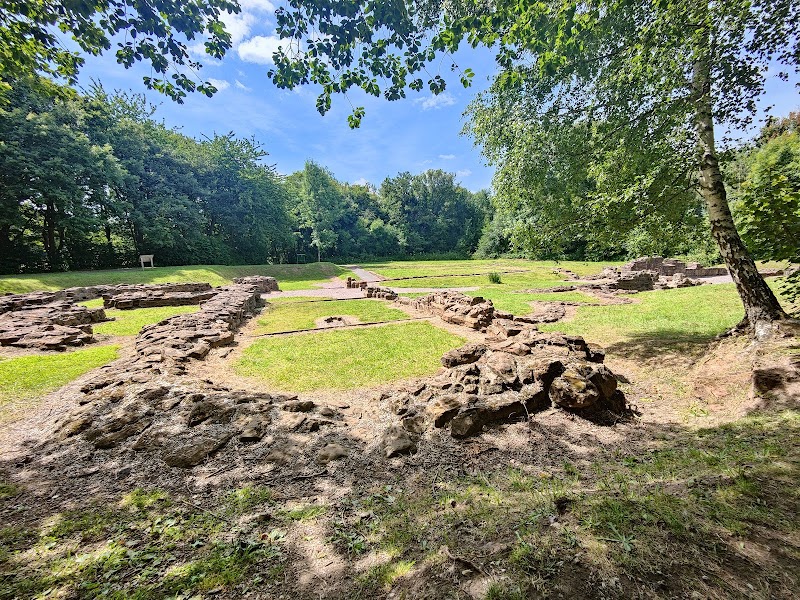
- Sandwell Priory — the excavated foundations of a Benedictine house, hidden in Priory Woods and dug between 1982 and 1988, when the graves of five priors came to light.
- Forge Mill Farm — a genuinely working farm using modern methods, with a farm shop, farm trail, animal barn, indoor play barn and café.
- Sandwell Park Farm — the restored Victorian farm that serves as the valley’s visitor centre, with a walled kitchen garden, historic farmyard, tea room and rare-breed Hereford cattle and Berkshire pigs.
- Priory Woods and Forge Mill Lake — Local Nature Reserves since 1991, of 21 and 63 hectares, covering native woodland and pools on one side and river-fed open water on the other.
What you’ll find
The valley is less a park than a working landscape: farm, water, wood and meadow strung along a river, with the paths doing the joining.
- A footpath circuit of Forge Mill Lake beside the River Tame, level enough for a pushchair and the best of the birdwatching.
- A purpose-built mountain bike trail and a stretch of the Millennium cycle route for easier riding.
- Pitch-and-putt golf, tennis courts and wide open grassland for anyone who just wants space.
- An adventure playground outdoors and an indoor play barn for younger children and wet afternoons.
- Wildflower meadow, marsh and dappled woodland managed for wildlife, with a Green Flag Award for the standard of upkeep.
- A free weekly five-kilometre parkrun on Saturday mornings, run by volunteers, and an RSPB visitor centre with a feeding station and pond-dipping kit.
Things to do — and who it’s for
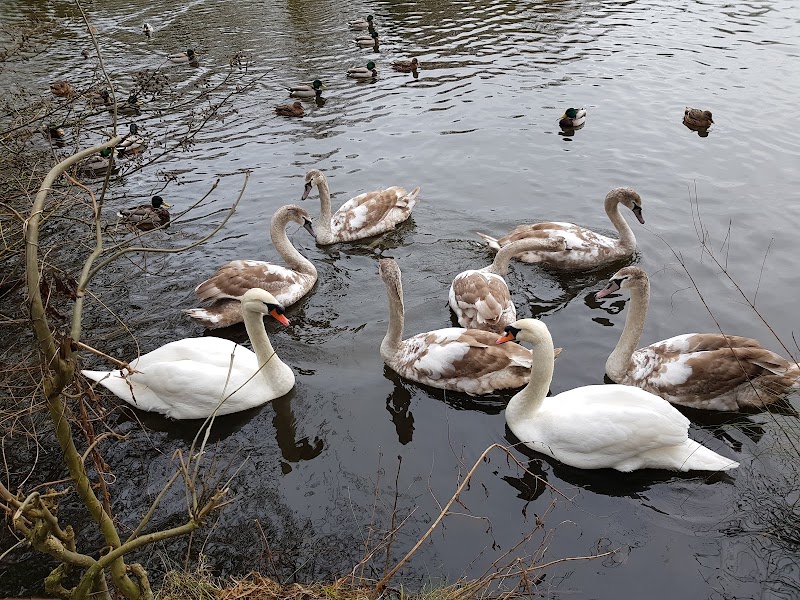
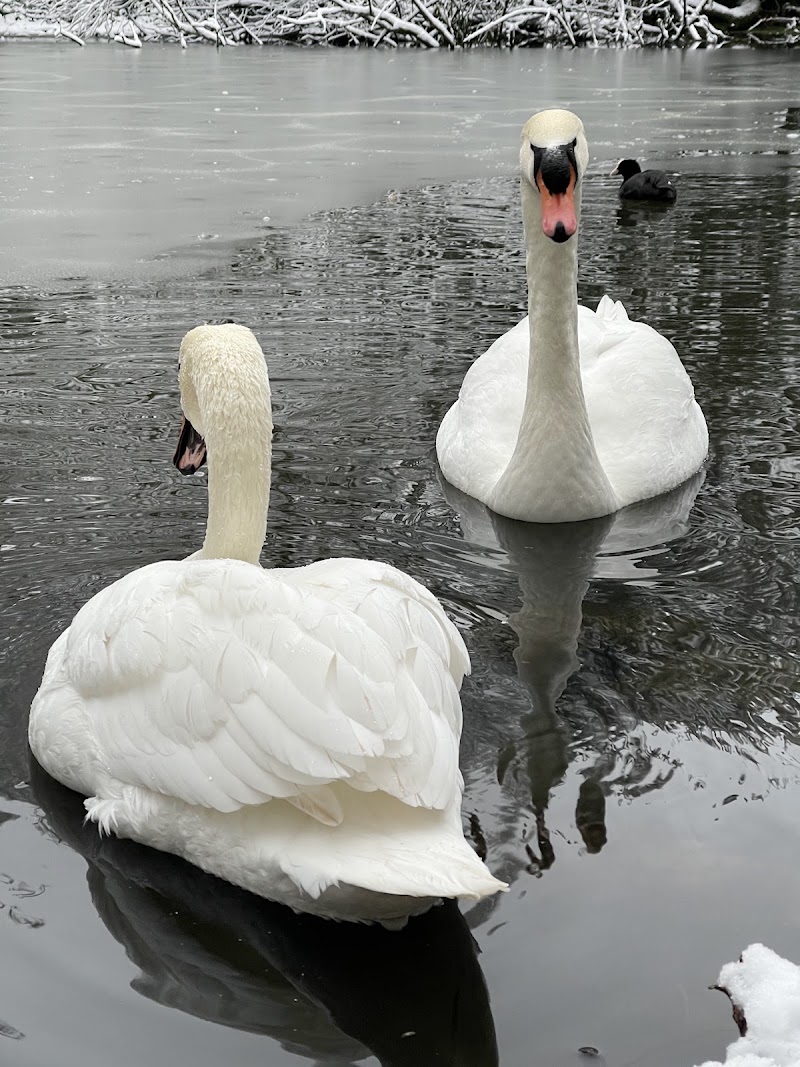
- Birdwatchers — lapwing, little ringed plover and oystercatcher breed here, great crested grebes and mute swans stay all year, and winter brings goosander, shoveler, wigeon, teal, pochard, snipe and water rail.
- Families — two farms with animals to meet, playgrounds indoors and out, and flat lakeside paths that take a pushchair without complaint.
- Runners — the Saturday parkrun plus long off-road loops where you never have to cross traffic.
- Cyclists — waymarked riding gentle enough for children, and a technical mountain bike trail for those who want the other thing.
- Dog walkers — miles of lead-friendly path well away from roads, though livestock and ground-nesting birds mean leads in places.
- History walkers — priory foundations, the earthworks of a vanished hall and reclaimed colliery ground that read, in one circuit, as a single eight-hundred-year story.
Getting there & practical
The valley lies north-west of Birmingham city centre, between West Bromwich and Hamstead, and sits astride the boundary: most of it falls within Sandwell, while the RSPB reserve is on the Birmingham side. Hamstead is the nearest railway station for the reserve, a short walk away; Sandwell & Dudley serves the West Bromwich end, with frequent buses from that town centre to the farms and visitor centre. A motorway crosses the middle of the park, which sounds worse than it feels once you are down among the lakes. Entry to the country park is free and the paths are open all year round, with car parks at the main entrances. The farms, visitor centres and the lakeside hide keep their own daytime hours, largely Tuesday to Sunday and shorter in winter, so check before planning a visit around them. Allow half a day to link the lake, the woods and one of the farms; a full day if you intend to walk the valley end to end.
When to visit
Spring is the reason to come: lapwings tumble in display over the pools, little ringed plovers return to the gravel scrapes, and warblers and reed buntings take up territory around the water. Summer brings meadow flowers and butterflies, dinghies out on Swan Pool, and the farms at their busiest with young stock and seasonal events. Autumn feeds redwings and fieldfares on the hedgerow berries, turns Priory Woods gold, and produces the best fungi of the year in the older woodland. Winter fills the open water with goosander, shoveler, teal and pochard, pushes snipe and water rail into the marshy edges, and strips the trees back so the outlines of the priory and the old hall terraces are easiest to read.
Good to know
People have used this valley since the Mesolithic — flint tools have been found here — but its name comes from a spring, the Sand Well, recorded in the priory’s own foundation charter. A hermitage stood beside it before Gervase Pagnel of Dudley Castle confirmed the grant made by William, son of Guy de Offini, which established a Benedictine priory here in the late twelfth century. By the thirteenth century the monks held two mills; one of them, a corn mill, became an iron forge after the Dissolution and passed to the Whorwood family in the early seventeenth century, which is how Forge Mill got its name. Cardinal Wolsey dissolved the priory on 4 February 1525, among the small houses suppressed to endow his college. In 1701 Lord Dartmouth bought the land and Sandwell Hall was built by 1705, seat of the Earls of Dartmouth; it later served as an asylum and then a boys’ school. Subsidence from Jubilee Colliery condemned the house, and its demolition in 1928 revealed monastic masonry reused inside the eighteenth-century walls. The collieries closed in the early 1960s, the spoil and earthworks were reshaped into today’s lakes, and the country park was formed from what remained. Forge Mill Lake was finished in 1981 as flood protection for the Tame, archaeologists excavated the priory between 1982 and 1988, and both nature reserves were designated in 1991.
Visitor tips
- Wear boots after rain: this is the floodplain of the Tame, and it holds water long after the paths look dry from the car park.
- The lakeside hide opens Tuesday to Sunday around the middle of the day, so bring binoculars and time your visit to it; the visitor centre feeding station is at its best in winter.
- Treat the two farms as separate outings — they sit at opposite ends of the valley, and trying to do both plus the reserve in one go turns a good day into a march.
Questions & answers
Is there a charge to enter? No. The country park, its paths and both nature reserves are free to walk at any time of year; individual attractions such as the farms set their own admission and opening hours.
Is it in Birmingham or Sandwell? Mostly Sandwell, close to West Bromwich, but the valley runs right up to the city boundary and the RSPB reserve itself lies on the Birmingham side at Hamstead — which is why the park counts as a Birmingham green space as much as a Black Country one.
Can I see the priory ruins? Yes. The low excavated foundations survive in Priory Woods and are freely accessible on foot. The site is a protected monument, so it is for looking at and reading about rather than climbing on.
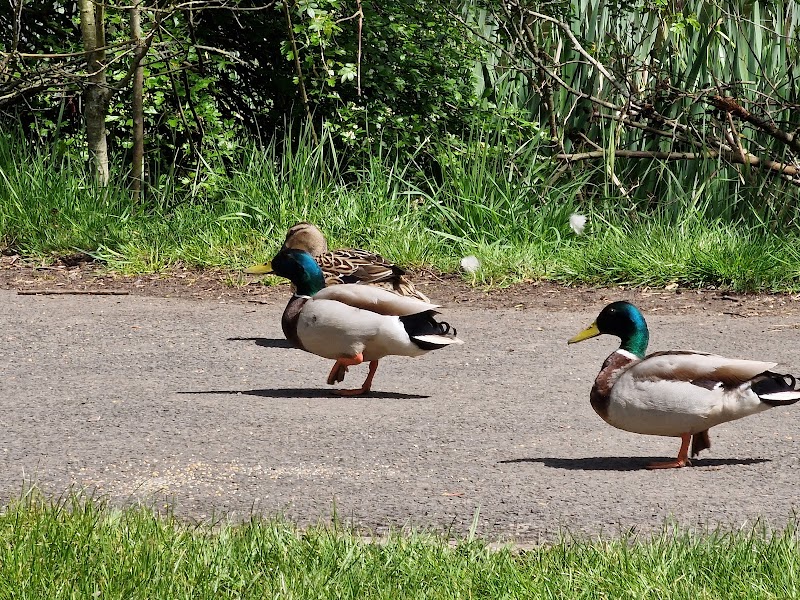
What birds should I look for? Lapwing, little ringed plover and oystercatcher breed here; great crested grebe, coot, moorhen, mute swan and Canada goose are present all year; kingfisher and reed warbler reward patience; and winter brings goosander, wigeon, teal, snipe and water rail.
Is it good for young children? Yes: farm animals at both farms, an indoor play barn for bad weather, an adventure playground and flat lakeside paths that take a pushchair the whole way round the lake.
Can I get there by public transport? Yes. Hamstead station serves the RSPB reserve directly, while Sandwell & Dudley and buses out of West Bromwich reach the farm and visitor centre end of the valley.
Photos
Show 1 more photos
Visitor reviews
Reviews last updated: 2026-08-04 15:57:34
Data is refreshed monthly. Sources: birminghamname.com and editorial picks based on reviews.
I recently visited Sandwell Valley Country Park in West Bromwich and had a fantastic experience. It's a beautiful and peaceful place, perfect for escaping the busy city and enjoying nature.
The park is very well kept, wi…
It was a wonderful day with the family.
The most interesting part was walking across the bridge over the M5, as my son has always been fascinated by motorways.
I really enjoyed the time spent there with the family!
A wonderful open space. We visited this place on Easter Sunday with the family. I don't live in the Sandwell area; my daughter lives 2 hours' drive away. My 4-year-old grandson loved it there. We brought a bike with us a…
I've been to West Brom quite a few times and never knew this park was hidden here. It's also quite a large area, so I was very surprised.
Parking is fairly cheap, you can pay with coins or through an app, and there's pl…
Wonderful parks and paths, some parts are lacking/need replacing, but they're suitable for all ages. The water area looks a bit neglected, but it could be cleaned up for the summer. Lovely pond, though there are no swan…