

Birmingham is frequently celebrated as a city of canals. Volumes have been written about these man-made waterways: they powered the Industrial Revolution, transported coal, iron, and manufactured goods across Britain, and today draw crowds of tourists and weekend walkers. Yet cast in the shadow of these famous canals are Birmingham’s actual rivers. They are mentioned far less often, even though their impact on city life and the environment is just as vital. Unlike the canals, these rivers were never engineered for industry—they flowed freely long before factories, railways, and modern housing estates ever took shape.
The River Cole and River Rea wind through urban boroughs, parks, and green corridors, providing critical habitats for fish, insects, birds, and other wildlife. At the same time, centuries of urban expansion, heavy industry, and channel modification have taken a heavy toll. Today, stretches of these rivers look more like concrete drainage flumes than thriving living ecosystems.
At birminghamname.com, we decided to set the record straight and turn the spotlight onto Birmingham’s natural rivers. In recent years, the city has moved beyond talk and begun rolling out tangible restoration projects. Bringing a river back to life, however, has proven far more challenging than encasing its banks in concrete ever was.
Birmingham’s Rivers Under Threat: How Concrete Banks, Weirs, and Modified Channels Decimate Ecosystems
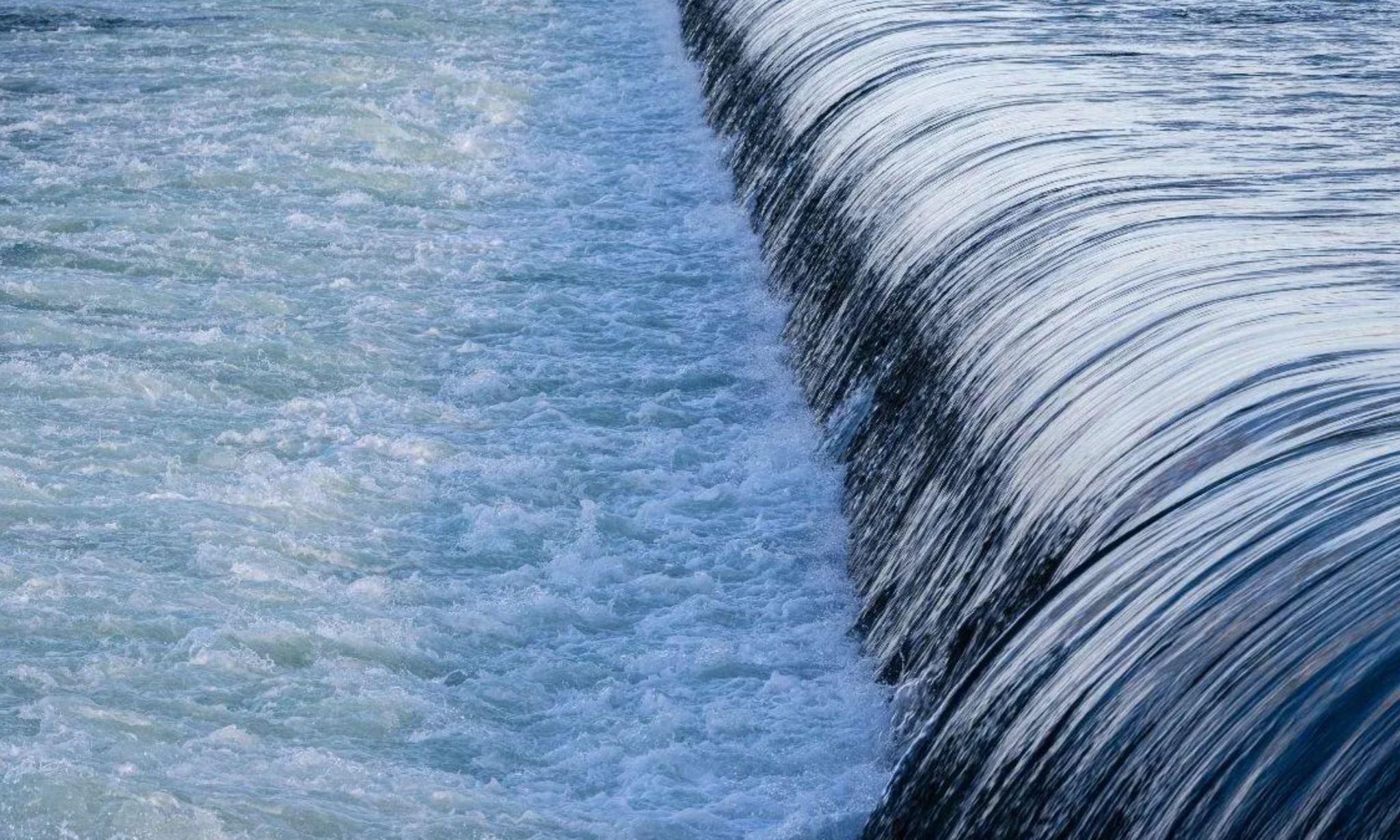
Over the centuries, locals reshaped Birmingham’s rivers to suit the demands of a booming industrial metropolis. Channels were straightened, forced into culverts, lined with concrete, and blocked by weirs. For industrialists, this was practical: water flows became predictable, and surrounding floodplains could be repurposed for factories, roads, and rail lines. Nature, however, rarely conforms to engineering blueprints.
A natural river is far more than a trench carrying water between two banks. It transports sand and gravel, carves out shallows and pools, erodes banks in some spots, and deposits silt in others. This natural movement creates a rich tapestry of microhabitats. Once a riverbed is straightened and encased in concrete, this delicate balance collapses, stripping the ecosystem of its biodiversity.
Weirs take an especially heavy toll. Even a modest obstacle can completely cut off fish migrating upstream to spawn. Upstream of the barrier, sediment accumulates, flow rates plummet, and the riverbed changes dramatically. Species that thrive in fast-flowing, gravel-bottomed currents find themselves driven out of their native habitats.
Concrete banks also sever rivers from surrounding green spaces. Water rushes down canalised channels at unnatural speeds, while natural floodplains that once soaked up heavy rainfall have long been buried under tarmac and bricks. While a concrete wall does not automatically cause a flood, heavy engineering deprives the river system of its natural resilience and ability to buffer extreme weather.
On top of physical barriers, pollution remains a persistent threat. Urban runoff washes motor oils, road dirt, and toxic particles straight into the water, while sewer overflows periodically compromise water quality. The river ends up fighting multiple battles at once. Tearing down a single weir is a step forward, but it is rarely enough to heal an entire river system.
Restoring the River Cole and River Rea: Bringing Fish and Wildlife Back to Birmingham
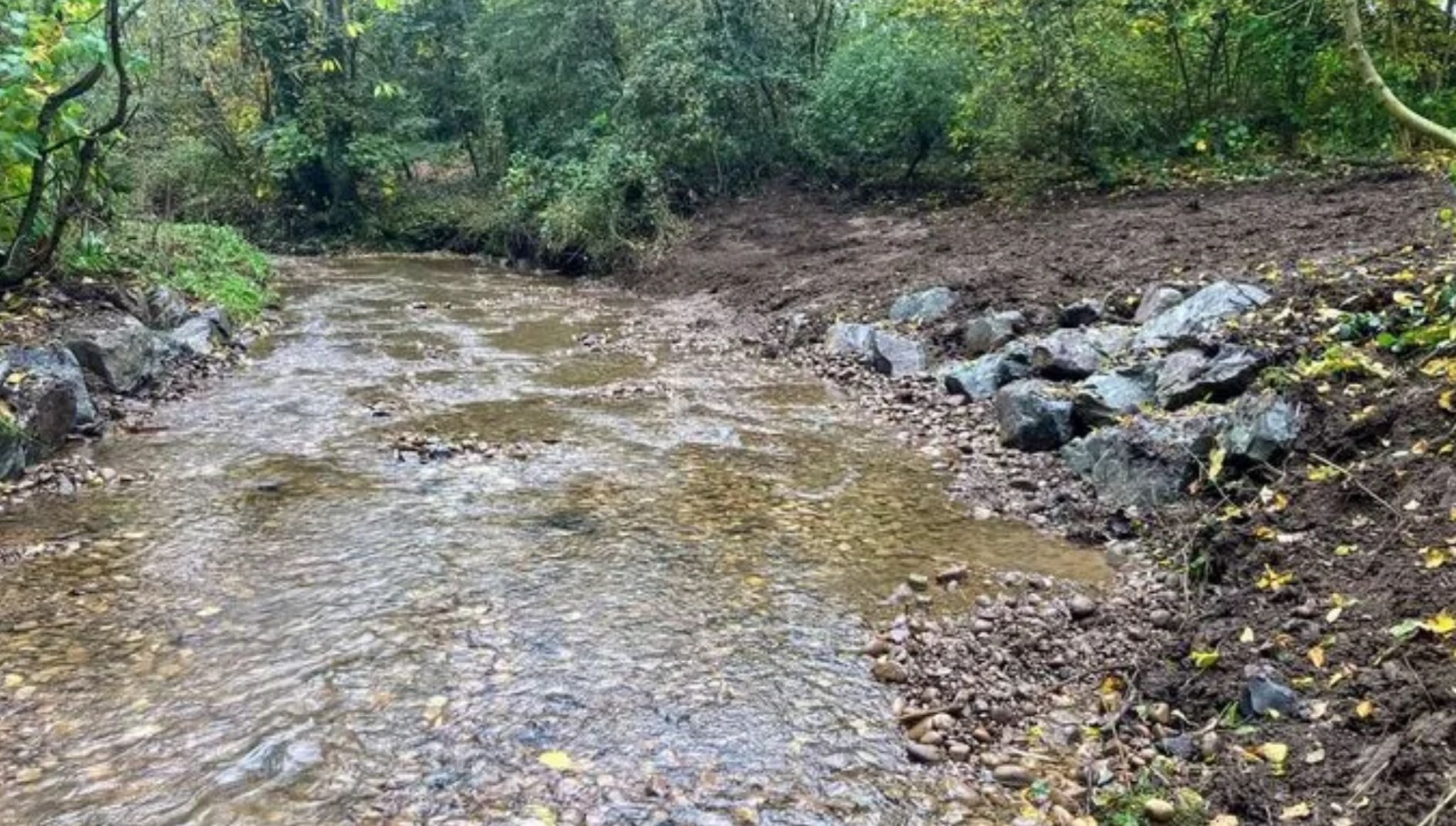
One of the most compelling examples of ecological restoration in Birmingham unfolded on the River Cole. In October 2022, near the Ackers Adventure centre, contractors removed Ackers Weir—a barrier first erected back in 1852. For decades, this 2.6-metre concrete structure stood as an impassable roadblock to migrating fish and disrupted the natural flow of river sediment.
Following the weir’s demolition and riverbed re-profiling, roughly 14 kilometres of river reopened for fish migration. It was a milestone achievement, reconnecting habitats that had been severed for generations. Yet opening a migration corridor does not automatically guarantee an instant population boom. Sustainable recovery requires clean water, viable spawning grounds, and sustained monitoring.
The River Cole project shows just how long-lasting the consequences of a single engineering choice can be. The weir was built in the mid-19th century when economic utility trumped all else. Nearly 170 years later, environmental specialists had to step in and undo the work to restore natural ecological processes. It is a striking irony that substantial public resources are now spent correcting what was once celebrated as “improving on nature.”
Another major initiative centres on the River Rea and its tributaries. The Natural Rivers and Green Corridors programme focuses on revitalising river corridors, restoring natural bank profiles, removing physical barriers, and strengthening biodiversity. The scheme also embraces nature-based flood management solutions, with its second phase running until March 2027.
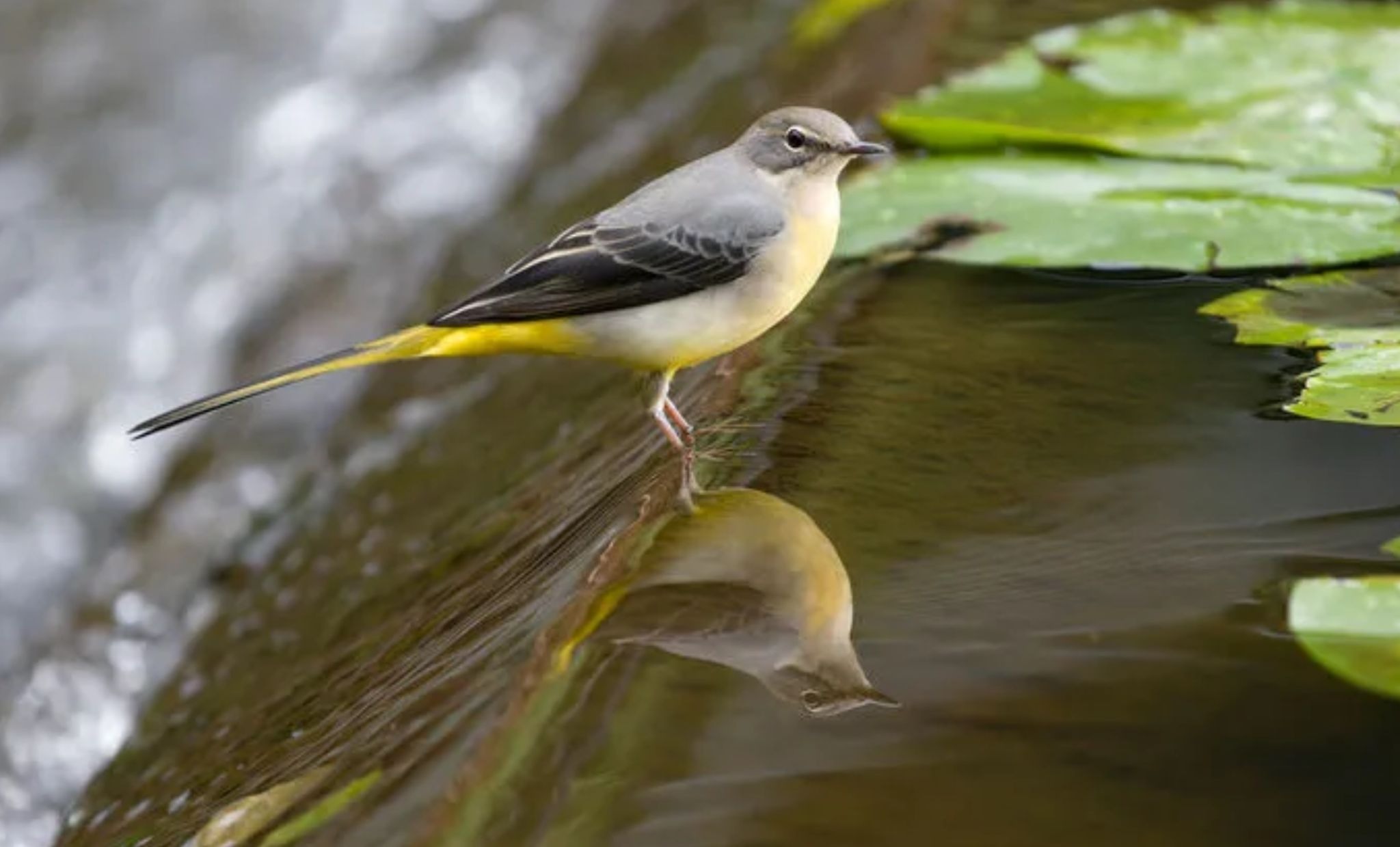
For aquatic life, these changes are transformative. A dynamic riverbed with alternating riffles and deeper pools offers diverse niches for fish, insect larvae, and other invertebrates. Dense bankside vegetation casts cooling shade, filters surface runoff, and provides shelter for birds and small mammals.
Water Quality in Birmingham’s Rivers: How Scientists and Volunteers Monitor Aquatic Health
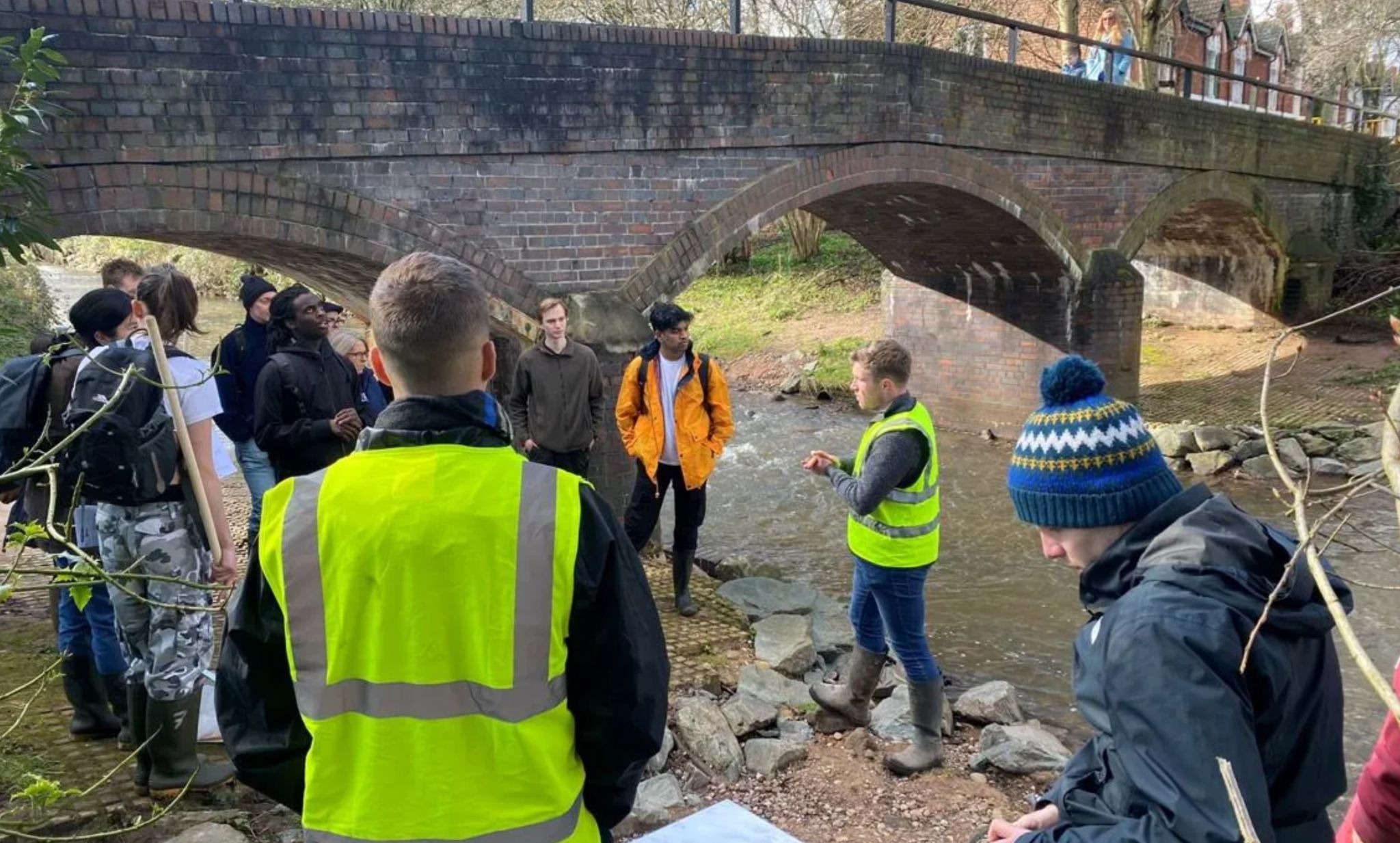
Physical restoration is only half the battle; knowing whether a river is truly recovering is just as vital. That is why researchers and local citizen scientists in Birmingham are playing an increasingly central role, tracking water quality and ecosystem health across the city.
A prime example is the Birmingham River Champions initiative. According to University of Birmingham findings published in June 2026, more than 200 volunteers across 23 community groups joined the push to monitor local watercourses. Together, they gathered over 400 samples, providing scientists with crucial data on urban water health.
Freshwater invertebrates receive special attention. Insect larvae, molluscs, and small crustaceans serve as biological early-warning systems. Sensitive species vanish quickly when oxygen levels drop or pollutants spike, while hardy species endure harsher conditions. Monitoring these communities gives scientists an accurate picture of the river’s health over the long term.
Despite these encouraging steps, significant hurdles remain. Conservationists must continue curbing urban runoff, upgrading sewer networks, clearing remaining fish barriers, and protecting riverbank corridors. Just as importantly, they must ensure restored river stretches do not end up as isolated green islands stranded amid concrete channels.
Why Restoring Birmingham’s Rivers Matters for the City’s Future
Birmingham’s river network is far more expansive than it might seem at first glance. While the River Tame, River Rea, and River Cole are the best known, the city is criss-crossed by dozens of smaller brooks, streams, and tributaries—many buried in underground culverts or squeezed between dense housing developments.
Today, Birmingham’s rivers are finally stepping out from the shadow of its historic canals. The River Cole and River Rea remind us that urban nature is not limited to manicured parks and neat lawns. Real wildlife thrives in flowing water, along natural banks, and among the countless unseen organisms that keep these waterways alive.