

Birmingham is located in the center of England, in the West Midlands region—that is a fact. Before intensive urbanization, most of the city and its surroundings were marshy—that’s the second fact. There were especially many marshes in the valleys of the River Trent and River Soar, as well as in the lowlands near small streams and lakes.
And here is the third indisputable fact: historically, swamps played a significant role as natural water filters, slowing down rapid runoff into rivers and preserving local flora and fauna. During the industrial revolution, most of the marshes were drained for construction, sewerage, and railway lines. That’s the short version, but you can read more about it here: birminghamname.com.
The history of England’s wetlands
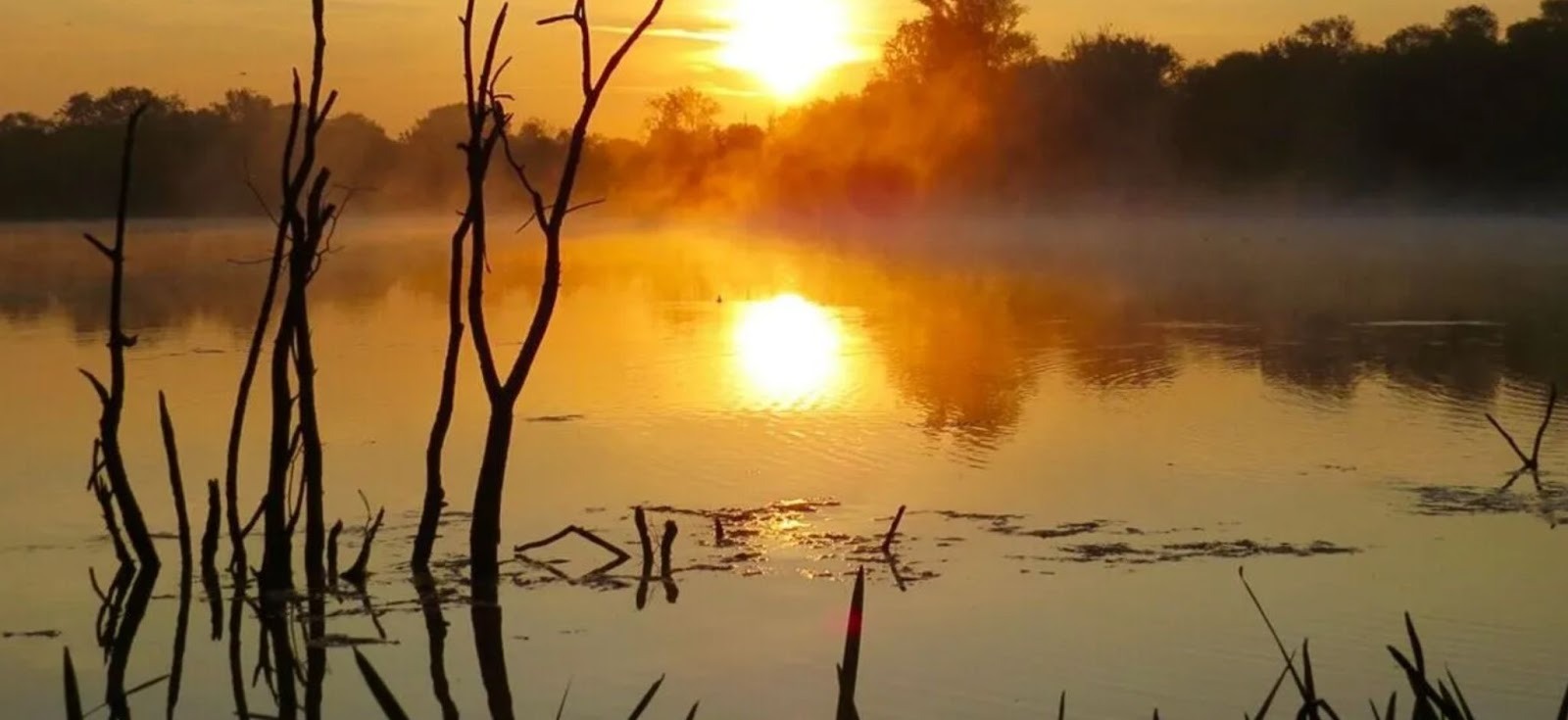
Wetlands have always played an important role in England’s natural landscape. Before the country underwent large-scale urbanization and industrialization, a significant part of its territory was covered by wetlands, especially in low-lying areas.
Large peat bogs stretched across eastern England, northern Yorkshire, and the western areas of Manchester. The marshes acted as a natural filter for water systems, retaining excess water during rainfall and creating unique conditions for flora and fauna.
In turn, people have long tried to adapt swamps to their needs. They built canals, drained land, and engaged in land reclamation and agriculture. In addition, they extracted peat, which was often used as fuel, especially in periods when forest resources were limited.
As a result, the country’s largest wetlands, including the Northern Irish peat bogs, Norfolk Marshes, and Somerset Moors, have gradually shrunk due to agricultural development and industrial needs.
In general, it is not surprising that such mysterious and impenetrable places became a source of legends and inspired writers. After all, the local swamps always looked mysterious, creating an atmosphere of uncertainty and anxiety, becoming the backdrop for literary stories. One of the most famous examples is Arthur Conan Doyle’s novel The Hound of the Baskervilles.
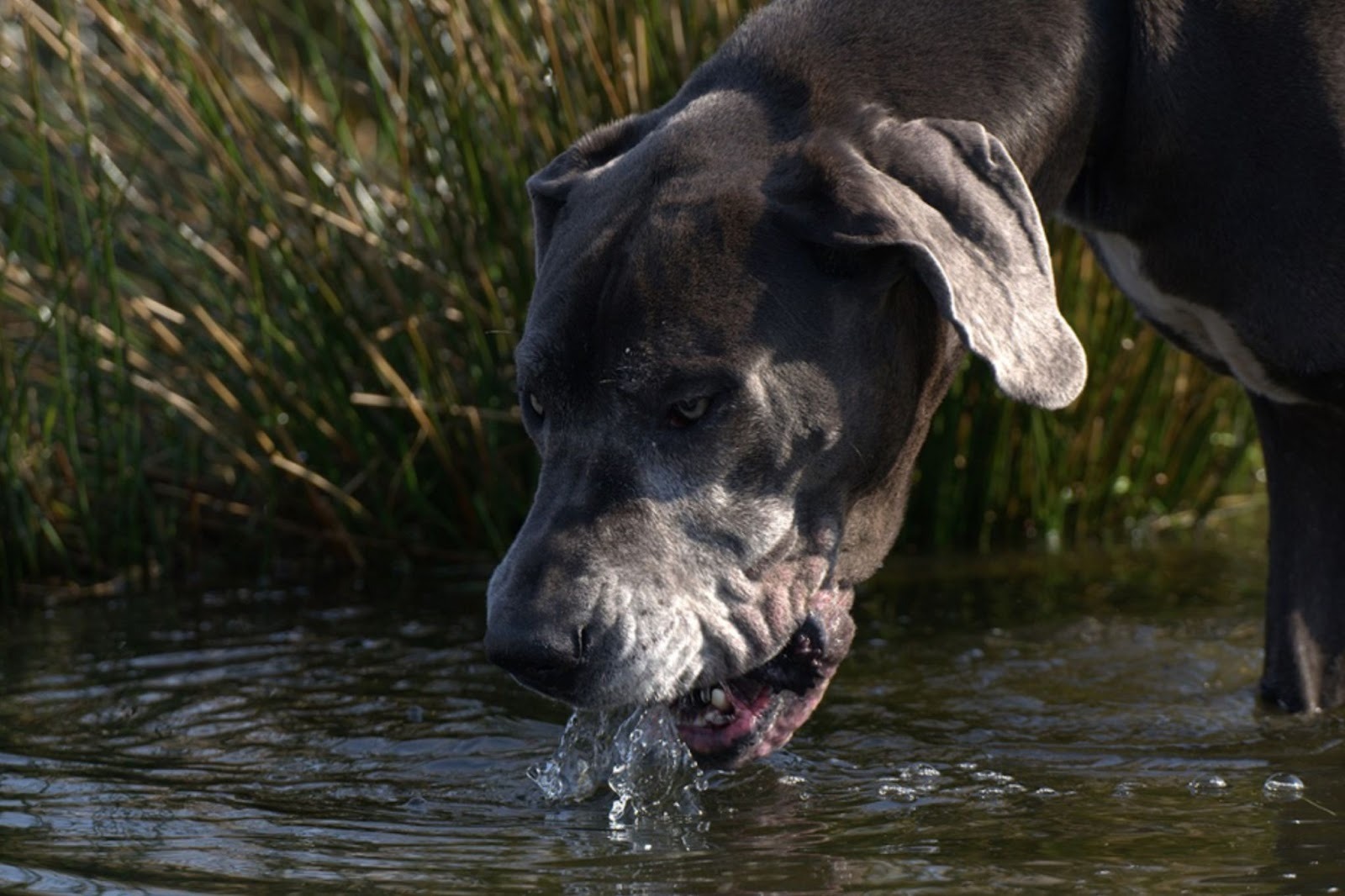
Part of the story takes place in the mysterious, misty moors of southwest England, where a mystical legend about a ghost dog haunting the Baskerville family lives on.
The swamps in the novel are not just a backdrop; they are an active participant in the plot—creating an atmosphere of danger, isolation, and uncertainty; hindering the movement of the characters and helping to hide the pursuer; and ultimately “taking away” the main negative character.
These marshy areas have become a symbol of danger and nature untamed by man. The landscape, with its quagmires, small streams, and thick reeds, perfectly conveys the gloomy, mysterious atmosphere of Victorian England.
It is the swamps that add a unique flavor to the story, combining the real natural features of the region with a mystical atmosphere that has made the novel a classic of detective literature.
Incidentally, the novel The Hound of the Baskervilles is set in the moors and surrounding areas of Dartmoor, a large national park in the county of Devon, in the southwest of England. Although Dartmoor is located about 280–300 km southwest of Birmingham, which is quite a distance—more than 3–4 hours by car—the nature of the moors, misty floodplains, and peat bogs described by Doyle has much in common with the typical moors of central and southwestern England.
The Birmingham Marshes: historical areas and human activity
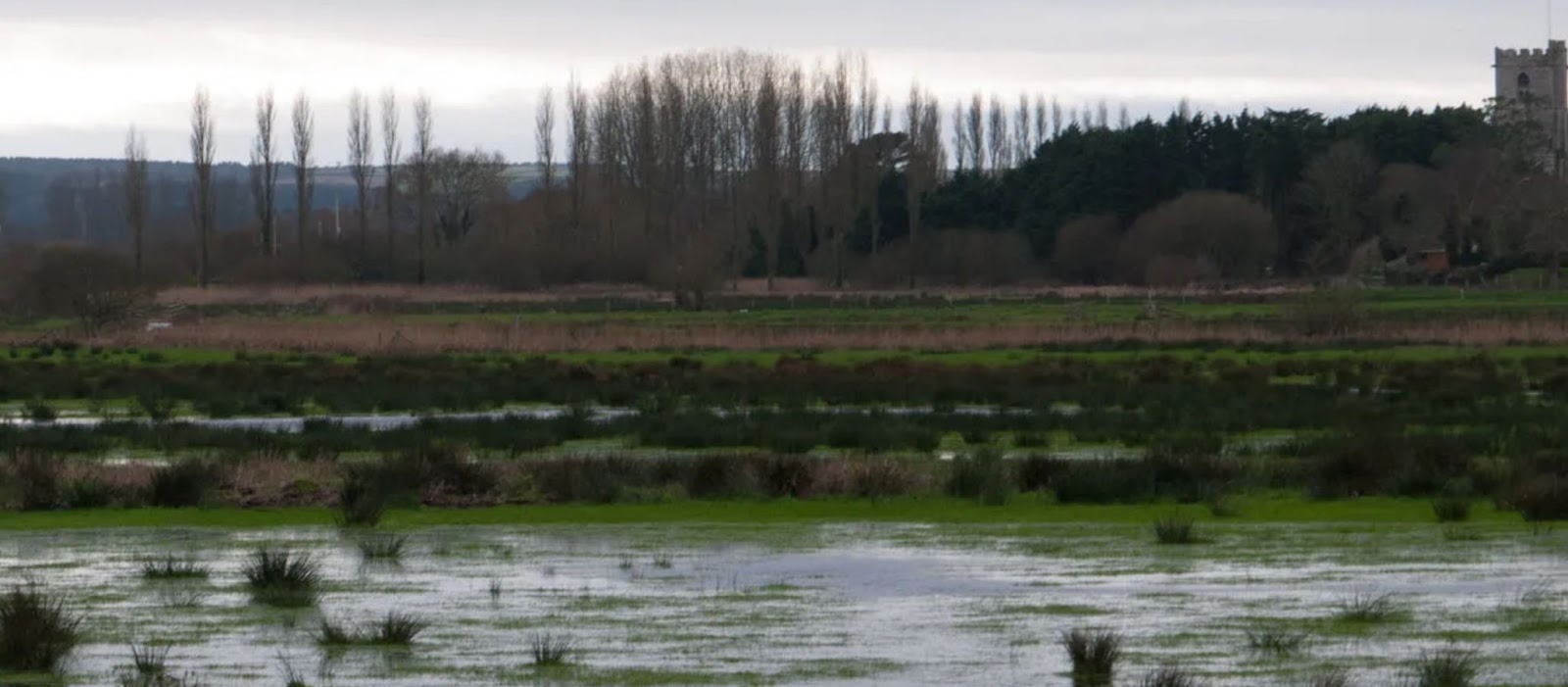
Within modern Birmingham, marshlands were also widespread. Until the 19th century, most of the low-lying areas around the River Trent and River Soar remained marshy. Among the well-known historical names of local marshes are Moseley Bog, Plants Brook Marshes, and individual floodplains along small streams. The areas of these marshes varied from a few hectares to dozens of hectares in the form of large floodplain systems.
The local population used the marshes not only to obtain peat, but also for grazing livestock and collecting reeds and other plant materials. Peat was extracted gradually, by hand, leaving behind characteristic trenches, which gradually turned into small ponds and oxbows.
With the onset of the Industrial Revolution, many areas were drained, built up, or converted into parks and agricultural land.
Current state of the Teym marshes and wetlands
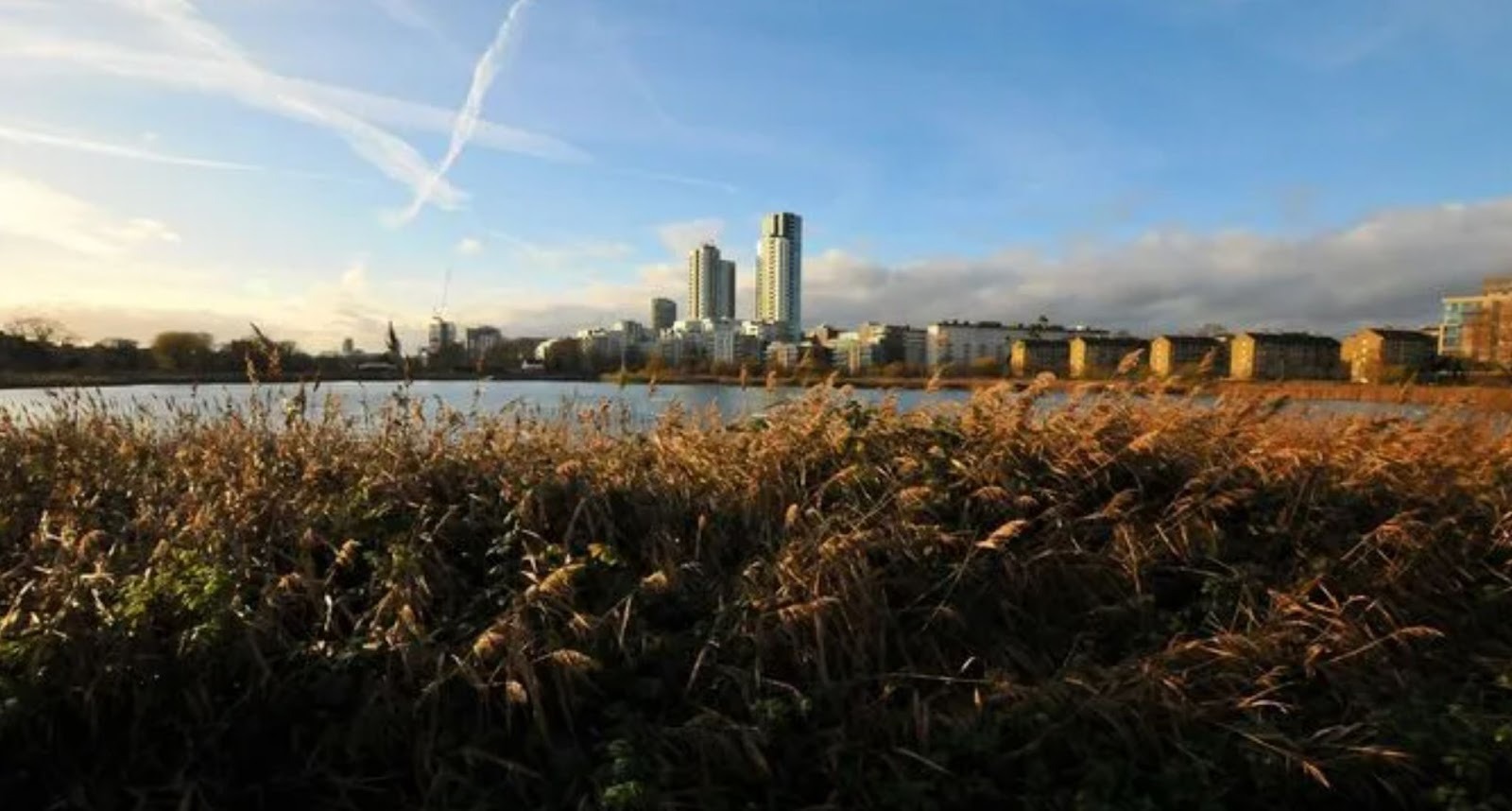
The current state of Birmingham’s wetlands has changed significantly since those ancient times. Only fragments of natural areas remain, which are protected as nature reserves and local nature reserves. Of particular importance is the Tame Wetlands Valley, which encompasses floodplains, lakes and small streams. This system provides natural water filtration, maintains groundwater levels and protects the city from flooding.
The River Cole is also located here, where numerous projects are underway to improve its riparian environment. It should be noted that Birmingham lost more than 80% of its ponds between 1904 and 2009, indicating significant pressure on urban wetlands. Climate change, including hotter and drier summers, poses threats such as habitat drying and increased pollution concentrations.
Against this backdrop, considerable efforts are being made to preserve the wetlands. A £1.8 million grant from the Heritage Lottery Fund has helped to finance restoration work, including improving access, creating new habitats and combating invasive species, such as Himalayan balsam.
In addition, the University of Birmingham is actively involved in research on, for example, the impact of changes in air quality policy on methane emissions from these ecosystems. These wetlands also serve as important green spaces for recreation, with several projects underway to create new footpaths and cycle paths connecting communities.
Flora, fauna, and ecological significance of marshy areas
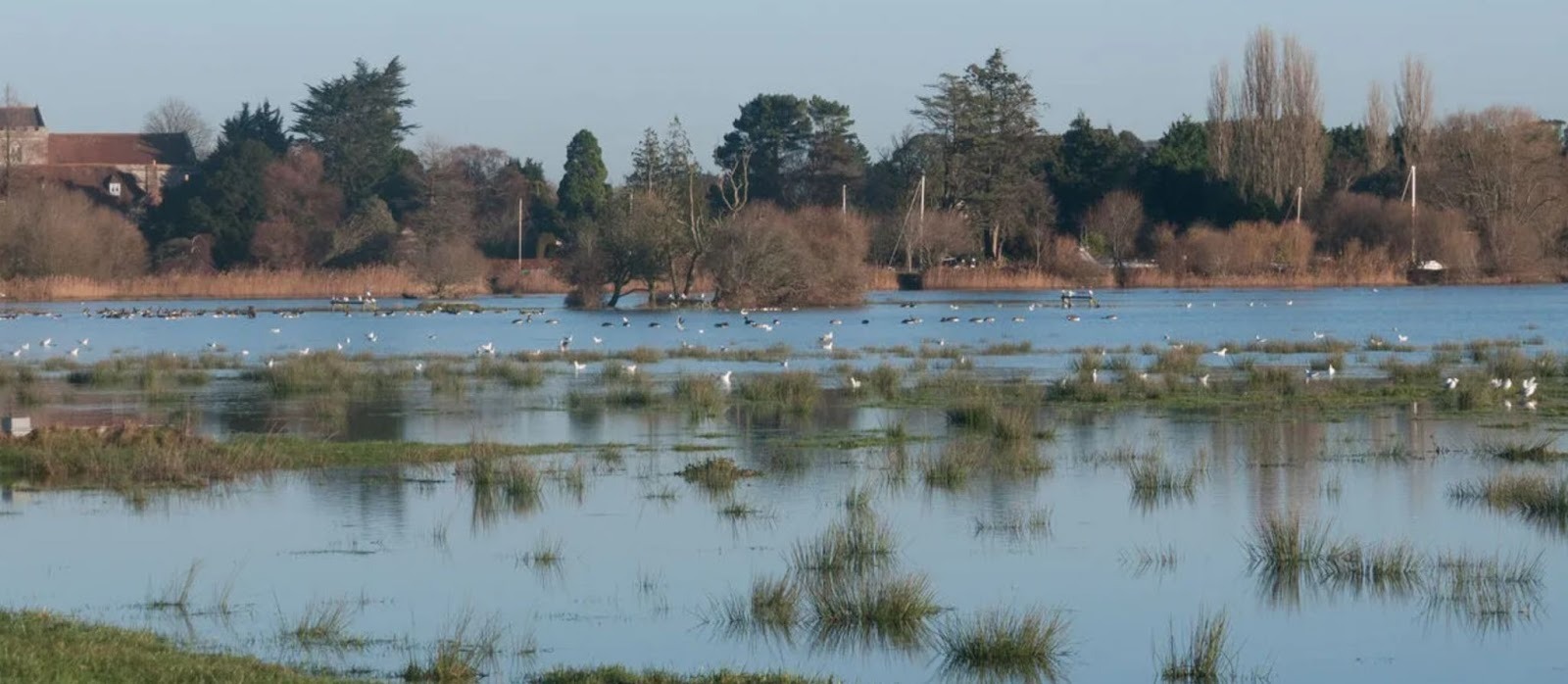
The flora of Birmingham’s marshy areas is quite diverse. Here, you can find reeds, cattails, sedges, and various mosses, including sphagnum mosses. Wild orchids, marsh bells, and rare grasses grow in the floodplain meadows. Some species are listed in the UK Red Book, including the marsh orchid and bumblebee-like species of marshy meadows.
As for fauna, it is no less diverse and varied. The marshy areas of Birmingham support populations of many species of water birds: reed warblers, moorhens, herons, and ducks. Among the insects, there are rare species of dragonflies and butterflies, some of which are listed on the national red lists. The waters and shallows of the marshlands are home to frogs, newts, and salamanders, while the coastal areas are inhabited by rodents and other small mammals.
In summary, it can be said that the ecological significance of these areas is complex and multi-layered. Wetlands filter water, accumulate organic carbon, retain floodwaters, and support biodiversity in the city and its surroundings.
In other words, although Birmingham’s wetlands have shrunk in size, they remain an important natural resource. They play not only an ecological role but also a historical one, preserving traces of ancient landscapes and human activity. Modern nature reserves and wetlands, such as Theame, for example, help to preserve unique flora and fauna and ensure the natural stability of the urban ecosystem.
Sources: