

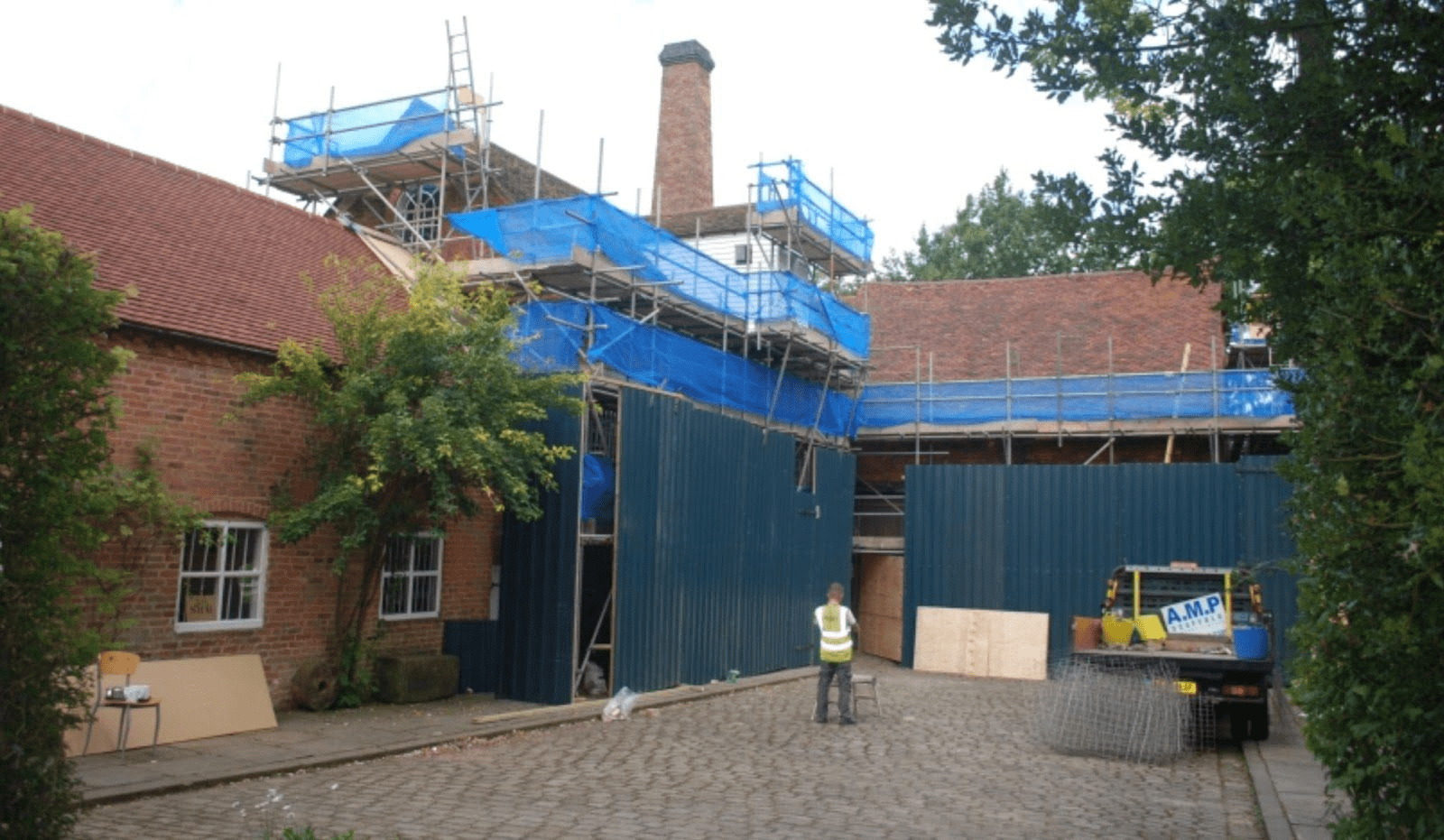
Milling in Birmingham boasts a long and storied past. For instance, Sarehole Mill, situated on the border of Hall Green and Moseley, was constructed in 1771. But that’s not the whole story; records indicate an earlier mill stood on this very site as far back as 1542. What’s particularly fascinating is that despite its age, the mill underwent its most significant renovation in its nearly 250-year history as recently as 2013. After a six-month restoration, it reopened as a working mill where local volunteers now grind flour. Furthermore, a bakery was established on-site. It initially baked bread in ovens dating back to the 1770s. For a more detailed look at the history of milling in Birmingham, using Sarehole Mill as a prime example, visit birminghamname.com.
Industrial Milling in Birmingham
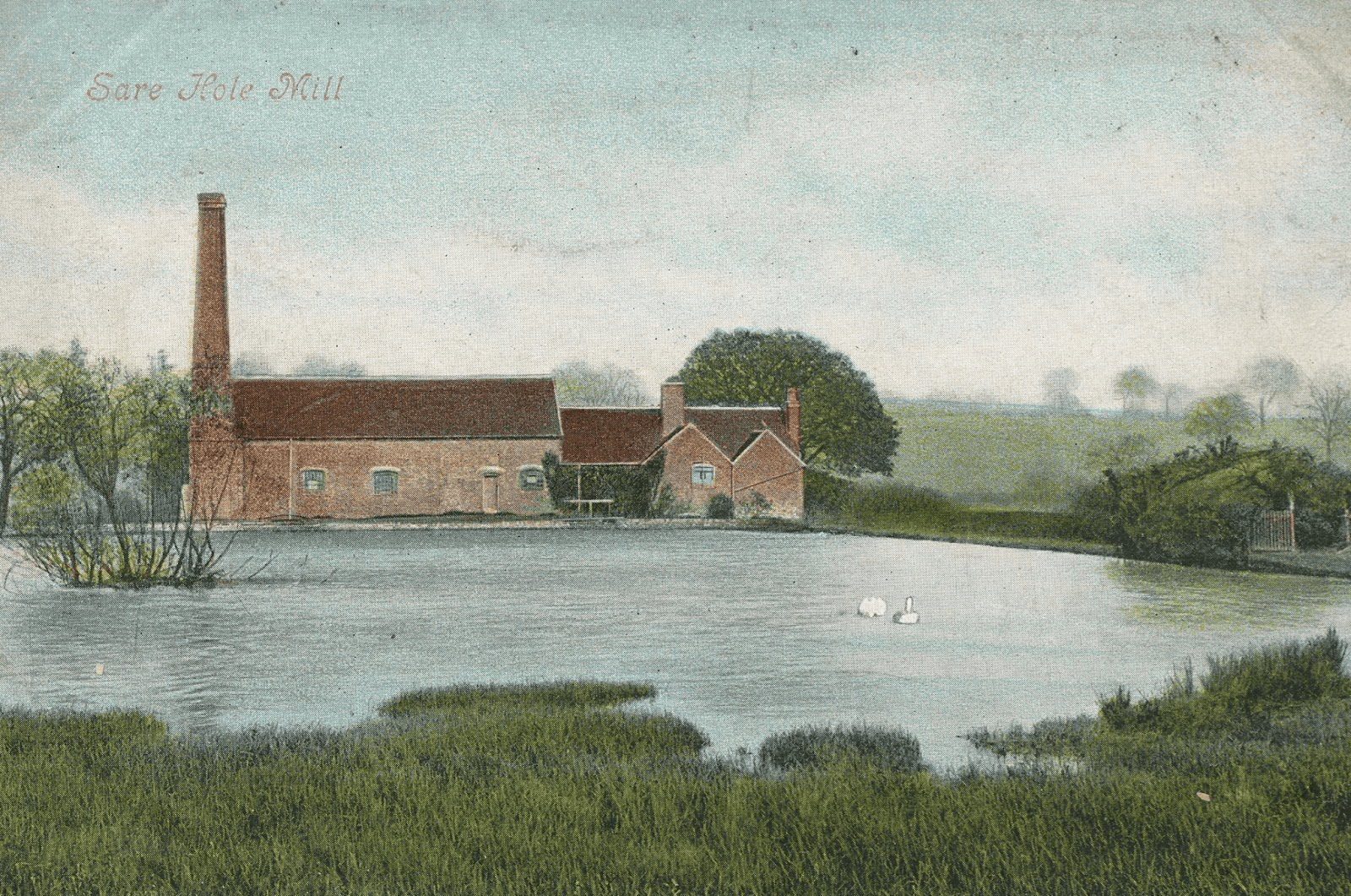
Due to geographical factors, Birmingham lacked significant industrial power until the advent of the steam engine. Consequently, the number of mills that could be built was limited, and water control and supply were constant sources of dispute among local millers.
The development of industrial milling in the Birmingham area was, therefore, relatively late. In contrast, mills were built much more frequently in southern Staffordshire. However, as local fuel supplies in Staffordshire dwindled, mills began to “migrate” further north towards Birmingham along the Tame Valley. During the late Middle Ages, Birmingham and its surrounding areas saw an increase in corn mills from four to eighteen, signaling agricultural development in the region.
Two additional medieval fulling mills were located in the Tame Valley to the north. Throughout the 16th century, the number of peasant farmers grew, but an urban population of artisans and wage laborers also began to emerge. The count of corn mills rose to 22 during this period. New fulling mills in Aston and Nechells, owned by the King family, made fulling a distinctive local industry, at least for a time.
The period from the late 17th to the late 18th centuries was a great era for water milling in the Birmingham area. Water power even enabled the metalworking industries upon which the city’s prosperity was built.
The Construction of Sarehole Mill
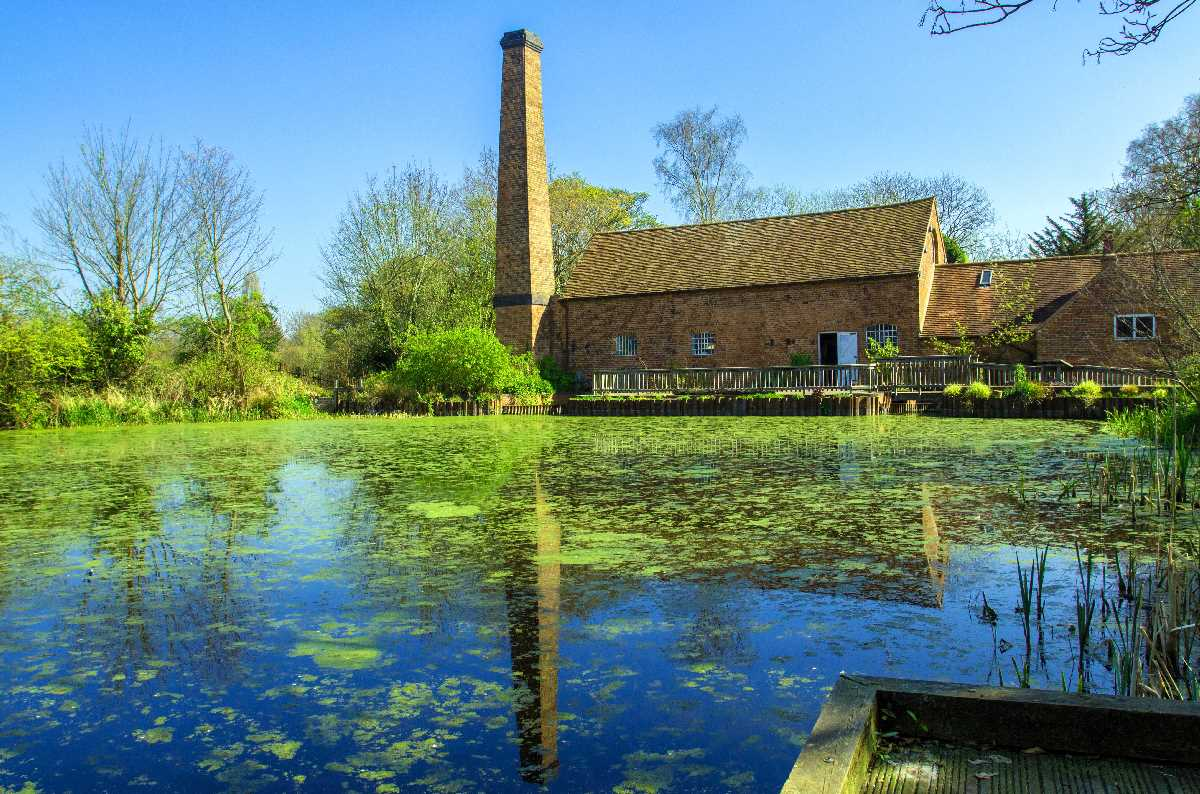
It was around this time that Sarehole Mill was built—one of only two remaining mills in Birmingham today. Located in the leafy suburb of Hall Green along the River Cole, this Grade II listed building is an important remnant of a bygone era, a time when over 70 watermills dotted Birmingham’s riverbanks, producing flour and industrial goods.
Its location, almost in the center of Birmingham, made this mill unique in Great Britain. Situated just three miles from the actual city center, Sarehole Mill was surrounded by meadows and natural walking areas. It also boasts renowned connections to the great industrialist Matthew Boulton and literary sensation J.R.R. Tolkien. These remarkable stories have woven an aura of mystery and prestige around the mill, deeply connecting it to historic Birmingham.
Regarding the mill’s origins, a mill has existed on this site in the Cole Valley, along the river of the same name, for 470 years. This dates back to 1542 when Daniel Benford of Yardley granted John Bedell of Beoley permission to build a corn mill there. It is said that in the Middle Ages, he paid a small annual sum to Maxstoke Priory.
Incidentally, the community in this area has been active for much longer (which explains the enthusiasm of today’s volunteers). According to Birmingham Library records, it was initially known as “Bedell’s Mill” or “Biddle’s Mill,” after one of its first owners. However, no remnants of those early times exist today, and much of what is currently being restored dates from between 1760 and 1810.
The History of Sarehole Mill
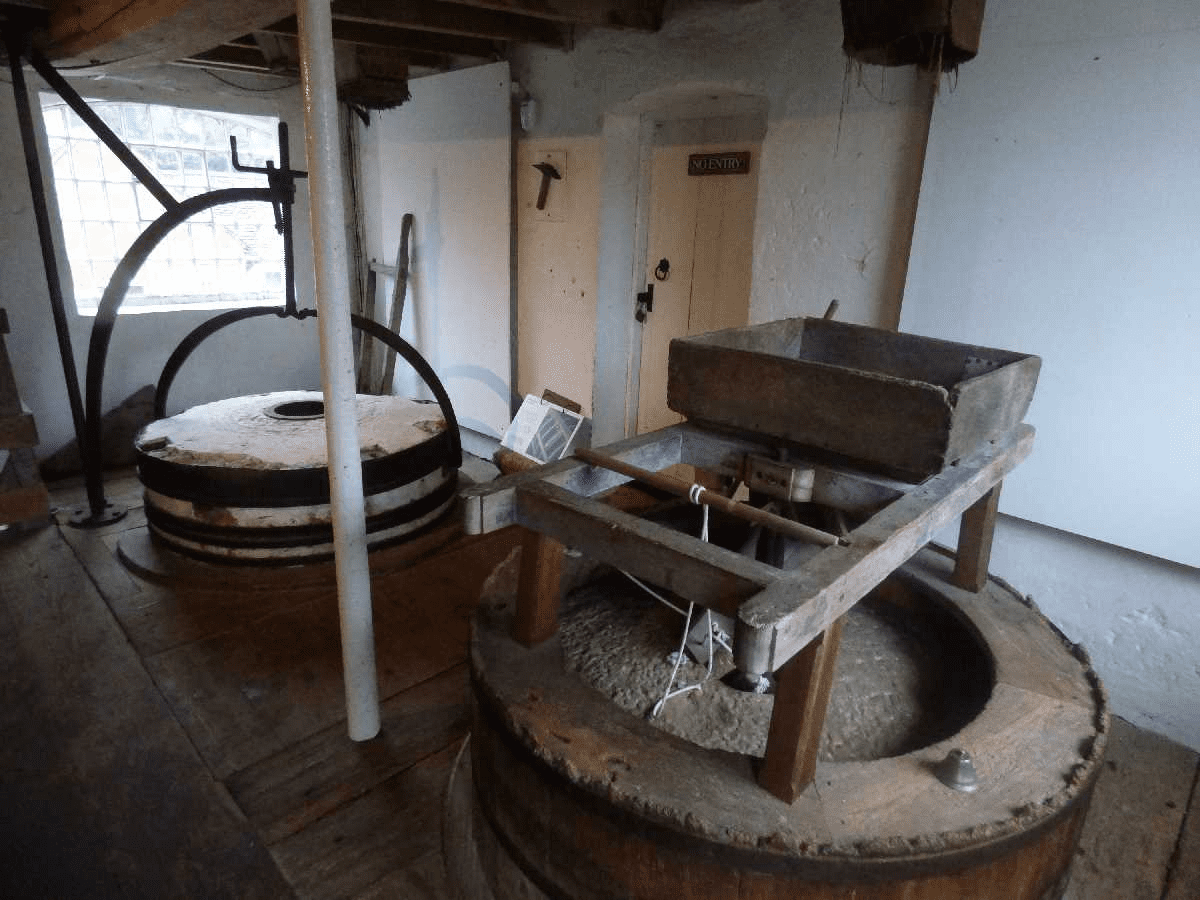
This ushers in a fascinating period in the mill’s history. Initially built as a corn-grinding mill, it would also play a significant role in Birmingham’s industrial history, used for rolling sheet metal, grinding knives, and drawing wire.
As early as 1721, the mill, then known as High Wheel Mill, was acquired by the Eaves family, who leased it to various tenants. Mid-century tenants included James Green, Judd Harden or Harding, William Tallis, and Joseph Bellamy. Notably, Matthew Boulton leased it between 1756 and 1761. He used it as a rolling mill for producing sheet metal until he built his Soho Manufactory in Handsworth in the 1760s.
Matthew Boulton Sr. spent the last years of his life at Sarehole Mill, and his widow still held the mill in 1760. The Siviter family was associated with the mill in the late 18th and early 19th centuries. Later owners included Thomas Anderton, Samuel Batsford, and John Mander, with the Andrew family leasing it from 1858 until the early 20th century. By 1873, a steam engine had been installed in these buildings, and a chimney was added, but it remained a corn mill. It’s worth noting that Sarehole Mill and its surroundings were a source of inspiration for J.R.R. Tolkien’s works, particularly “The Hobbit” and “The Lord of the Rings” trilogy.
Its location was always an advantage; after grinding their grain, farmers didn’t have to travel vast distances to get their flour. The entire area was once countryside, and it still retains a green, rural feel with a green corridor along the river.
Today, Sarehole Mill is accessible via a parking lot on Cole Bank Road, through a building now used as a shop. The River Cole flows past the mill through Shire Country Park. The current mill, built in 1771, was used until 1919. Afterward, it fell into disuse and became derelict until it was restored in 1969 and transferred to Birmingham City Council. In 2012, the Birmingham Museums Trust took over management of the mill from the Council, and it is now a museum.
The Bakery at Sarehole Mill
The bakery at Sarehole Mill had not been used for nearly 150 years. The last baker was William Anderton, who retired in 1872 after baking his goods there for almost 20 years. It was restored and reopened in early 2020.
It was used for baking bread, pizza, and buns, among other items. Enthusiasts even set up a pizzeria in the courtyard. This was developed from late summer to mid-autumn 2020. Here, customers could, for a fee, sit at outdoor tables in an atmospherically arranged space to enjoy their pizza. During the 2020 and 2021 lockdowns, a shop selling essential goods, including bread and pasta, was opened.
Behind Sarehole Mill, there are several gardens and the Mill Pool. The water here was used to power the waterwheel, which in turn drove the millstones and ground the corn into flour. In autumn and winter, the mill pool usually fills with algae. Coldbath Brook is connected to this pool and leads to the River Cole.
Incidentally, the second surviving mill is New Hall Mill in Sutton Coldfield. It was saved from demolition in the 1960s, restored, and opened to the public in 1969. Following its restoration, it received many modern upgrades and improvements, making visits even more enjoyable and comfortable.