

Tyseley Energy Park (TEP) is on a mission to revolutionize clean energy innovation in Birmingham and across the region. It aims to achieve this by promoting and showcasing new technologies, then developing them into commercially viable energy systems. These systems will help Birmingham meet its commitment to reduce CO2 emissions by 2030. The ambitious development plan behind TEP focuses on achieving low to zero carbon emissions to create a greener, cleaner Birmingham. For more details on the project, visit birminghamname.com.
The Renewable Energy Power Plant
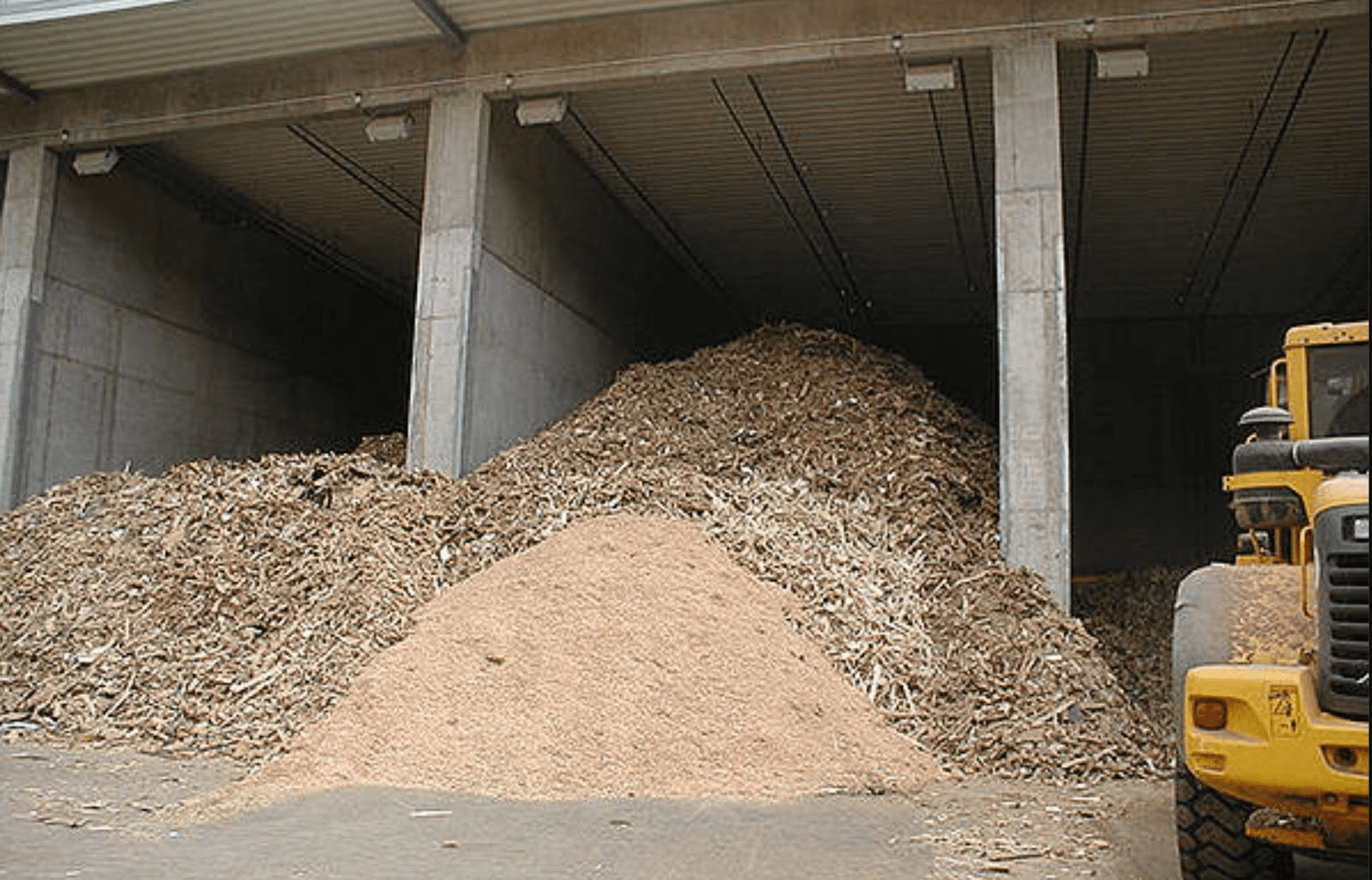
Birmingham Bio Power (BBPL) owns a 10.3 MW biomass renewable energy power plant located at Tyseley Energy Park in southeast Birmingham. The plant, which cost £57 million, began commercial operations in 2016. In April 2023, Birmingham Bio Power entered into a seven-year operations and maintenance agreement with Tyseley Operations Limited to run the facility.
Birmingham Bio Power uses up to 72,000 tons of waste wood per year as feedstock, primarily sourced locally. Using this wood for energy generation is more environmentally sound than sending it to a landfill, where it would decompose and produce methane. Methane is a greenhouse gas 25 times more potent than carbon dioxide. The power plant employs an advanced gasification technology developed in Canada and brought to the UK in 2014.
Wood is delivered to a woodyard. From there, it’s transported and automatically fed into a conveyor system, which then supplies four gasification units. Each unit can process up to 2.5 tons of wood per hour. Inside the gasifier, the wood is heated to 750°C (1382°F) in an oxygen-depleted atmosphere. This heat drives off several combustible gaseous compounds from the solid wood, producing a synthetic gas (syngas).
The combustible syngas is fed into a central oxidizer unit, where additional air is introduced, and combustion occurs. The hot flue gas then flows to a Heat Recovery Steam Generator (HRSG) at temperatures exceeding 1050°C (1922°F). The HRSG extracts heat from the flue gas and uses it to convert water into steam. This steam then drives a turbine, which powers a generator to produce electricity.
The remaining flue gas is released into the atmosphere and is continuously monitored for pollutants in accordance with the plant’s new standards and environmental permit. Emission limits are set by the Environment Agency and are based on legislation and local air quality standards.
To reduce particulate emissions, the plant uses 1,050 cylindrical filter bags. Each bag is individually pulsed with compressed air to remove ash, which is then collected in hoppers and removed from the site. Notably, the plant spends approximately £400,000 per year on flue gas treatment additives to meet the emission limits regulated by the Environment Agency.
A Source of Sustainable Electricity Generation
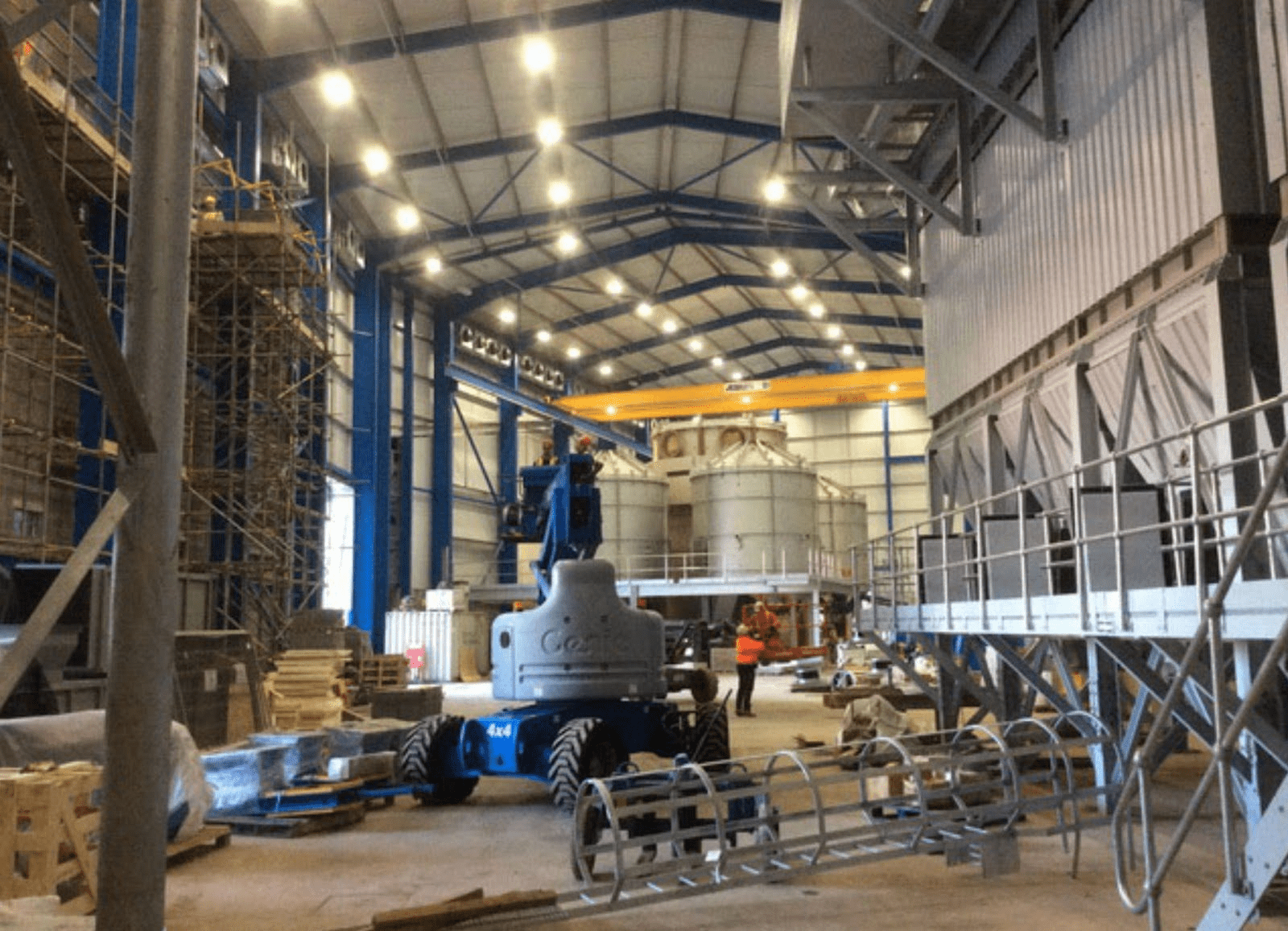
Ultimately, by leveraging private investment, technology, and innovative methods, Birmingham Bio Power has successfully provided the local community with employment opportunities and a source of sustainable electricity generation. It has also made a positive contribution to local air quality initiatives, supported then and now by the city council. Although the cost of compliance has been significant and remains challenging, it has not been a major impediment to the project’s overall success.
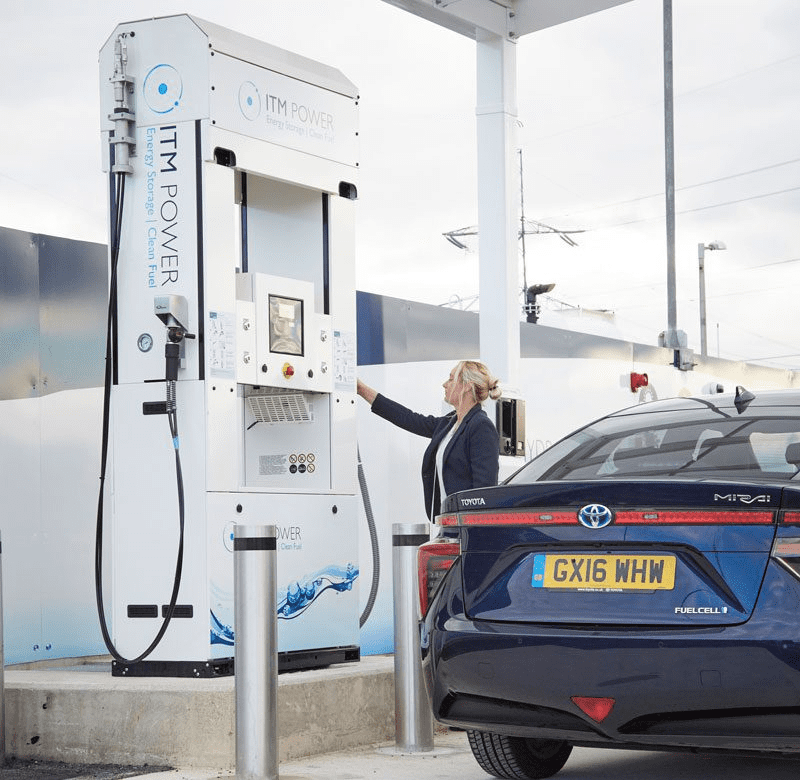
The creation of this power plant was the first phase of an ambitious plan for innovation in the area. The second phase was equally ambitious: the UK’s first low and zero-carbon refueling station. Strategically located between the city center and Birmingham Airport, this station supplies public and commercial vehicles with a variety of clean fuels that reduce emissions. Available fuels include hydrogen from Motive, commercial-scale electric chargers, and GreenD+, a 100% diesel and gas oil replacement from Green Biofuels Limited.
Birmingham Energy Innovation Center
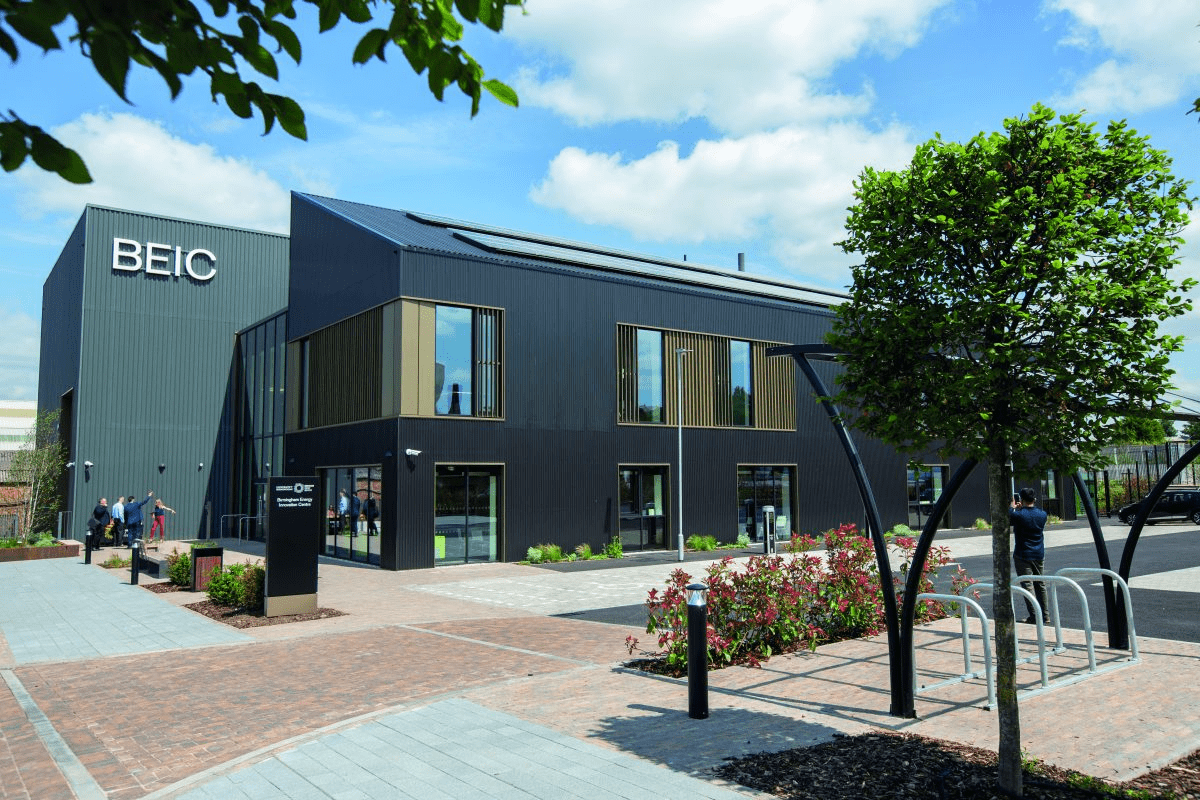
The opening of the Birmingham Energy Innovation Center marked another stage in this innovative development.
The £7 million Birmingham Energy Innovation Center (BEIC) at a local university is funded by the Greater Birmingham and Solihull Local Enterprise Partnership. Opened in July 2021, it serves as a hub for research and development, benchmarking and validation, business support, production system integration, and modeling expertise across the public, private, and academic sectors in energy, waste management, and transportation—all under one roof.
Working with existing stakeholders in the energy and transport systems, BEIC fosters collaborative research projects to address local energy and low-carbon transport challenges by demonstrating new technologies.
By supporting the development and large-scale implementation of these new technologies, BEIC helps decarbonize electricity and heat and improve the city’s environmental performance, as Birmingham strives to achieve net-zero CO2 emissions by 2030.
Another phase involved supporting small and medium-sized enterprises (SMEs) focused on low carbon emissions. An environment was created where transport, heat, and energy businesses could find support and collaboration opportunities at a location central to Birmingham’s decarbonization efforts.
Incubation Space
Incubation space is available at Tyseley Energy Park through two SME support programs: the Climate Innovation Platform and the Energy Transition Center. These programs were designed to give businesses access to support packages that foster the development of their low-carbon business propositions.
The Climate Innovation Platform offers fast-track support for businesses or technologies in the early stages of technological readiness. The University of Birmingham, in partnership with Energy Systems Catapult, is seeking businesses eager to advance energy technology innovations to join the Climate Innovation Platform. It provides these businesses with a tailored support package to drive the commercialization of innovative energy products and services.
The Energy Transition Center program is funded by the Greater Birmingham and Solihull Local Enterprise Partnership. This program offers newly refurbished offices, laboratories, and industrial spaces for businesses to develop innovative and research activities, located within the newly built Birmingham Energy Innovation Center. This funded program focuses on medium-term support, ranging from 12 to 36 months, and aims to help SMEs launch their businesses.