

Birmingham’s wine scene is thriving, that much is clear. Recently, more and more wine bars, tasting rooms and local wineries have been popping up all over the city. This growing trend can be explained by changing consumer preferences regarding wine, the city’s thriving food culture, and the growing popularity of wine consumption not only in the city but also in the United Kingdom as a whole.
Therefore, it does not really matter whether a local resident or visitor has become a wine enthusiast or simply wants to explore Birmingham’s unique gastronomy, particularly its wine component, as there is something for everyone. We are talking about tasting rooms, wine bars and local wineries. There are many opportunities in Birmingham itself to discover and enjoy local wine. But before raising a glass and drinking to someone’s health, read more about the Midland Press winery at birminghamname.com.
The Birmingham background to winemaking
Birmingham, the second-largest city in terms of size and population in the heart of England, has a rich history, diverse cultural traditions, vibrant gastronomy and a wide selection of beverages. It is noteworthy that in recent years, the city has experienced a significant increase in interest in wine products. All this has automatically led to an increase in the number of wine bars and tasting rooms. Similarly, the number of local wineries has increased throughout the city.
But what contributed to this growth? First and foremost, there has been a noticeable shift in consumer tastes and preferences among alcoholic beverage lovers towards this grape drink. Nowadays, more and more Birmingham residents are choosing it over other traditional English alcoholic beverages such as beer, whisky, etc. And the old rule of supply and demand worked almost instantly. The desire of Birmingham residents to drink, taste and enjoy quality wine led to an increase in demand, which prompted companies to focus on this growing market.
Secondly, Birmingham’s scene received a significant boost thanks to the city’s rich food culture. Birmingham has a wide selection of restaurants, cafés, and food markets where you can buy a variety of dishes from around the world. Accordingly, if wine is considered the perfect accompaniment to good, high-quality and delicious food, then it is also in demand.
Tasting rooms
Statistics and most trends only confirm the growth of this demand. For example, according to a recent report by the Wine and Spirits Trade Association, wine consumption in the United Kingdom has been on the rise for the past decade. Notably, sparkling wine has grown in popularity during this time.
A few words about tasting rooms. This is one of the best ways to get acquainted with the wine scene in Birmingham. In addition, when visiting a tasting room, you can count on a relaxed and welcoming atmosphere. In Birmingham’s tasting rooms, the staff know their stuff and are passionate about it. They also love wine, so they enjoy the tasting process. Tasting rooms often offer a variety of tasting options, which customers are sure to appreciate.
The presence of a sommelier and a variety of wines, from reds to whites, adds to the charm, offering a tour of Birmingham’s wine-producing regions. Incidentally, Birmingham does not necessarily have its own vineyards, as the city is surrounded by several wine-producing regions. These include Warwickshire, Worcestershire, Staffordshire, and others.
In any case, it is important to remember that behind every bottle of wine lies a complex and fascinating process that combines science, art, and tradition.
The history of Midland Press
Now it’s time to tell the story of one of Birmingham’s wineries. Midland Press was founded in 2024 by Richard Stanton. He was inspired by his passion for English wine and the enormous potential of this increasingly exciting industry. The first wines were pressed that same year. Incidentally, the idea to start making wine first came to Richard during the lockdown associated with the COVID-19 epidemic.
It is known that Richard Stanton studied classical music. He first gained qualifications in winemaking, then mastered sales. Due to his experience in writing music, he says he approached the business creatively, wanting not just to sell something, but to create something. At the same time, Richard immediately rejected the idea of his own vineyard, as it was financially unprofitable — it requires a lot of land. Having decided what to do, he began looking for a place to press and produce wine.
The ideal location was chosen to be a railway arch in the centre of Birmingham, which, like a cave, provides a cool and stable temperature, perfect for wine production and storage. So it was here, deep under the arches of Moor Street, where trains regularly rumble along the tracks, that Richard began receiving tonnes of grapes from all over the UK and producing wine with minimal intervention. He produced neither too much nor too little, just 700 bottles at a time.
Why this particular place? As it turned out, according to Richard, it is the perfect place for this. It is never too hot here in summer. It is never too cold in winter. And the cool yet stable temperatures are ideal for wine production and storage. However, there are certain difficulties. For example, according to Richard Stanton, he personally noticed the very surprised looks of the townspeople when giant trucks from France arrive here carrying imported barrels.
Search for grapes

However, it should be noted that there are not that many “continental” barrels. Most of them come from England. As for berries, Richard works with fruit from Worcestershire, Herefordshire, and even the Crouch Valley in Essex, which is considered to be the cream of English vineyards.
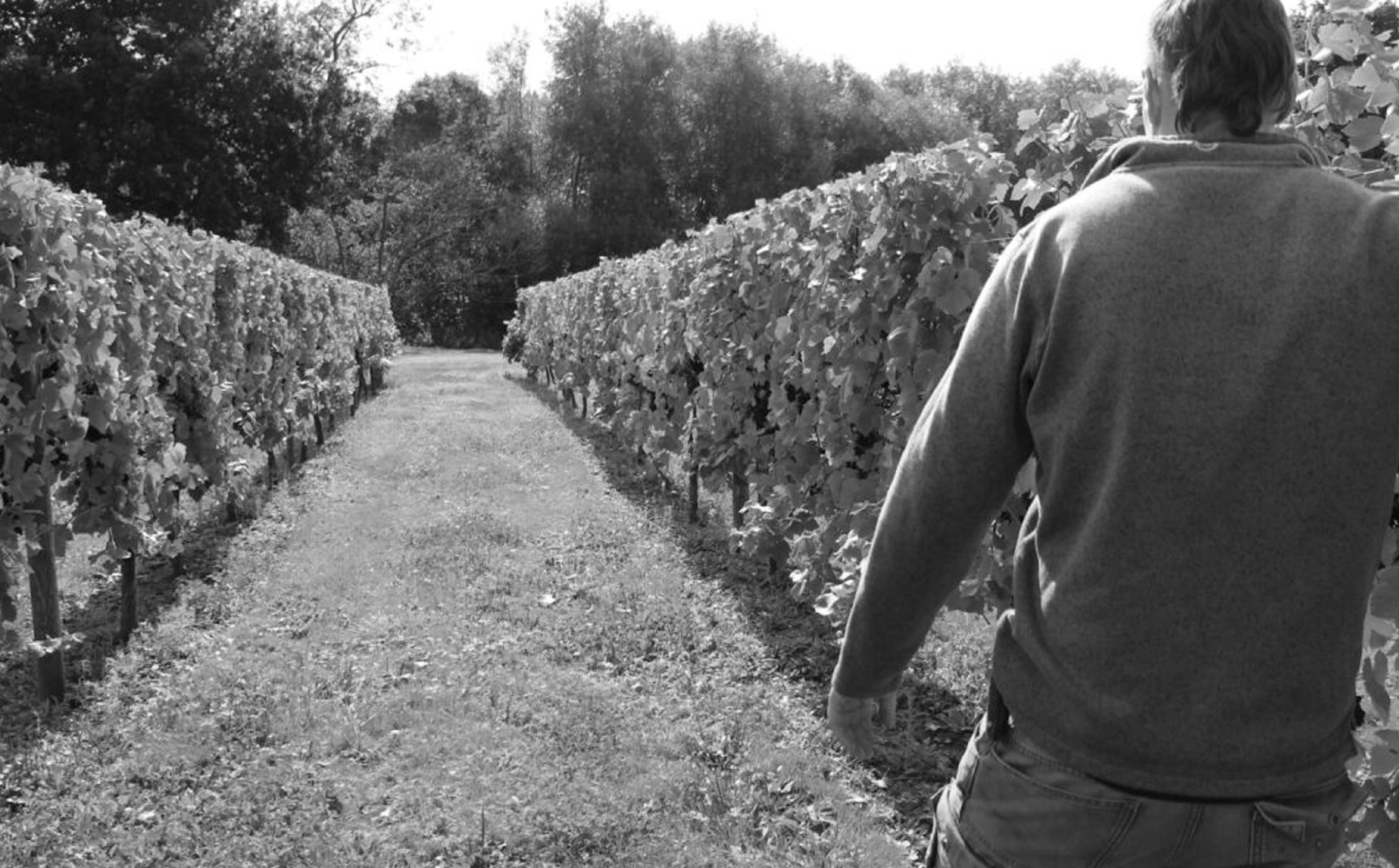
Midland Press prefers the highest quality and most attractive grape varieties from central England. They are happy to work with innovators in their field, with talented winegrowers. They also welcome those who have chosen the best locations in picturesque English villages, where they have planted and carefully tended their vines.
Richard Stanton’s winery pays special attention to two varieties, Pinot Noir and Pinot Blanc. They do not rule out the possibility of using hybrid varieties. Incidentally, these have a long history of limited planting in the central region. Midland Press strives to improve the styles of different wines using its own winemaking methods.
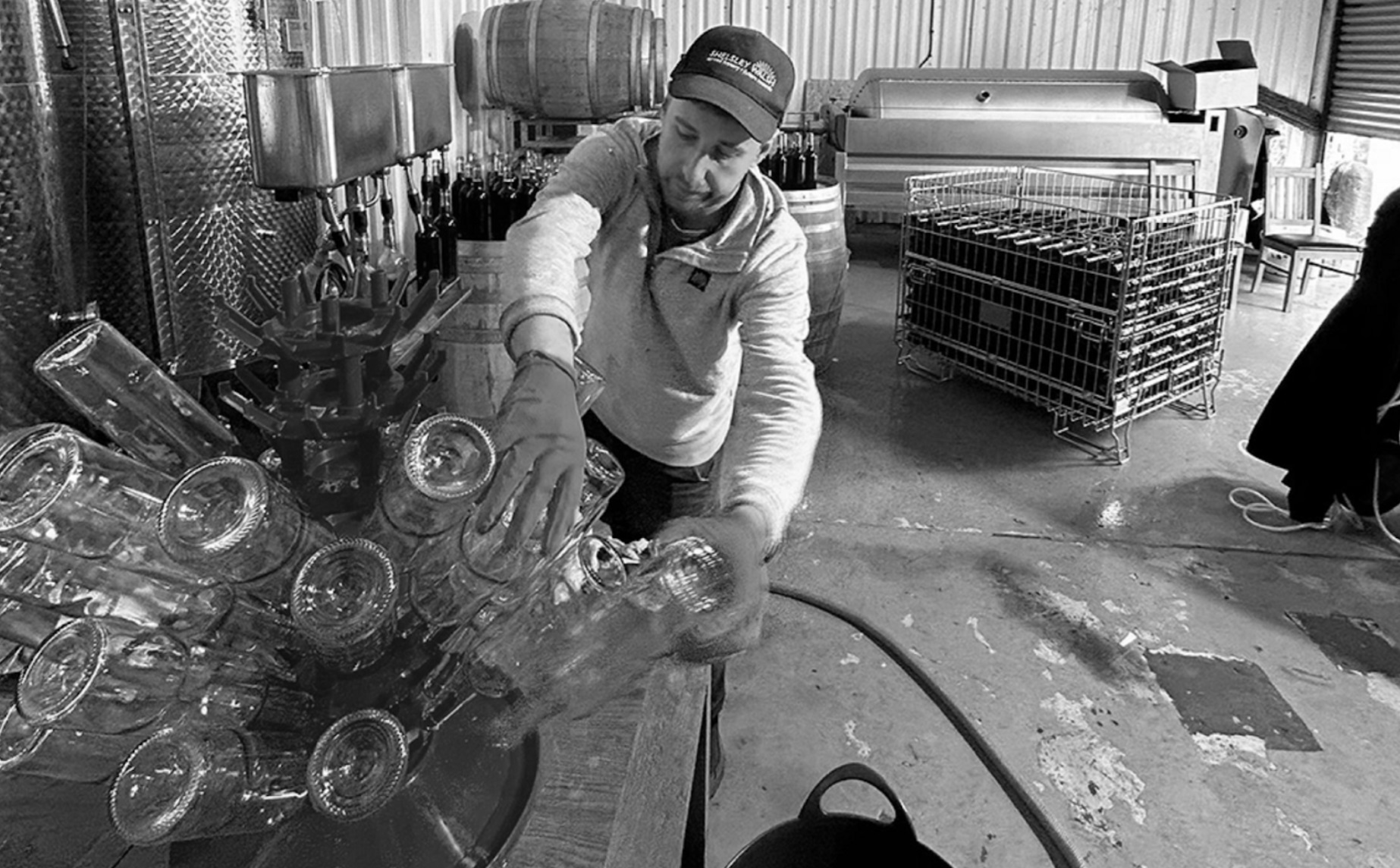
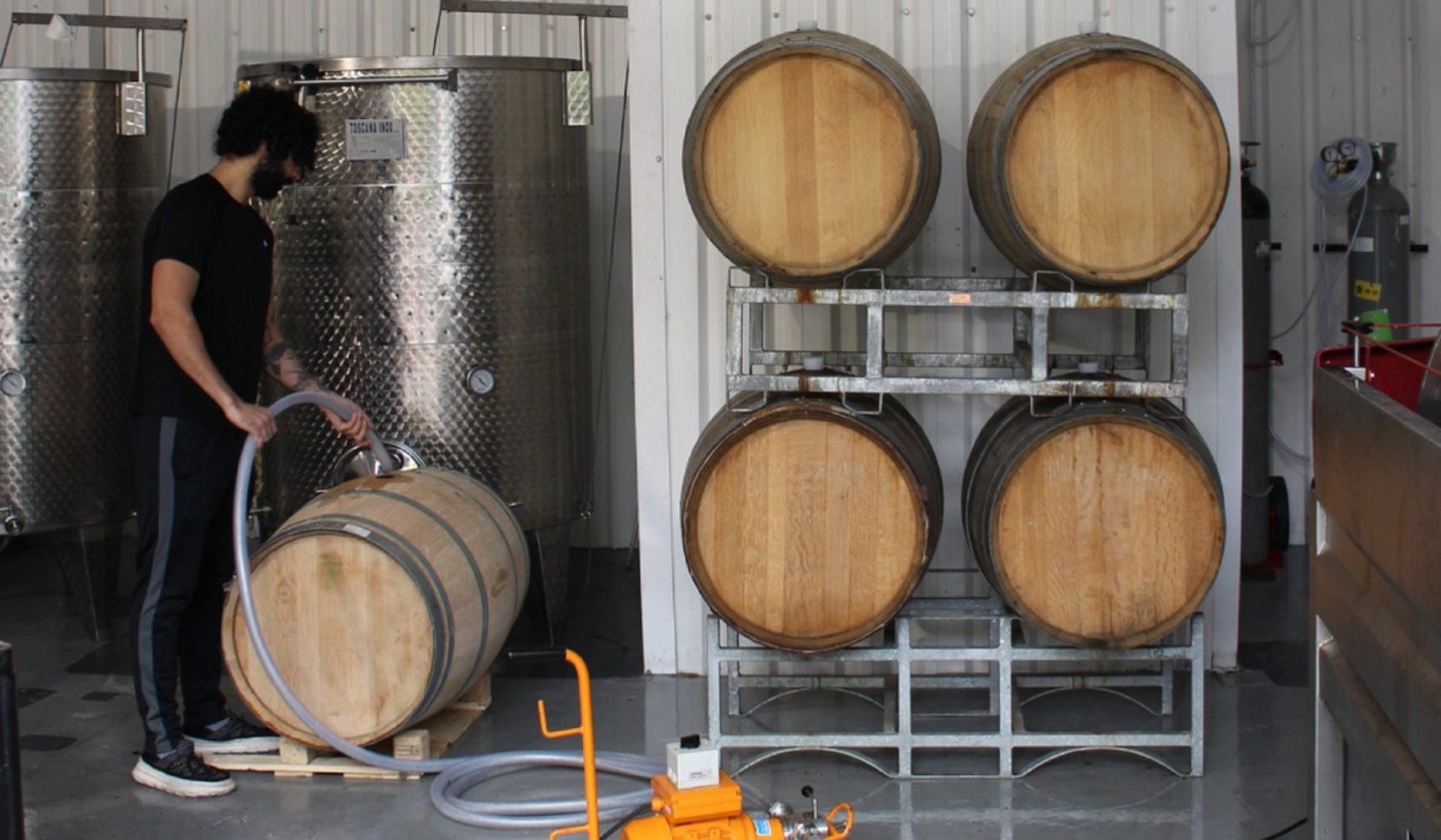
These methods are distinctive, especially given England’s marginal climate, and help to apply a minimalist approach to the process, during which the wines are fermented in barrels or small tanks and aged on their lees. These small batches are then blended by hand to produce the final product. All Midland Press wines are bottled by hand.
Through his work, Richard seeks to embody the spirit of the city of Birmingham. His branding and labelling are reminiscent of brutalist references to the Republic, and the bottle features references to the old Central Library and Birmingham. It may seem obvious, but many alcoholic brands produced in Birmingham avoid references to the city, but Midland Press wines have taken a different path.
Sources: