

Park · Birmingham · ⭐ 9.3/10 · 2580 reviews · updated: 2026-08-04 15:57:36
Address: Warren Ln, Rednal, Birmingham B45 8ER, United Kingdom
Lickey Hills Country Park — the wooded skyline that Birmingham was given
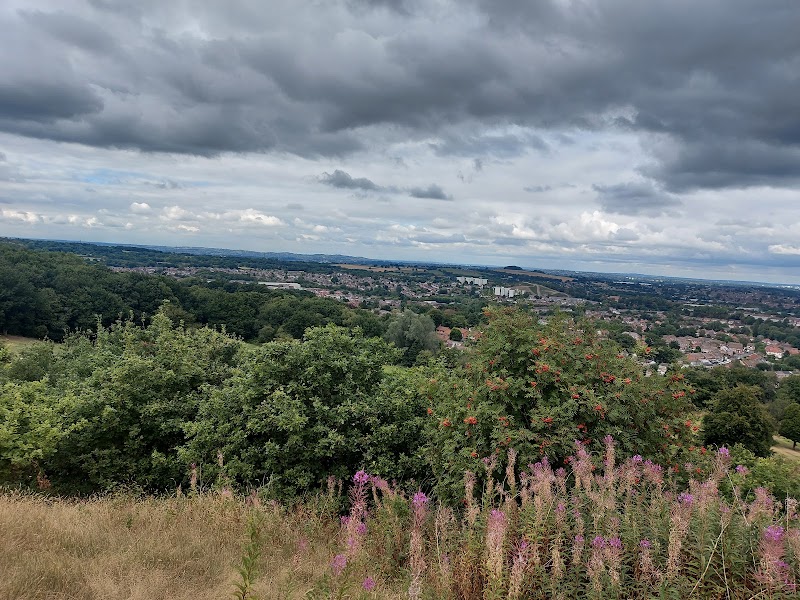
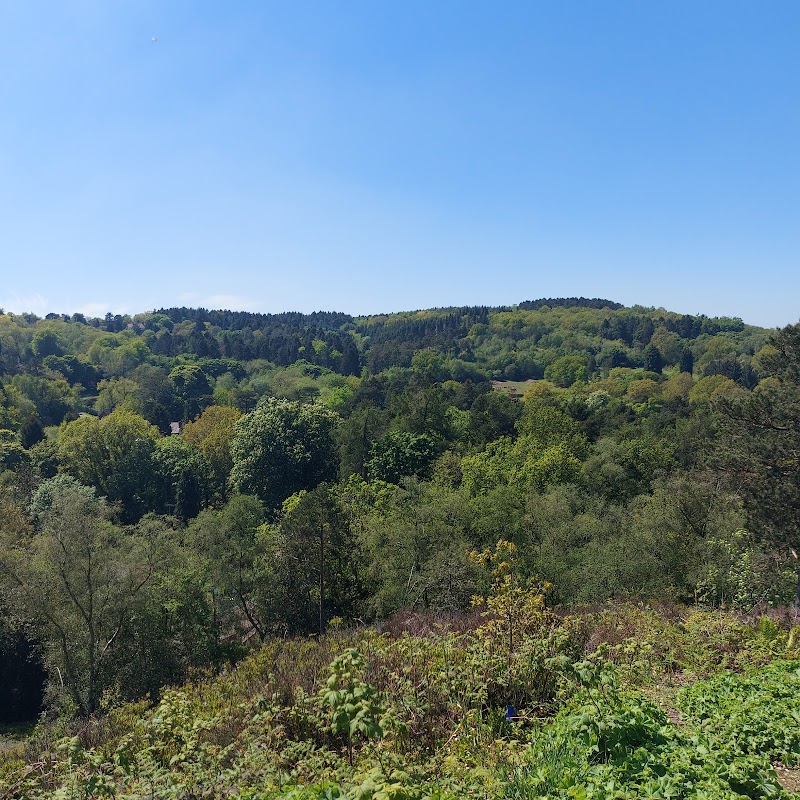
Ten miles south-west of the city centre the suburbs stop dead and a ridge of bilberry, bracken and old oak climbs out of them. Some 212 hectares (524 acres) of hill and woodland are held here for the public, and from the crown of Beacon Hill the whole conurbation lies below you with the Malverns floating on the horizon. Almost every acre of it was bought or given for the people of Birmingham between 1888 and 1923, and around half a million visitors a year still take up the offer.
Highlights
- Beacon Hill — the summit at 298 m (978 ft), the highest ground for many miles, with a surfaced path and a viewing platform at the top.
- The Toposcope — the castellated stone viewing station on the Beacon, first raised in 1907 to mark the Cadbury brothers’ gift of the hill and rebuilt in its present form in 1988; its dial names the landmarks on the skyline.
- The Monument — a granite obelisk put up in 1834 by the Worcestershire Yeomanry to Other Archer Windsor, 6th Earl of Plymouth, standing on its own hilltop and visible for miles.
- Bilberry Hill — the heath that gives the park its late-summer colour and its name-crop, with the old tea-room building below it, given to the city by Barrow Cadbury and his wife in 1904.
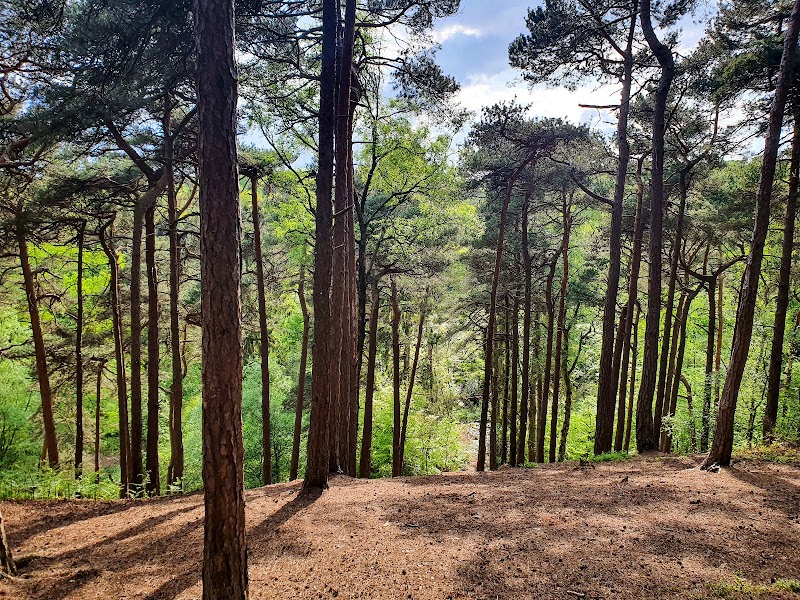
- Lickey Warren and Pinfield Wood — the quiet, deeply wooded eastern side, bought by the city in 1920; the Warren name goes back to medieval rabbit warrens kept on the sandy soil.
- The Visitor Centre — opened in April 1990, with the ranger desk, waymarked route maps, exhibition space and a dog-friendly café; the rangers run public walks, talks and school sessions from it.
What you’ll find
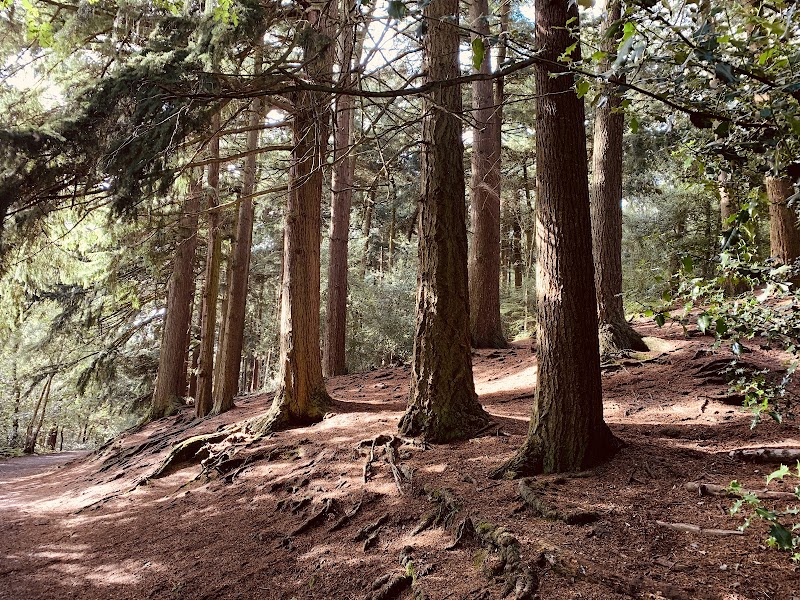
This is a working piece of countryside rather than a manicured park — steep wooded tracks, sudden clearings, sandy heath and grassy commons that were common land centuries before anyone thought to call them a country park. The recreation ground below the hills adds the more formal facilities.
- Waymarked routes of every length, from a twenty-minute stroll to a circuit of the whole ridge over Beacon, Bilberry, Cofton and Rednal Hills.
- Over 380 flowering plant species recorded on the site, along with 17 ferns and some 30 mosses.
- Around 90 bird species — nuthatches, chaffinches, tree pipits and redstarts in summer, fieldfares and redwings in winter, and waterfowl on the pools.
- Deer, badgers, rabbits and grey squirrels; common lizards, grass snakes and adders on the warm sandy banks.
- An 18-hole municipal golf course, laid out from 1921 on land connected with the Cadbury gifts and once called one of the hardest municipal courses in the country.
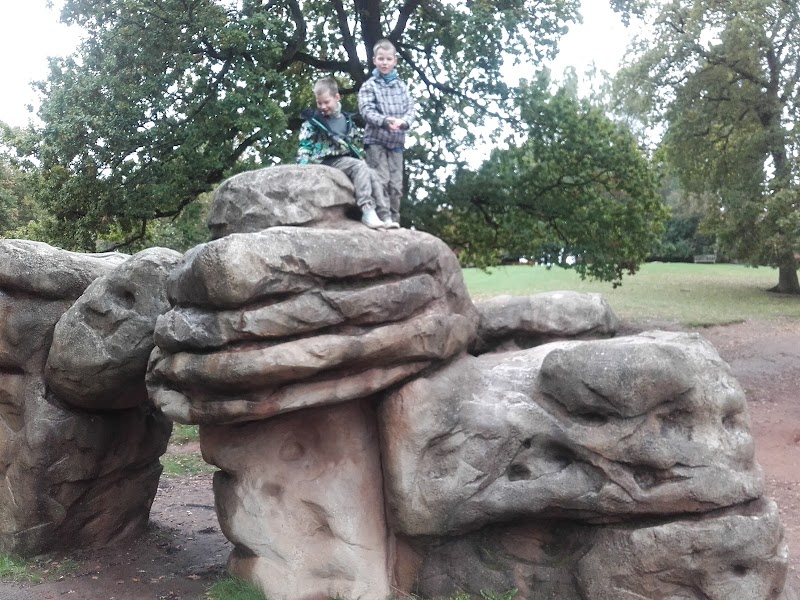
- A children’s play area, bowling green, tennis and putting, picnic grass and three free car parks around the edge of the hills.
Things to do — and who it’s for
- Families — short waymarked loops straight from the visitor centre, a play area, ice cream in summer and a café keeping the centre’s hours.
- Serious walkers — genuine gradients and a genuine summit at the end of a city bus route; string the hills together and you have a half-day on your feet.
- Photographers — sunrise over the conurbation from the Beacon, sunset towards the Welsh border, and the whole city turning to lights after dark.
- Dog owners — miles of woodland track well away from traffic, and one of the few cafés nearby that actively welcomes dogs.
- Nature watchers — bilberry heath, veteran oak and beech, ranger-led walks, and reptiles basking on the open banks on warm afternoons.
- Geology and history buffs — Ordovician volcanic tuffs, the hard Lickey Quartzite that holds the ridge up, Silurian Rubery sandstone and Triassic pebble beds, all stacked into one small range.
Getting there & practical
The park lies at Rednal and Lickey on Birmingham’s south-western rim, straddling the Worcestershire boundary. The Cross-City rail line serves Longbridge and Barnt Green, both a short bus ride or a decent walk from the hills, and buses run out from the city centre to Rednal — the same corridor the trams once used. Entry is free, and so is parking at all three car parks. The hills themselves are open at all hours; the visitor centre and café open daily from mid-morning, closing in the late afternoon in winter and in the early evening in summer. Allow two to three hours for the centre and one summit, or half a day for a full circuit. Paths are unsurfaced and steep away from the main routes, so this is footwear country.
When to visit
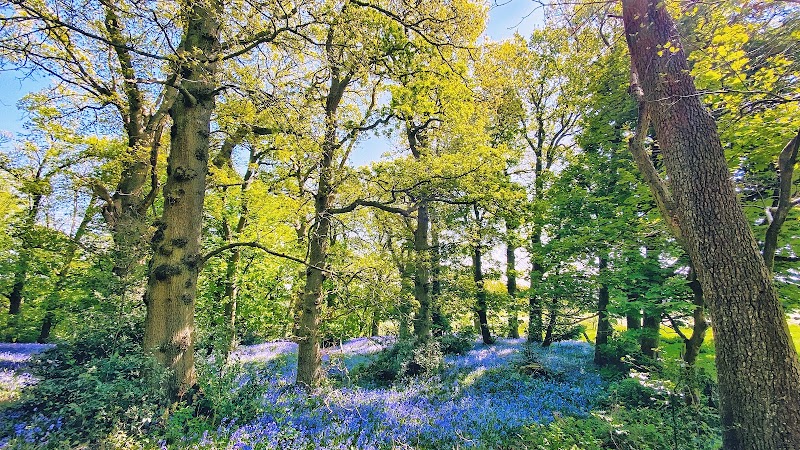
Spring is the classic season: bluebells through the older woodland, birdsong at full volume and the ranger programme starting up again. Summer brings the crowds the hills have always drawn, along with bilberry on the heath and long light evenings on the Beacon — arrive early and the ridge tops stay quiet even in August. Autumn is the connoisseur’s choice, with bracken and bilberry turning, beech and oak going copper, fieldfares and redwings arriving, and the clearest long-distance views of the year. Winter strips the trees back and opens sightlines the leaves hide all summer; frost sits on the heath, and after dark the city below becomes a carpet of lights.
Good to know
The hills were royal hunting ground held under Forest Law when they first appear in writing as “la Lecheye” in 1225, part of the royal manor of Bromsgrove; the Earl of Plymouth bought the manor from the Crown in 1682. Public ownership began in 1888, when the Birmingham Society for the Preservation of Open Spaces bought Rednal Hill and handed it to the city in trust. The Cadbury family of nearby Bournville did the rest: Barrow Cadbury and his wife gave the tea-room building in 1904; the brothers Edward, George junior and Henry Cadbury bought Beacon Hill and gave it to Birmingham, a gift commemorated by the toposcope raised on the summit in 1907; the city bought Cofton Hill, Lickey Warren and Pinfield Wood in 1920, and the Rose Hill estate, again from the Cadburys, in 1923. The crowds were extraordinary even before the trams came — 20,000 people were counted on the hills on a single August Bank Holiday Monday in 1919 — and when the tram line was extended to a terminus at Rednal in 1924, whole streets of the city emptied onto them on summer Sundays; the rails were not lifted until 1953. The Lickeys were designated a country park in 1971 with Countryside Commission support, and the visitor centre followed in 1990. One more association keeps drawing visitors: in 1904 the twelve-year-old J. R. R. Tolkien stayed at Rednal during his mother Mabel’s final illness, and these hills are regularly named among the landscapes that stand behind the Shire.
Visitor tips
- Call at the visitor centre first for the current route map — the paths fork constantly and one stretch of woodland looks much like the next.
- Wear proper footwear and expect to climb: the ascents are steep and the sandy tracks turn slippery for days after rain.
- Arrive early on a fine summer weekend. The car parks fill by late morning, and the Beacon is at its best with the low light of the first or last hour anyway.
Questions & answers
Is there an entry charge? No. The park, all three car parks and the visitor centre are free to use; only the café and the golf course are paid for.
How high is Beacon Hill, and what can you see? 298 m (978 ft). The toposcope on the summit points out the landmarks, and on a clear day the view runs from the Birmingham skyline to the Clent Hills, the Malverns and the hills of Shropshire.
Can I get there without a car? Yes. Buses run from the city centre to Rednal, and the Cross-City rail line serves Longbridge and Barnt Green nearby — the hills have been reachable by public transport since the trams arrived in 1924.
Are dogs welcome? Yes, throughout the hills, and the visitor centre café is dog-friendly. It is one of the best dog-walking areas within reach of Birmingham.
Is it suitable for pushchairs or wheelchairs? Partly. A surfaced path and viewing platform give access near the Beacon, and the areas around the visitor centre are manageable, but most woodland tracks are steep and unsurfaced.
What is the connection with the Cadbury family? The Bournville chocolate family bought and gave several of the hills to the city between 1904 and 1923, including Beacon Hill itself and the tea-room building; the 1907 toposcope commemorates the gift.
How long should I allow? Two to three hours covers the visitor centre and one summit comfortably; a full circuit of the ridge, taking in the Beacon and the Monument, is a half-day walk.
Photos
Show 1 more photos
Visitor reviews
Reviews last updated: 2026-08-04 15:57:36
Data is refreshed monthly. Sources: birminghamname.com and editorial picks based on reviews.
We stopped here on the way to our final destination with our furry little one. Lots of interesting things to sniff and see, it looked very well kept, and there was also a nice café to stop at after the walk.
There's an…
A really quiet park with wonderful views! The walking routes are lovely and clear, and there's a good playground. It's great that there's a café on site, which is very dog-friendly. Definitely worth a visit!
⚠️ Quick pa…
A great place to explore, right next to Birmingham, wonderful walks, a wonderful café and the informative Lickey Hills visitor centre. There are lots of walks for people of all fitness levels. Plus a great playground for…
This was our first time here and we really enjoyed our walk. A wonderful sunset view. A large free car park and a great little café in the park.
A lovely wooded area with views over Worcestershire and the West Midlands. It was originally given to the city of Birmingham by leading Quakers for the recreation of residents, but it has suffered from austerity measures…