

Birmingham has developed industrial tourism by transforming its industrial past into a modern landmark, focusing on key industrial sites. Today, these include the world-famous Jewellery Quarter, the JW Evans silver factory and others. The city’s industrial heritage is also represented through the preservation of workshops and tours of sites that showcase the diversity of local crafts.
But that’s not all; there is also a broader development strategy. It includes the redevelopment of former industrial areas and the promotion of the city’s modern, diverse industries to the widest possible audience. Major events such as the 2022 Commonwealth Games have further energised these efforts, making Birmingham a leading tourist destination in the United Kingdom. Read all about it at birminghamname.com.
Historical industrial heritage
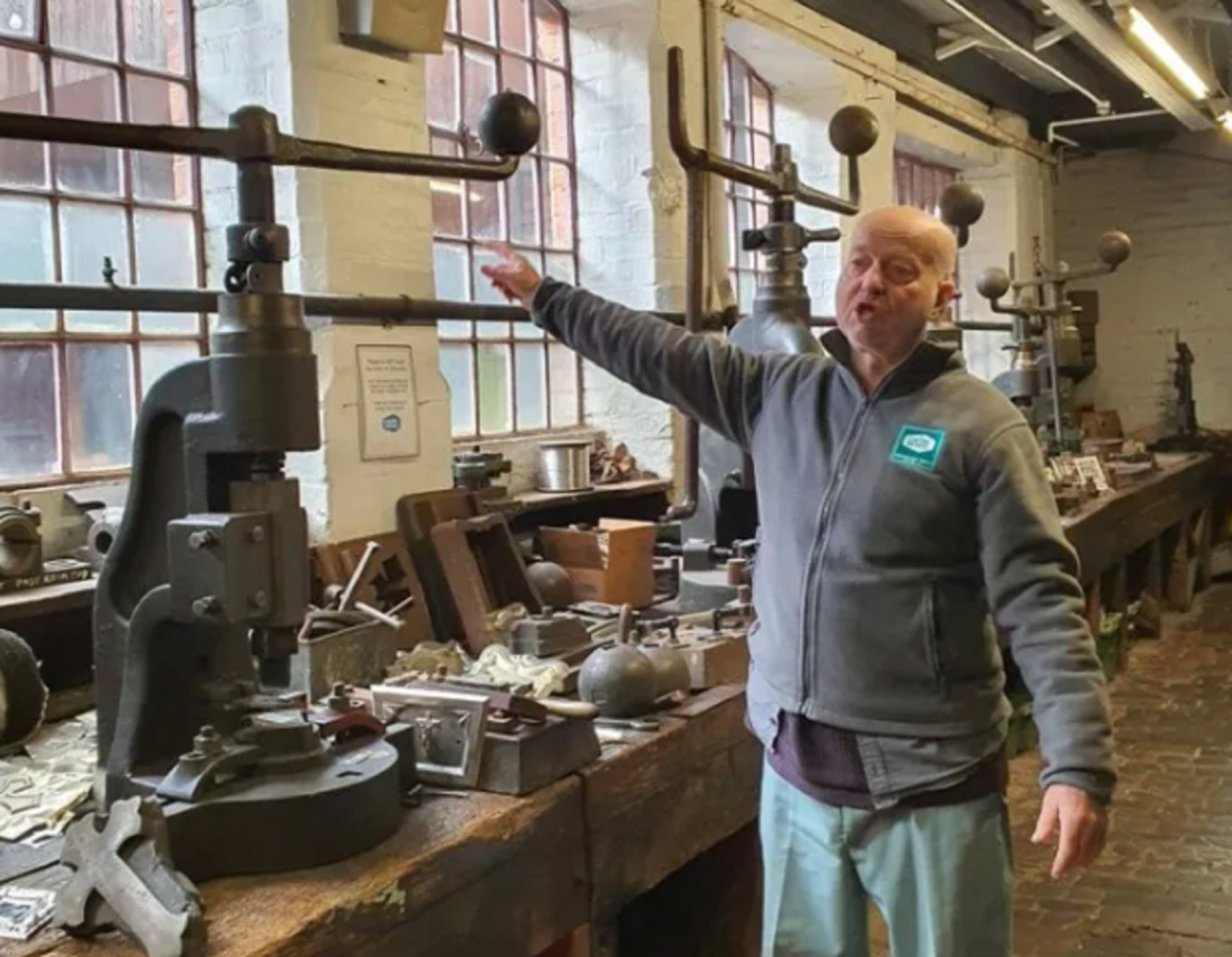
Birmingham is synonymous with innovation and progress. The city proudly showcases its key role in the Industrial Revolution. This dynamic period changed the world forever, transforming Birmingham into a centre of manufacturing and engineering. It is not surprising that there are many people who want to immerse themselves in this rich history. Moreover, exploring Birmingham’s landmarks from that era offers a unique journey into the past.
From the ever-busy canals that served as vital trade arteries to the workshops where not only world-famous and original products were forged, but also innovative ideas, along with Birmingham’s industrial heritage. Discover Birmingham’s must-see attractions that tell the story of a city that has truly shaped the modern world.
Indeed, Birmingham’s industrial heritage is vast. There are many places where you can see the scale of that industrial revolution. One of the most famous is Soho House, the former home of industrialist Matthew Boulton. The so-called Lunar Society, a group of prominent industrialists, scientists and thinkers, met here regularly. Their conversations, discussions, and experiments laid the foundation for many economic achievements. Today, a visit to Soho House gives a complete picture of the intellectual centre of this revolution. This place is a true historical artefact of Birmingham.
The same can be said about the Jewellery Quarter. It is a testament to Birmingham’s manufacturing expertise. For at least 250 years, this area has remained a centre for crafts, producing a significant portion of British jewellery. Its historic factories and workshops give an idea of the traditional production methods of the time. Interestingly, many businesses continue to operate in this quarter today. Therefore, the fact that it is full of Birmingham’s landmarks makes it ideal for history lovers.
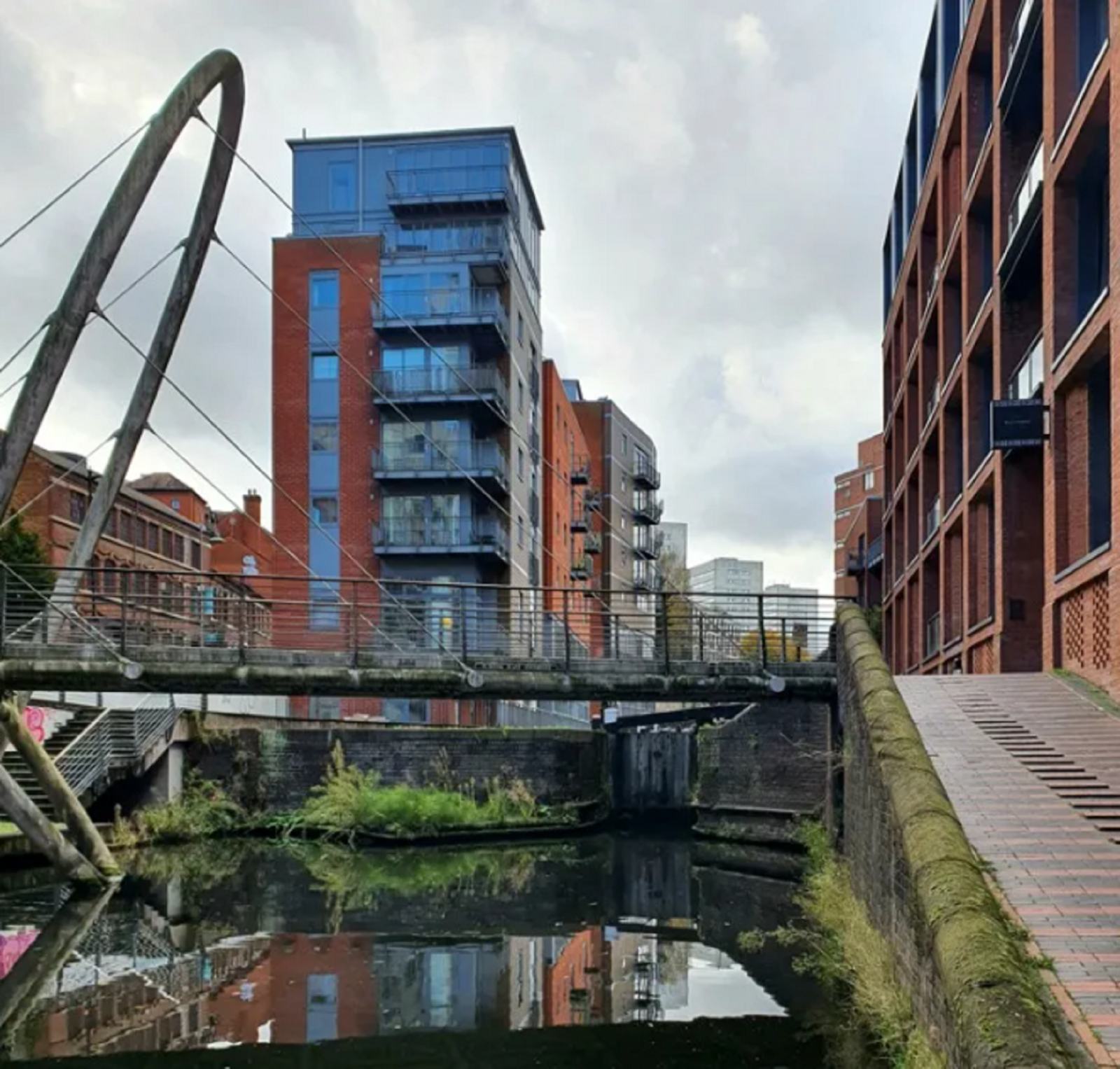
Of course, one cannot ignore the city’s extensive network of canals. It also remains one of the important elements of that revolution. After all, it is no secret that these “waterways” were vital for the transportation of goods and raw materials during the Industrial Revolution. Today, even a simple walk along these canals reveals amazing engineering achievements, including locks and historic bridges. So it’s no surprise that tourists prefer to wander along these canals and explore them.
Birmingham Museums
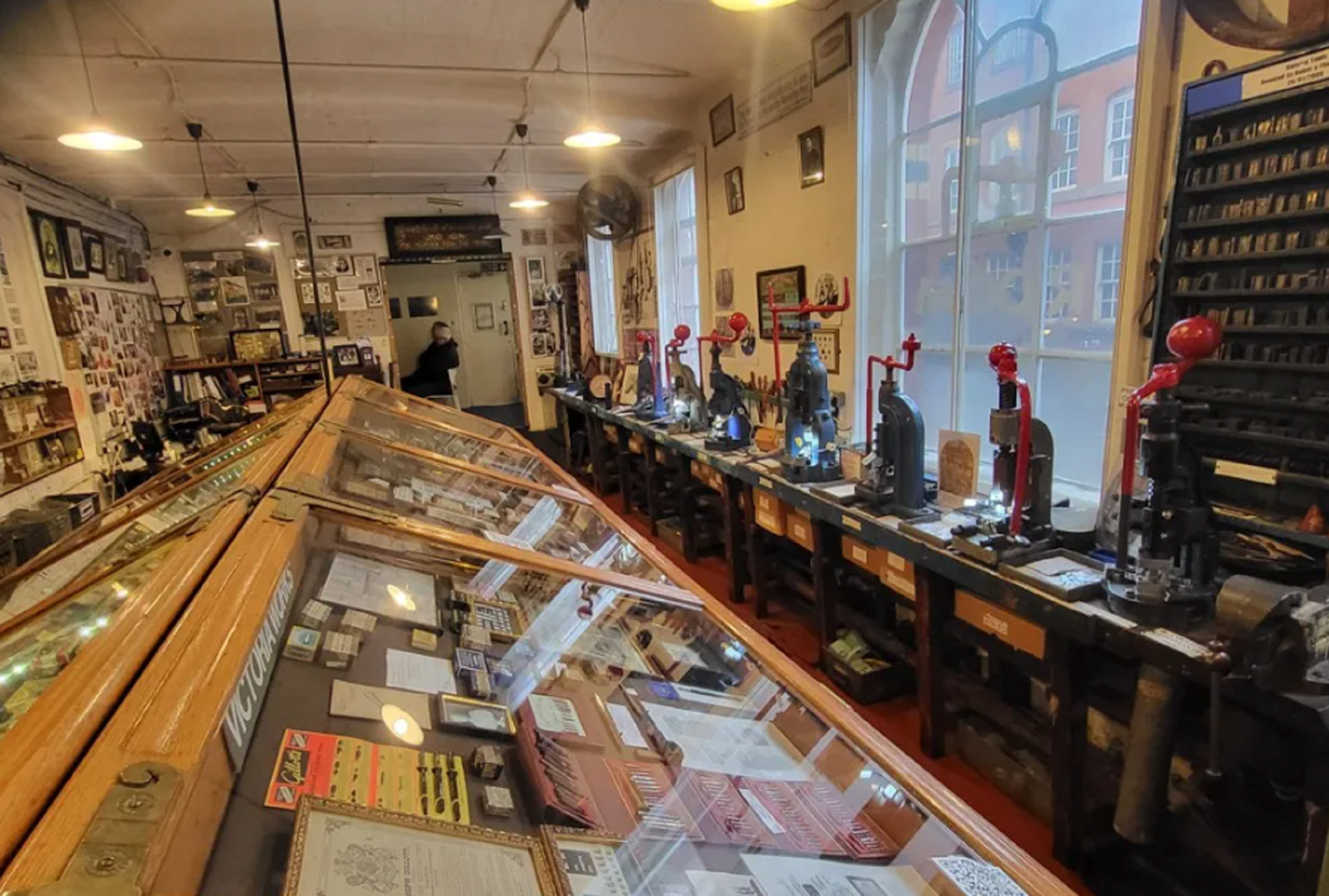
But to fully understand the impact of the Industrial Revolution, it is not enough to visit factories or workshops, even if they are still operating today. To fully understand that era, you should visit Birmingham’s wonderful museums, of which there are plenty. Returning to the Jewellery Quarter, you can visit the museum of the same name, which offers a fascinating insight into the life and work of a 19th-century jewellery factory.
It should be noted that the establishment has been preserved exactly as it was when the owners retired. The Jewellery Quarter Museum is like a time capsule that brings history to life. It is one of the most important museums not only in Birmingham but in the whole of the UK and industrial history.
Another great resource is the Lapworth Geological Museum. Although not strictly an industrial site, it showcases the raw materials extracted here that fuelled the revolution, from coal to iron ore. Its collections highlight the scientific knowledge that underpinned industrial expansion.
In addition, Birmingham has a well-developed practice of historical routes. These are particularly useful for those who prefer to explore on their own. These routes take visitors through areas rich in industrial history, such as the Gun Quarter or Digbeth. Each route offers a deep dive into the city’s past at a comfortable pace. Many of these routes start from landmarks in central Birmingham.
The order of day industrial tourism
Now more than ever, this heritage is at the centre of an increasingly complex network of relationships between producers, conservationists, politicians, and communities. The agendas of international tourism, sustainable development and community engagement compete with the expansion of the cultural economy and the interaction of local and national identities.
Communities may find themselves in conflict with local, regional, and national authorities over issues of ownership and access. Tourists ‘test’ heritage and traditions, and the tourism industry and its associated economy increasingly need heritage to play a role in shaping identity. Indeed, cultural heritage sites must now provide some tangible benefit beyond the aesthetic or historical qualities that previously justified their preservation.
But how can a meaningful heritage economy be created or managed to satisfy diverse and highly mobile communities and tourists? How can local, regional and national identities influence the development of the heritage economy? How are different types of heritage perceived by communities in the context of social change and economic decline?
Such questions reflect a shift away from an exclusive concern with preserving heritage at any cost to a complex and nuanced approach to heritage as a tool for development and recognition of its broader interpretations for a changing audience.
Cooperation in the field of tourism
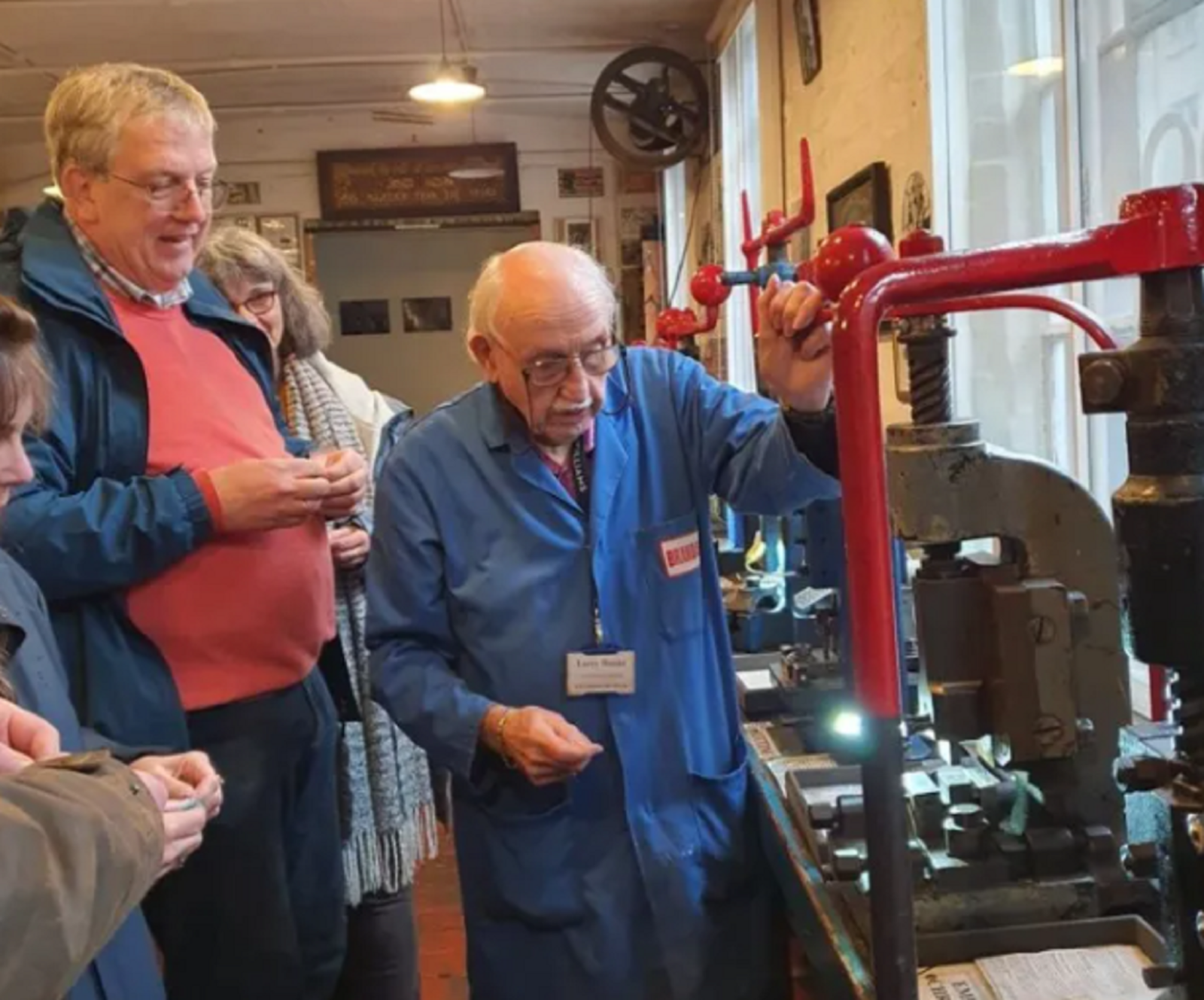
The Ironbridge International Cultural Heritage Institute is a partnership established over 30 years ago between the University of Birmingham and the Ironbridge Gorge Museum Trust, which manages a World Heritage Site and ten museums in the United Kingdom. Both organisations share a common interest in advancing the understanding of heritage as an international, interdisciplinary field of study that intersects significantly with the social and economic dimensions of tourism.
They collaborate across a range of disciplines, including anthropology, architecture, business, cultural geography, landscape studies, museum studies, tourism, and more. The collaboration extends internationally across the cultural, political, representational, and organisational dimensions of heritage, tourism, and development.
Overall, the University of Birmingham is known to value research that has a social impact and is capable of shaping policy and practice in the broader fields of heritage, tourism and economic development.
Sources: