

Spanning 40 acres, Fox Hollies Park was owned by the Hollies family until 1649, after which it passed to the Fox family until 1869. In 1929, the Birmingham City Council purchased the land along with the former country estate to transform it into a public park.
The Westley Brook flows through Fox Hollies Park, feeding into a fishing lake. Visitors can also explore a Bronze Age burnt mound, a historical site dating back over 3,000 years, along a two-kilometre walking trail.
Parking is available on-street, with additional large car parks at the nearby Fox Hollies Leisure Centre, which also features a football field, running track, and swimming pool. Read more about the history of Fox Hollies Park at birminghamname.com.
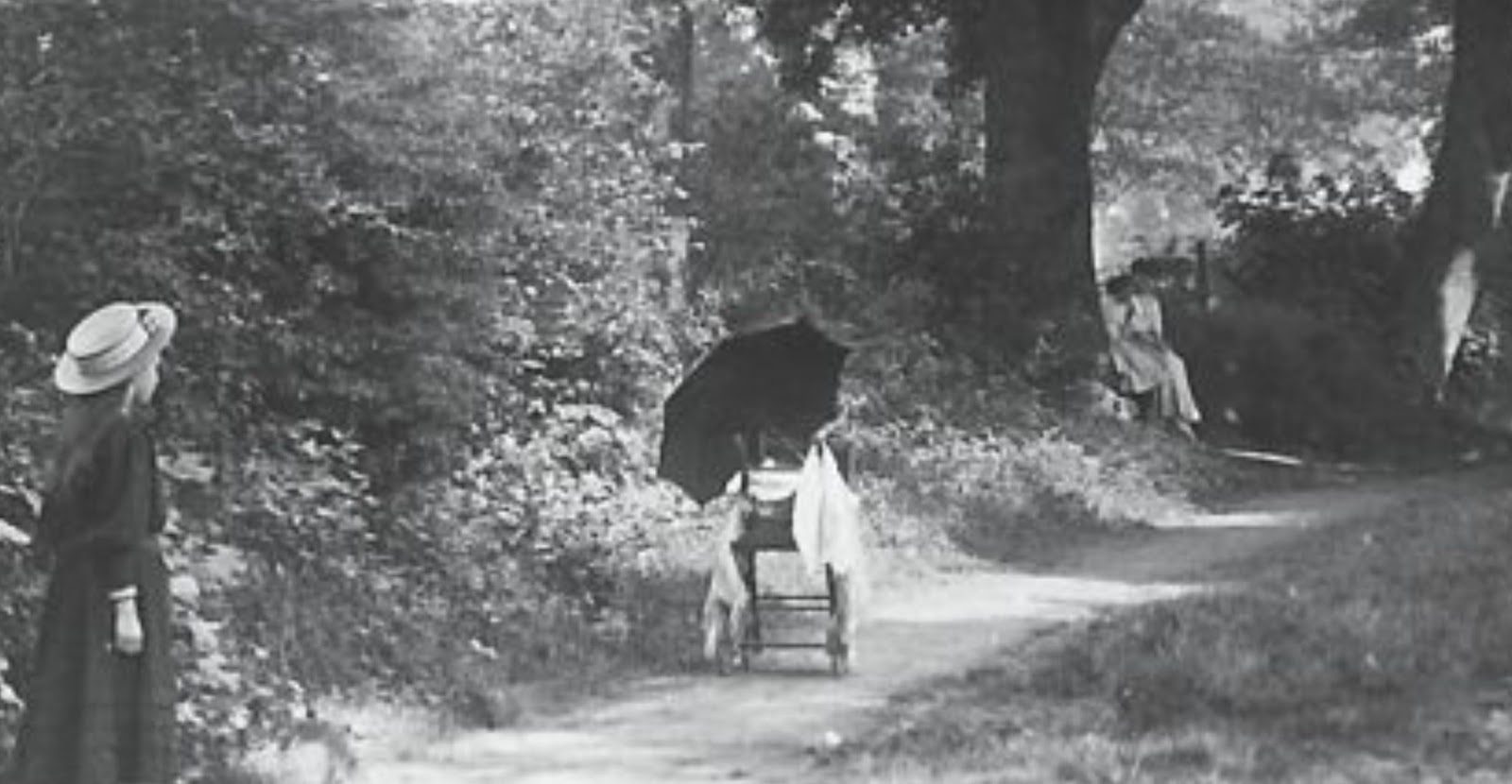
The Historical Landscape of Acocks Green
Fox Hollies Park is considered one of the most historically significant areas of Acocks Green. Artefacts dating back to 1500 BCE have been discovered in the park, including the burnt mound, believed to be a Bronze Age site.
In the 18th century, a watermill stood on the site, powered by the stream that still runs through the park today. The park itself is named after Fox Hollies Hall, a now-demolished estate built in 1869.
After the Birmingham City Council acquired the land in 1929, it took several years to develop it into a recreational park. Before World War II, Fox Hollies Park had little infrastructure, and it was not initially regarded as a formal leisure space. Instead, it became a community gathering spot with unofficial uses.
One local resident, Pat Smith, once referred to it as “the park for feet”, highlighting how locals frequently walked across it for various purposes. Over the years, two farms operated within the park, once part of Colonel Walker’s Fox Hollies Hall estate:
- Sandpits Farm – Primarily used for horse breeding
- Pool Farm – A traditional working farm, which included a pool that still exists today
Another significant historical feature is the Bronze Age sauna, but the park’s most famous landmark is undoubtedly the burnt mound, which has received protected status as an ancient monument.
The Burnt Mound
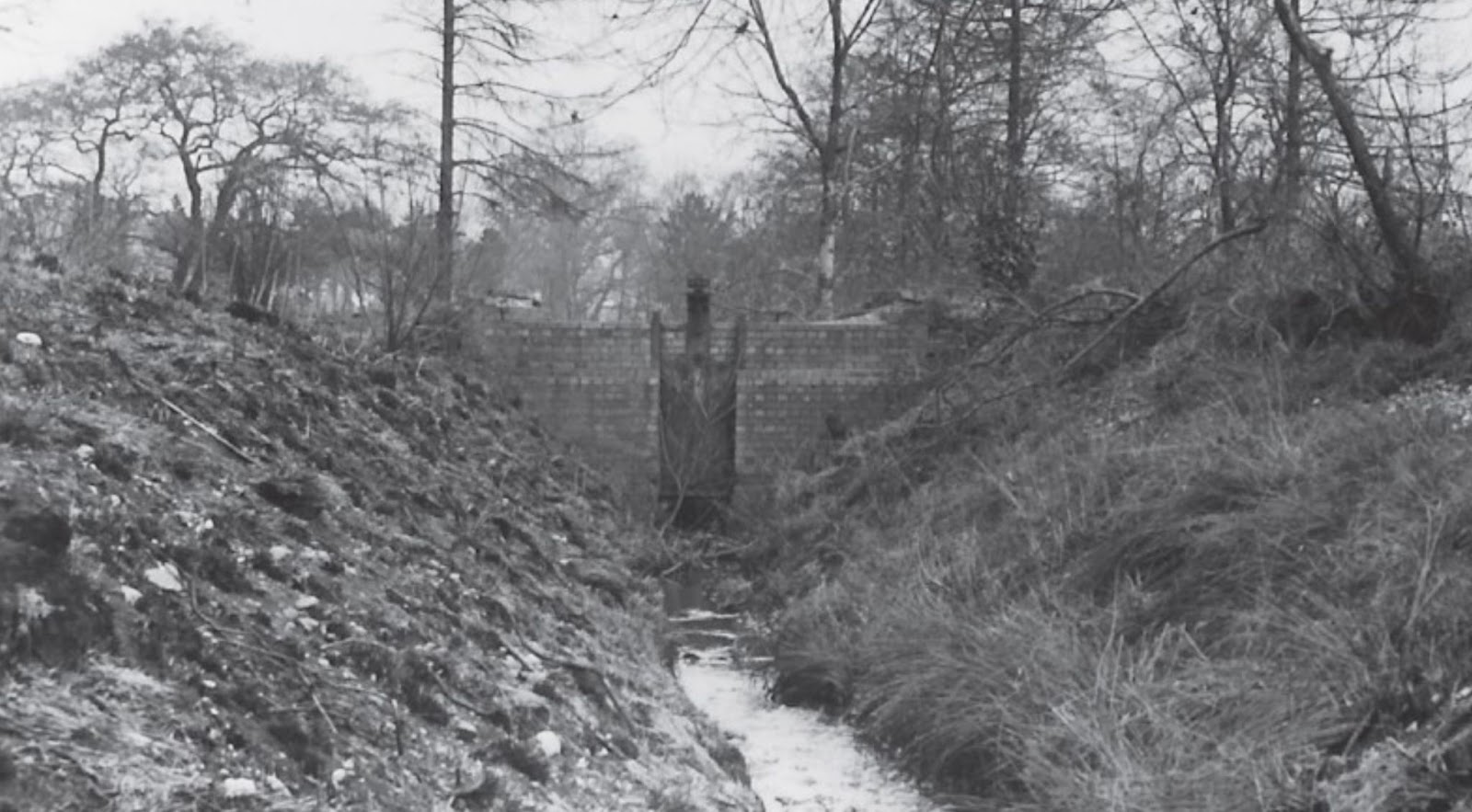
Located north of Westley Brook, the burnt mound consists of buried and earthwork remains. The mound is low and oval-shaped, measuring 14 metres by 9 metres and standing 0.3 metres high.
The centre of the mound contains charred stones mixed with black sandy soil, likely the remnants of an ancient fire pit. Geophysical surveys have identified dense stone clusters, along with at least:
- Seven probable pits
- Three fire hearths
- Four trenches
Archaeologists believe that burnt mounds functioned as prehistoric saunas, since no food remains have been found at these sites. Heated stones—cracked or shattered when cooled in water—suggest that steam baths may have taken place within the mound.
It is possible that this site served as a purification space, perhaps used by wandering healers or spiritual leaders, incorporating herbs, rituals, and chants for physical and psychological well-being.
The Broomhall Watermill
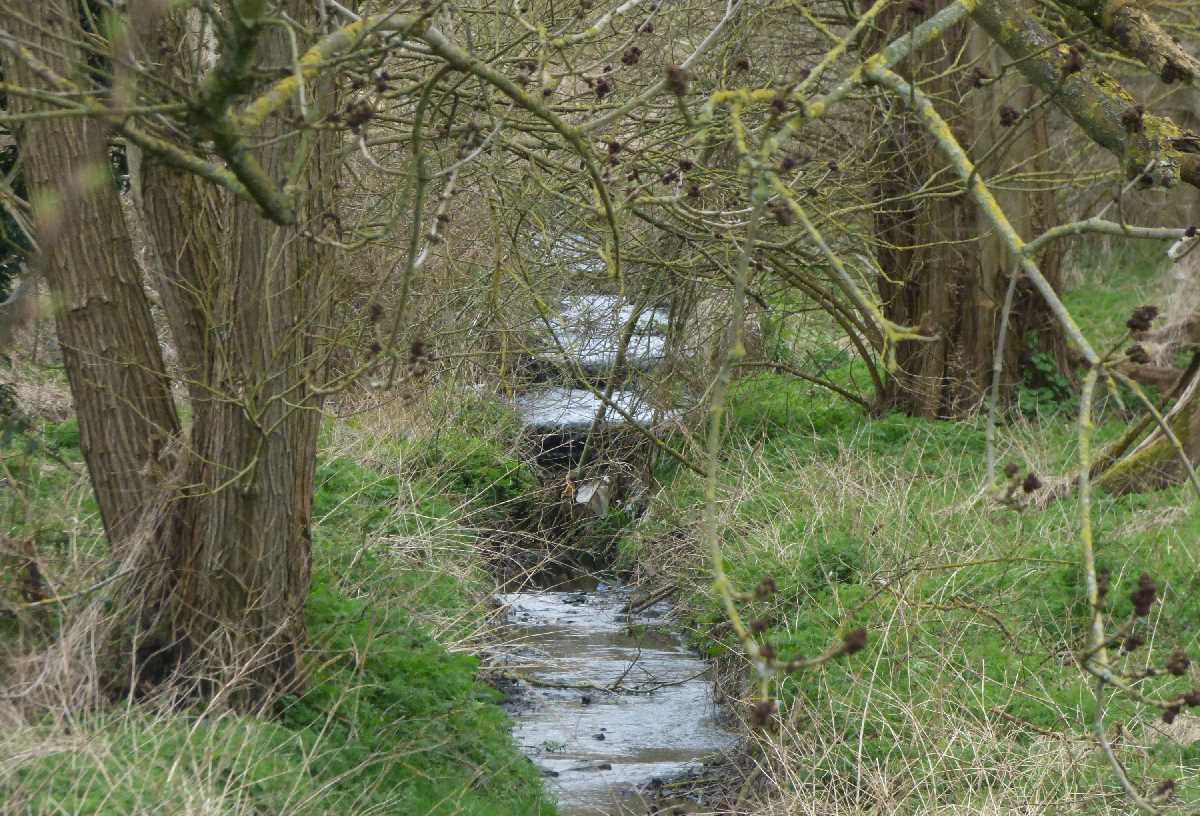
Another intriguing part of Fox Hollies Park is its historic watermill. Broomhall was once a large medieval settlement, surrounded by moats. The presence of a steep stream suggests that a watermill may have operated here as early as the medieval period, although it does not appear in the Domesday Book (1086).
A boundary report from 1609 refers to Broomhall Brook as “The Rasse”, which could indicate the presence of a relocated mill. Records confirm that the mill was operational between 1778 and 1803, with John Taylor II purchasing fishing rights for the mill pond in 1783.
The mill was still visible on maps until the 1880s, with its associated pond and fishery remaining intact until Birmingham City Council acquired the estate. Afterward, the pond was drained, and the mill basin was removed.
The brook now cascades over a series of concrete steps, forming a small waterfall-like feature that runs through the park’s valley. Given the steep gradient of the land, historians speculate that the mill may have used a small-diameter overshot waterwheel.
During World War I, Colonel Walker—the estate’s owner—faced financial difficulties and, in 1925, sold Fox Hollies Hall and its lands to the Birmingham City Council. Most of the park, except for its southeastern section, was once part of Walker’s estate.
The southeastern land originally belonged to the Severn family, who were major landowners across England. Mrs. Ruby Irene Wynn (née Severn), who married the 6th Baron Newborough, was one of the key figures involved in selling the land.
In 1929, the estate underwent compulsory purchase, and by December of that year, the site was designated a public park. The following years saw extensive land drainage and levelling.
By April 1936, remnants of the mill dam were still visible.
Fox Hollies Park Today

Today, Fox Hollies Park offers a variety of natural and recreational attractions:
- Main entrances are located on Shirley Road and Gospel Lane, with additional access via Pool Farm Road, Pollard Road, and Oakhurst Road.
- A car park is available near Gospel Lane, while bus routes 32 and 4A serve stops near Shirley Road and Gospel Lane, respectively.
- The park is also within a one-mile radius of three railway stations: Hall Green, Spring Road, and Olton.
Upon entering Fox Hollies Park, visitors first encounter a small playground featuring a climbing frame and swings. This is a great spot for families, allowing children to play and release energy while enjoying the surrounding landscape.
The park’s central open space resembles a golf course fairway, with longer grass on the surrounding hills. Additionally, there is a woodland area, offering visitors two options:
- Walking through the forest, weaving between the trees
- Following an open trail leading toward the historic burnt mound
The trail eventually reaches a small lake near Gospel Lane, where Westley Brook flows through the park, creating a serene atmosphere.
A simple walk through Fox Hollies Park can provide stress relief, a mood boost, and a renewed sense of energy and optimism.