

Birmingham is one of the greenest cities in the United Kingdom, even being called Nature City. This is all thanks to the ancient forests surrounding the city and the large number of parks and natural spaces. There are almost 600 parks and more than 3,500 hectares of open green space. In other words, forestry around Birmingham is defined by a combination of ancient forests and large-scale restoration projects.
Historically, these areas were royal hunting grounds, but then the surrounding areas were transformed from industrial, degraded land into modern, diverse woodlands, which now boast over 1 million trees. For more details about Birmingham’s forests and parks their inhabitants, read more at birminghamname.com.
Naturally, these forests and natural areas not only support local biodiversity, but are also important for environmental education, research, and recreation for residents and tourists.
The forests of Great Britain: the green lungs of the country
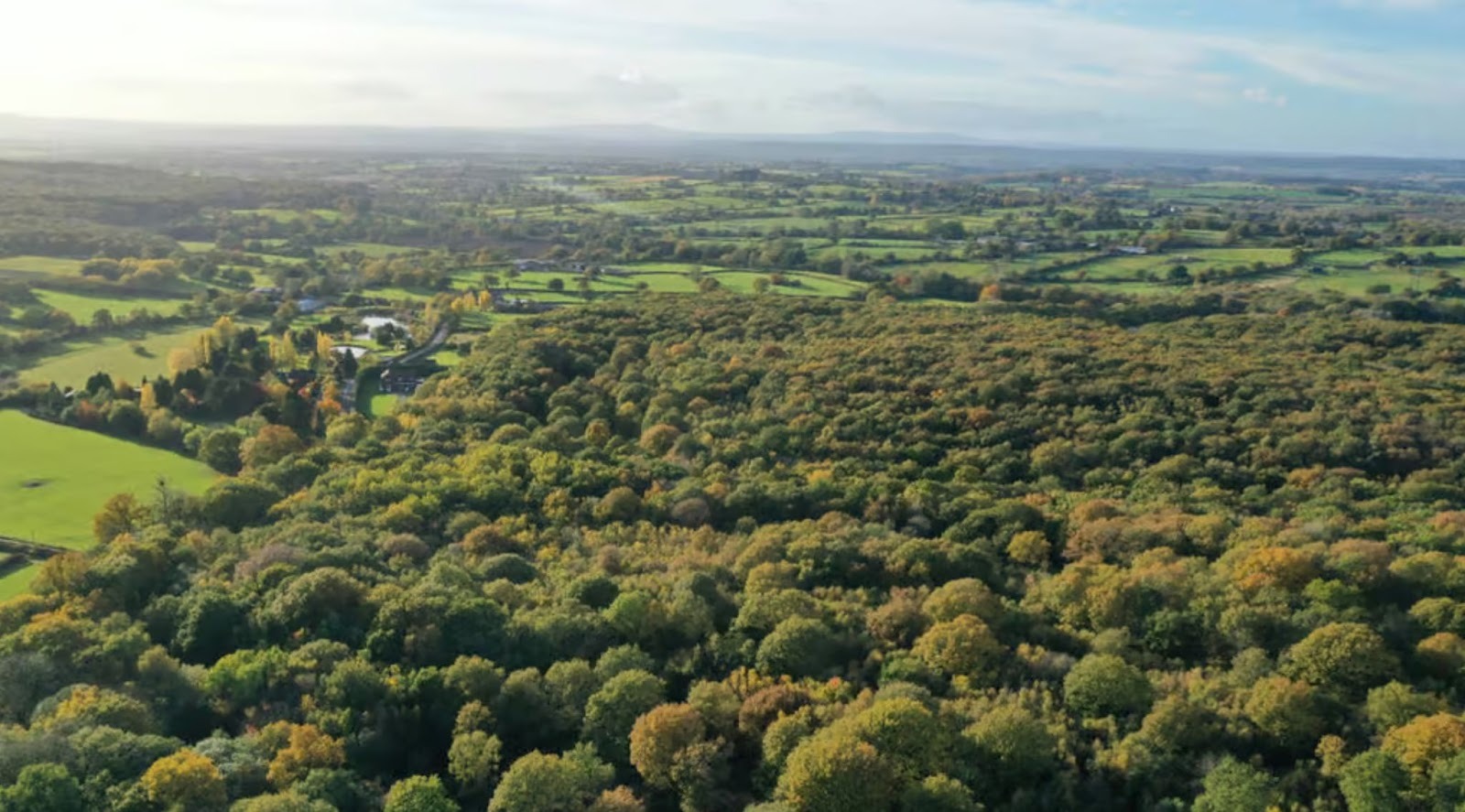
The United Kingdom has always been known for its picturesque forests. Currently, approximately 13% of the country’s territory is covered by forests, which is about 3.1 million hectares. Although this is not the highest figure in Europe, British forests play an extremely important role.
Firstly, and most importantly, they regulate the climate, acting as the Earth’s “green lungs”, absorbing carbon dioxide and releasing oxygen, thereby reducing the greenhouse effect. In other words, it is forests that help purify the air. And secondly, forests stabilise temperatures, increase air humidity, retain moisture in the soil, protect against winds and influence precipitation, preventing areas from turning into deserts.
Let’s add the fact that large forest areas are home to hundreds of species of plants and animals. Therefore, it is not surprising that forest management is carried out at the national level. The National Forest Service and numerous environmental organisations are actively working here to preserve old-growth forests, restore lost areas and combat invasive plant species.
The country also has active programmes to engage the public. These involve volunteers who help plant new trees, clear forest paths and care for rare species of flora. At the same time, forestry in cities differs from forests in rural areas. Here, the main goal is to preserve green areas as part of the ecology and as a place for city dwellers to relax.
Birmingham, one of England’s largest cities, has a unique balance of urban development and green spaces, and its woodlands are a striking example of this combination.
The forests of Birmingham and their management
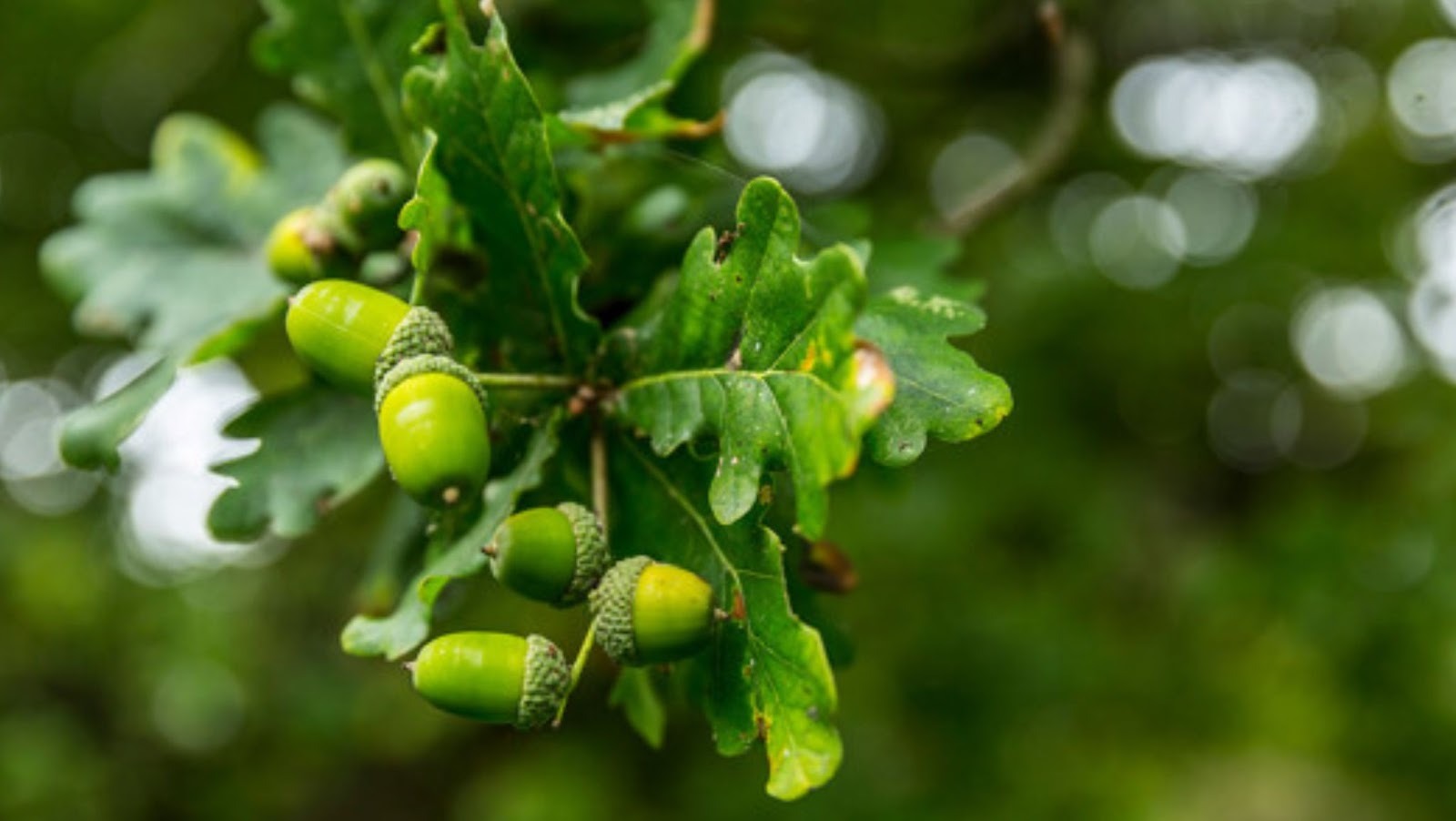
Today, ancient forests remain around Birmingham, which were once part of the large private estates of the English aristocracy. These forests, among which Moseley Bog, Joy’s Wood and Deer’s Leap Wood stand out, were not only a source of timber and firewood, but also served as favourite hunting grounds.
Nobles organised hunting grounds here and arranged seasonal hunts for deer, hares and wild birds. Forest glades and paths were laid out specifically for hunting routes, and ponds and lakes supported waterfowl for sport hunting.
Later, with the development of industry and urbanisation, part of the forests were preserved thanks to the efforts of local communities and environmental organisations. Today, these ancient forests are nature reserves where you can see rich flora and fauna, walk along the paths once trodden by aristocrats, and feel the atmosphere of ancient times.
Today, numerous areas of mixed forest remain within Birmingham, where oak, birch, maple, hazel, alder and other species grow. Among the most famous forest areas in Birmingham are Moseley Bog and Joy’s Wood. Moseley Bog covers an area of approximately 12 hectares and combines marshy areas, old oak forests and meadows. The history of this forest dates back to the Middle Ages, when these areas were used for hunting, grazing livestock and collecting firewood.
In the 20th century, the forest faced the threat of development, but thanks to an active campaign by local residents and environmentalists, it was preserved and became a nature reserve. Joy’s Wood is a small forest area that serves as a kind of extension of Moseley Bog, preserving the natural landscape and biodiversity. Today, the city administration, in collaboration with the Birmingham & Black Country Wildlife Trust, actively cares for these woodlands, building trails, restoring damaged areas, monitoring tree health and controlling the spread of pests.
In addition, it should be noted that Birmingham is home to Deer’s Leap Wood, Woodgate Valley Country Park, Plantsbrook Local Nature Reserve and Kingfisher Country Park — all of which support a rich variety of flora and fauna and serve as the city’s “green lungs”.
Fauna and nature conservation
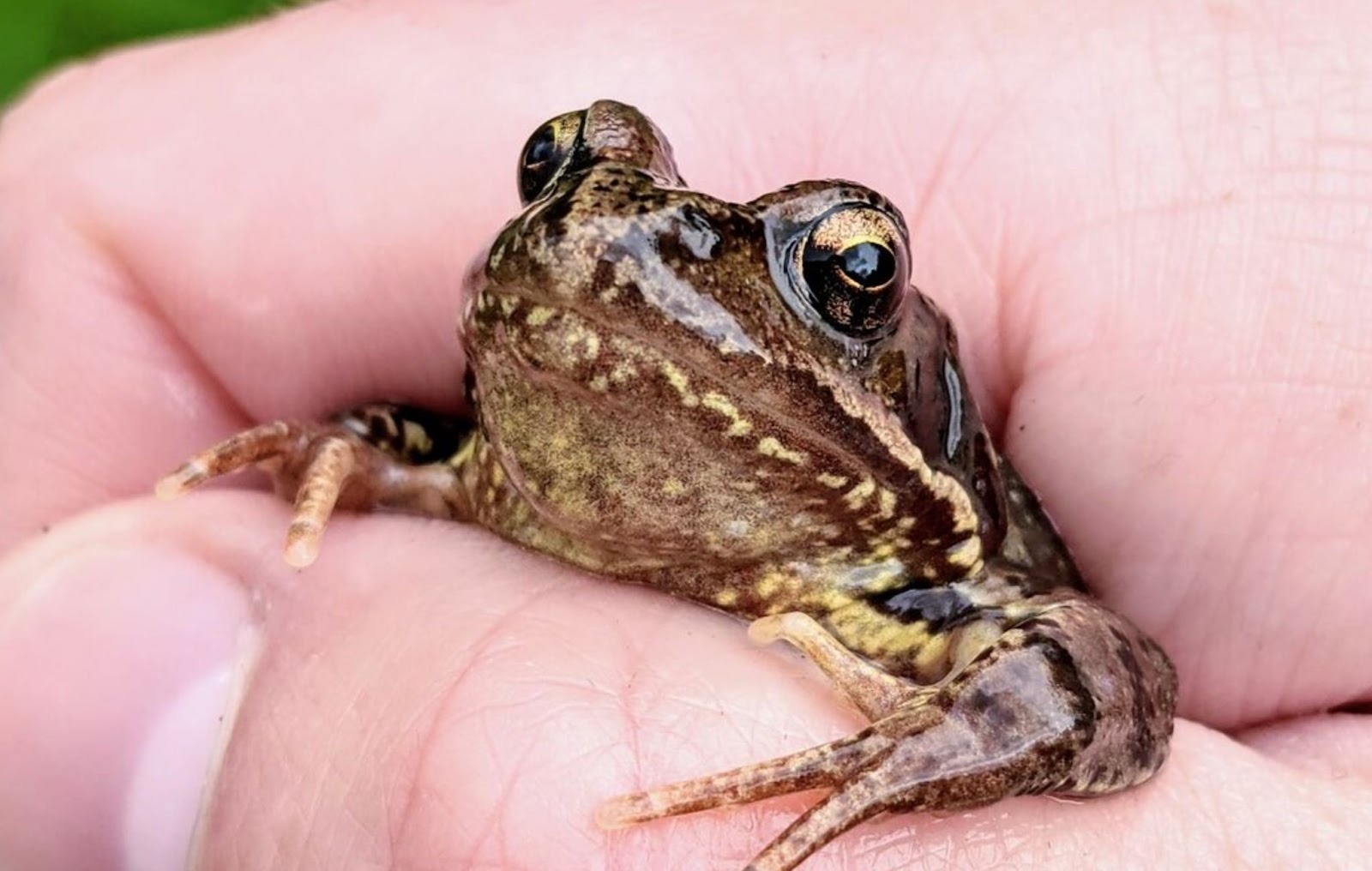
It is clear that Birmingham’s forests are not only woodlands, but also a habitat for hundreds of animal species. Bats, squirrels, hedgehogs, foxes and small rodents live here, while frogs, salamanders and a multitude of different aquatic insects inhabit the ponds and marshes. The bird life of these forests is no less diverse.
The Birmingham Woods are home to many species of songbirds; here you can encounter and enjoy the singing of species such as the blackcap, bullfinch, and chaffinch. But there are also predators here, such as buzzards and long-eared owls. And of course, there are waterfowl such as kingfishers, Canada geese, and others. This list could go on and on.
The presence of these species requires comprehensive protection measures. For example, hunting is prohibited within urban reserves, populations are monitored, and special nesting sites for birds and artificial shelters for small mammals and waterfowl are being set up. In addition, volunteers regularly help to maintain the areas by removing rubbish, planting plants and maintaining natural glades.
Park, recreation and tourist routes
Forests are only part of Birmingham’s green appeal. The city has over 600 parks and around 3,500 hectares of open green space, including meadows, squares and ponds. The parks are home to oak, birch and maple trees, as well as ornamental plants such as tulip trees, magnolias, forsythias and hydrangea bushes. The city administration maintains the parks: trees are pruned, walking and cycling routes are laid out, and lawns and flower beds are tended.
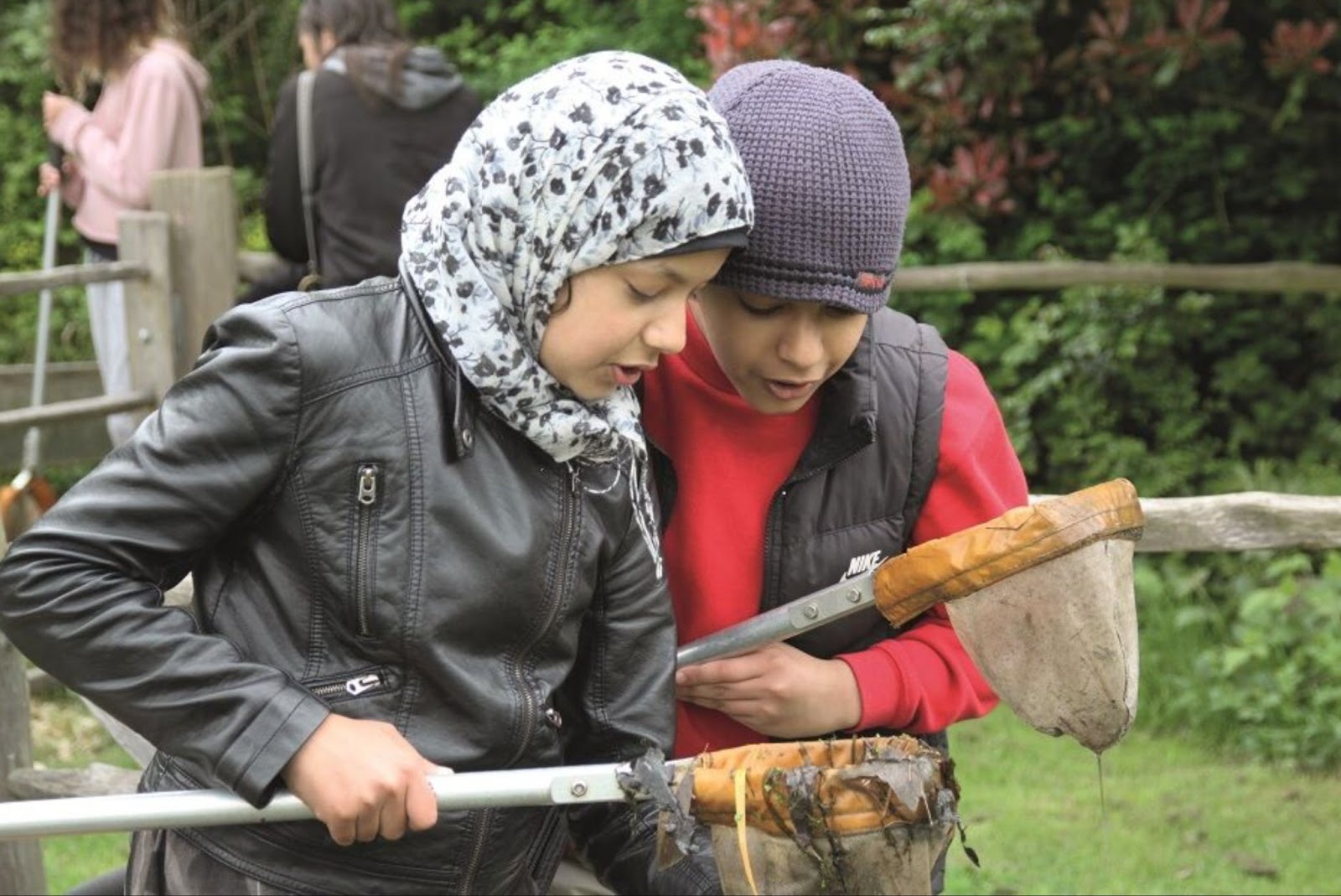
There are numerous walking and cycling routes for residents and tourists. For example, Moseley Bog has walking trails through the forest and marshy areas, as well as information stands about the flora and fauna. Woodgate Valley Country Park offers routes through meadows and along streams. Educational excursions and themed tours on ornithology, botany and wildlife photography are also popular.
It is safe to say that Birmingham clearly demonstrates how a large city can preserve its natural heritage while combining it with recreation, education and scientific research. The city’s green spaces are not only forests, but also a symbol of environmental awareness and the citizens’ love of nature.
Sources: