

Birmingham is pursuing decarbonisation through a multi-faceted approach involving the city council, businesses, and academic institutions. Key strategies include improving sustainable transport, improving the energy efficiency of buildings through modernisation, updating planning policies for new developments and using data to inform and implement carbon reduction projects. The city has already achieved significant emissions reductions since 2005 and is striving to reach net zero as quickly as possible. Read more about this at birminghamname.com.
Decarbonisation as it is

Before discussing Birmingham’s decarbonisation, let’s take a moment to explain what it is. Decarbonisation is the process of reducing or eliminating net greenhouse gas emissions, particularly carbon dioxide, from human activities in order to combat climate change.
This involves a transition from fossil fuels to low-emission alternatives, such as renewable energy sources and energy efficiency improvements. This transformation aims to limit global temperature rise, with many countries striving to achieve net-zero emissions by mid-century to meet climate goals such as those set out in the Paris Agreement.
For Birmingham, information on the city’s territorial greenhouse gas emissions comes from national statistics from local authorities in the UK and regional greenhouse gas emissions. This information is published every few years. For example, in 2022, Birmingham’s territorial emissions were 43160 kt CO2 equivalent, which is 38% less than in 2005.
Birmingham City Council

According to the Birmingham City Council website, it is important that citizens, organisations, and institutions in the city join the fight for zero emissions. As for the city council, its role is to use its unique opportunities to influence the local area.
This will help create a city that enables citizens to live more sustainable lives. The City Council takes on a unifying role, bringing citizens together and working with these groups, encouraging action, sharing experience and expertise to support each other in reducing emissions in Birmingham.
What exactly does this mean? One example of such encouragement is the updating of the local plan and planning policy. This should ensure that future developments meet high environmental standards and support zero pollution ambitions.
Similarly, the city council has the opportunity to promote the implementation of Birmingham’s communication plan to improve transport systems and access to environmentally friendly modes of transport, while reducing emissions. It also involves implementing housing modernisation projects to insulate the homes of low-income groups in order to improve their comfort, reduce energy bills and, most importantly, reduce emissions.
Similarly, it is not possible to succeed in the fight against carbon without partnership and cooperation. Birmingham City Council has several initiatives in this area. One of them is holding a model school event of the Conference of the Parties to discuss climate policy and study actions that could be taken to respond to climate change.
Similarly, Birmingham Covenant of Faith was involved in this collaboration to understand their challenges in combating climate change and to provide advice on reducing emissions. New structures for interaction were also created to manage any activities during cooperation with city stakeholders on global warming.
University of Birmingham
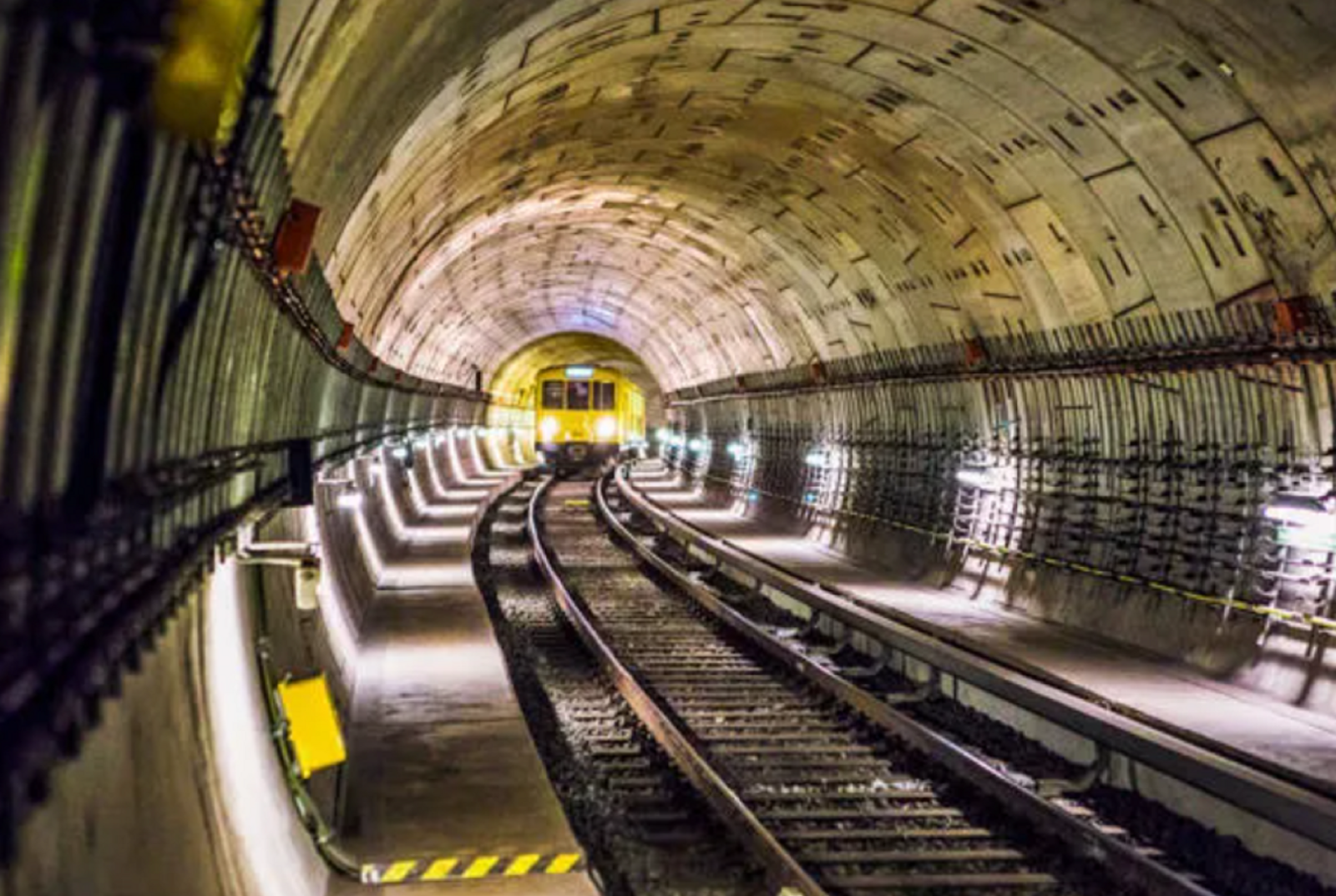
But it is not only the city council that is working to implement plans to achieve zero decarbonisation. The University of Birmingham is also making considerable efforts, collaborating with industry partners to share knowledge and translate theory into real-world applications through experimentation. According to the university’s researchers, this will enable the development of the technologies and infrastructure needed to decarbonise the energy and transport sectors.
As we know, transport and energy are the largest sources of carbon emissions in the UK, making the decarbonisation of these sectors important for the successful achievement of the ambitious goal of zero emissions by 2050.
In this context, it is very important to promote changes in how energy is supplied, consumed and thought about. Bringing together interdisciplinary research from across the University of Birmingham and collaborating with government, industry, and international partners. Local research addresses societal problems and challenges related to energy poverty, the circular economy, transport systems, cooling, hydrogen, energy storage, and heat decarbonisation.
The Birmingham Centre for Rail Research and Education is Europe’s largest academic group providing world-class research, education, and innovation services to the rail industry. The Centre is the lead partner in the Rail Research and Innovation Network, not only for Birmingham but for the UK as a whole, which is a partnership between academic centres of excellence and the rail industry.
Decarbonisation is a serious challenge for the current generation of city dwellers. To build a better future and achieve net-zero emissions by 2050, energy and transport must be transformed. At the University of Birmingham, innovative solutions for sustainable transport, electricity, hydrogen, cooling and heating are being developed to achieve this.
What is assessment of decarbonisation
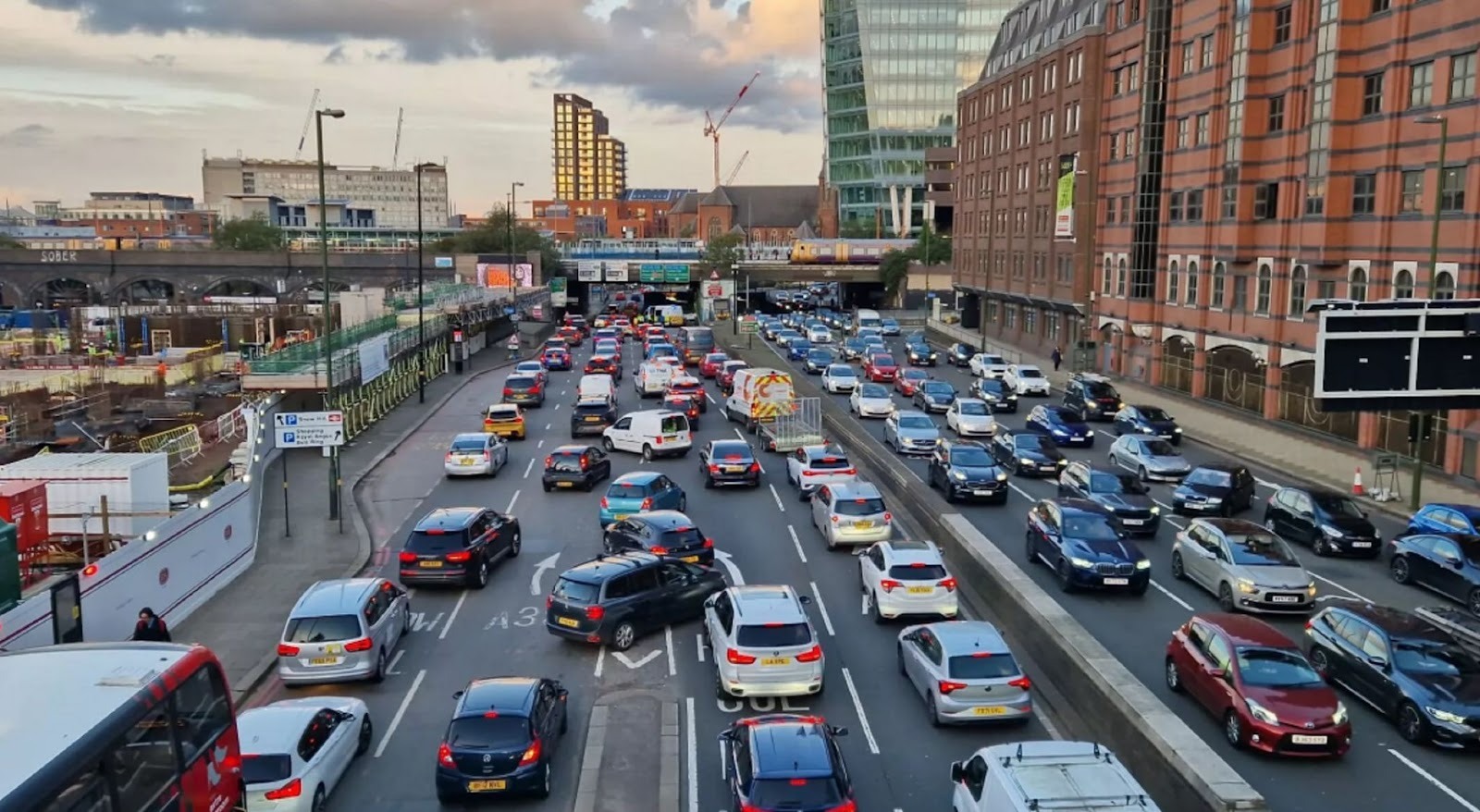
But achieving these goals without scientific analysis is simply not possible. It is a detailed assessment of decarbonisation for thermal energy processes that will provide the understanding and tools needed to effectively reduce carbon emissions while increasing productivity and efficiency.
An objective decarbonisation assessment analyses the energy used in various thermal applications and processes, highlighting potential savings through recommended actions. What does this involve? First and foremost, it is about the distribution of energy use, i.e. it is necessary to understand exactly where and how energy is consumed in thermal processes and operations.
In addition, it is useful to obtain clear, quantified potential savings to support sustainability reporting to shareholders, governing bodies and customers, i.e. to obtain quantified savings.
It is equally important to obtain practical recommendations focused on achieving significant carbon emissions reductions without compromising productivity, as well as advice on electrical infrastructure. Specifically, along with recommendations for solutions, advice should be provided on the necessary infrastructure or power supply requirements. The report should provide a clear overview of the proposed solutions, together with indicators of carbon dioxide emission reductions and energy savings.
All components can be presented in stages, with a detailed description of the short-term effects, from quick wins to large-scale improvements. This is necessary in order to objectively assess whether any of these solutions should be implemented and when.
Sources: