

Sir William Bate Hardy’s career vividly shows how a brilliant mind can achieve incredible success in fields far removed from their original training. Although a biologist by education, his work significantly advanced biochemistry and pathology. He also became a university administrator and successfully managed a major national enterprise. Throughout these diverse roles, a clear continuity and logical progression marked the development of his thought and creativity. Learn more about the life and scientific achievements of this Birmingham native at birminghamname.com.
Education and Early Scientific Career
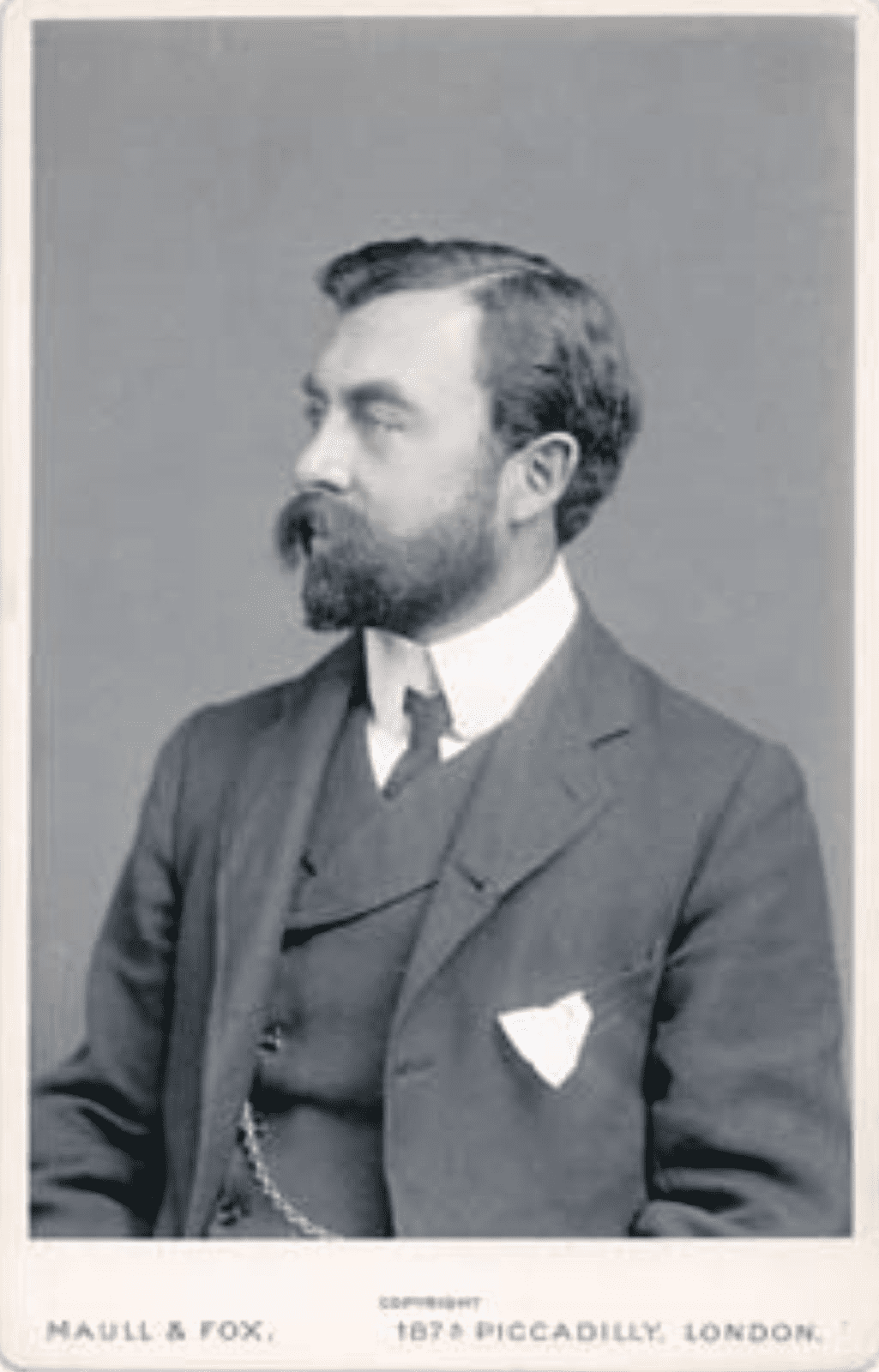
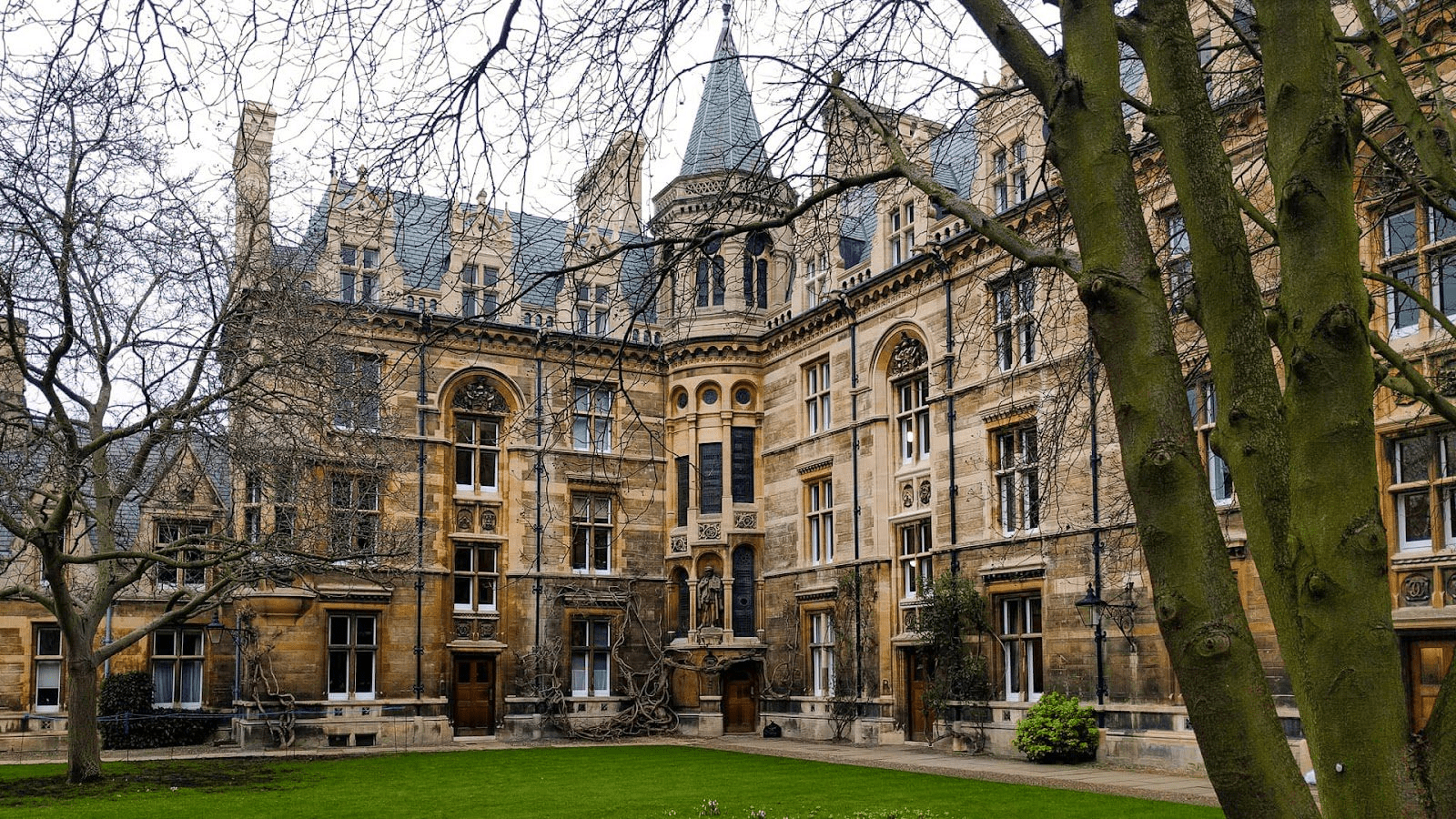
Hardy was born in Erdington, a suburb of Birmingham in Warwickshire, on April 16, 1864. He was educated at Framlingham and Gonville and Caius College, Cambridge. There, he earned his Master of Arts degree in 1888 and conducted biochemical research. Hardy’s primary subject was zoology. After graduating, he was elected to a Shuttleworth research scholarship and, in 1900, won the Thurston Prizeman Prize.
In 1892, Hardy became a fellow of his college and later a lecturer. At the university, he first served as a demonstrator and then as a lecturer in physiology. Working with Michael Foster, Hardy developed a keen interest in teaching histology, which he taught to an advanced class.
He delved into research in this area, publishing eleven papers between 1892 and 1898 on the morphology, behavior, and functions of leukocytes and wandering cells in crustaceans, amphibians, and mammals. His research showcased considerable technical skill. This was a period of heightened interest in leukocytes, sparked by Metchnikoff’s discovery of phagocytosis. Hardy significantly contributed to understanding this phenomenon. Among many interesting findings, he demonstrated the existence of remarkable “explosive” blood clots in crustaceans.
A Critical Look at Histological Techniques
Towards the end of this period, Hardy became convinced that contemporary histological techniques needed a critical reassessment. The methods used to “fix” living tissues with reagents for microscopic examination were far from perfect. While these methods had served a scientific purpose for several years, they often misled researchers by creating artificial phenomena in cell protoplasm instead of revealing real ones.
Convinced of the fundamental importance of these considerations for cytology and biology as a whole, Hardy, with his characteristic energy, began studying how accompanying conditions affected the stability and behavior of colloidal systems. He started with a basic understanding of biochemistry and the simplest equipment but quickly produced new data of paramount importance.
He published two classic papers in 1899: “On the Structure of Cell Protoplasm” and “On the Coagulation of Proteids by Electricity.” These works profoundly impacted contemporary scientific thought and reached a very wide audience. As a result of a year’s work, Hardy clarified the difference between suspension and emulsion colloidal systems much more distinctly than before and demonstrated many important properties of each type. His meticulous study of the coagulating power of electrolytes revealed their dependence on micellar and ionic charges. This brought clarity and precision to previously vague knowledge, leading to further detailed research by himself and other scientists, as well as fundamental advances in these disciplines.
These papers were soon followed by others that expanded on the subject. For example, one focused on the conditions determining the stability of irreversible hydrosols, and another explored the mechanism of gel formation in reversible colloidal systems.
Pioneering Radium Studies

During this time, William Hardy took a brief detour to study the effects of radium on living tissues. Hardy was one of the first to investigate phenomena associated with radium. The dangers of handling radium were not fully understood then, so it was perhaps fortunate that he did not continue this work for long. Hardy was undoubtedly careless in handling the considerable quantity of radium he possessed and studied. As a result, he suffered a severe burn—not surprising, as he reportedly carried it in his waistcoat pocket.
Investigating Proteins and Molecular Physics
Hardy developed an early interest in protein equilibrium in the blood, an interest he maintained throughout his life. He always leaned towards the idea that a single protein complex existed in circulating blood. He meticulously studied recognized fractions, particularly the globulin fraction. His work on globulins, published in 1903 and 1905, was summarized in his 1907 Croonian Lecture. This research led to several important generalizations for colloid science, including establishing the isoelectric point as a physical constant for individual proteins.
During this period, Hardy delved into molecular physics problems as they related to his own work, equipping himself to tackle them. He set out to update and expand his mathematical knowledge. In the pre-war period, Hardy published papers applying mathematical analysis to phenomena he had previously studied. These included “A General Theory of Colloidal Solutions” and “The Tension of Composite Fluid Surfaces.” While these theoretical works are significant for revealing their author’s thought processes at the time, most readers find them difficult to comprehend.
Exploring Static Friction and Lubrication
Immediately after the war, William Bate Hardy’s interest turned to phenomena related to static friction, which inevitably led him to the problems of lubrication. These topics might seem distant from his previous interests, but they actually followed in logical succession. Hardy had long believed that colloidal solutions were merely special cases of ordinary molecular solutions, their peculiarity being a significant deviation from thermodynamic reversibility due to high internal friction caused by the limited mobility of one of the components.
Two of his papers on static friction describe experiments establishing the relationship between solid surfaces in contact.
Sir William Bate Hardy: A Champion of Science Funding
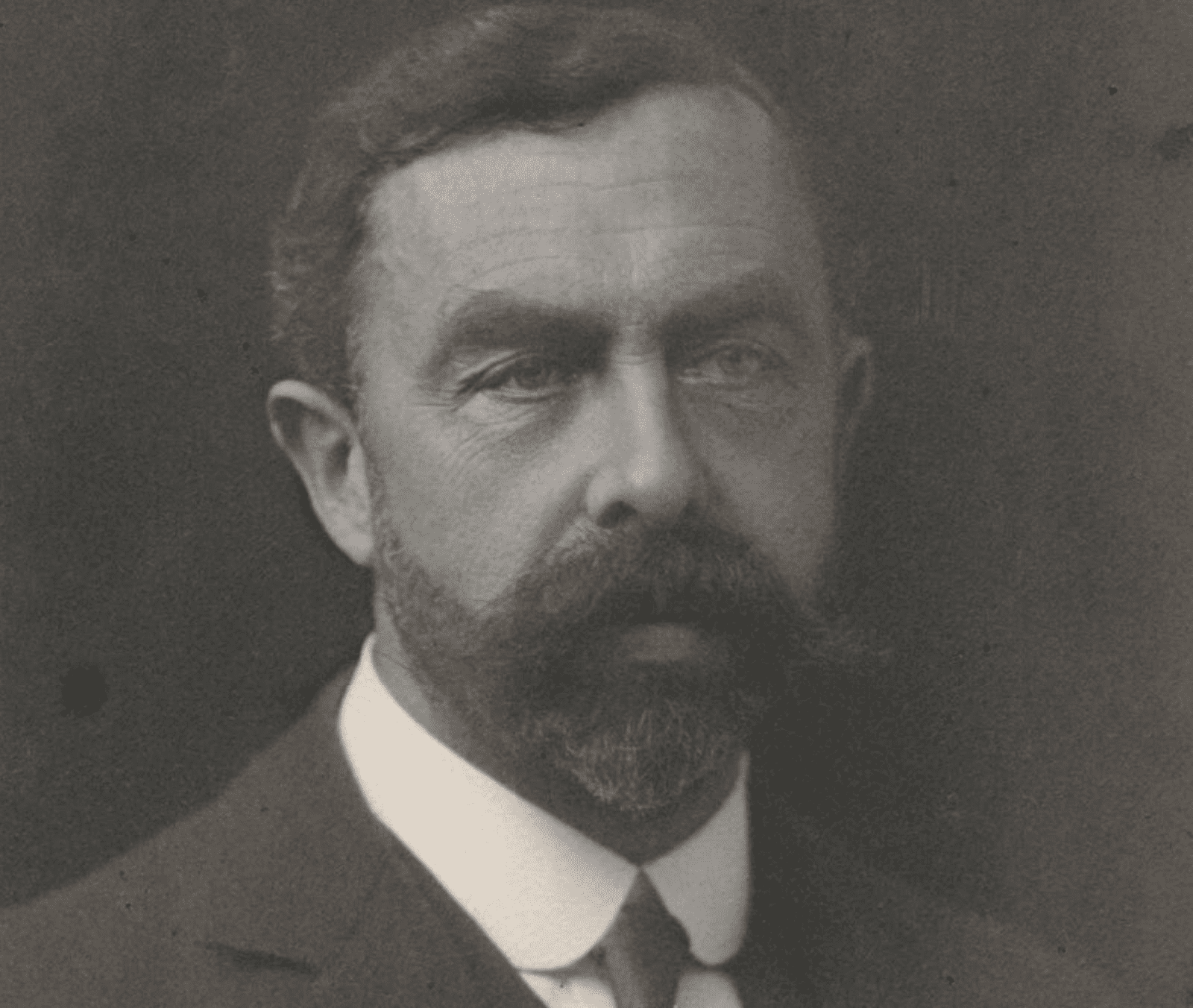
William Bate Hardy’s contributions to the popularization and funding of British science deserve special mention. In 1920, Hardy, in collaboration with Sir Walter Morley Fletcher, secretary of the Medical Research Committee, persuaded the trustees of Sir William Dunn’s estate to use funds for research in biochemistry and pathology. To this end, they provided Professor Sir Frederick Gowland Hopkins at Cambridge with £210,000 in 1920 to advance his work in biochemistry.
Two years later, the trustees donated £100,000 to Professor Georges Dreyer at Oxford University for pathology research. These funds enabled each recipient to establish a department and sophisticated teaching and research laboratories: the Sir William Dunn Institute of Biochemistry at Cambridge and the Sir William Dunn School of Pathology at Oxford. Both institutions have produced ten Nobel laureates, including Hopkins for the discovery of vitamins, and Professors Howard Florey and Ernst Chain for their development of penicillin.
Hardy was knighted in 1925 and died in Cambridge in 1934.