

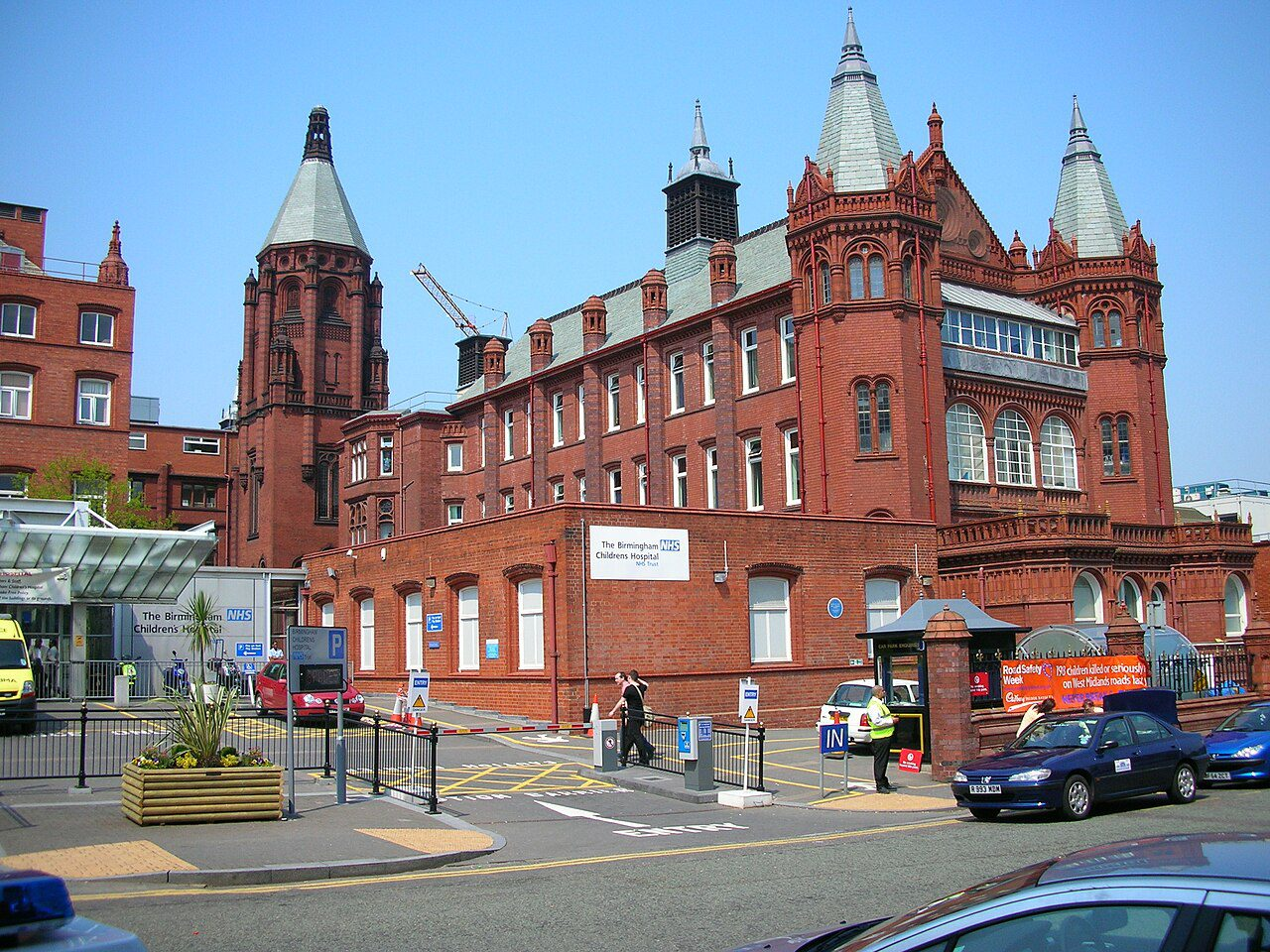
Since its inception in 2003, the Birmingham District Energy Scheme has continually expanded. It plays an increasingly crucial role in the Birmingham City Council’s climate change strategy, which aims for a 60% reduction in carbon dioxide emissions by 2025. The energy scheme is owned and operated by Cofely District Energy. This company works in partnership with Birmingham City Council, Aston University, and Birmingham Children’s Hospital, under the name Birmingham District Energy Company Ltd (BDEC). To learn more about the city’s energy system, which not only provides thermal energy but also helps create a safer environment, visit birminghamname.com.
Large-Scale Energy Supply in Birmingham
The scheme originated from a long-standing vision by Birmingham City Council and Aston University to develop a large-scale energy supply in the city center. This followed extensive global research, including site visits to other established schemes in the country.
It all began in 2003 with initial studies and a visit to the Southampton District Energy Scheme. Two key areas, Broad Street and Eastside, were identified as foundations for the project. Following an innovative procurement approach, supply tenders were jointly issued by the local authority and Aston University. Cofely District Energy was selected as the partner. The first 25-year energy supply agreement between the partner organizations was signed in 2006. An energy services agreement for the Eastside scheme, also for 25 years, followed in 2008-2009.
This trigeneration scheme produces heat, electricity, and chilled water. It relies heavily on large-scale Combined Heat and Power (CHP) technology, with conventional boilers used for top-up capacity, standby, and to enhance resilience. Electricity from all CHP units is distributed directly to each building or site via private wire networks.
Chilled water is generated by absorption chillers, powered by heat from the CHP plant and the boiler house. Overall, the Birmingham scheme prevents over 12,000 tons of carbon dioxide emissions annually compared to traditional systems. It’s worth noting that Birmingham City Council’s climate change strategy targets a 60% reduction in CO2 emissions by 2025.
Financial savings for the schemes are based on whole-life cost projections and are maintained throughout the contract by indexing charges to national fuel prices, the Retail Price Index (RPI), and other factors. As the scheme expands, any profits are shared 100% with core customers. Current customers include the International Convention Centre, Barclaycard Arena, the Library of Birmingham, Birmingham Children’s Hospital, as well as residential and academic buildings on the Aston University campus and various municipal buildings.
New Scheme Participants

Thanks to significant financial savings and reduced carbon emissions, the scheme quickly expanded to serve several third-party private developments. In 2013, a purpose-built plant began supplying low-carbon energy to the Library of Birmingham and The REP Theatre. This facility is connected to the existing Broad Street scheme to export and import heat, adding further capacity and resilience to the system.
In 2016, the Broad Street heat network was successfully connected to the newly renovated Birmingham New Street Station. The project included installing a new 1.6 MW CHP engine, which supplies both the station and the new flagship John Lewis Partnership store with low-carbon heat and power. This connection to the station and the John Lewis store linked the existing schemes, effectively uniting the Broad Street and Aston University district networks via approximately 1.5 km of pre-insulated underground pipes.
The initial plan was always to expand the three main schemes. Driven by significant financial savings and reduced carbon emissions for customers, the system has grown rapidly since its inception. It continues to evolve with the addition of new clients and the implementation of low-carbon technologies. Consequently, the scheme is also being extended to several regeneration zones across the city. Eventually, all these ‘sub-schemes’ will be interconnected to enhance resilience and maximize energy-saving opportunities.
How It Works: The Role of CHP
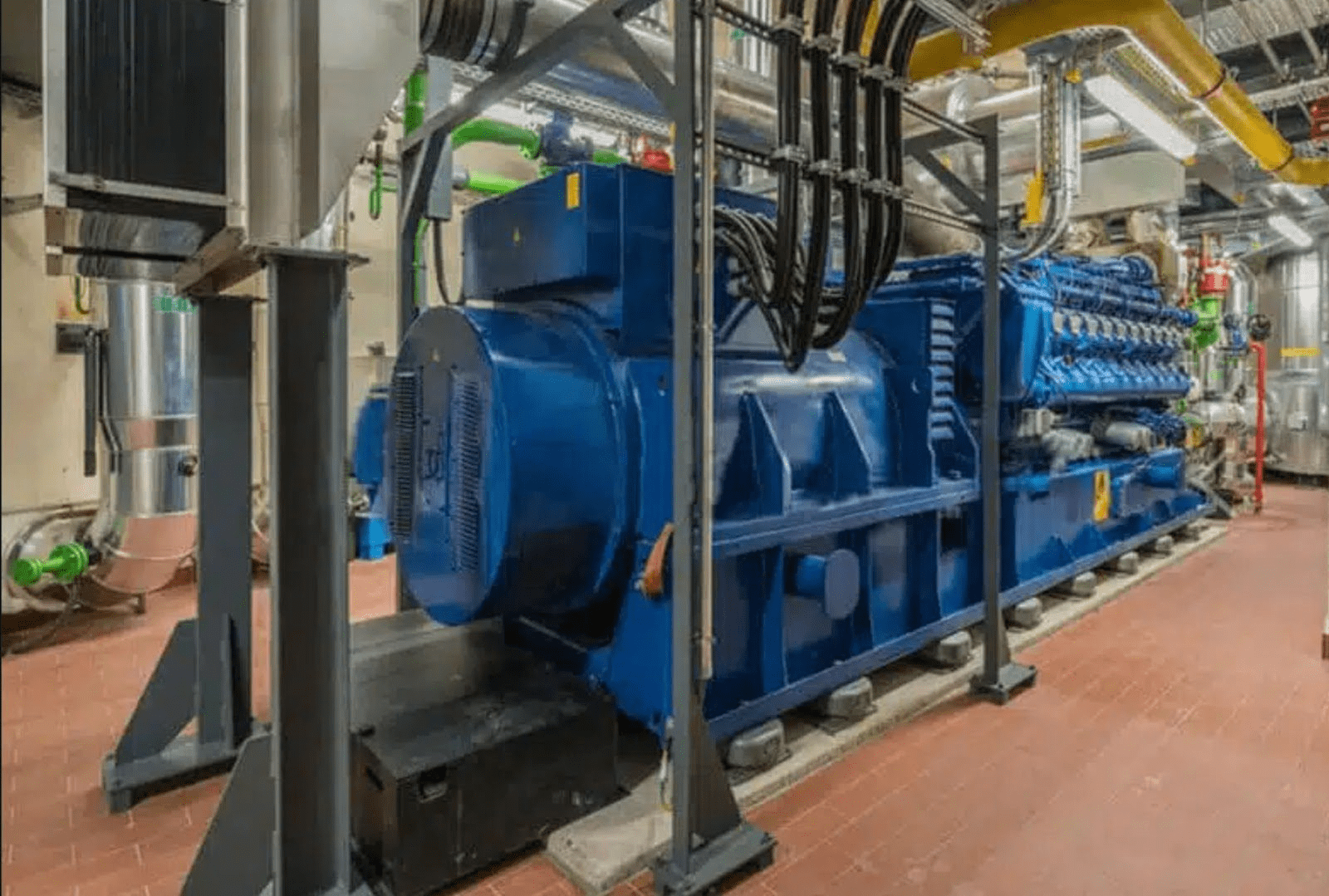
Hot and chilled water from these energy centers are distributed through underground pipeline networks, connecting a series of buildings on and around Broad Street. As the scheme expanded, additional satellite energy centers were established in strategic developments. These have linked the scheme together, creating networks that serve key buildings along Broad Street.
Electricity generated by the CHP plants in the energy centers is used to offset a portion of the grid electricity consumed by buildings within the scheme.
This aspect of the scheme reduces carbon emissions by 3,800 tons of CO2 per year, a figure that will continue to grow as new customers join the network. For instance, Birmingham City Council added the Cambridge & Crescent Towers to the scheme, retrofitting these inefficiently electrically heated residential buildings to use district heating. This move alone further cut emissions by over 340 tons of CO2 annually, not to mention the cost savings compared to their previous electric heating systems.
Resilience and New Energy Sources
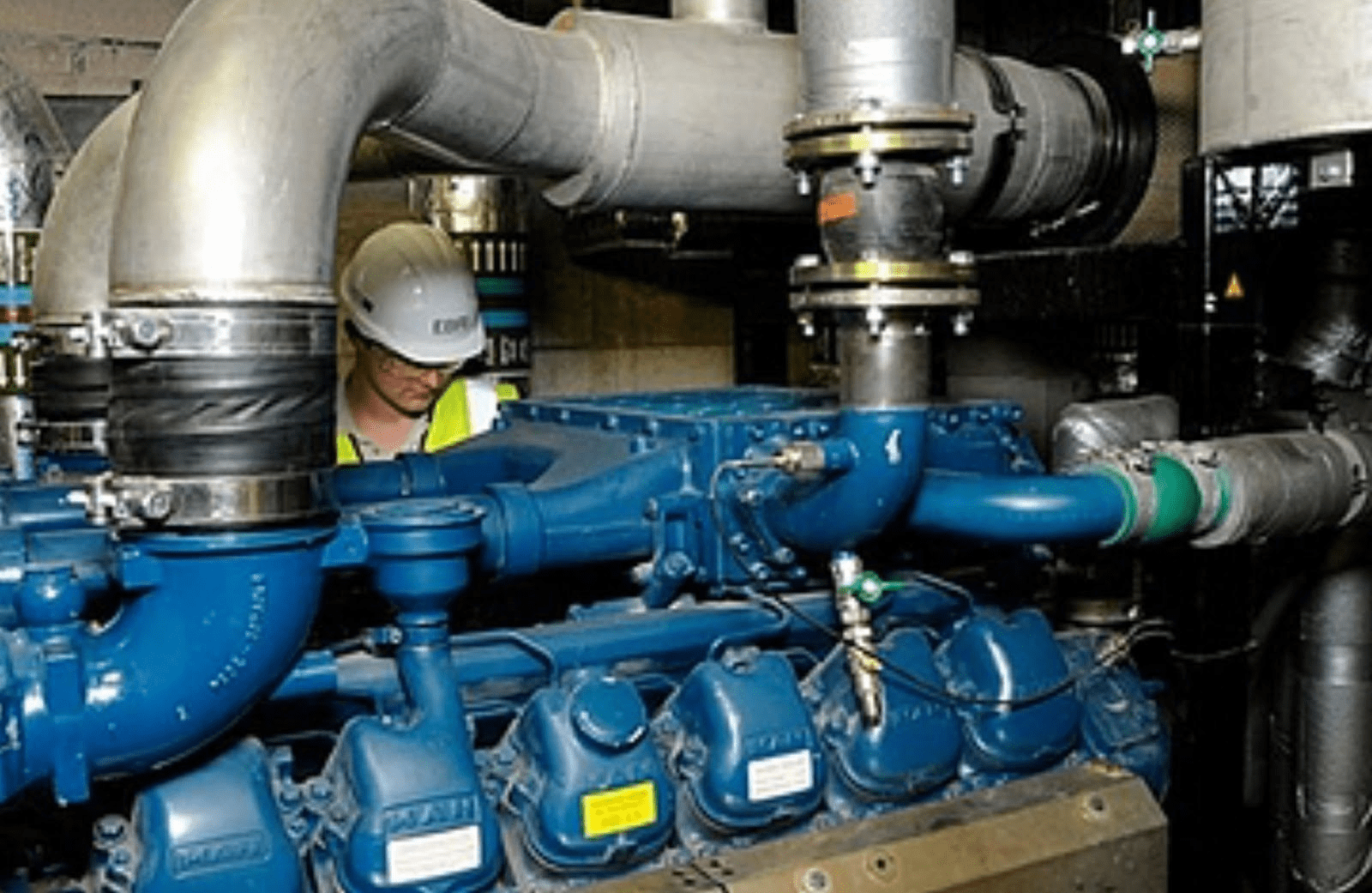
Birmingham’s district energy schemes are designed to be at least as resilient as traditional energy supplies. For example, if a CHP engine is offline for planned or reactive maintenance, there is sufficient top-up and backup capacity from boilers and chillers to meet the network’s energy demands. BDEC achieves this by connecting and installing additional boiler or chiller units and ensuring grid backup connections.
The city’s district energy networks have also been designed to integrate new technologies like fuel cells and renewable heat sources as overall energy demand and efficiency improvements make them financially viable. BDEC anticipates adding these to the schemes as new customers connect, significantly boosting renewable energy generation. This will not only reduce emissions but also help safeguard the scheme against future fossil fuel shortages.
Furthermore, Aston University has forged an innovative partnership with the prestigious European Bioenergy Research Institute (EBRI) to apply its research and expertise locally within the broader Birmingham scheme. This will include a test facility to explore how a range of alternative energy sources – such as wastewater, algae, agricultural and urban waste, and crops grown on marginal land – can be converted into heat and electricity.
- https://www.powerengineeringint.com/decentralized-energy/district-energy/birmingham-uses-chp-and-trigeneration-in-district-energy-scheme/
- https://brumcitycentre.wordpress.com/wp-content/uploads/2014/11/birmingham-de-brochure-a4-single-page-for-page.pdf
- https://www.theade.co.uk/case-studies//birmingham-district-energy-scheme