

The Black Country is an area near Birmingham that covers several towns including Dudley, Sandwell, Walsall and Wolverhampton. This more than 30 kilometres long region was rich in deposits of coal, lime, iron ore, volcanic compounds, clay, dolerite, foundry sand and gravel. The gifts of nature had a significant impact on economic development. In the second half of the 18th century, the Black Country became the main driver of the Industrial Revolution. Learn more at birminghamname.
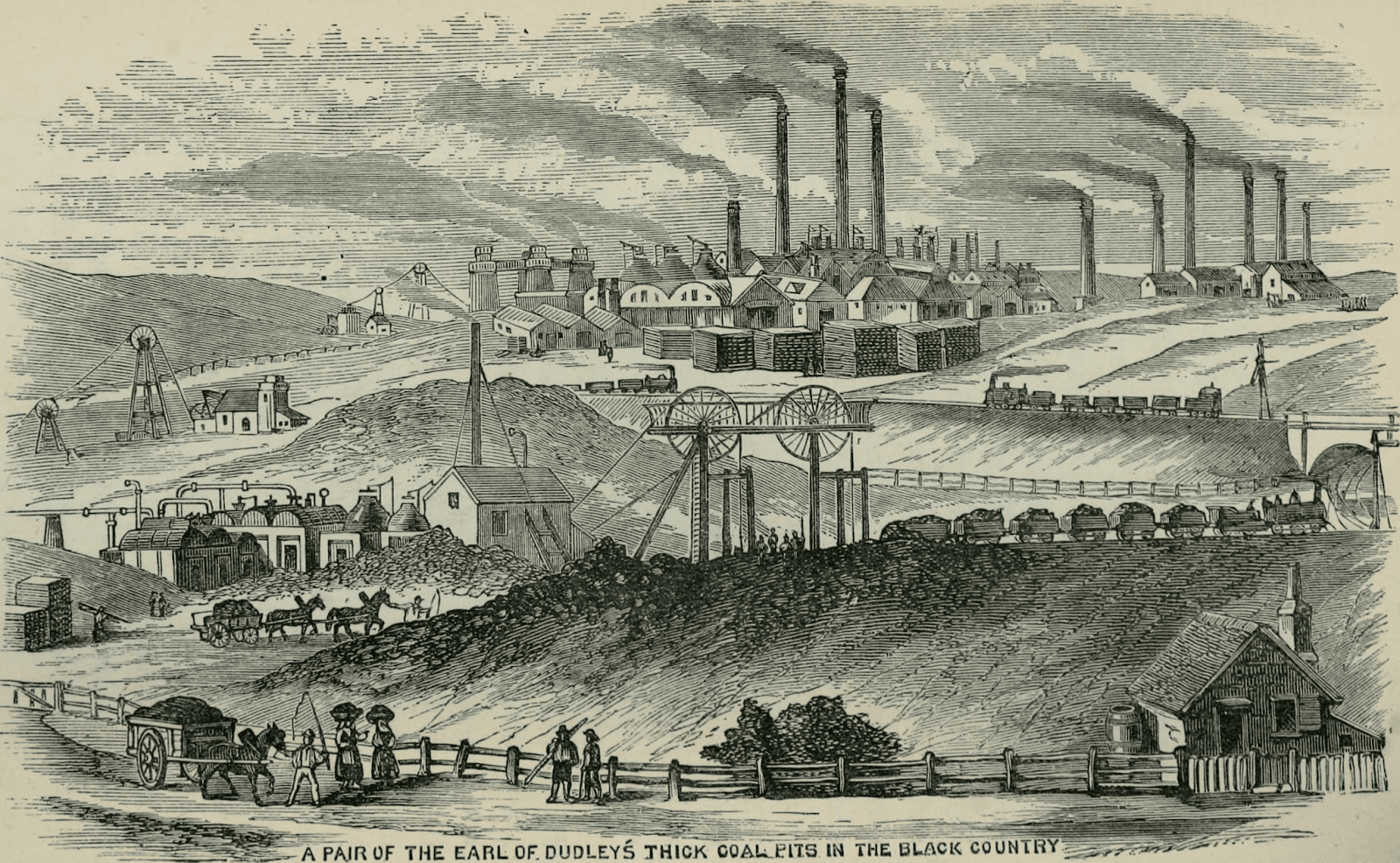
People started to use minerals as early as the Middle Ages, and at the end of the 19th century, it reached a staggering scale. Coke mines, iron smelters, steelworks, brickworks and other enterprises used local coal for the production processes too intensively. The level of air pollution caused by numerous coal mines and foundry furnaces was unbelievably high here. Travellers described the area as a dark landscape with no green pastures. Instead, there were only ash hills and rocks. Local small rivers were inhabited by black fish and there were no other birds except for grey sparrows. Everything around was smoking and roaring from the steam engines. The famous writer from Birmingham John R.R. Tolkien visited the region many times as a child. He was stunned by what he saw and later depicted it in the form of the centre of Sauron’s power, the land of Mordor, in The Lord of the Rings.

Minerals and industrial development
The geological features of the Black Country consisted of deposits of several types of coal mixed with ironstone and fireclay. Mining continued for several centuries. Deposits of sedimentary rock were located in almost every yard. Some researchers even believe that the name, The Black Country, existed even before the beginning of industrialization and smogging, due to the abundance of coal right on the surface. Mountain rocks were used in households from the 12th century and metalworking was established in 1560, when the first blast furnace was put into operation in West Bromwich. Residents of the villages gradually stopped engaging in agricultural activities and began to establish many forges instead. At the beginning of the 17th century, 20,000 blacksmiths worked near Dudley alone. They could fulfil orders of any kind. At that time, the region was especially famous for the production of high-quality nails.
The first metallurgical plant in England was founded in 1757. Soon, their number increased significantly. The Black Country took first place in Great Britain in terms of iron production. With the development of the canal network and railways, the production of iron ore increased tenfold. In the middle of the 19th century, the metallurgical industry reached its maximum. In 1863, there were 200 furnaces in the region, and two years later, there were 2,000 of them. In 1894, the first steel was produced in Brierley Hill.
The Black Country’s world-market products and the decline of industry
By the middle of the 18th century, Bilston became widely known for its enamelware, especially decorative containers such as snuff boxes, bonbonnieres, gun cases, etc. Some of them are kept in museums. Glass manufacturing flourished in the Stourbridge area. There was also a significant demand for metal serving dishes, sugar bowls, teapots, coffee pots, soup bowls, butter containers, etc. Netherton produced some of the finest chains and anchors in the world. At the end of the 1910s, a set of three anchors and chains were made for the Titanic. The set weighed more than 100 tons.
Mining began to decline in the 20th century. The last mine at Sedgley was closed in 1968, although some quarries continued to operate for several years after that. When heavy industry ended its 300-year era, the abandoned lands began to house the open-air Black Country Living Museum. It was opened in 1978.
Today, the region continues to manufacture chains for the fleet on the order of the Ministry of Defence. With the adoption of legislation regulating emissions of chemical compounds, the state of the air has improved significantly. The dark landscape is in the past now. The Black Country got its own symbol in 2009, a flag in 2012 and an anthem in 2013.
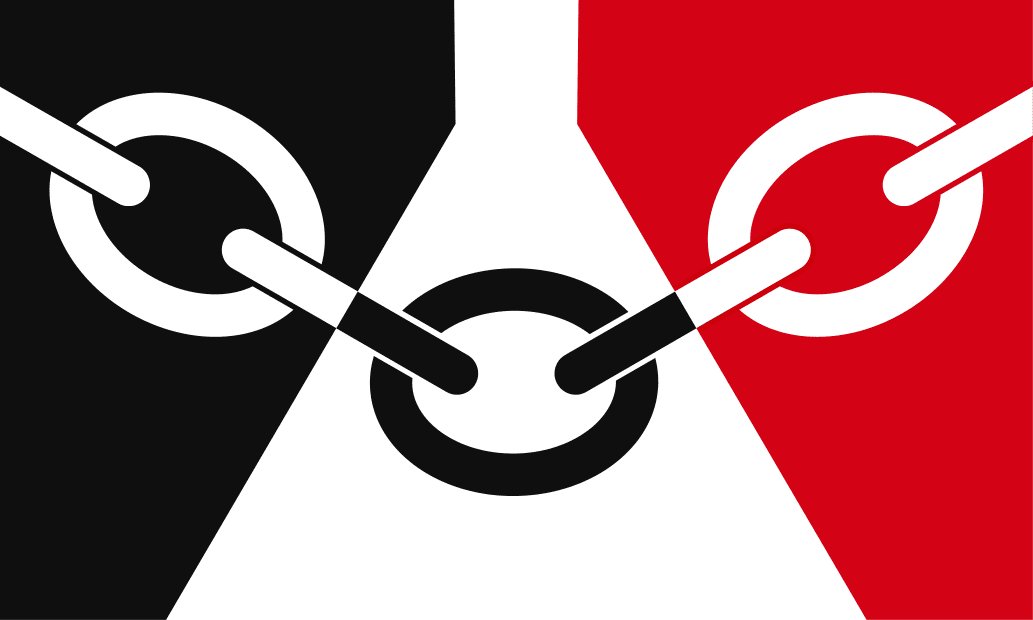
Commemorating the significant contribution to the Industrial Revolution, Black Country Day is celebrated in the region on July 14.