

The Lapworth Museum is a deliberate combination of geological and zoological collections. They present visitors with information about the evolution of life on our planet over the past four billion years. Those zoological exhibits are of exceptional importance to science. They are key sources for studying environmental problems and preserving biodiversity, which is the fundamental basis for the functioning of the biosphere. Learn more at birminghamname.
Located on the territory of the University of Birmingham, the Lapworth Museum is an important resource for university, school and college students, researchers, enthusiasts and everyone interested in natural history. Throughout its history, it served as a place where you can immerse yourself in the secrets of nature.
Charles Lapworth and time travel
The Lapworth Museum was founded on the grounds of Mason College by Charles Lapworth in 1880. He was the first professor of geology. The institution is one of the oldest specialised museums in Great Britain. For more than a hundred years, the geologist’s collection has served as a guide for scientists. In addition to rocks, minerals, fossils and zoological specimens, Lapworth’s collections include early geological maps, explorers’ equipment and photographic materials from expeditions.
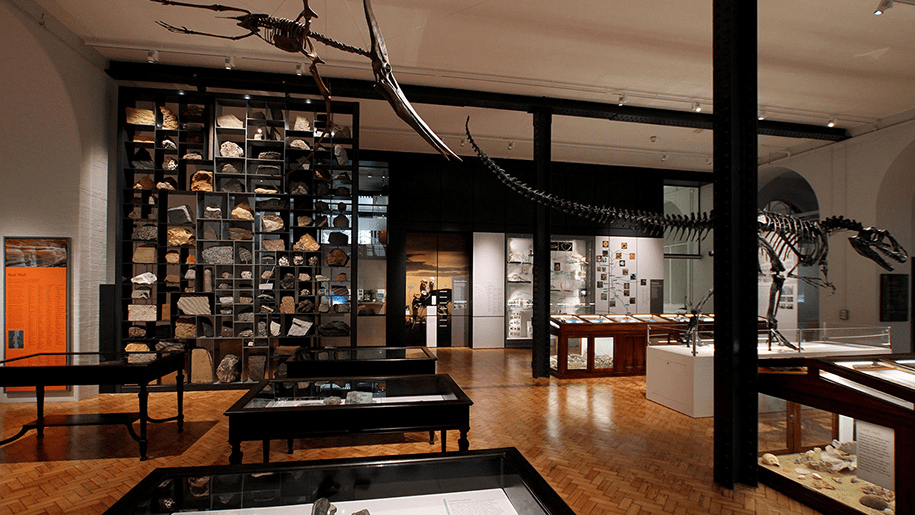
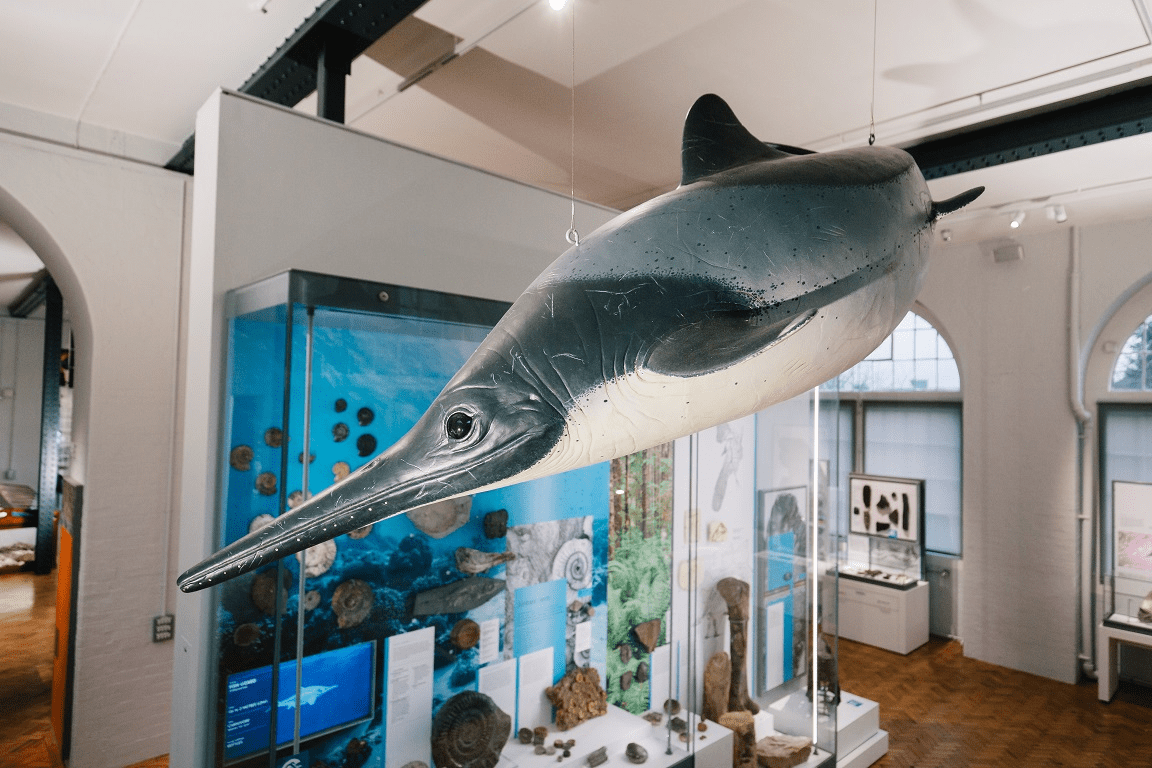
The museum is divided into three fascinating galleries, which store more than 250,000 unique specimens. The heart of the zoological collection is the Evolution of Life gallery. Its paleontological exhibition of Silurian sea creatures frozen in the Wenlock Limestone is an especially interesting one. It was found near the town of Dudley during mining at the end of the 18th century. Those amazing animals inhabited the water more than 420 million years ago, when the Midlands area was covered by a shallow, warm tropical sea. Local ecosystems of that time, particularly reefs, were home to fish and colonial animals known as graptolites. In the Jurassic period, the land was inhabited by huge insects and spider-like trigonotarbids. There are also skeletons of mammoths and cave bears from the Ice Age. The special gem is a collection of fossils of the Solnhofen Limestone, brought from Germany. It perfectly preserved crabs, lobsters, dragonflies and pterosaurs. The exhibition is diversified by a collection of prehistoric fish (which is over 500 million years old) that lived in the modern territories of Brazil, Italy, Lebanon and the USA.
Educational programmes
The Lapworth Museum is not just a collection of unusual creatures that inhabited the planet long before human appearance and domination. This unique place also provides education through the lens of nature preservation. Educational programmes developed by university experts not only expand the understanding of the organisms’ interrelationship but also encourage participation in ecosystem preservation. Public lectures, where leading geologists and palaeontologists share their knowledge and research, are held here every Monday. Those who want to get to know the history of natural science in more detail are offered talks, practical classes and fascinating “behind the scenes” tours of the exhibition halls.
Every year, the museum hosts the University of Birmingham Community Festival, organising family entertainment and educational activities. This event is a very special celebration for the University of Birmingham because it promotes the unification of families and emphasises the importance of education and mutual understanding in the context of environmental preservation. The museum’s annual Arts & Science Festival reveals new horizons of nature to the public. It is a platform for presentations of the latest achievements and engaging discussion of pressing issues using interactive programmes. Such events contribute to the popularisation and understanding of natural science in modern society.
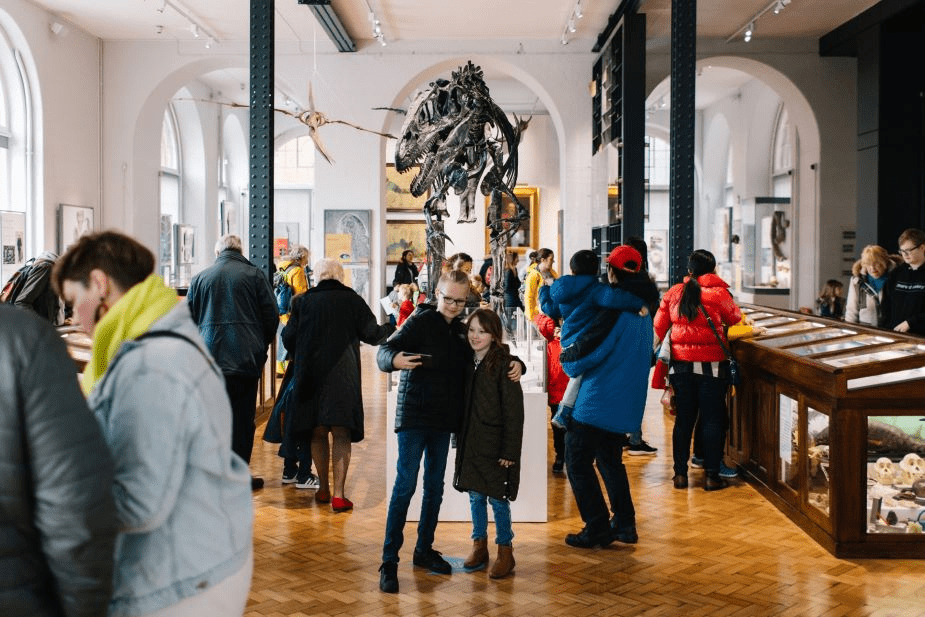
Visiting the Lapworth Museum gives an opportunity to understand how the Earth with its all living organisms was formed and changed over time. A number of local innovative and animated exhibits capture the imagination of adults and children. In 2008, the museum’s collections were added to the national and international heritage. The entrance to the museum has been and remains free.