

Sustainable transport in Birmingham includes an expanding electric bus network, the development of mobility centers with ultra-fast electric vehicle chargers and new green tourist areas to promote active travel such as walking and cycling. Residents and visitors can use an extensive public transport system, including buses and trains, to reduce car dependency and take advantage of initiatives aimed at cleaner air and a healthier city. For more information, visit birminghamname.com.
Mobility centers
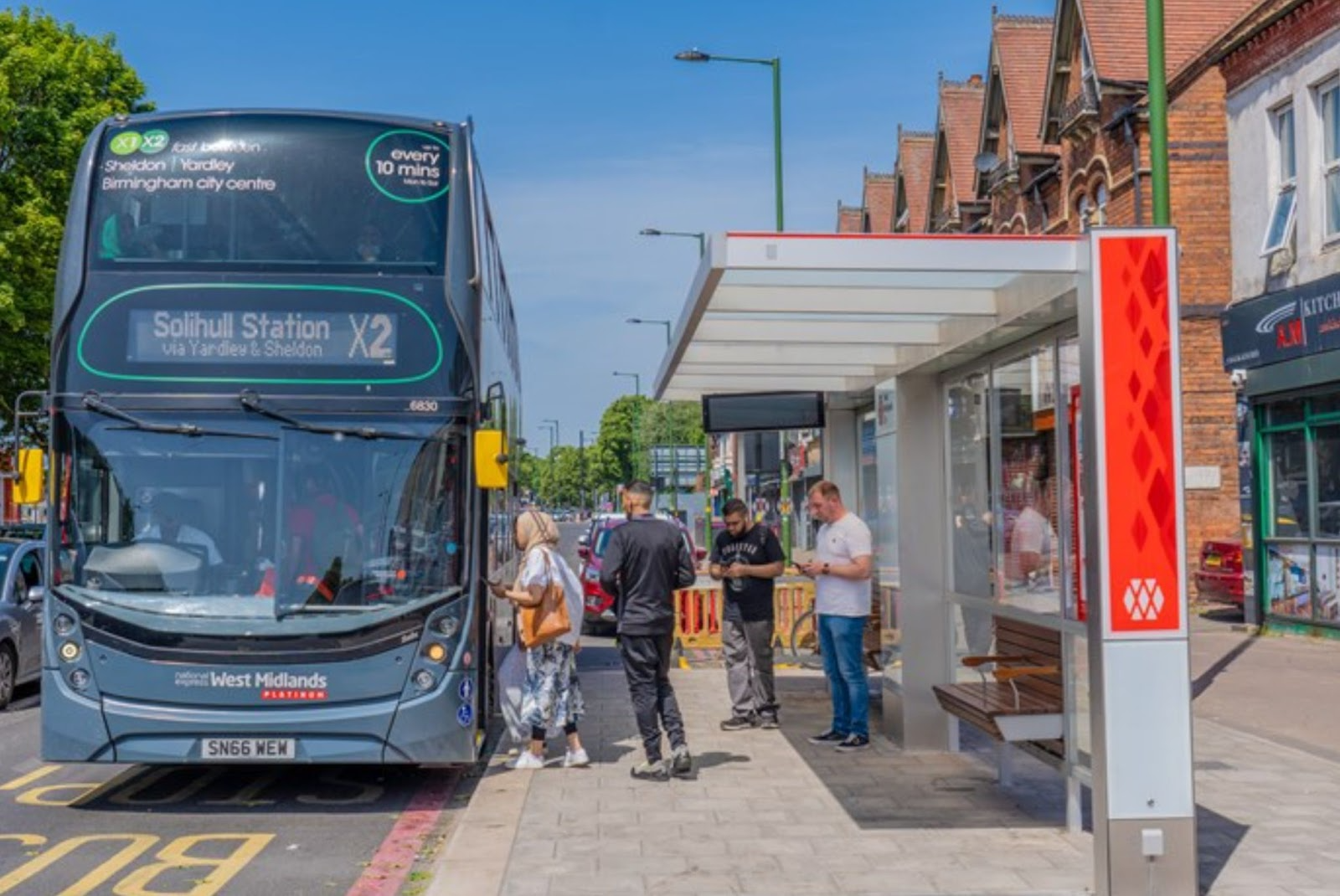
As the cost of living crisis continues to affect Birmingham’s urban areas and environmental awareness becomes a key societal issue, the demand for integrated and sustainable transport solutions has never been greater.
Around the world, cities are adopting a new approach to mobility known as “mobility centers”. This trend is gaining momentum as a way of addressing both environmental and urban challenges. Of course, Birmingham is not standing aside. The concept of mobility centers has evolved over the past two decades, moving from a niche idea to a mainstream urban planning tool. But what are these mobility centers, and how can cities, especially in the UK, benefit from this innovative solution?
The term “mobility center” emerged in the early 2000s and has gained momentum over the past 20 years. In general, a mobility center is defined as an urban infrastructure designed to provide a variety of shared transport modes in one location, where integration with public transport is strongly encouraged. In other words, a mobility center is a recognisable location offering different, connected modes of transport, complemented by improved facilities and information features to both attract and benefit the traveller.
These hubs are designed to facilitate seamless and efficient multimodal transport by offering integrated transport solutions such as bike sharing, electric scooter sharing, car sharing, electric vehicle charging stations. Importantly, integration with public transport networks such as buses, trains, and trams. For cities such as Birmingham, which is the second-largest city in the UK, the introduction of mobility hubs can offer significant benefits for both commuters and the environment.
The growth of mobility hubs provides an excellent opportunity to address urban challenges in the UK, including reducing car dependency, reducing congestion and improving the sustainability of transport networks. For cities like Birmingham, the introduction of mobility centers can serve as a model for other cities in the region and across the UK.
However, successful implementation requires careful planning, investment and collaboration between the public and private sectors. By strategically placing centers in key locations, engaging with local communities, and ensuring accessibility for all users, cities can create a future where sustainable transport is the norm, not the exception.
Green transport
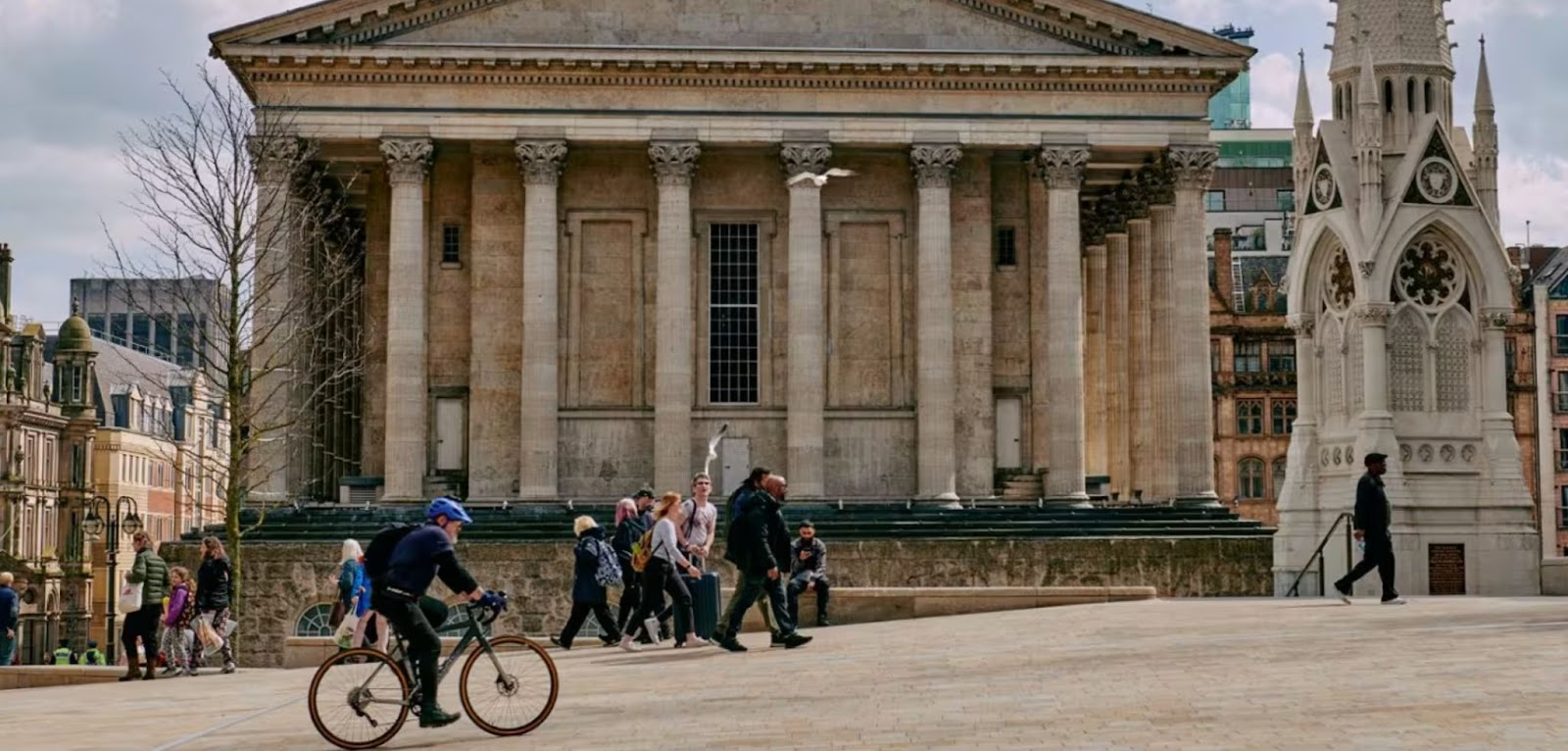
Another environmentally friendly mode of transport is the so-called green transport. For example, Birmingham already boasts an extensive network of bus routes aimed at reducing dependence on cars and, as a result, reducing air and noise pollution in the city.
Some of these buses are petrol-powered, further reducing pollution, and they are equipped with features such as seat belts and free Wi-Fi. Dedicated bus lanes encourage commuters to choose buses over cars for their commute, as buses can move around the city faster. Additional initiatives include expanding bicycle lanes and installing more electric vehicle charging stations.
As you know, in 2010, Birmingham was ranked 15th in the list of the most sustainable cities in the UK. At that time, Birmingham managed to reduce its carbon emissions by 120,745 tonnes in 2009-2010, putting the city on track to achieve a 60% reduction in carbon dioxide emissions by 2016. At the same time, the city continues to invest in energy efficiency measures in residential areas.
Electric vehicles are another effective step towards improving the carbon footprint. In Birmingham, they have been used in Low Emission Demonstration Projects, which has helped to identify where electric vehicles can be most effectively used and any potential issues that may arise.
Sustainable travel development
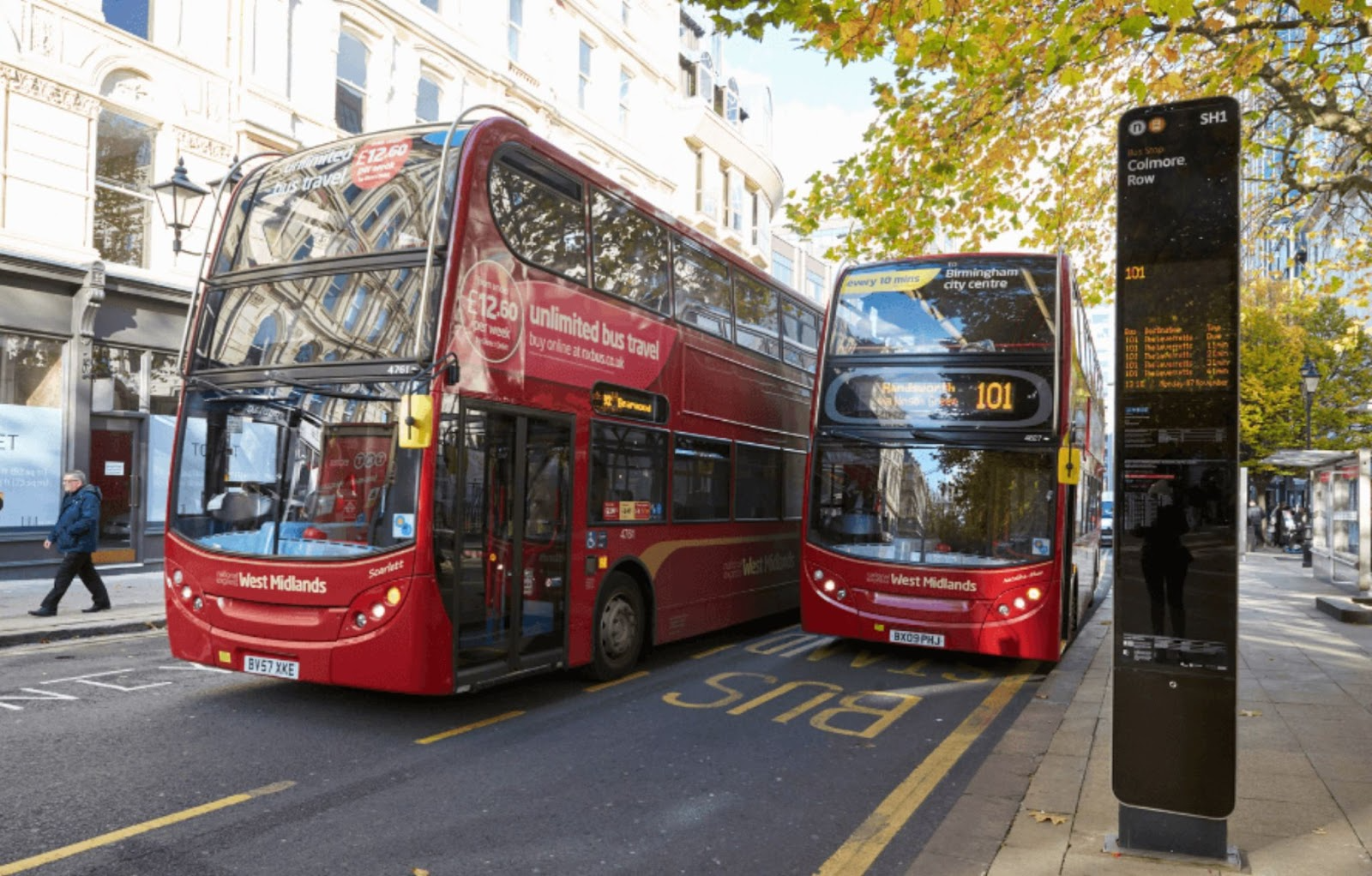
However, right now, travelling by bus may be the easiest way to help the West Midlands achieve its ambitious climate change targets simply by choosing cleaner, greener transport. After all, if more people used buses, it would mean fewer cars on the road, which in turn would not only reduce traffic congestion but also have a significant impact on the amount of carbon in the air.
Add to this the fact that the roads would become safer and the air would be cleaner for every citizen to breathe. After all, the vast majority of cars are used for short-distance travel. Surveys have shown that there are three key things that people would like to see happen after the pandemic: cleaner air, quieter roads, and a better work-life balance. And it seems that bus services can help with this. In this sense, Birmingham has gone even further by introducing its Clean Air Zone, which was launched in June 2021.
But back to the buses. In July 2020, the first fleet of electric buses was launched in Birmingham, followed by a second in Coventry in September. These buses have no carbon emissions and run on renewable energy, and are equipped with all the best equipment, such as USB chargers. This means that there are now more than 100 fully electric double-decker buses operating on routes in Birmingham, Solihull and Coventry, as well as a further 20 hydrogen buses operating through a partnership with Birmingham City Council.
Public means environmentally friendly
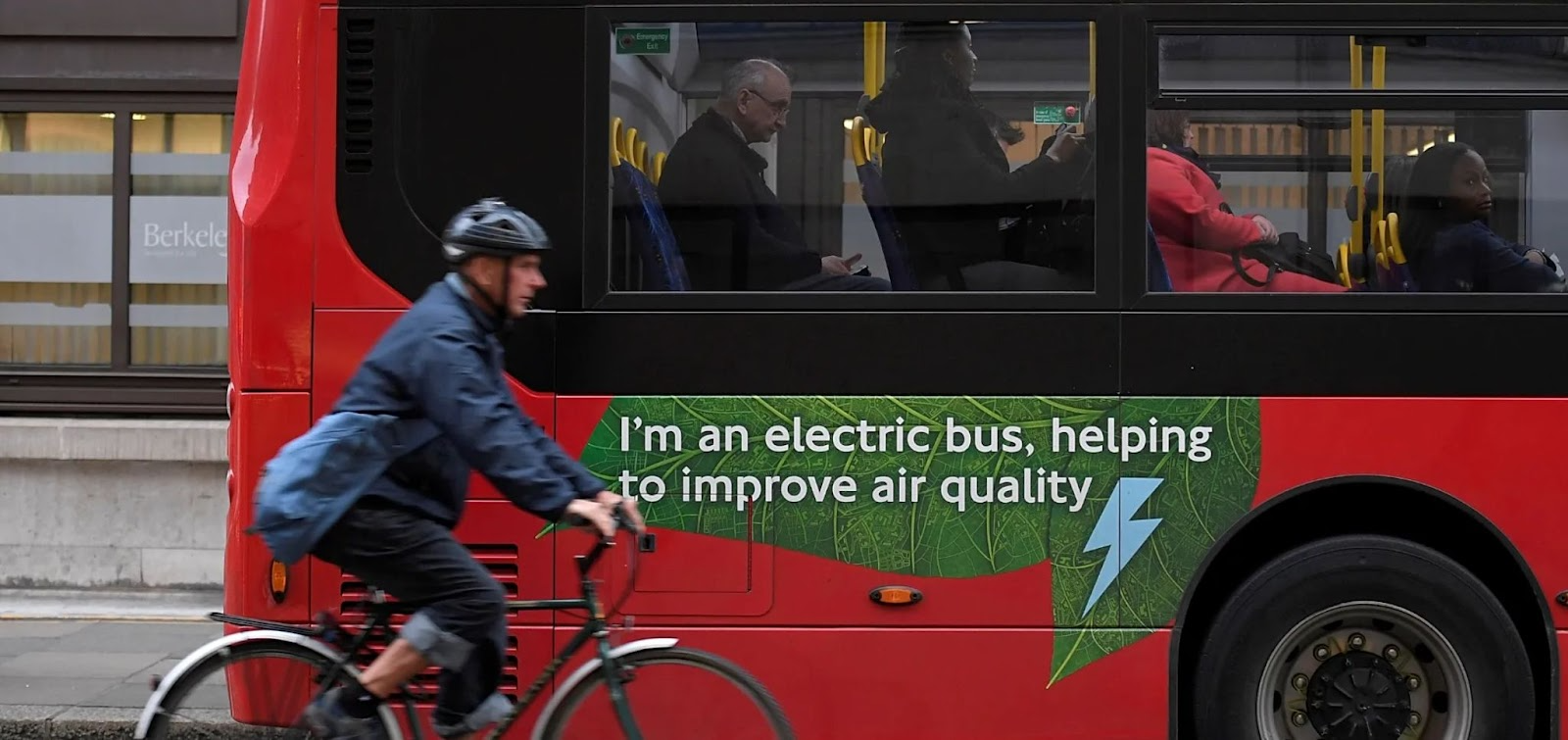
Furthermore, in January 2023, it was announced that an additional £150 million would be invested in 300 British-made electric buses to be rolled out across the West Midlands by the end of 2024. In addition, hundreds of older buses were retrofitted with new exhaust systems. As a result, National Express West Midlands’ entire fleet of 1,600 buses is now 100 percent Euro VI or zero emission.
The plan was therefore very simple but effective. The plan is to find out which routes are suitable for hydrogen or electric buses, and what the most efficient mix of vehicles in the city’s fleet should be in the future. This will depend on a number of factors, including the length of the routes, the types of trips people make, and the number of passengers. In other words, Birmingham has made it clear that the future belongs to environmentally friendly transport.
Sources: