

Anthropogenic pressure in Birmingham is characterised by significant air pollution from transport and industry, leading to high levels of contamination and the presence of substances such as nitrogen dioxide, particulate matter and heavy metals. The urban nature of the city, combined with factors such as traffic congestion and heat waves, creates problems such as the urban heat island effect, which also worsens air quality.
Another natural area directly affected by anthropogenic pressure in Birmingham is the water quality parameters of the catchment area. To learn how this problem is being solved in Birmingham and what results have been achieved by the recently created Clean Air Zone, visit birminghamname.com.
Air pollution
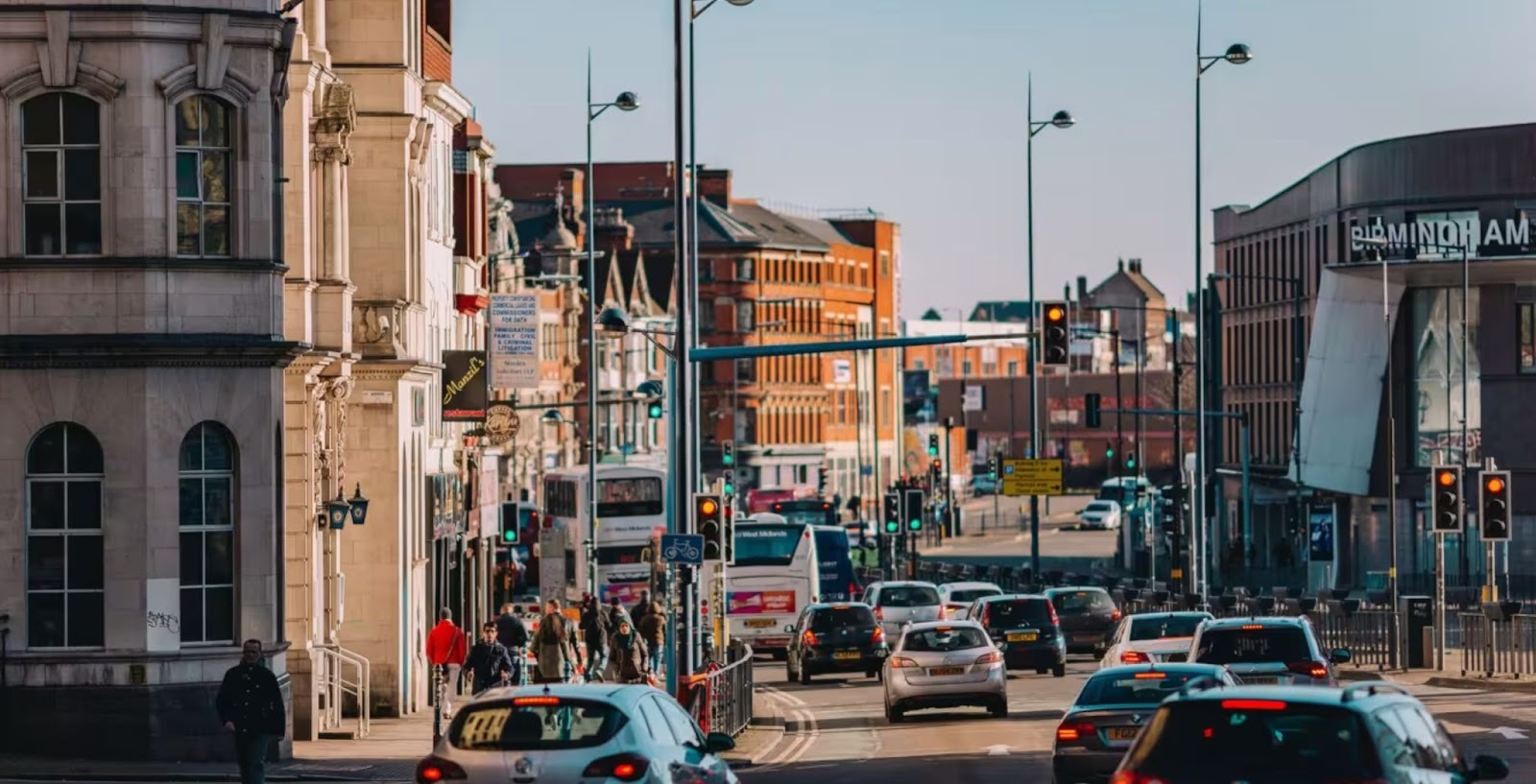
According to data for 2021, Birmingham’s population was approximately 1.137 million. This makes it the second largest city in the United Kingdom after London. Accordingly, all these people create significant anthropogenic pressure on the environment, especially given the presence of vehicles that typically run on internal combustion engines.
Air pollution is one of the leading causes of premature death worldwide, killing more than 8 million people each year, many of them in cities. This is not a problem exclusive to Birmingham. It also has devastating economic consequences, in terms of lost productivity and healthcare costs associated with treating diseases such as asthma, cancer and dementia.
As we know, air pollution from cars is mainly caused by exhaust gases containing harmful substances such as carbon monoxide, nitrogen oxides, hydrocarbons, sulphur dioxide and soot. In addition, brake pad and tyre wear produces fine dust, volatile organic compounds and heavy metals. Lead from leaded petrol is one example.
However, the main source of air pollution in Birmingham, as in the rest of the world, is vehicle emissions. These emissions pose significant health risks to the urban population. The short- and long-term effects of air pollution on well-being and health are well known, including an increased risk of acute and chronic diseases and reduced life expectancy.
In addition, a number of other factors can influence the level of urban air pollution in Birmingham, such as changes in traffic volumes, the composition of the urban vehicle fleet, economic policy, social trends, and so on.
Water pollution
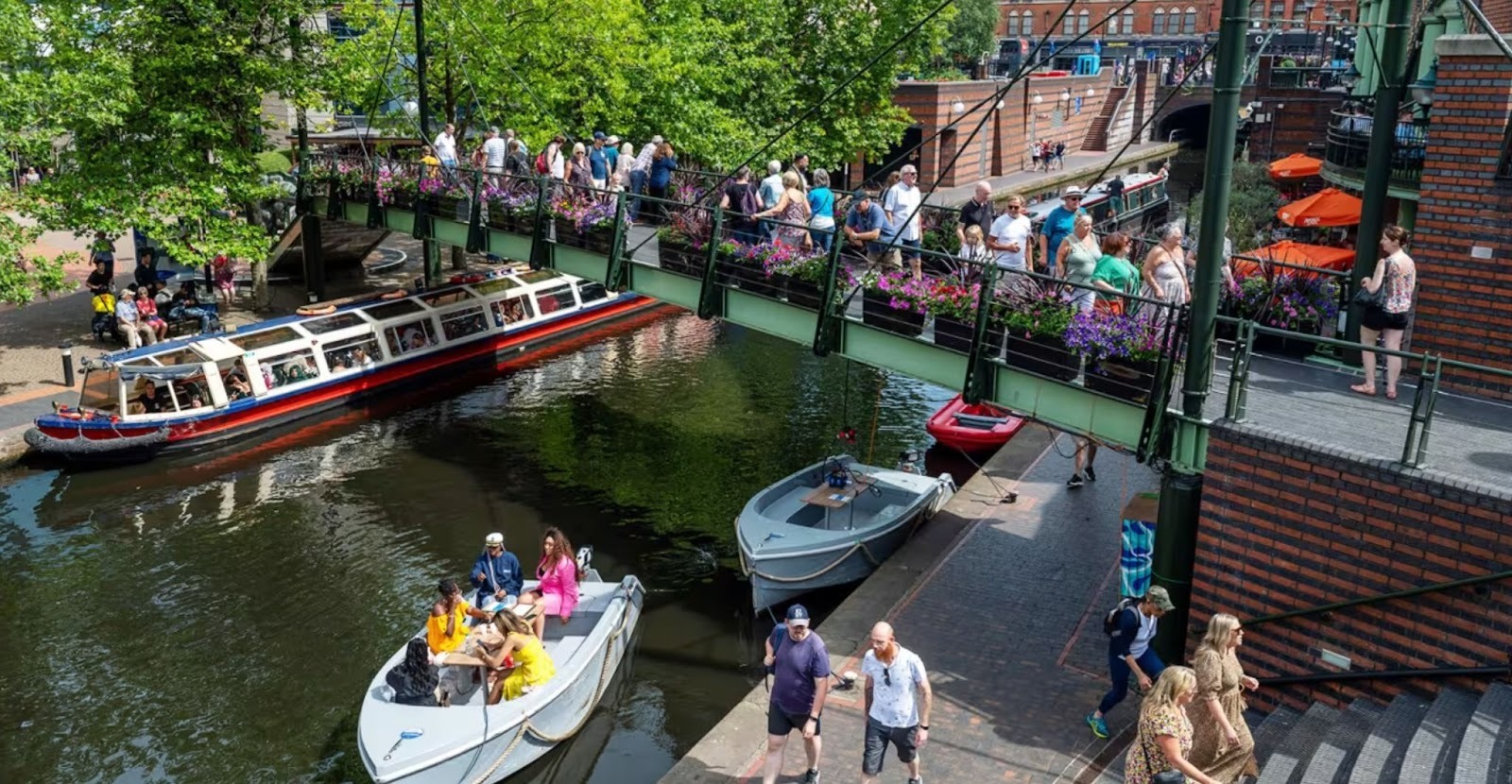
In addition to air, this whole situation with excessive urbanisation also affects the water basin of cities. Moreover, the quality of water in rivers and other water bodies is affected not only by anthropogenic pressure, but also by complex interactions with natural factors. These include pedological characteristics, seasonal variability, type of catchment area and, in particular, human activities such as industrial discharges, agriculture, urbanisation, deforestation, changes in land use and wastewater from treatment plants.
What exactly can be affected by anthropogenic activity? It turns out that everything, or almost everything, related to water. More specifically, there has been a noticeable increase in the total content of phosphorus, nitrogen, and other organic forms of nitrogen, in particular ammonia.
In addition, storm water run off, sewage overflows and discharges from streets and industrial areas contribute to the entry of chemicals, heavy metals and excess nutrients that degrade water quality. There is growing concern about microplastic pollution, which comes from anthropogenic sources and accumulates in the aquatic environment.
It is no secret that river basins are often used as a source of tap water. Therefore, ensuring its quality in these basins is important for protecting public health. Another important aspect is determined by the quality of aquatic and agricultural ecosystem products used in human nutrition, which may become unfit for consumption if the water used comes from contaminated sources. Hello, industrial fishermen.
And yet another type of human activity that involves the use of environmentally friendly water resources. We are talking about the potential use of, for example, river resources for tourism and leisure activities such as swimming. Few people want to relax, bathe, swim or dive in dirty water, especially if it is hazardous to health.
Urban heat island
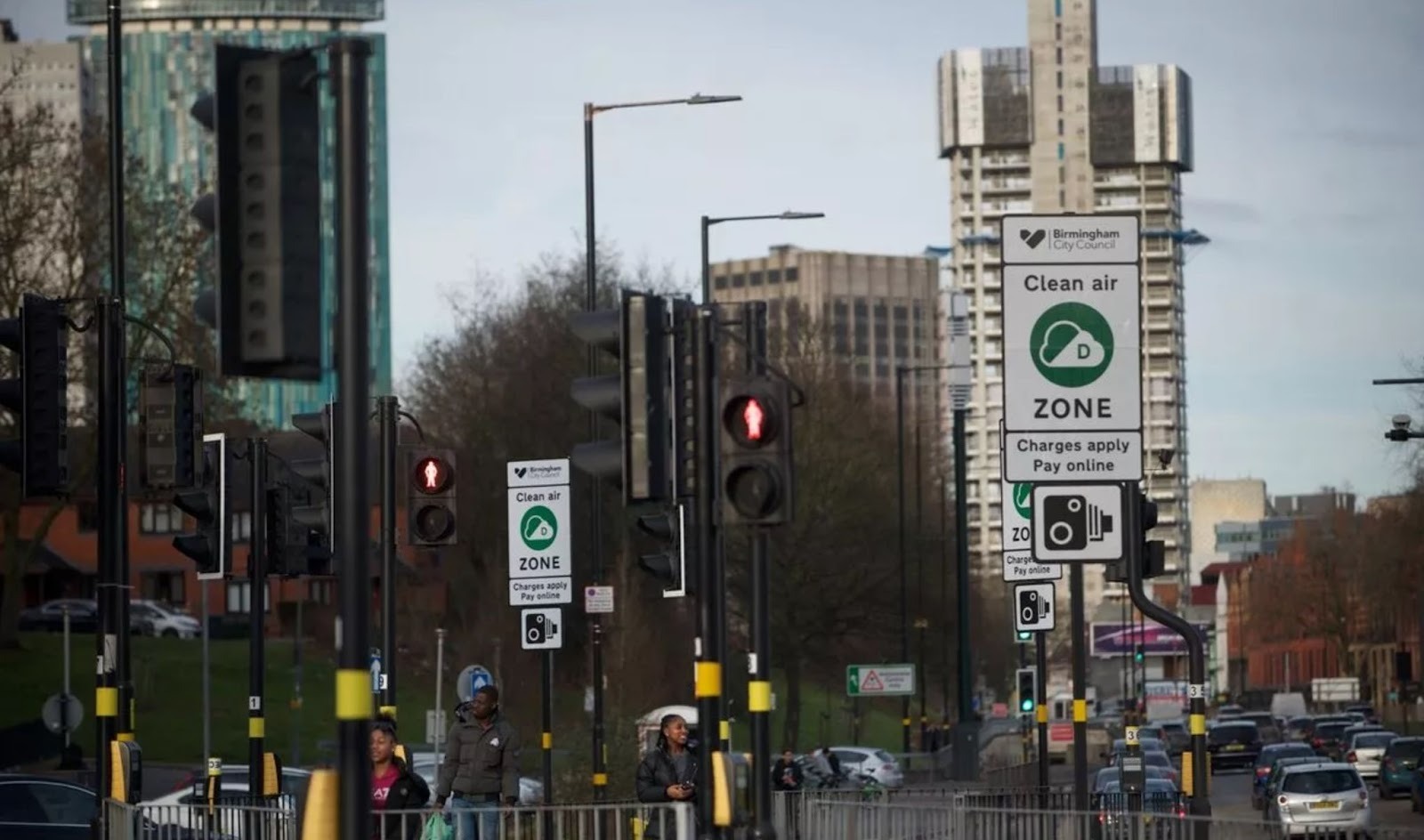
What else does excessive anthropogenic pressure lead to? Recently, there has been much talk and active research into a phenomenon known as the urban heat island. This is a phenomenon where the temperature in urban built-up areas is higher than in surrounding suburban and rural areas.
Since extreme heat exposure can have negative health effects, information about the characteristics of urban heat islands is important for future urban climate planning strategies. Scientists have found that the average difference between the surface temperature in urban and surrounding areas, referred to as the urban heat island intensity, is 7.7 °C on a global scale.
Moreover, this component is currently showing an upward trend, especially in urban areas where urbanisation is increasing, and built-up areas are expanding. This is currently the case in Birmingham.
Due to the increased risk of exposure to high temperatures, the urban heat island in Birmingham can have numerous negative health effects on city dwellers, especially in summer and during heat waves. These include increased morbidity and mortality from cardiovascular and respiratory diseases caused by heat stress. Indirect hazards caused by ozone formed under high temperatures and the impact of high temperatures on mental health. Mental disorders such as permanent anxiety and depression should be mentioned here.
How to combat this. Clean air zone
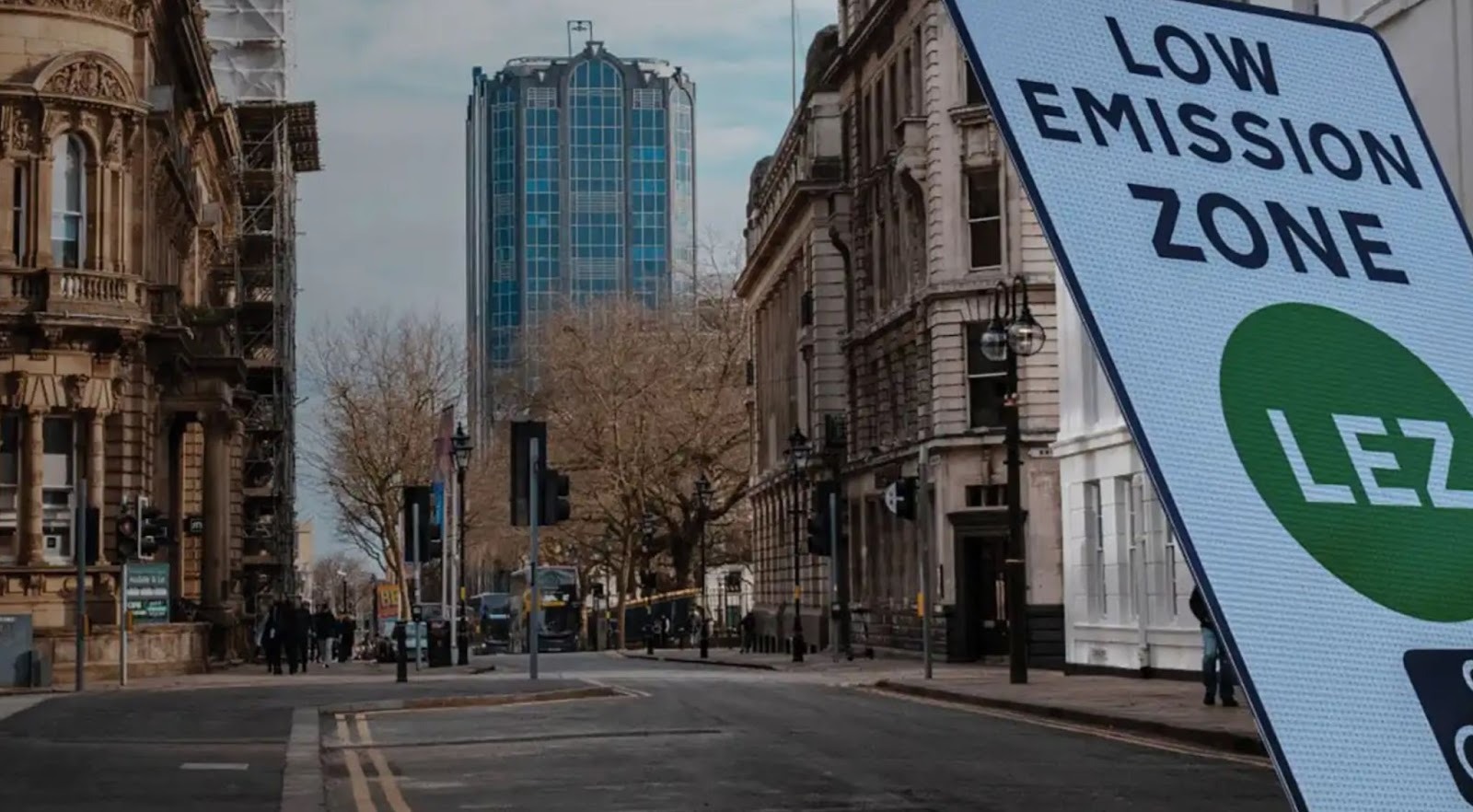
Clean air zones and similar schemes, such as low emission zones and zero emission zones, are one of the tools available to cities, especially megacities, seeking to address specific environmental issues. Birmingham has not remained indifferent to environmental issues, and on 1 June 2021, Birmingham City Council introduced a policy to create a clean air zone around the city centre.
Overall, Birmingham became the second major city in the United Kingdom to implement such a policy on a large scale. What is it about?
The Birmingham Clean Air Zone covers a specific area where vehicles that cause significant air pollution are prohibited from entering. It should be understood that no vehicle is prohibited from entering this zone. It is simply that drivers of vehicles that do not meet the requirements must pay a daily charge. The amount of the charge depends on the type of vehicle.
For example, for cars and light goods vehicles that do not meet the required emission standards, the charge is £8 per day, while buses and heavy goods vehicles that do not meet the requirements will have to pay £50 per day. These charges apply and are in force 24 hours a day, 7 days a week, and there are a number of exemptions for certain users.
Sources: