

To understand the growth of beekeeping in Birmingham, we first need to look at how the practice evolved across Great Britain, as these two stories are closely intertwined. It’s important to note that the British Bee Journal, launched in 1873, quickly became a weekly publication. It was dedicated to spreading groundbreaking beekeeping techniques that emerged from the introduction of new hives with movable frames, replacing traditional methods. This was when beekeepers started to gather and share their knowledge and experiences. Before this, beekeepers in various districts only connected at occasional horticultural shows, where a honey section or table offered a way to compare one honey producer with another. However, with the arrival of the weekly BBJ, beekeepers began to meet more regularly. These gatherings were often organized by clergy, retired military officers, and doctors. Their goal was to help less educated “cottagers” adopt more profitable beekeeping methods, thereby helping to alleviate rural poverty, at least in part. For more details on the development of beekeeping in Birmingham and its surrounding areas, visit birminghamname.com.
The Association’s Beginnings
Shortly thereafter, the British Beekeepers’ Association was established. Founded in London in 1874, its stated purpose was to assist “cottagers” and advance new beekeeping techniques.
Then, in 1879, a similar organization, the Midland Counties Bee-Keepers’ Association (representing three counties), was formed at an inaugural meeting of beekeepers at the Grand Hotel in Birmingham. In 1880, when the British Beekeepers’ Association sought to charge a 3-guinea affiliation fee (as the local association represented three counties), the name was changed to the Warwickshire Beekeepers’ Association to reduce the fee to just 1 guinea. The association hired an expert to visit and advise members. Its goal was to encourage beekeepers to join and promote the use of movable comb hives instead of traditional skeps.
The end of World War I (1914–1918) brought about significant shifts in societal attitudes. The old paternalistic structure of British beekeeping was severely strained and eventually dismantled. Decentralization became the new watchword. Subsequent constitutional upheavals led to the transformation of old local groups into local associations, formally affiliated with their respective counties. These new federated local associations enjoyed a high degree of autonomy.
Regarding the Warwickshire Beekeepers’ Association, a proposal to divide it into districts was made as early as 1893. However, it wasn’t until 1929 that the necessary rules were drafted, and in May 1931, the Sutton Coldfield branch was established. Shortly thereafter, Councillor Mrs. Lowe hosted a tea party in her garden, which drew 250 people who gathered simply to enjoy tea together. In 1934, the Sutton Coldfield branch organized a joint meeting with the Apis Club, attended by over 250 individuals. When the Birmingham and District branch affiliated with the Warwickshire Beekeepers’ Association in 1934, Sutton Coldfield changed its name to the Sutton Coldfield and North Birmingham Branch.
The Unity Conference in Birmingham
Meanwhile, the outbreak of World War II and military conscription drastically reduced the Association’s membership. At the national level, a “Unity Movement” began to form with the aim of ending disputes within the beekeeping community. Eventually, the officers of the British Beekeepers’ Association resigned, including the two Herrod-Hempsalls and their supporters. The Unity Conference convened in Birmingham on August 25, 1943, and began to rebuild the British Beekeepers’ Association, but this time on an open, less authoritarian, and more democratic foundation. Subcommittees were established to address pressing issues such as constitutional finance and even research. A new examination board was created, and by 1944, a revised system for exams and certifications was established.
After World War II, the Warwickshire Beekeepers’ Association had an apiary behind a house on Clifton Road. When the house was redeveloped, the branch established a new apiary at its current location in Sutton Park. This apiary serves primarily as a training resource for new beekeepers and also as a source of income from the honey produced.
Special gatherings marked the grand opening of the new apiary in 1964. On April 26, 2014, a 50th-anniversary meeting was held. At the apiary, framed certificates signed by attendees of these commemorative gatherings are displayed.
The branch also hosted several other events. In 1995, a skep-making weekend was held at the apiary for branch and county members. Many senior beekeepers still use the skeps they made that weekend. Additionally, from 1997 to 2007, biennial weekend events were held. These gatherings featured beekeepers from the branch, county, and other countries, as well as national speakers, and were organized by Ruby Smith and Bernard Paper.
Promoting and Advancing Beekeeping
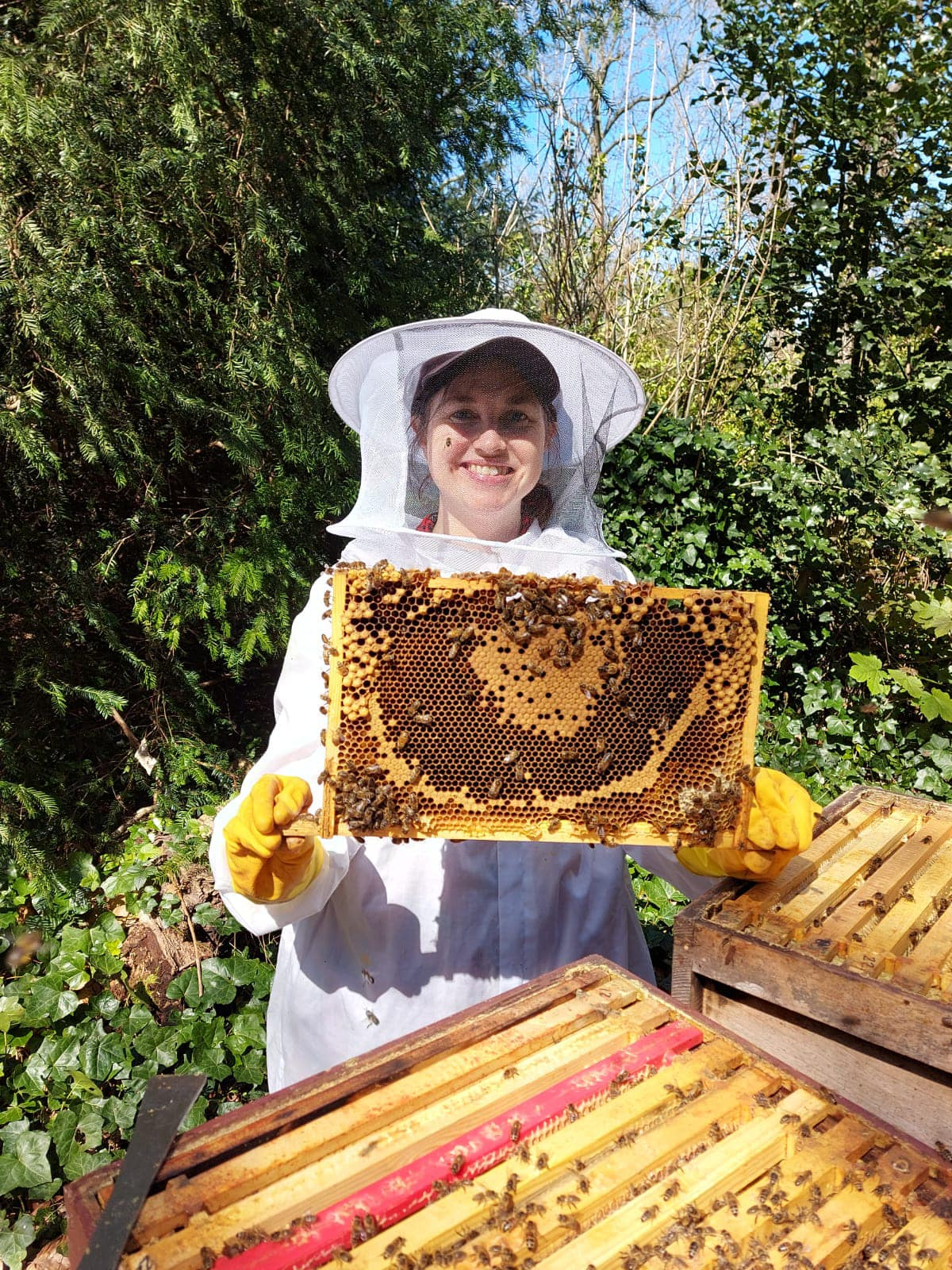
As in the rest of the UK, membership steadily declined until around the year 2000. At that point, national concern over the decreasing numbers of pollinating insects revived interest in beekeeping. Today, the Association’s objectives are to promote and advance the craft of beekeeping, support beekeepers, and educate the public about the importance of bees in the environment. They offer a wide range of activities for all levels of beekeeping experience. This includes beginner courses, follow-up courses, talks, and subsequent exams. The Association engages with the community through talks and demonstrations for the public. These efforts aim to share vital information and foster a better understanding of bee behavior, their ecological role, and the craft of beekeeping.
Furthermore, the association runs two beginner beekeeping courses annually. These courses provide new beekeepers with a solid foundation in both the theory and practical aspects of beekeeping. Both courses have limited spots and typically require advance registration and payment.
Training for Newcomers
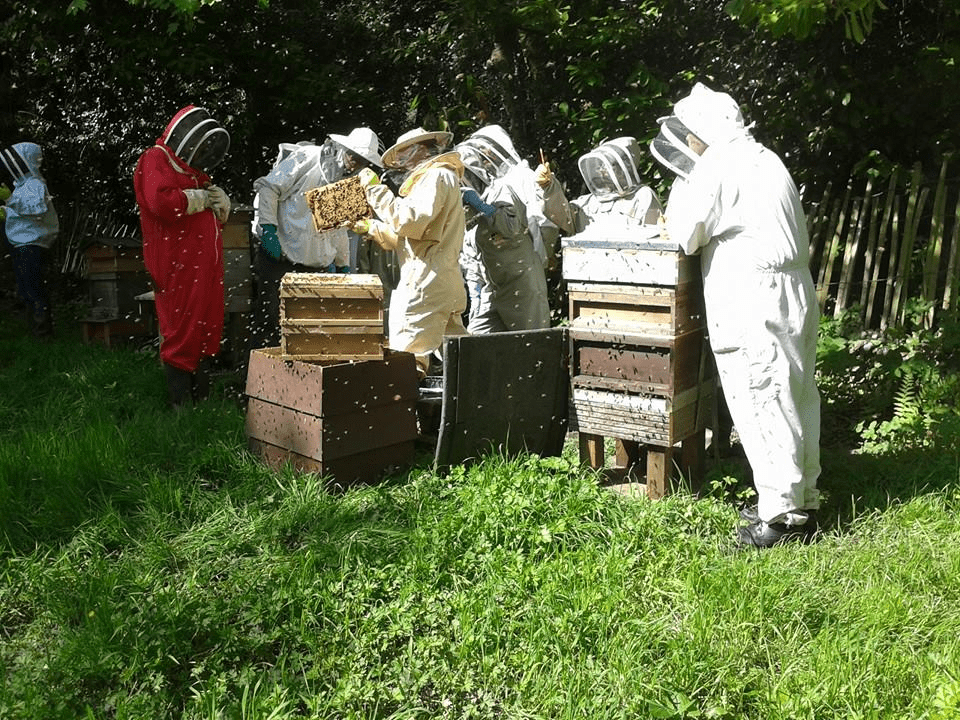
The summer course begins in May. The training apiary in Sutton Park is invaluable here, as it’s where participants gain all the hands-on skills needed to manage a colony throughout the year. The apiary has dedicated hives for beginners during the season, which are inspected weekly, weather permitting. Disease inspection, swarm control, feeding, treatments, honey production, and harvesting are just some of the topics covered. Therefore, anyone aspiring to become a true beekeeping professional—a genuine apiarist—should attend this course to gain practical, season-long experience with bees before acquiring their own bees and apiary.
The Association can provide bee suits, hive tools, and gloves for use during the practical course. However, if you have your own beekeeping equipment, you are welcome to use it. The schedule of activities at this apiary is flexible and subject to change. The course itself lasts for 17 weeks.
The Association also caters to experienced beekeepers, offering opportunities to enhance their knowledge and skills and prepare candidates for accredited exams. This ranges from queen rearing at the training apiary to newer courses like “Bee Health Practice.”