

For the past 300 years, Birmingham’s economic growth has been closely tied to the Industrial Revolution and manufacturing expansion. However, this industrial activity has significantly harmed the environment. Poor air quality impacts public health, contributing to an estimated 900 premature deaths annually. In response, the city has committed to transitioning to alternative energy sources and ending environmental pollution. In the 21st century, Birmingham is on the verge of a new “green” industrial revolution. This revolution aims to create a zero-carbon energy system by 2030, ensure clean air, and foster an environmentally friendly economy. More at birminghamname.
The University of Birmingham has established the Birmingham Energy Institute. This institute collaborates with businesses to explore bold and coordinated approaches to improving air quality. The University of Birmingham is also involved in other alternative energy projects.
Tyseley Energy Park: The Webster and Horsfall Plant and Innovation Hub
Tyseley Energy Park (TEP) is designed to drive industrial development based on green technologies. By generating energy from waste, TEP is set to become a key energy hub for Birmingham, showcasing how scientific advancements can shape innovative industries.
Located within TEP is the Webster and Horsfall (WH) plant, a leader in steel wire manufacturing for over 200 years. Their wires were notably used for the transatlantic telegraph cable. In the early 20th century, the company built its own power station, which later became part of the national grid. Since 2016, the WH facility has been powered by renewable energy from waste wood biomass. This shift has helped reduce costs for wires used in the oil, gas, and surgical industries.
The University of Birmingham has invested in TEP, constructing an innovation hub where businesses can develop their technologies in collaboration with research staff. The Birmingham Centre for Energy Innovation has become a learning center focused on advanced energy systems.
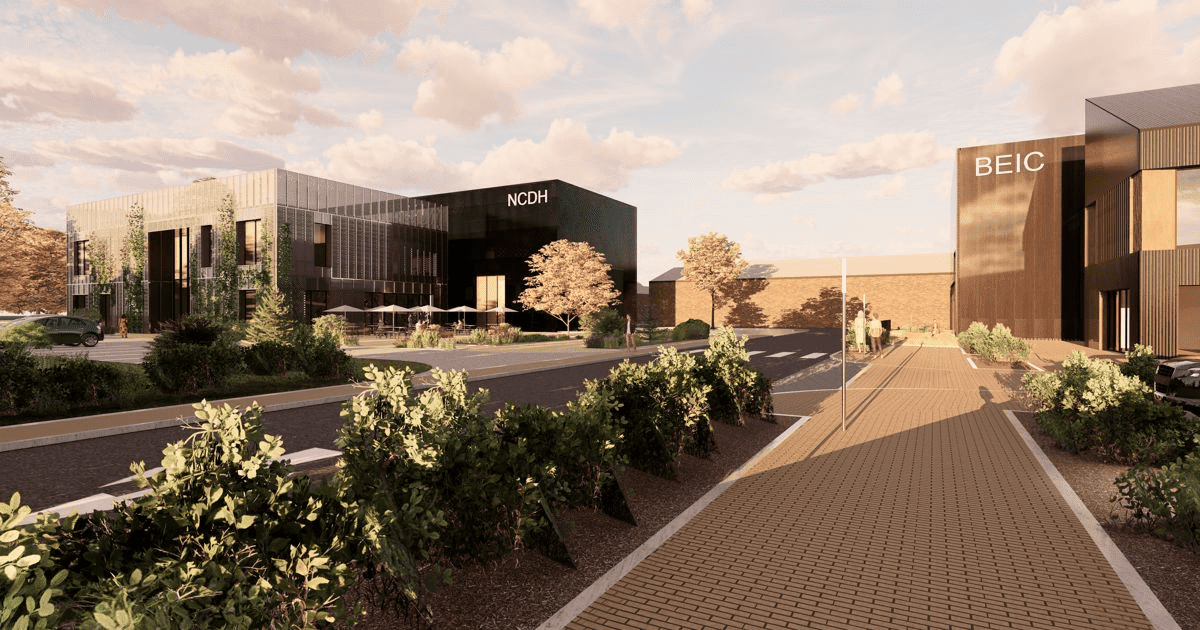
Tyseley Energy Park: Energy Strategies and Future Investments
Besides the WH plant, TEP hosts several energy companies grouped under TEED. Together, they can generate up to 515 kWh of electricity and 523 GWh of thermal energy annually. To meet ambitious carbon reduction goals, several options for supplying the city with renewable energy are being considered:
- Developing a district heating system for new residential complexes in Birmingham. This would supply electricity to 50,000 people and meet 75% of their heating needs, reducing carbon emissions by up to 90 kilotons per year.
- Extending the heat network to the airport to cover all its electricity and heating demands. This would cut carbon emissions by 10 kilotons annually.
- Using surplus electricity from the local combined heat and power (CHP) plant to power trains, which would decrease carbon emissions by 19 kilotons per year and nearly eliminate the need for diesel fuel. Additionally, waste heat from the Birmingham District Energy Company’s network will be channeled to a local heat network in a Birmingham suburb, eliminating the need for natural gas heating throughout that entire region.
The River Cole Project
The University of Birmingham is collaborating with the Birmingham City Council, the Environment Agency, the Active Wellbeing Society, and other local partners on the “River Cole and TEP” project, funded by the European Regional Development Fund (ERDF). This partnership aims to enhance 55 hectares of green infrastructure. It’s part of a broader research and innovation program focused on achieving net-zero emissions in the East Midlands. The planned interventions will improve wildlife habitats. Removing a concrete weir built over 150 years ago will open up a 14-kilometer stretch of the river, allowing the watercourse to return to its natural state.
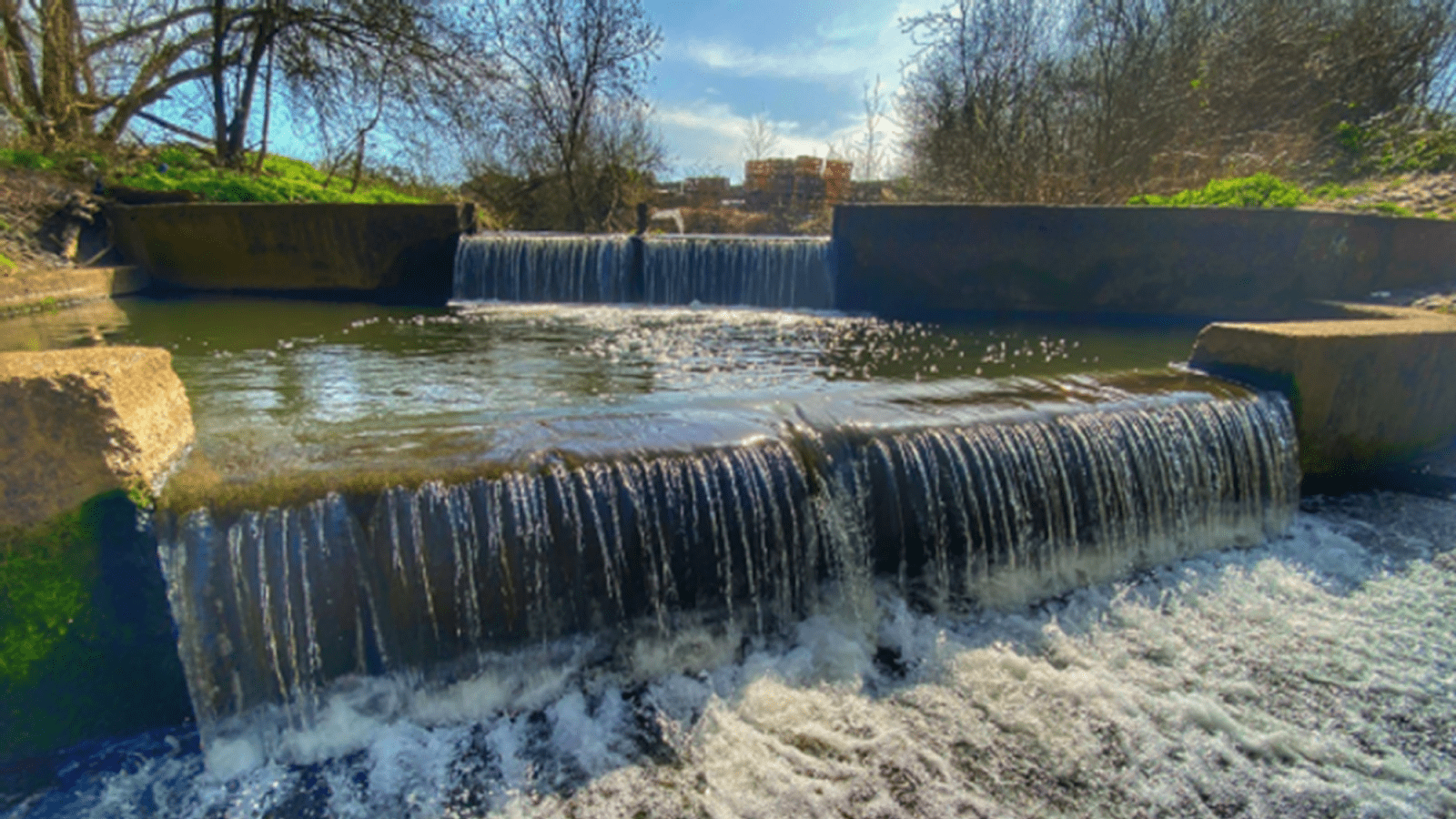
The project includes creating a series of public spaces with gardens and meadows, featuring both open and enclosed areas for growing organic produce. These spaces will be powered by renewable energy sources from TEP. The goal is to demonstrate to the community how innovative changes and the shift to green energy will benefit city residents.
Three centuries ago, Birmingham was the heart of the Industrial Revolution; today, it’s emerging as a leader in the green energy transformation. Initiatives like TEP, the River Cole project, and the development of new heat networks exemplify how the city is leveraging its industrial heritage. These efforts will not only reduce carbon emissions and improve air quality but also enhance the lives of local communities by providing access to green spaces and clean energy. Birmingham is proving that industrial cities can adapt and spearhead environmental innovation, setting an example for others to follow.