

Covering 40 acres, Highbury Park may often be overshadowed by Cannon Hill Park, but it is twice the size and offers a wider range of natural features. It attracts both tourists and locals seeking a more traditional and tranquil retreat.
Often described as the quieter, more understated sibling of Cannon Hill, Highbury Park boasts a rich history as the “back garden” of Joseph Chamberlain, the prominent politician and industrialist, whose Highbury Hall overlooks the park. The landscape features a diverse collection of trees, including pines, horse chestnuts, common oaks, willows, plane trees, beeches, yews, hollies, and silver lindens—a species originally from the Balkans and southwest Asia.
In recent years, there has been a shift towards restoring meadowlands within the park. Highbury’s Hay Meadow, created in 2008 by changing the grass-cutting regime, allowed wildflowers to bloom for the first time in over 50 years. One of the park’s most charming features is its lily pond, which adds to its serene atmosphere. Read more about this Birmingham park at birminghamname.com.
The History of the Highbury Area
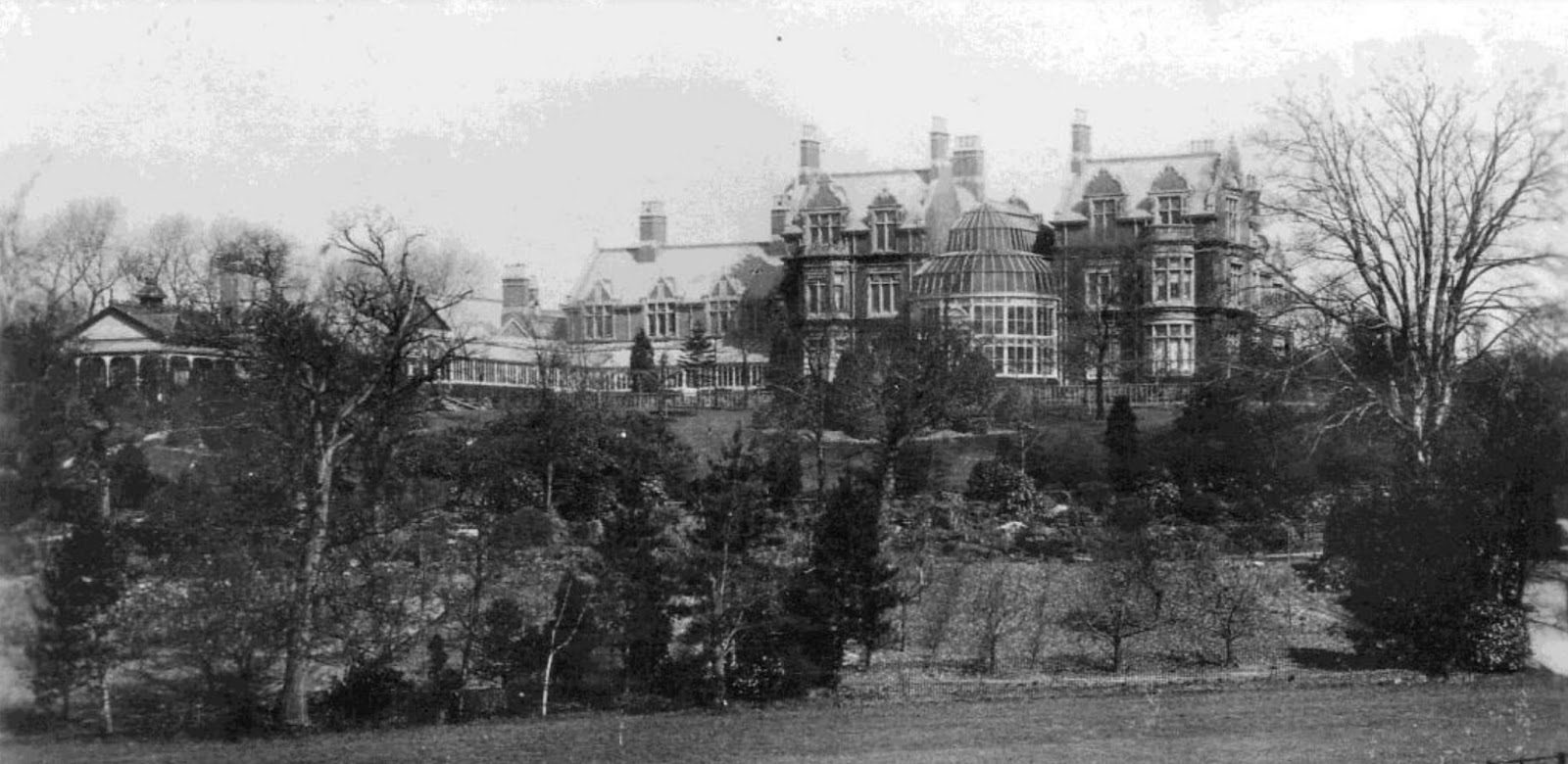
The history of the Highbury district stretches back to the Bronze Age, as evidenced by burnt mounds discovered in the area. There are also remnants of medieval ridge and furrow farming in at least ten locations within the park.
The park’s name comes from Highbury Hall, the residence of Joseph Chamberlain and his family from 1879 to 1914. The house was named after the London suburb where Chamberlain spent his childhood. Built in 1879, it stood in Moor Green, a rural area that was incorporated into Birmingham in 1911. At that time, Moor Green was predominantly farmland with only a handful of large estates, including that of Joseph’s elder brother, Arthur Chamberlain.
In 1879, landscape gardener Edward Milner, a respected designer from Surrey, was commissioned to transform the Highbury estate. His clients often included newly wealthy industrialists seeking to design grand gardens.
Milner developed a 25-acre plan, incorporating formal gardens and rolling meadows on the estate’s south-facing slopes. Highbury Hall was intended to be both decorative and productive—meadows were used for livestock grazing, including Jersey cows, pigs, poultry, and later sheep, which provided milk, cream, and meat for the household. Fruits and vegetables were cultivated on-site.
The Formal Gardens
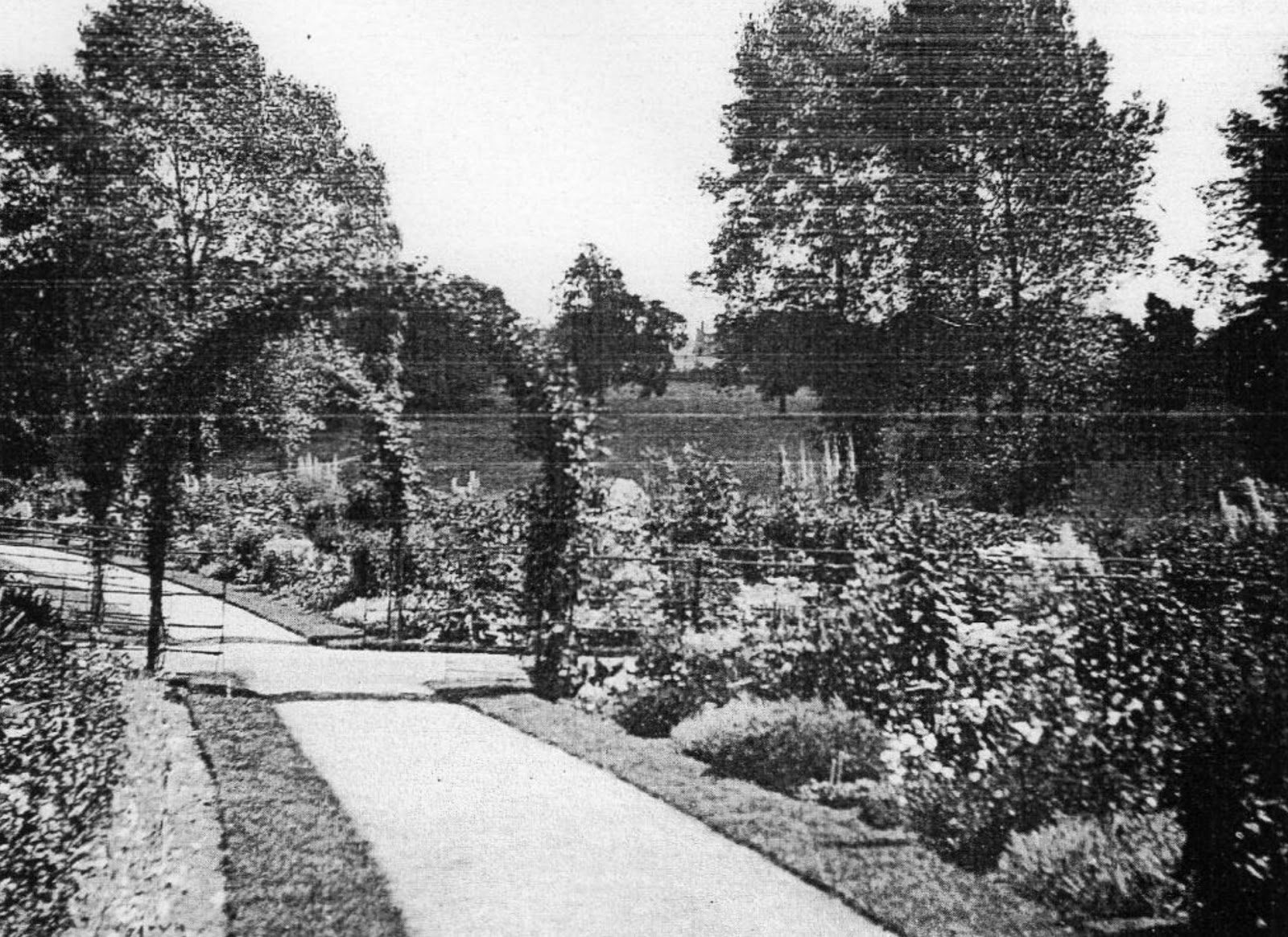
As the Highbury estate was originally farmland, Chamberlain preserved many of the existing field boundaries to create a park-like environment. Numerous mature trees were also retained to enhance the sense of an established landscape.
A tree belt was planted along the southern boundary near the railway line, serving as a visual barrier to the expanding King’s Heath district and the development of the former Grange Estate.
The approach to Highbury Hall featured a long driveway, a gated entrance, and a guest lodge, which still stand today. Rhododendrons, a favourite of Joseph Chamberlain, were planted to shield the house from the road.
Over the next thirty years, the gardens evolved to reflect Chamberlain’s personal ideas, including:
- A parterre
- A kitchen garden
- An Elizabethan garden
- A tea garden
- A Dutch garden
- An Italian garden
- A rockery at the northern and eastern edges of the estate
The gardens also featured several pools and ponds, integrated into the overall landscape design. Among the staff was head gardener Edward Cooper, assisted by a large team of workers who maintained the gardens and greenhouses.
The Private History of Highbury Hall
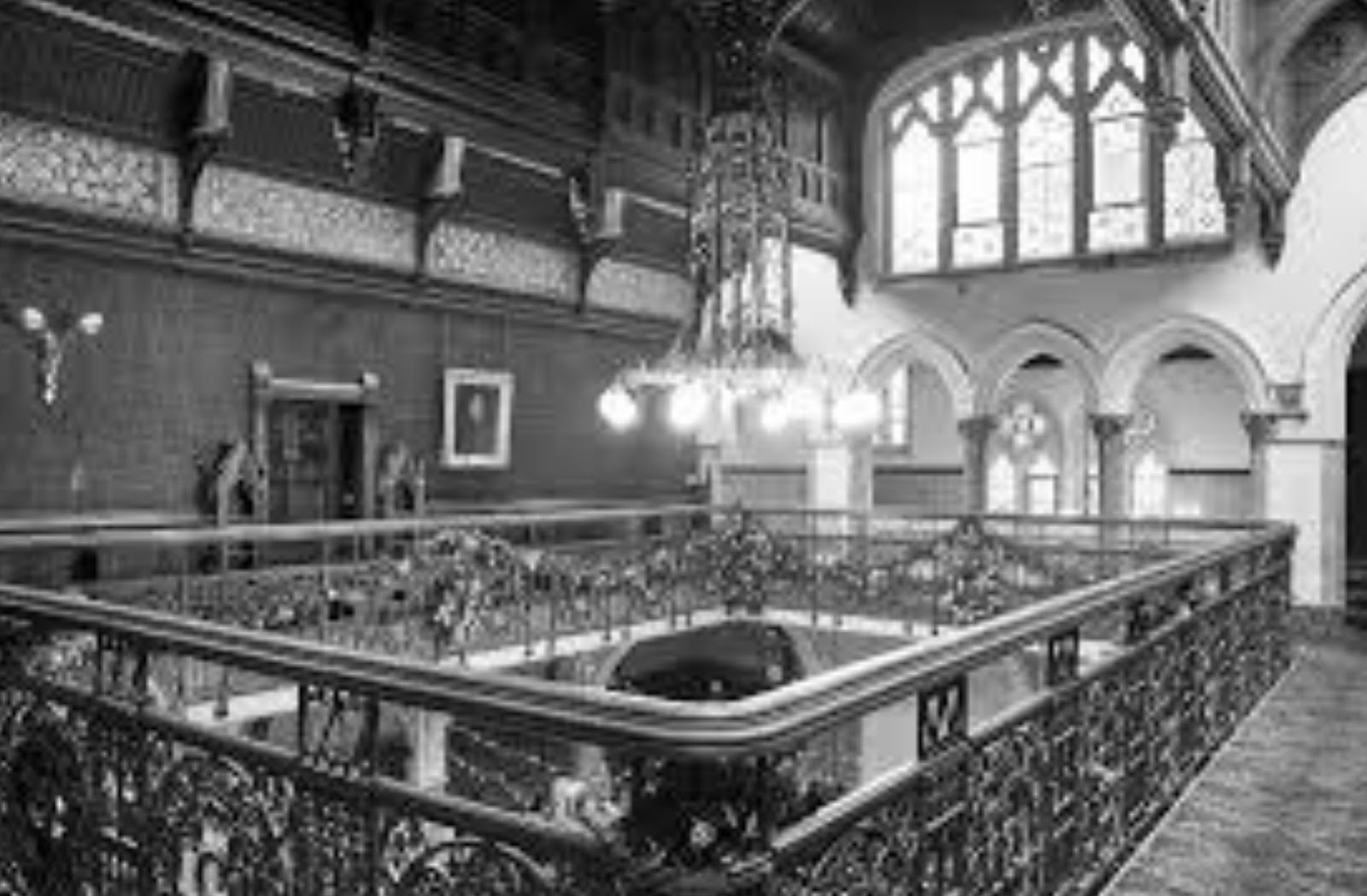
Today, Highbury Hall is a Grade II listed building, originally built as Chamberlain’s Birmingham residence two years after he became MP for Birmingham. The architect, John Henry Chamberlain, was not related to Joseph Chamberlain, despite their shared surname. He designed Highbury Hall in the Venetian Gothic style, incorporating terracotta decorations.
The estate included a winter garden, 13 greenhouses for orchids, and an extensive collection of exotic plants, for which Joseph Chamberlain won numerous awards.
At its peak, Highbury Hall employed 18 gardeners and a large household staff.
During World War I, the house was converted into a hospital for wounded soldiers. In 1919, Joseph’s eldest son, Austen Chamberlain, transferred ownership to the Highbury Trust, which later gifted the estate to the city in 1932. The hall then became a home for elderly women until 1984.
In 2016, the Chamberlain Highbury Trust secured a long-term lease from Birmingham City Council to preserve the historic building.
Highbury Park as a Public Space
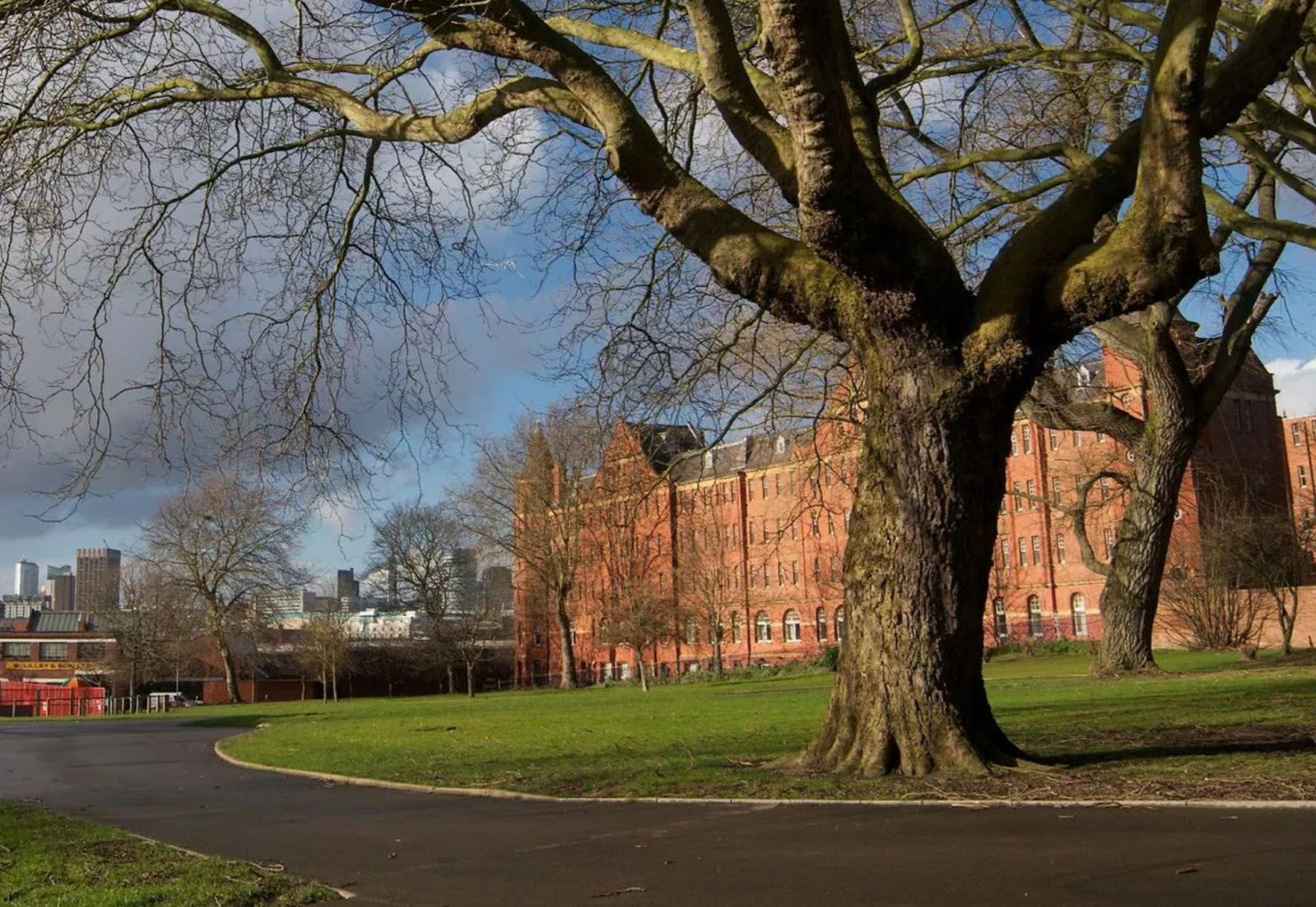
The public park we see today consists of land from three former estates:
- The Chamberlain estate in Highbury
- The Cadbury estate in Uffculme
- The Henburys estate
The northwest section, including Highbury Hall, was Joseph Chamberlain’s property and originally featured formal gardens and a circular walking route. This land was transferred to the city in 1932 for the benefit of Birmingham residents. Today, the conference and banqueting centre at Highbury Hall and the social services offices in Chamberlain House are separate from the main park.
The northeastern section, including the allotments, once belonged to the Cadbury family. This land was donated to the city in 1916, though the Uffculme house and gardens are no longer part of the park.
The southern portion, also part of the Cadbury estate, was purchased at a public auction in 1923 by the Birmingham Civic Society and gifted to the city that same year.
Before Highbury Park was created, the Henburys Estate, which existed from the late 1600s to 1895, stood on this land.
The Henburys was a 45-acre estate, once owned by Charles Rutterham, featuring:
- A large house
- Carriage houses
- Orchards
- Pools and pastures
For a time, the estate was home to Joseph Pardon, a Birmingham metal manufacturer, and later the Lyndon family, who built an obelisk as a grave marker for their favourite racehorse.
Most of the Henburys House was demolished in 1895, and in 1922, the remaining land was converted into Highbury Park. The last part of the house served as a tea room, known locally as Bonkoms, before being removed in 1957.
Joseph Chamberlain bequeathed Highbury Park to the people of Birmingham, though it only officially opened several years after his death.
Today, it remains one of Birmingham’s most cherished green spaces, providing a tranquil retreat steeped in history, nature, and community heritage.