

Park · Birmingham · ⭐ 8.7/10 · 1331 reviews · updated: 2026-08-04 15:57:40
Address: Yardley Wood Rd, Birmingham B13 0TB, United Kingdom
Swanshurst Park — an eighteenth-century pool and its woodland in Billesley
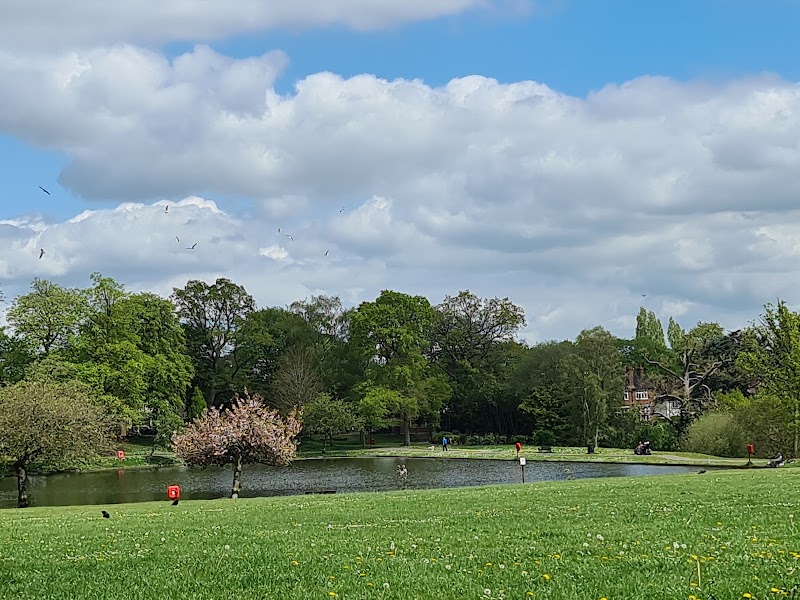
Swanshurst Park is the kind of green space a neighbourhood measures its life against: a big, calm pool with a woodland edge, a playground, and grassland deliberately left to grow into something wilder than mown parkland. It sits in the shallow valley between Moseley and Billesley, about four miles out from the city centre, and its centrepiece is older than the park itself by more than 160 years. The pool came first, as a private fishpond in the eighteenth century; the fields around it were still being grazed as common pasture within living memory. What you walk through today is the result of that slow reversion — a working nature site with a path around the water and a playground at one corner.
Highlights
- Moseley New Pool — the park’s large water, created around 1759 when Henry Giles threw an earth dam across the valley of a small brook to make a fishpond. It has also been known as Grove Pool and Swanshurst Slade Pool, and once belonged to the Grevis family of Moseley.
- The rebuilt dam — the original earth dam collapsed in the 1930s and was rebuilt with a central outflow, which still defines the shape of the pool’s southern end.
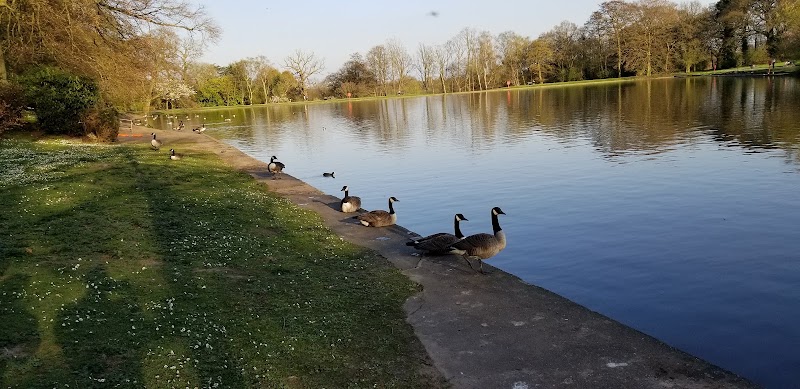
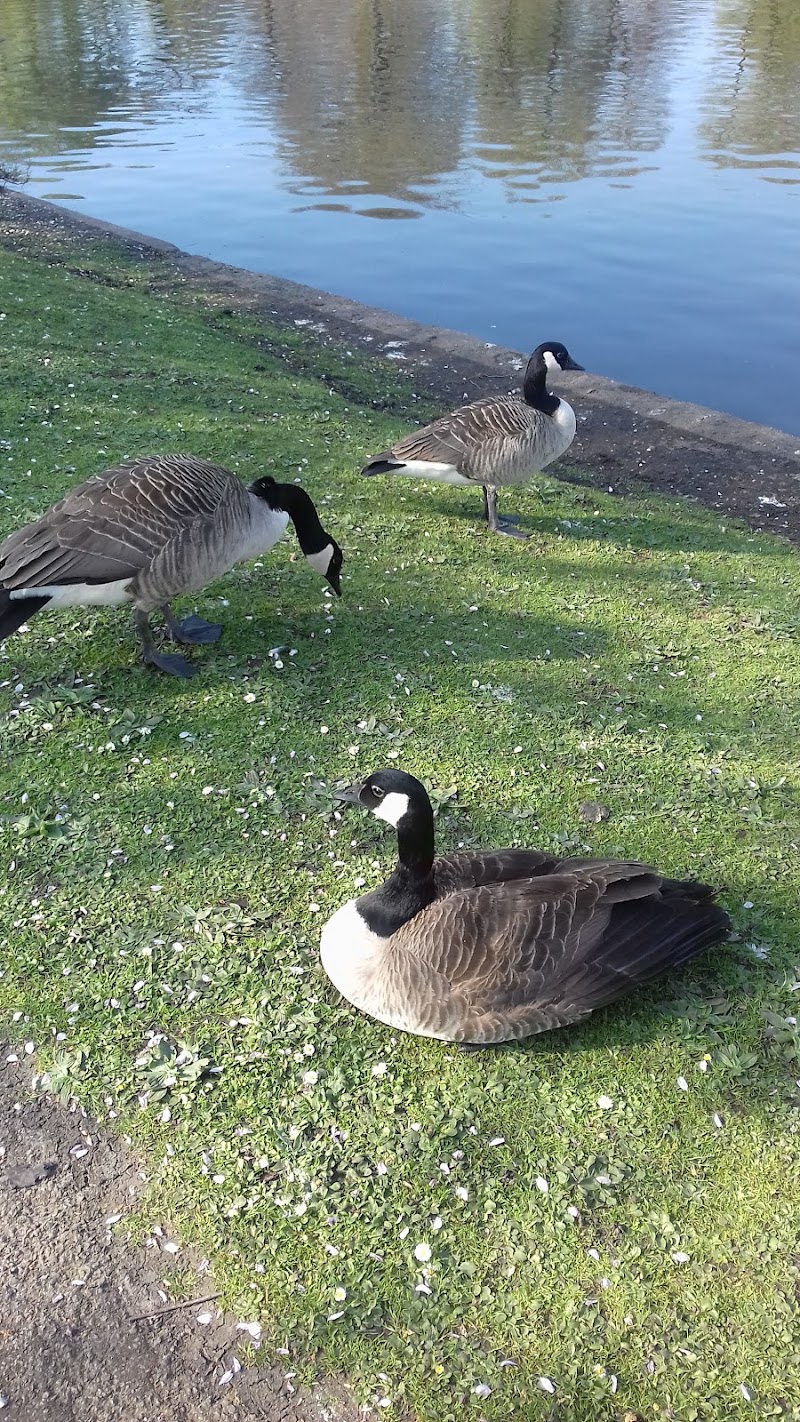
- The waterfowl — mute swans, Canada geese, mallard and a rotating cast of gulls and grebes, with heron recorded here by volunteer wetland bird surveys, make the pool a year-round watching spot.
- Woodland and rough grassland — the bulk of the park, managed deliberately as habitat rather than lawn, and recognised as an important nature site for this part of the city.
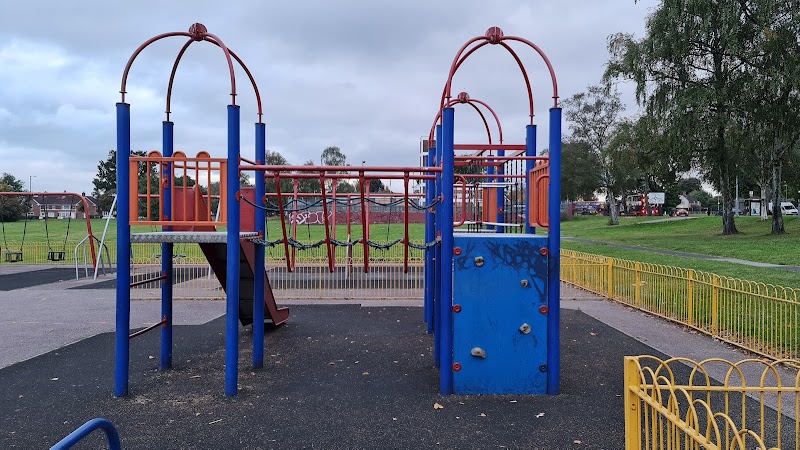
- The playground — the busiest corner of the park, beside the car park on the eastern side, and the reason most local families come.
- Friends of Swanshurst Park — a volunteer group formed in January 2021 by residents and park users, running litter picks, habitat work, school partnerships and funding bids for improvements.
What you’ll find
It is a park to wander rather than to tick off. The paths loop the water and thread the trees, and there is very little formal planting to distract from the habitat itself. Compared with Birmingham’s Victorian showpiece parks this one has almost no ornament at all — the bandstands, tea room and sports pitches it once had are long gone, and what remains is the landscape.
- A full circuit of the pool, the standard local walk and the easiest route for most visitors.
- Marshy margins and reed fringe supporting insects, amphibians and nesting birds.
- Fishing swims around the water, part of the city’s network of park angling waters.
- A basketball hoop and informal kickabout grass near the eastern entrance.
- Nature trails through the woodland and grassland that make up most of the site.
- Benches, bins, surfaced access paths, a small car park and additional parking on the streets nearby.
Things to do — and who it’s for
- Families — playground, ducks and a short flat loop, all achievable in a single visit with small children.
- Birdwatchers — the pool is the main draw, and it is at its best in winter when wildfowl numbers build and the bare trees make everything visible.
- Anglers — the water has been fished since the day it was dug and still is, under the council’s permit and season rules.
- Runners and dog walkers — the woodland trails give far more variety than the pool circuit alone.
- Local nature volunteers — the Friends group welcomes help with litter picks and habitat work.
- Tolkien enthusiasts — the park sits within the belt of south Birmingham landscapes close to Sarehole Mill and Moseley Bog, the ground behind the Shire.
Getting there & practical
The park lies about four miles south of the city centre, straddling the Moseley and Billesley wards. It is very well served by buses on the corridors through Moseley, Billesley and Yardley Wood; the nearest rail stations are Hall Green and Yardley Wood on the North Warwickshire line, both within walking distance, with Kings Heath on the reopened Camp Hill line also in reach. There is a small car park on the eastern side plus on-street parking nearby. Entry is free, the park is unfenced and usable from dawn until dusk, and a comfortable visit takes forty-five minutes to an hour. Combine it with the walk towards Chinn Brook Nature Reserve or Sarehole Mill for a longer half-day out.
When to visit
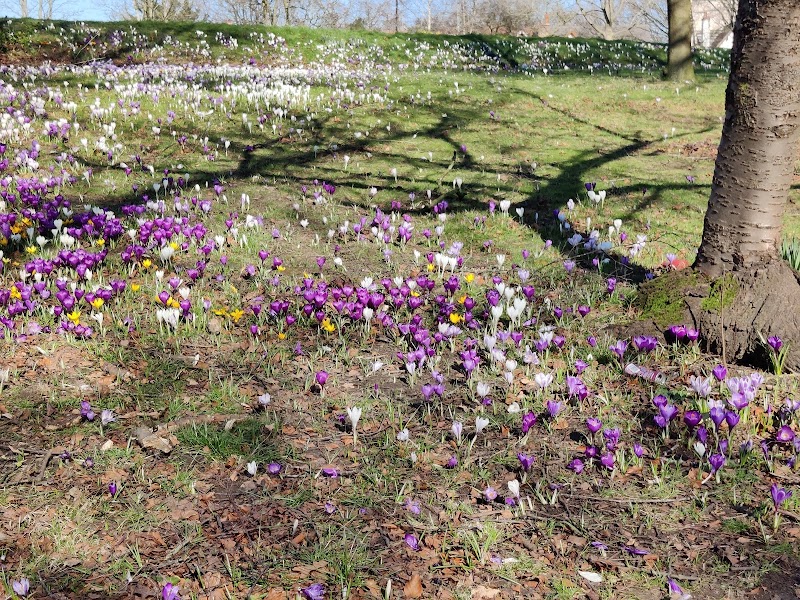
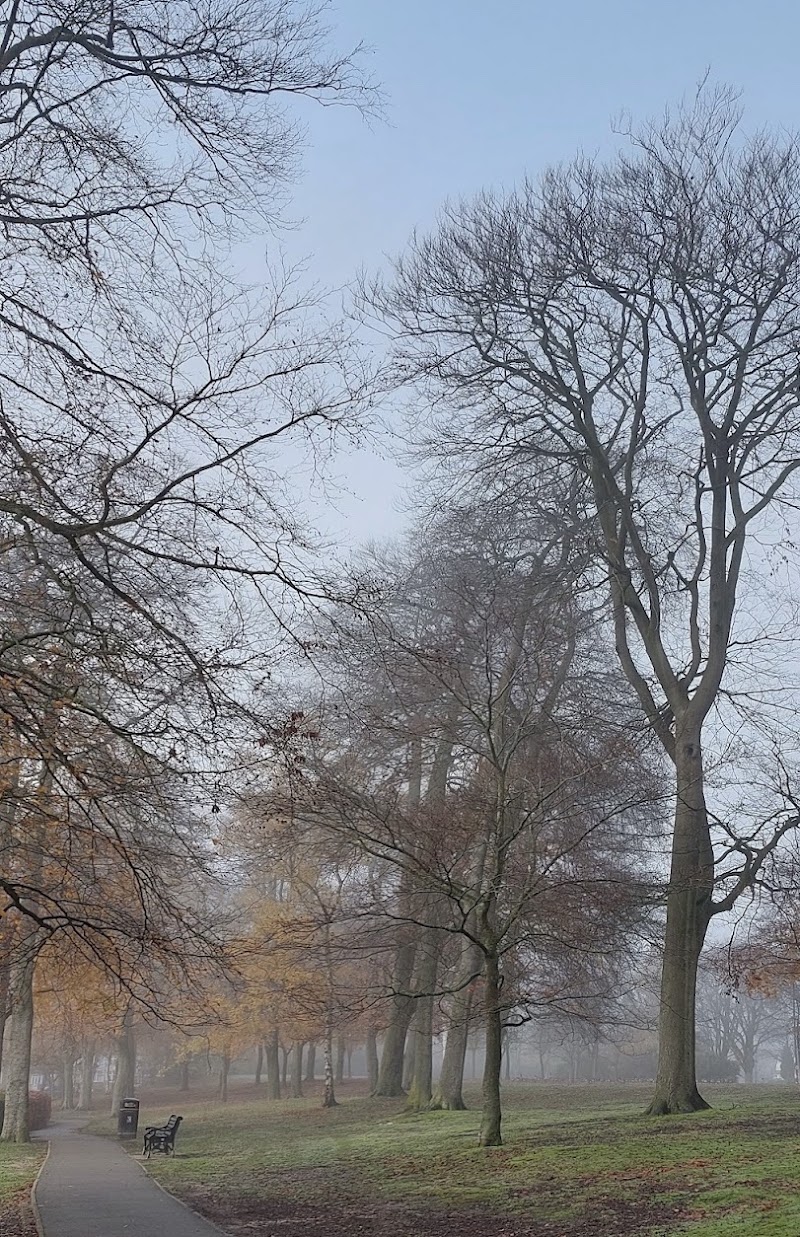
Spring brings goslings and cygnets onto the pool and a green haze through the woodland, with the dawn chorus at its loudest along the wooded edge. Summer is for shade: the tree cover keeps the paths cool while the open grassland flowers and hums with insects, and the water draws dragonflies. Autumn is the pool’s best season for reflections, with the surrounding trees colouring, leaf litter thick on the paths and fungi appearing along the wood edge. Winter is when the birdwatching peaks — wildfowl numbers build, the bare canopy makes them easy to see, and a hard morning frost over the water is worth the early start. The marshy margins hold water all year, so footwear matters outside high summer.
Good to know
The name Swanshurst is first recorded in 1221 and comes from Old English, meaning roughly the swain’s wooded hill, though a derivation from swans has also been suggested. A medieval farm stood here — probably an assart, land cleared from woodland, belonging to Maxstoke Priory — and was held by the Dolphin family for around three centuries until John Dolphin’s death in 1834, after which it declined into rented tenements. The farmhouse was demolished in 1917 and its timbers reused in a new house nearby; the remaining barns came down in 1920 for housing. The pool was made around 1759 by Henry Giles as a fishpond, and its several names distinguished it from other waters on the same brook, which also powered Lady Mill, a corn mill turned wire-drawing mill that worked from 1437 until about 1830. In 1922 the City of Birmingham bought the fields of Ivyhouse Farm together with the pool from the Taylor family in order to lay out a park, though the land continued to be grazed as common pasture until the end of the Second World War. A tea room and a miniature golf course came and went — the golf lasted from the 1950s until the 1990s — and other sports facilities disappeared with them, leaving today’s quieter, more natural park where woodland and rough grassland have taken back most of the ground.
Visitor tips
- Walk the pool anticlockwise in the morning to keep the sun behind you for photographs of the water.
- Keep to the surfaced paths after rain; the woodland and marsh margins hold water for days at a time.
- Bring binoculars in winter — the far bank of the pool is where the less common birds tend to settle.
Questions & answers
How old is the pool? Moseley New Pool dates from around 1759, which makes it roughly 160 years older than the park laid out around it in 1922.
Is the park free? Yes. It is free public open space managed by Birmingham City Council, with a volunteer friends group supporting it.
Can you fish at Swanshurst? Yes. The pool is one of the fishable waters in the city’s parks, under the council’s permit and season rules, and it has been fished since it was created as a fishpond.
Is there a playground? Yes, on the eastern side of the park beside the car park.
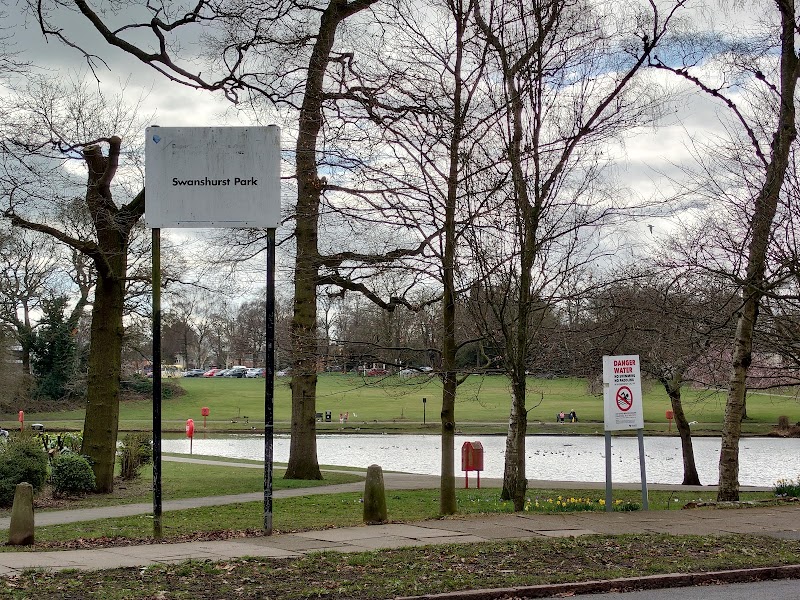
Is swimming allowed? No. The pool is a wildlife and angling water held behind a rebuilt dam, not a bathing site.
What happened to the old sports facilities? They were gradually withdrawn. The miniature golf course operated from the 1950s and closed in the 1990s, the tea room went earlier, and the ground has since reverted to woodland and rough grassland.
Photos
Show 1 more photos
Visitor reviews
Reviews last updated: 2026-08-04 15:57:40
Data is refreshed monthly. Sources: birminghamname.com and editorial picks based on reviews.
Relaxing and peaceful.
People don’t take care of the environment which is a negative factor. Swans are reducing in number.
Swanshurst Park, a sprawling green oasis located in the Moseley area of Birmingham, offers a pleasant break from the city bustle. Its vast expanses offer a variety of recreational options, making it a popular place for f…
A nice place for a walk and a rest. Peaceful and welcoming.
A wonderful park with lots of greenery and trees around — a great place for picnics. A beautiful lake with swans and other birds, plus a wonderful path that goes all the way round the lake. The parking is great and plent…
I've never seen so much litter in a park in the UK. This place is full of rubbish, and it looks like the local council doesn't care about it at all. The lake is in a terrible state, more like a swamp than something you'd…