

At first glance, climate change in Birmingham does not seem so radical. It seems that only winters have become somewhat warmer and wetter, with perhaps an increase in rainfall during the winter months. Similarly, at first glance, summers here have become hotter and drier. But in reality, all this leads to more extreme events. Among them are floods, heat waves that lead to forest fires, which increase health risks (heat stress, spread of disease), infrastructure (damage, destruction, disruption), water supply and the environment (loss of biodiversity).
This means that vulnerable, at-risk areas are disproportionately affected. Instead, the city is working on adaptation measures, such as increasing green spaces and improving infrastructure resilience, to manage risks to homes, businesses and public health. To find out how this is happening, who is responsible and what the results are, visit birminghamname.com.
Climate change in the United Kingdom
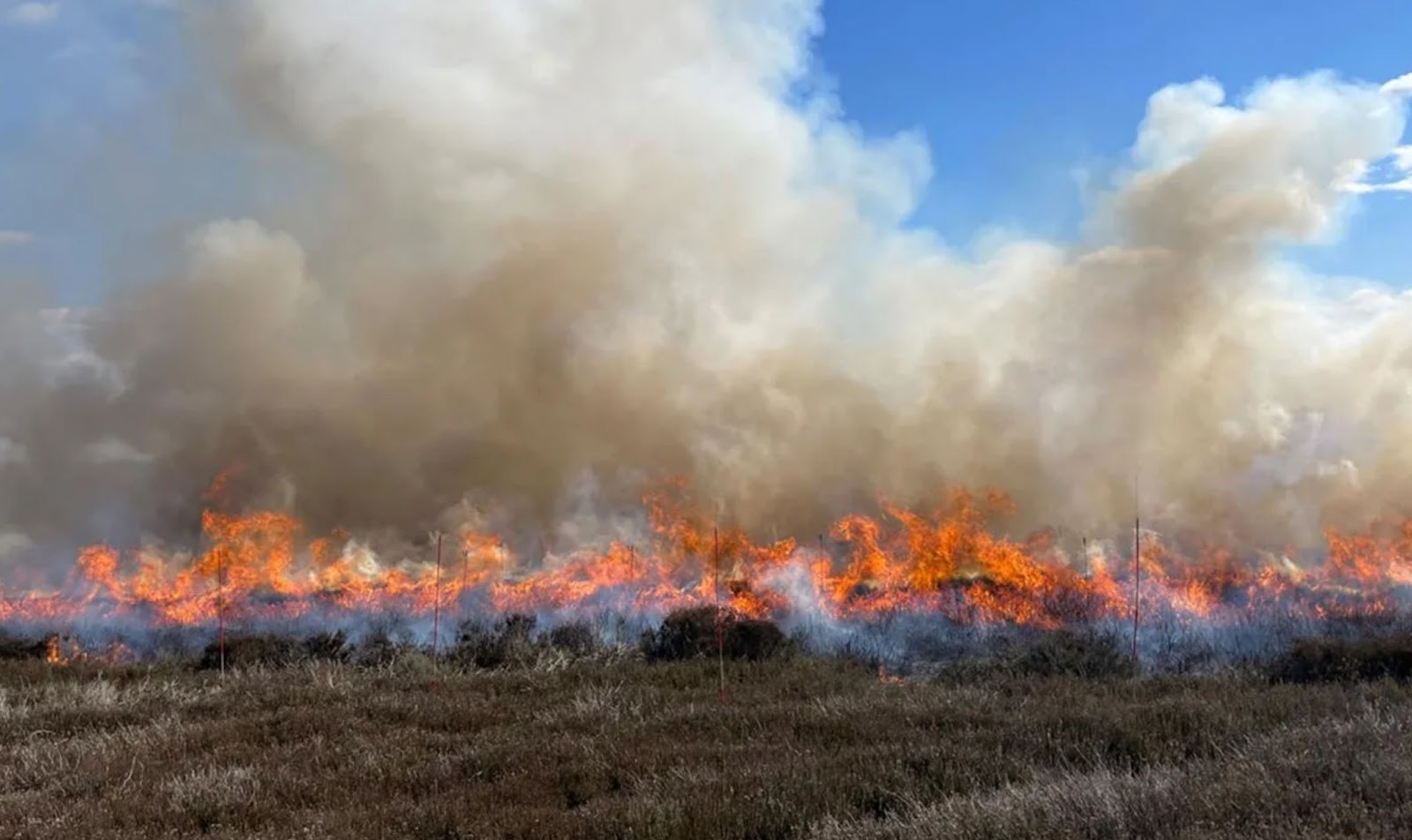
It is known that the climate of Great Britain is capable of gradually changing under the influence of natural and anthropogenic factors, which is what happened to it during the 20th century. Although the country’s climate is traditionally described as temperate oceanic with cool winters and mild summers, climate data show a clear trend towards warming and an increase in the number of extreme weather events. Accordingly, these changes affect not only the daily lives of residents of large cities such as Birmingham, but also create new challenges in the field of adaptation and risk management.
It is known that in the first decades of the 20th century, the climate in the region was normal for this area. That is, there were cold winters, long periods of rain and relatively cool summers. However, since the 1960s, and especially since 1980, temperature data show a warming trend not only in Birmingham but across the country.
Analysis of temperature series in central England — one of the longest in the world — indicates, in particular, a change in the regime in the late 1980s. These changes were characterised, in particular, by an acceleration in average warming. This trend has been confirmed by several independent scientific studies.
The gradual increase in average temperatures has led to warmer summers and less severe winters in Birmingham, at least compared to the beginning of the century. At the same time, precipitation has become more variable, with periods of intense rainfall alternating with longer droughts.
Between 1961 and 1990, some regions of England, particularly the East Midlands and the east of the country, saw an increase in average annual temperatures of approximately one degree Celsius, providing clear evidence of regional climate change that was noticeable until 2000.
As it later became clear, these general trends had specific consequences for the population of Great Britain. Hot and dry summers affected the stability of agriculture. During such periods, the soil dried out and water reserves decreased, which affected crop yields and water resource management.
At the same time, milder winters did not eliminate the risks of extreme cold and snowfall, but seasonal cycles became even less regular. In addition, accelerated evaporation due to higher temperatures contributed to even more extreme weather events, such as torrential rains or sudden floods.
Climate of the regions
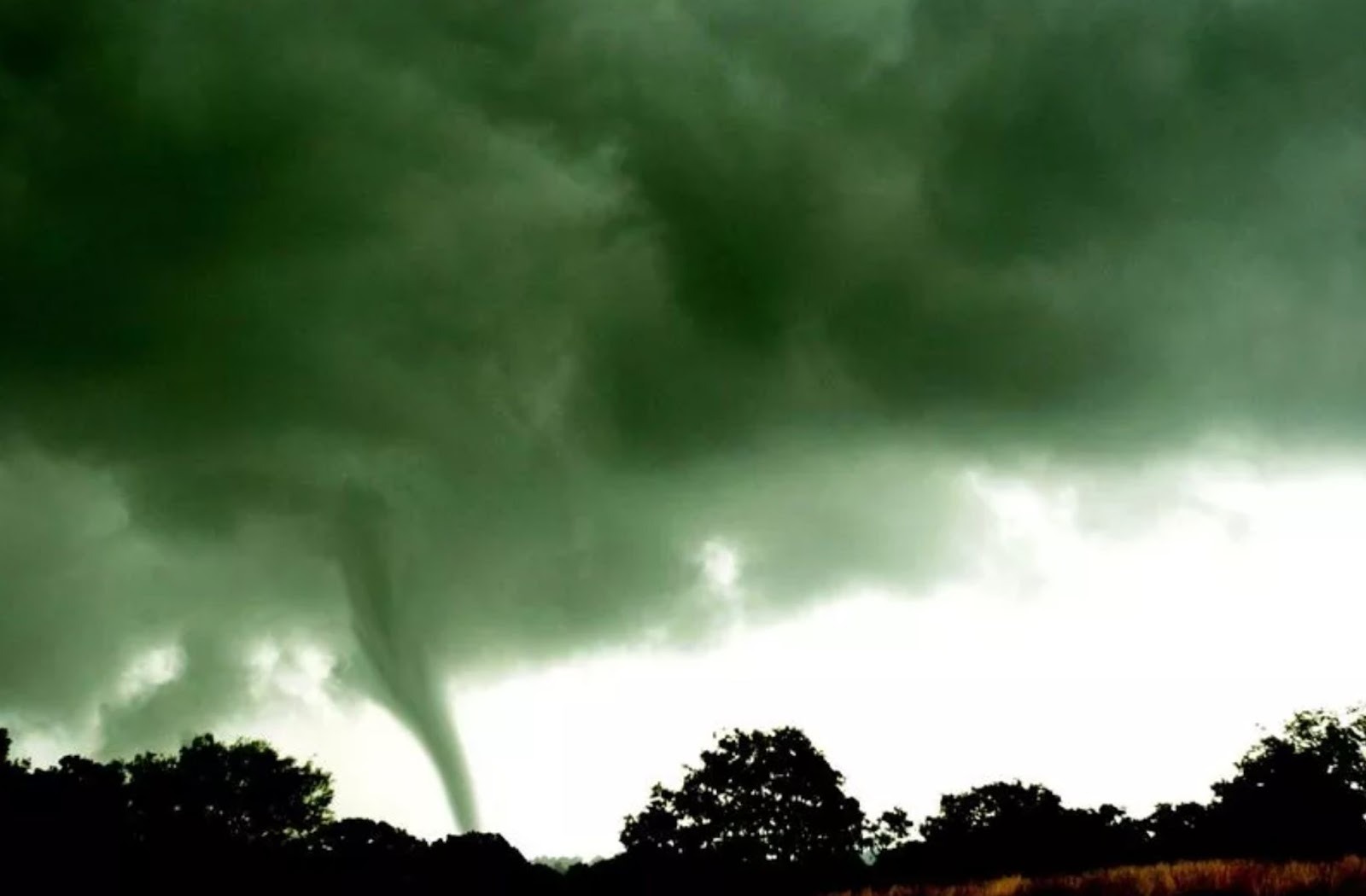
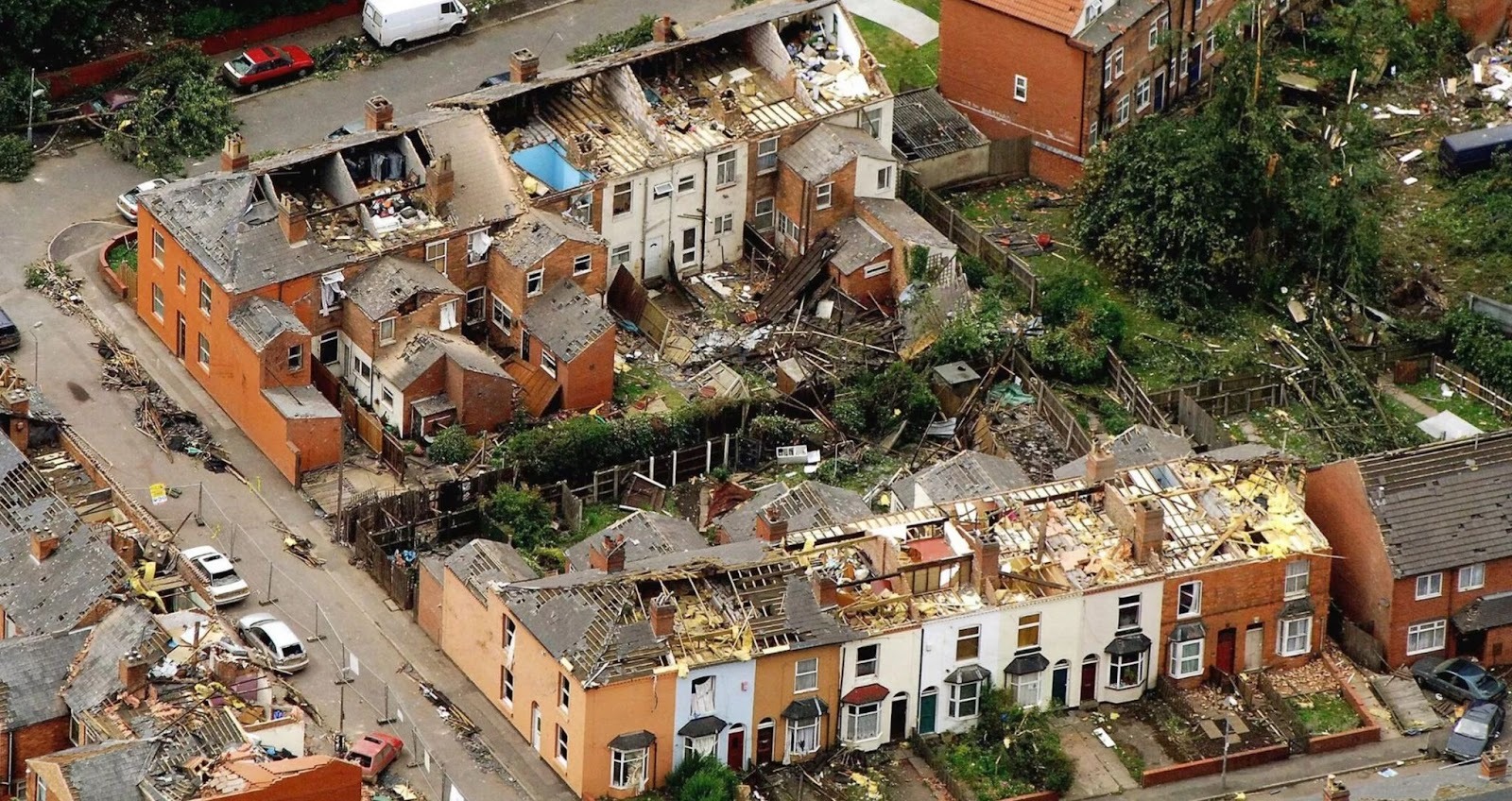
One of the most striking examples of unusual weather phenomena in Great Britain is the tornado in Birmingham, which occurred on 28 July 2005. This phenomenon, classified as IF3/T6 on the meteorological scale, is considered one of the most powerful natural disasters of its kind ever recorded in Great Britain.
The tornado swept through several areas in the south and east of Birmingham, causing significant damage to hundreds of buildings, educational institutions (schools) and shops. At the same time, the tornado miraculously did not cause any casualties among the population. Rescuers provided large-scale assistance to displaced residents, and the city authorities allocated funds from the emergency fund to restore the damaged infrastructure.
Although tornadoes are relatively rare in the United Kingdom compared to the United States, such phenomena occur here every year: more than 30 tornadoes are recorded throughout the United Kingdom. Birmingham and its Midland region, in particular, are among the areas where tornadoes have been observed repeatedly in the 20th century, including in previous decades.
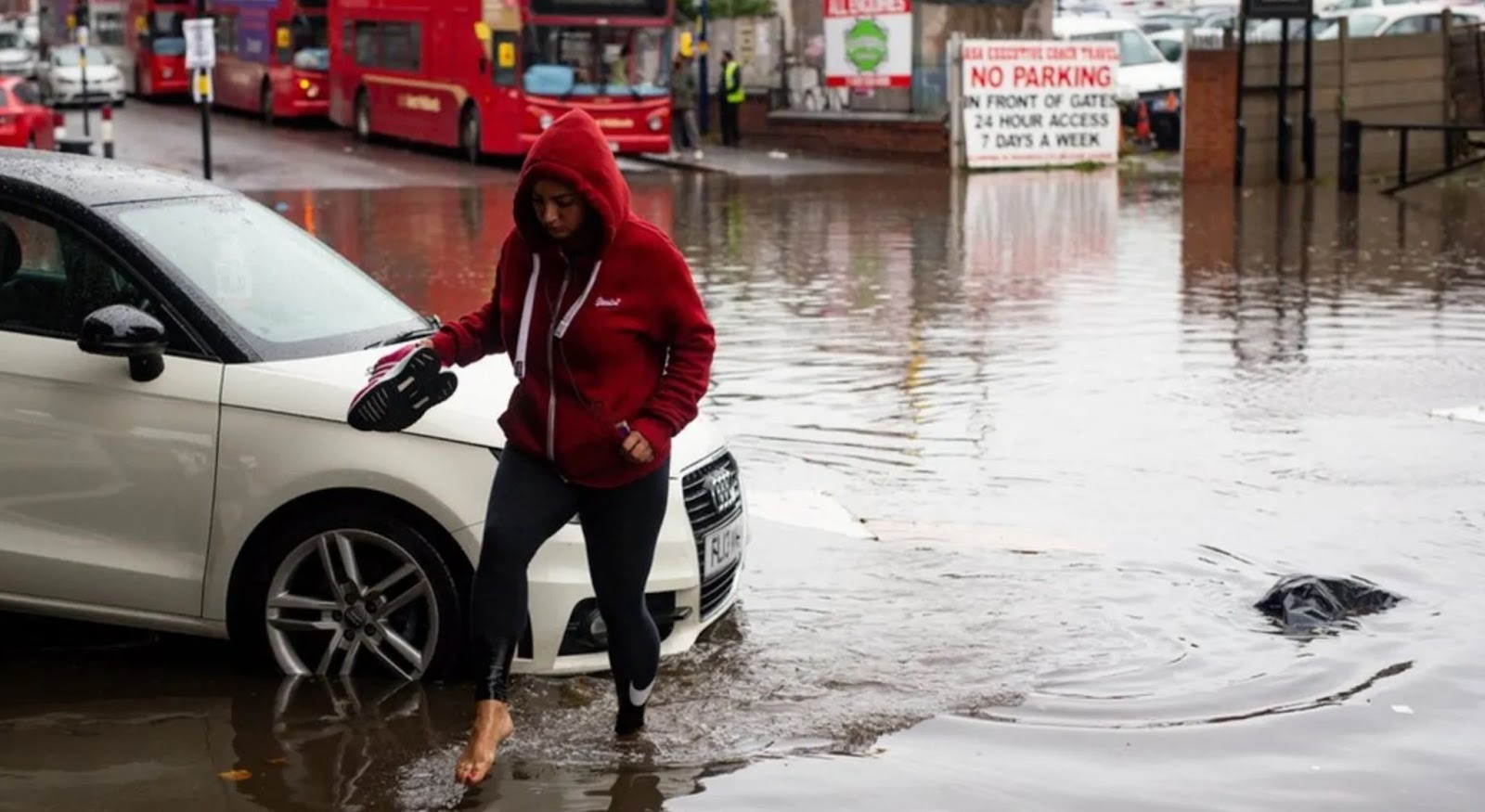
In addition to tornadoes, other forms of extreme weather events have occurred in the United Kingdom, with significant social and economic consequences. For example, at the end of 2000, a series of Atlantic cyclones caused heavy rains and flooding in several regions of Western Europe. This disaster did not spare most of the United Kingdom. These floods caused significant damage to infrastructure and disruptions to transport and utilities.
And the last example occurred in January 2026. At that time, the country was again hit by a serious weather anomaly in the form of Storm Gorette. The Meteorological Office named this powerful storm. It covered large areas of the United Kingdom and was accompanied by strong gusts of wind, heavy rainfall and snow, which led to widespread disruption to transport, power networks and utilities.
This storm clearly demonstrated that even inland areas of the country, such as Birmingham, can be affected by extreme weather events, requiring a rapid response from emergency services and the adaptation of critical infrastructure.
Consequences of natural disasters
These climatic and meteorological changes have numerous consequences for citizens’ lives. In urban areas such as Birmingham, local authorities have been forced to upgrade drainage systems to cope with heavy rainfall, adapt health programmes to counter heat waves, and improve the resilience of buildings and transport networks to severe weather conditions.
In addition, awareness of meteorological risks has increased, and information campaigns are being conducted more frequently among residents so that they can prepare for climate warnings, thereby reducing safety risks.
What to expect next
The current climate dynamics in the United Kingdom, which have traditionally been moderate, are now trending towards greater instability and variability, often associated with global climate change. Scientific forecasts indicate that these trends may intensify throughout the 21st century. Scientists predict a high probability of heat waves, floods, severe storms and other extreme events that are not yet common in the collective memory of the British people.
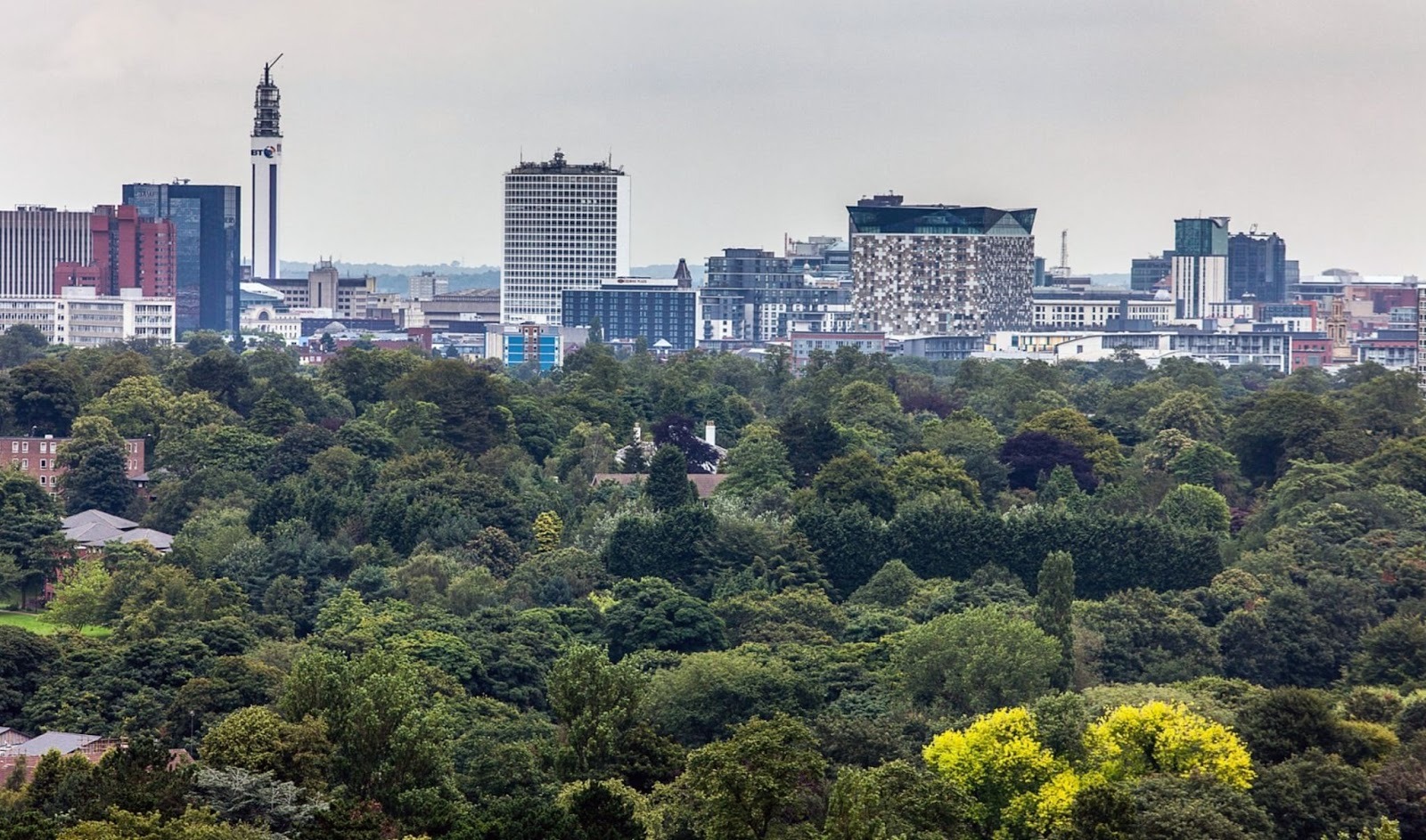
It can be said that the turning point in the evolution of the British climate was the second half of the 20th century, which had a significant impact on both society and the environment. Birmingham served as a laboratory for observing how climate change and extreme events interact with urban life.
In addition, there is growing interaction between climate change and human influence. All this prompts people to think deeply about how to prepare for a future in which the climate will continue to change.
Sources:
- https://www.birmingham.gov.uk/info/50282/climate_change/2641/what_is_climate_change_and_net_zero/
- https://www.birmingham.ac.uk/news/2025/uk-heatwaves-overwhelm-natural-ecological-safeguards-to-increase-wildfire-risk
- https://www.birminghamworld.uk/news/climate-change-in-birmingham-rates-of-global-warming-mapped-across-the-city-3554146